Where to Eat in Gothenburg, Sweden: A Practical Food Guide
Gothenburg's food reputation rests on Kattegat seafood, two market halls and a coffee culture with its own grammar. This guide covers where to eat, what has changed, and the alcohol rules nobody warns you about.
Short answer
Eat at Feskekôrka (reopened 2024 as a food hall with five restaurants), Stora Saluhallen on Kungstorget, and the seafood and fika spots across Haga, Linné and Majorna. Shrimp sandwiches, langoustines, salmon and mussels are the local specialities, and anything above 3.5% ABV is sold only at Systembolaget.
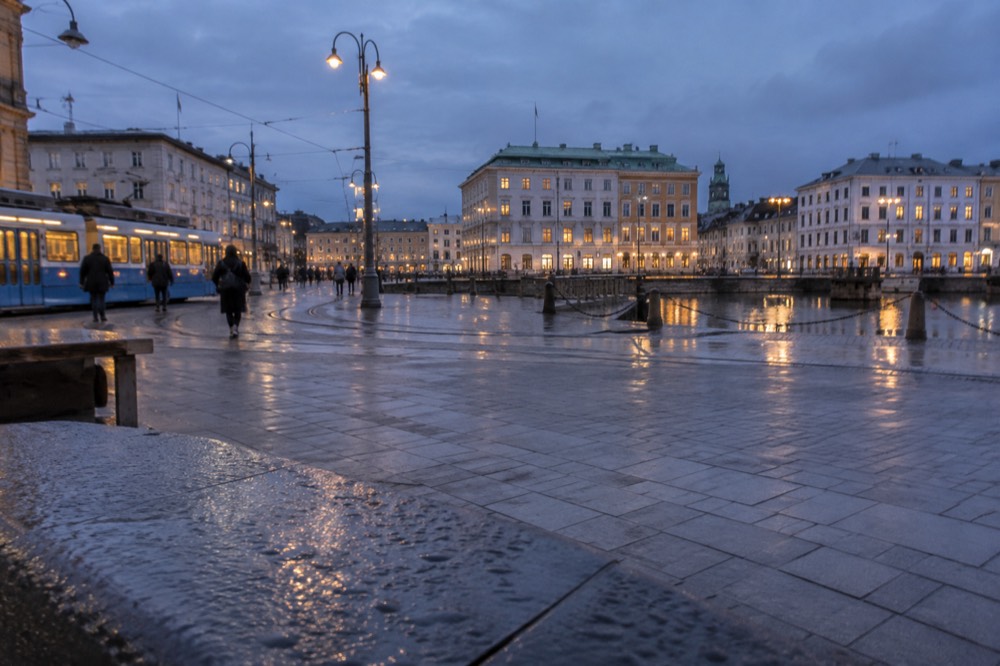
Gothenburg, Sweden's second city, sits at the mouth of the Göta älv where the river meets the Kattegat, and its food culture is a direct product of that geography. The port landed fish for centuries, the archipelago islands farmed the sea a tram ride away, and the restaurant scene still reads west-coast: shrimp, langoustine, salmon, mussels, and a shrimp sandwich treated as a civic institution rather than a menu item.
Two things have changed recently that most food coverage of the city still gets wrong. Feskekôrka, the fish market hall nicknamed the Fish Church, reopened in 2024 as a food hall with five restaurants rather than the fish-counters-only building older guides describe. And the alcohol rules, which never change, are still the single thing that surprises the most visitors: anything above 3.5% ABV is sold only by Systembolaget, the state monopoly, under Alkohollag (2010:1622) 1 kap. 8.
This guide, from the editorial desk at Gothenburg Travel Guide, walks through the neighbourhoods, the market halls, the seafood specialities and the practical rules, using only verified primary sources. Nobody writing it has eaten in these restaurants, so every claim below is reported from what the venues, the city and the statute book themselves publish.
What Food Is Gothenburg Famous For?
Gothenburg is famous for west-coast Kattegat seafood: shrimp, langoustine, salmon and mussels, with the shrimp sandwich (räkmacka) as the signature dish, plus fika, the coffee-and-pastry social institution, and a growing craft beer and distillery scene. The city's restaurant density clusters around two market halls and a strip of café-lined neighbourhoods from Haga to Linné.
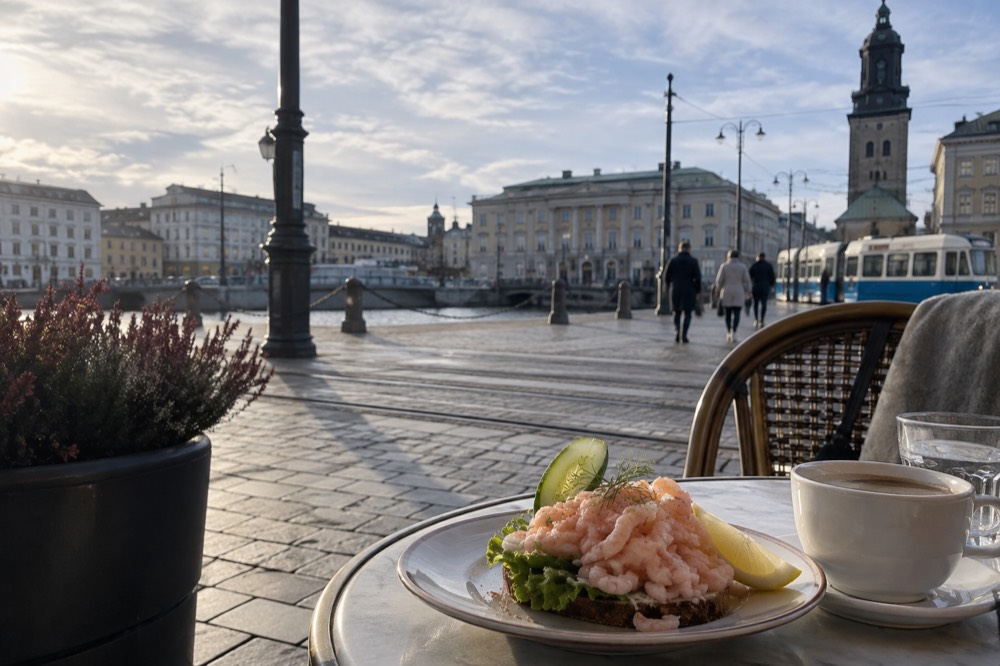
The seafood is the thing that distinguishes Gothenburg from Stockholm or Malmö. The Kattegat, the shallow sea between Sweden and Denmark, produces langoustines and shrimp that Swedish menus elsewhere in the country describe as west-coast produce, and Gothenburg is the west coast's city. A shrimp sandwich here is not a garnish on bread; it is a counted pile of peeled shrimp on buttered rye or sourdough, usually priced accordingly, and the quality of a restaurant's räkmacka is a running local debate.
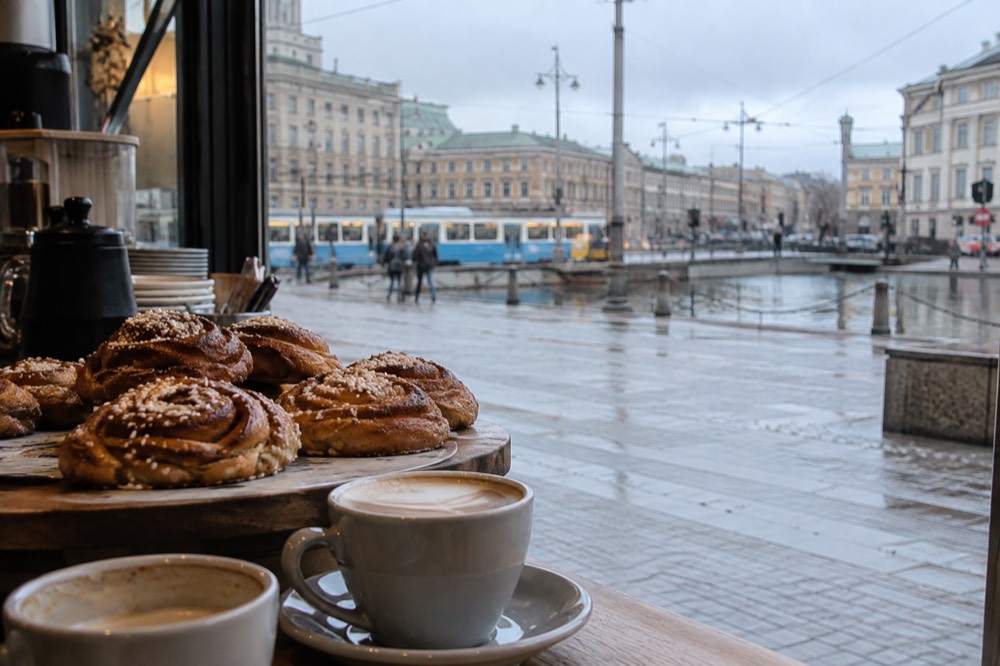
Fika is the second pillar. It is a coffee break with a pastry, most classically the cinnamon bun (kanelbulle), but it is also a social institution with its own schedule: mid-morning and mid-afternoon, in cafés that fill and empty on a rhythm. The fika guide covers the mechanics in detail, but the short version for eating purposes is that a fika stop is a meal slot in its own right, not a snack.
The third strand is newer: craft beer bars, a distillery producing gin within the city, and a food-hall culture that has expanded from the two historic halls into a broader scene of small kitchens. The gothenburg nightlife guide picks up where the dinner table ends.
There is also a seasonal layer that first-time visitors underestimate. The shrimp season on the west coast runs through the warmer months, and menus change with it; the gothenburg in summer guide and the autumn guide both note how the food calendar shifts. A September visitor eats in a different city, menu-wise, than a February one, and the mussels in particular are an autumn-and-winter dish on most west-coast menus.
Is Feskekôrka Worth Visiting, and What Is It Now?
Feskekôrka reopened in 2024 as a food hall with five restaurants, Haldis Kök, Pråmenaden, Victor von G, Lilla Åstol and Ekmans, plus two fish counters, Ebbes Fångst and Flåtens Fiskhandel. The 1874 building turned 150 the same year it reopened, so it is no longer a fish market only; it is a place where you can buy raw fish and eat cooked fish in the same room.
The building on Rosenlundsgatan, shaped like a church and nicknamed for it, is the single most misunderstood food address in the city. Guides written between 2020 and 2023 describe it as closed for renovation. Guides written before 2020 describe it as fish counters only. Higab, the municipal property owner, confirms the 2024 reopening in the building's 150th year, and the operators' own listings confirm the current line-up: five restaurants and two fish counters.
What that means practically is that Feskekôrka now works two ways. You can buy langoustines, salmon, mussels and shrimp raw from Ebbes Fångst or Flåtens Fiskhandel, or you can eat at one of the five kitchens. Lilla Åstol is seasonal; its own copy says it reopens in spring, so a winter visitor will find four restaurants, not five. The full story of the building, its architecture and its renovation is in the Feskekôrka guide.
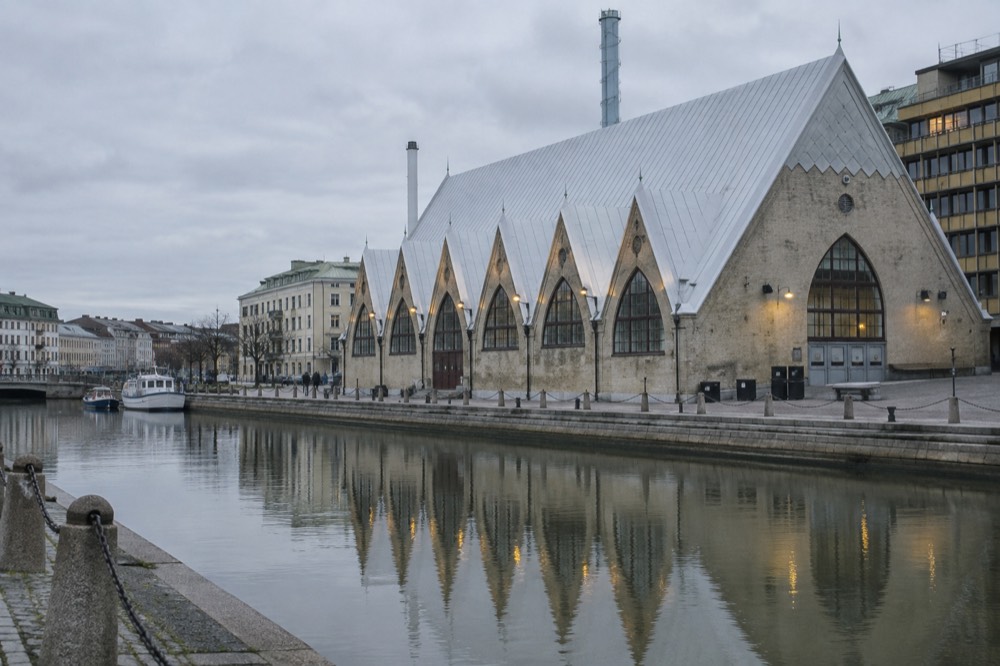
Feskekôrka is small. It is a single hall, not a sprawling market, so pair it with a walk along the Rosenlund canal and a stop at Stora Saluhallen a few minutes away rather than treating it as a half-day destination. The canal-side setting is part of the appeal: the hall sits at the western end of the Rosenlund canal, and the walk between the two halls crosses the heart of the old town inside the former moat, which the cathedral and Inom Vallgraven guide maps.
Which Food Halls and Markets Should You Eat At?
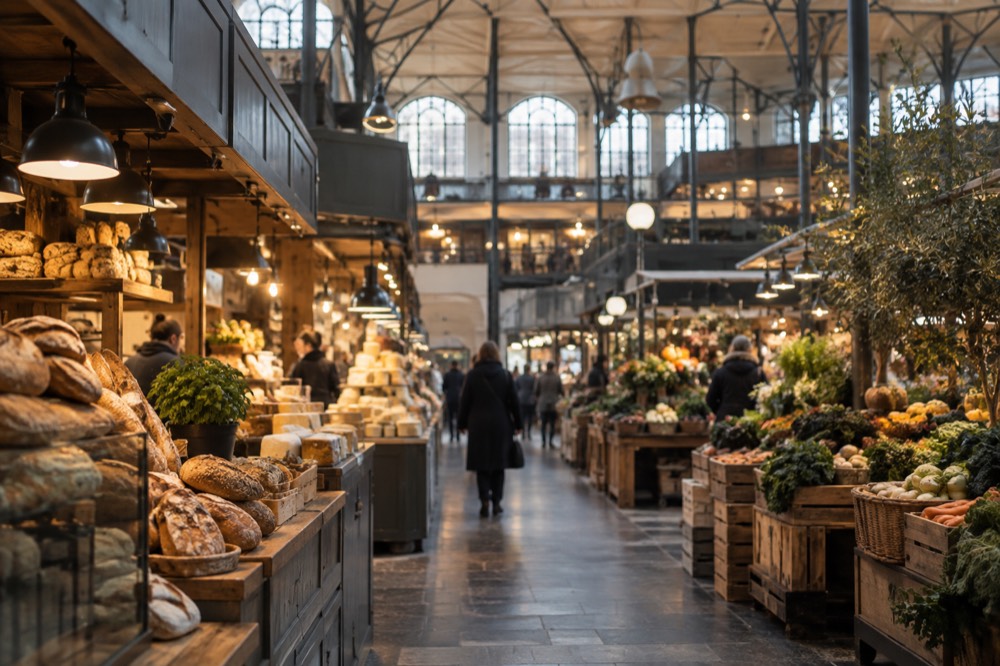
Gothenburg has two market halls that matter: Feskekôrka on Rosenlundsgatan, the seafood specialist, and Stora Saluhallen on Kungstorget, the broader general market with cheese, charcuterie, produce and lunch counters. Between them they cover most of the city's indoor food culture, and both sit within walking distance of the central canal district.
Stora Saluhallen is the older sibling in function: a general market hall where you can assemble a picnic, buy cheese and bread, or eat lunch at one of the counters. Feskekôrka is the specialist. The honest division of labour is Stora Saluhallen for variety and Feskekôrka for the sea.
| Hall | Location | What it is | Best for |
|---|---|---|---|
| Feskekôrka | Rosenlundsgatan | Seafood food hall, 5 restaurants, 2 fish counters | Raw langoustines, cooked seafood meals |
| Stora Saluhallen | Kungstorget | General market hall | Cheese, charcuterie, produce, lunch counters |
Beyond the halls, the eating city is organised by neighbourhood rather than by district-sized destinations. Haga has the wooden old-quarter cafés, Linné and the Långgatorna strip have the densest restaurant row, Majorna has second-hand shops and smaller kitchens, and Vasastan has student cafés. The where to stay guide maps those districts if you want to sleep in the same streets you eat in.
If you want the food scene explained rather than just found, a guided walk does that job. The Swedish Westcoast Food Walking Tour runs 3 hours from $144 per person and is rated 4.8 from 17 reviews on the operator's live listing, and the Guided Walking and Swedish Fika Tour runs 2 hours from $93 per person, rated 4.4 from 71 reviews. Both are walking formats, so they double as a neighbourhood orientation, and the fika tour in particular is built around the coffee-and-pastry stops this article keeps recommending.
The listing for that walk shows free cancellation before the start time, which matters in a city where the weather shifts fast; check the operator's live listing for the exact terms before booking. The same goes for every tour in this article: prices and ratings are read off the listings, and listings change.
Where Should You Eat by Neighbourhood?
Eat in Haga for cafés and the old wooden quarter, in Linné and along the Långgatorna strip for the densest run of restaurants and bars, in Majorna for smaller kitchens and second-hand-shop streets, in Vasastan for student cafés, and around Avenyn for larger restaurants and hotel dining. The centre, inside the old moat, holds the market halls and the canal-side lunch spots.
Haga is the smallest and most photographed of these. Its wooden buildings, painted in the Gothenburg landshövdingehus style, house the cafés most visitors come for, and the neighbourhood pairs naturally with a climb to Skansen Kronan for the view. The Haga guide covers the quarter street by street.
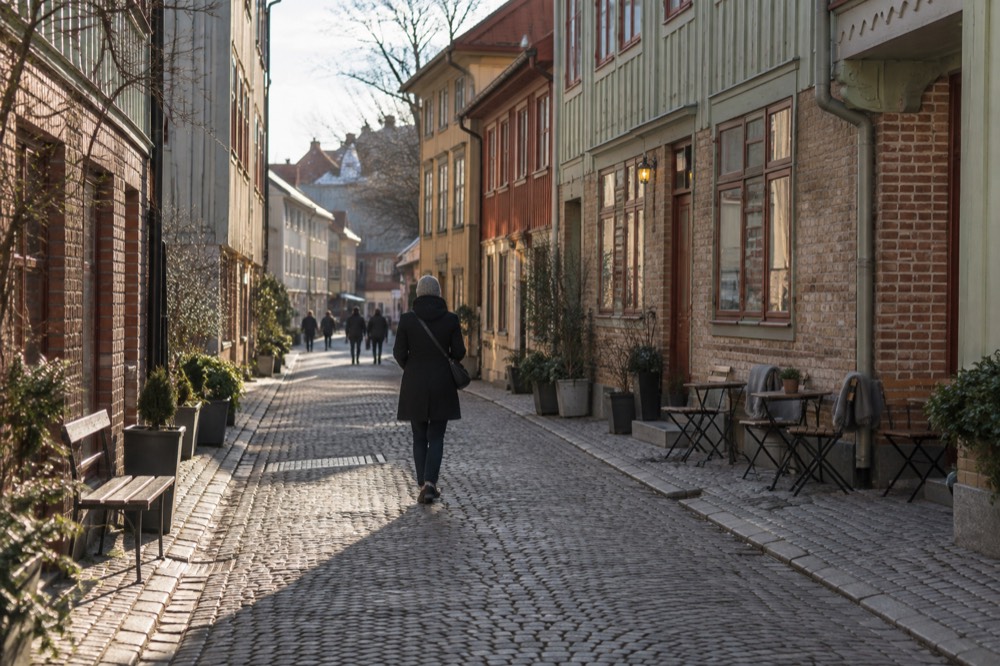
Linné, around Linnégatan and the Långgatorna cross-streets, is where the evening scene concentrates. This is the strip where dinner turns into bar-hopping, and the Linné and Långgatorna guide maps it. Majorna, one tram stop further west, is the second-hand quarter with a slower, local-facing food culture; the Majorna guide has the detail.
| Neighbourhood | Food character | Best time to go |
|---|---|---|
| Haga | Cafés, cinnamon buns, old-quarter atmosphere | Morning fika, weekend afternoons |
| Linné / Långgatorna | Densest restaurant and bar strip | Evenings, late nights |
| Majorna | Smaller kitchens, local pace | Lunch, early dinner |
| Vasastan | Student cafés, bakeries | Weekday mornings |
| Avenyn / Götaplatsen | Larger restaurants, hotel dining | Evenings, pre-theatre |
| Inom Vallgraven (centre) | Market halls, canal-side lunch | Weekday lunch |
The tram network ties all of this together, and a single Zone A ticket covers every neighbourhood above. The getting around guide explains the fares; the short version is that a 24-hour Zone A ticket costs 125 kr and the tram reaches everything in this table. One planning note: the temporary state subsidy that halves 30-day Västtrafik tickets does not apply to the 24-hour and 72-hour tickets visitors buy, so do not budget for a discount that is not there.
How Does Alcohol Work When You Eat Out in Gothenburg?
Beer above 3.5% ABV, all wine and all spirits are sold only by Systembolaget, the state-owned retail monopoly, under Alkohollag (2010:1622) 1 kap. 8. Supermarkets sell only folköl, beer between 2.25% and 3.5%, so the supermarket version of a strong beer brand is often a 3.5% reformulation. Restaurants and bars serve full-strength alcohol for on-premises drinking.
This is the rule that catches visitors who buy beer for their hotel room and find it tastes weaker than expected. The statute is exact: beer over 2.25% but not over 3.5% is folköl and appears on supermarket shelves; anything over 3.5% is starköl, and starköl, wine and spirits are retail-sold only by the monopoly. The Swedish statute book publishes the full text, and the same statute, 5 kap. 1-2, establishes that only the wholly state-owned monopoly may retail these drinks at all.
For restaurant eating, none of this matters: licensed restaurants pour full-strength drinks normally. It matters for picnics and hotel rooms. If you are assembling a market-hall picnic with wine, the wine comes from a Systembolaget shop, not from the market, and Systembolaget's store hours are set per store; the chain's own general hours page is not reliably quotable, so check the specific store. Sunday closing is near-universal in practice, but verify against the named store before planning a Sunday picnic.
The craft beer scene sidesteps the rule at the bar level. The Craft Beer Walking Tour with Tastings runs 3 hours from $112 per person and has no reviews yet on its listing, which is real information about a new product rather than a warning sign. The Distillery Tour and Guided Tasting runs 1 hour 30 minutes from $56 per person, rated 5 from 3 reviews. For a longer version, the Craft Distillery Tour and Gin-Making Workshop runs 2 hours from $206 per person, also with no reviews yet.
What About Fika, and Where Does It Fit in a Food Day?
Fika is the Swedish coffee break with a pastry, taken mid-morning and mid-afternoon, and in Gothenburg it functions as a scheduled meal slot rather than a snack. The classic order is a kanelbulle (cinnamon bun) or another bakery pastry with filter coffee, and the city's café density in Haga, Vasastan and Linné means a fika stop is never more than a few streets away.
The habit has rules of etiquette attached, mostly unwritten: it is a sit-down pause, it is social by default, and it is separate from lunch rather than merged into it. The fika guide covers where to do it and how the custom works in practice.
For a food-focused day, fika slots in twice without crowding out meals: mid-morning in Haga between the wooden houses, and mid-afternoon in Vasastan or Linné between the market hall and dinner. Bakeries across the city sell the standard kanelbulle alongside seasonal variants, and the pricing runs from bakery-café levels at the low end to hotel-café levels at the top. Swedes do not treat fika as optional, and a visitor who skips it is not saving time so much as missing the meal slot where the city is most itself.
Is Gothenburg Good for Food Tours, and Which Are Worth Booking?
Yes, Gothenburg supports a real food-tour scene: a west-coast food walking tour from $144 per person rated 4.8 from 17 reviews, a fika walking tour from $93 rated 4.4 from 71 reviews, a shrimp and salmon cruise with live music from $95 rated 4.7 from 14 reviews, and a craft beer walk from $112 with no reviews yet. The formats split into walking tours, a boat-based meal, and drink-focused tastings.
The walking tours cover the central neighbourhoods and are the best fit for a first visit, because they combine eating with orientation. The shrimp and salmon cruise is the distinctive one: it moves the meal onto the water, which in a city built around its harbour and archipelago is the more local format. The distillery and gin-workshop options are for visitors whose interest runs to production rather than consumption.
| Tour | Format | Duration | From (per person) | Reviews |
|---|---|---|---|---|
| Swedish Westcoast Food Walking Tour | Walking, tastings | 3 hours | $144 | 4.8 from 17 |
| Guided Walking and Swedish Fika Tour | Walking, fika | 2 hours | $93 | 4.4 from 71 |
| Shrimp & Salmon Cruise with Live Music | Boat, meal | 3 hours | $95 | 4.7 from 14 |
| Craft Beer Walking Tour with Tastings | Walking, beer | 3 hours | $112 | No reviews yet |
| Distillery Tour and Guided Tasting | Distillery visit | 1h 30m | $56 | 5 from 3 |
All prices and ratings above come from the operators' live listings and are per person unless stated. Check availability on each listing before planning, because tour schedules in a seasonal city shift between summer and winter; the best time to visit guide explains the seasonal rhythm.
What Should a Realistic Eating Day Look Like?
A realistic eating day in Gothenburg runs: morning fika in Haga, lunch from a market hall counter at Stora Saluhallen or Feskekôrka, an afternoon pastry stop in Vasastan or Linné, and dinner along the Långgatorna strip or at a seafood kitchen, with the shrimp sandwich as the connective tissue that appears at least once. Two market halls, two fika stops and one proper dinner is a full but achievable day.
The sequencing matters because of geography. Haga, the centre, Linné and Majorna sit on a rough west-to-east line along the tram tracks, so the day walks itself if you start in Haga in the morning and drift east as it darkens. The two days in Gothenburg itinerary builds food into a full schedule, and the one day guide compresses it further.
Budget for the day using the is Gothenburg expensive guide, which prices a full trip rather than a single food day. The short food-specific version: the market halls are the cheapest way to eat the city's best ingredients, the shrimp sandwich is priced by the pile and can run high, and fika is the most affordable meal slot of the day. A family eating with children has a separate set of constraints, and the gothenburg with kids guide covers the child-friendly end of the restaurant scene.
If you want the harbour and the islands in the same trip as the food, the Gothenburg archipelago guide explains the tram-and-ferry route from Saltholmen, which is covered by the same ordinary Västtrafik ticket as the trams in this article. The islands themselves have their own small food culture in season, and a day out there pairs naturally with a seafood dinner back in the city the same evening.
Common Questions About Food in Gothenburg
What is the famous fish market hall in Gothenburg?
Feskekôrka, on Rosenlundsgatan, is the famous fish market hall, known as the Fish Church for its church-like shape. It reopened in 2024 as a food hall with five restaurants and two fish counters, in the year the 1874 building turned 150.
Is Feskekôrka still open?
Yes. It closed for renovation and reopened in 2024 as a food hall. It now contains the restaurants Haldis Kök, Pråmenaden, Victor von G, Lilla Åstol and Ekmans alongside the fish counters Ebbes Fångst and Flåtens Fiskhandel. Lilla Åstol is seasonal and reopens in spring.
What should I eat in Gothenburg?
The west-coast Kattegat specialities: a shrimp sandwich (räkmacka), langoustines, salmon and mussels, plus a proper fika with a cinnamon bun. The two market halls, Feskekôrka and Stora Saluhallen, are the best places to encounter the raw ingredients and the cooked versions side by side.
Can I buy beer in a supermarket in Gothenburg?
Only beer at or below 3.5% ABV, called folköl. Anything stronger, plus all wine and spirits, is sold only at Systembolaget, the state monopoly, under Swedish alcohol law. Restaurants and bars serve full-strength drinks normally.
Which neighbourhood is best for restaurants?
Linné and the Långgatorna strip have the densest run of restaurants and bars. Haga is best for cafés and fika, Majorna for smaller local kitchens, and the area around Avenyn for larger restaurants and hotel dining.
Are food tours in Gothenburg worth it?
For a first visit they combine eating with orientation. The west-coast food walking tour runs 3 hours from $144 per person and is rated 4.8 from 17 reviews, and the fika walking tour runs 2 hours from $93 rated 4.4 from 71 reviews, both on the operators' live listings.