Haga: Gothenburg's Wooden Old Quarter, Sweden
Haga is the one part of Gothenburg where the city's seventeenth-century working-class past survives in wood and cobblestone, a ten-minute walk from the modern centre.
Short answer
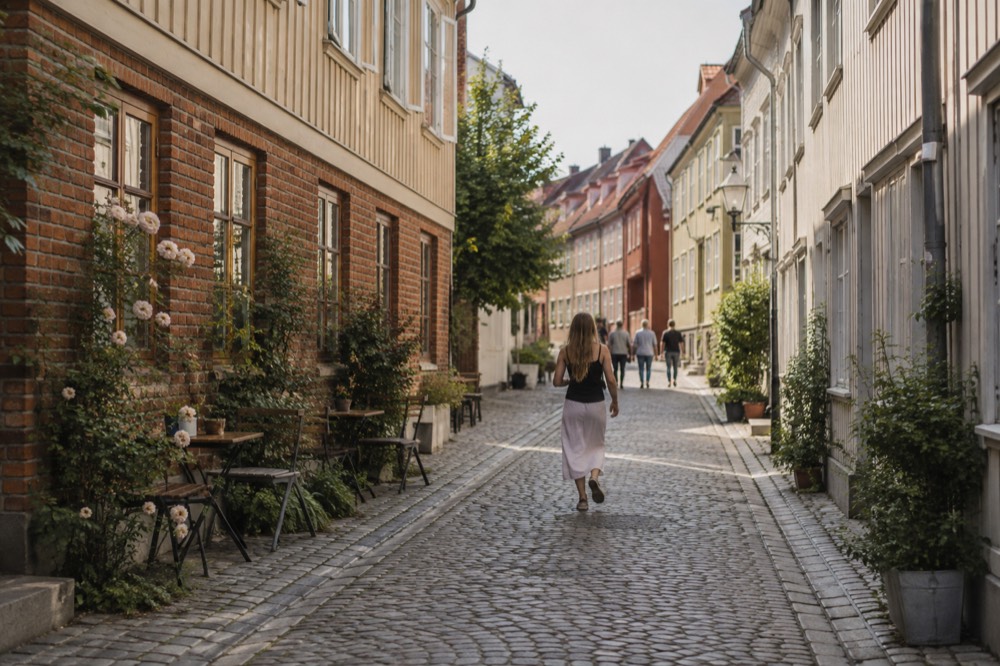
Haga is Gothenburg's oldest preserved neighbourhood, built as a working-class district outside the old city moat and saved from demolition in the late twentieth century. Its low wooden houses, cobbled lanes, Haga Nygata shopping street and the Skansen Kronan hilltop fort make it the city's most walkable quarter, and it costs nothing to explore.
Haga is the quarter most visitors to Gothenburg remember, and the reason is material: it is built of wood. Almost everything else in central Gothenburg is granite, brick and concrete, but Haga's streets are lined with low timber houses painted in the muted ochres, reds and greens of the Swedish west coast tradition. The neighbourhood sits on the slope below Skansen Kronan, one of the city's old hilltop forts, and it reads as a village that the modern city grew around rather than a district the city planned. This guide from Gothenburg Travel Guide covers what Haga is, how to reach it, what to see, where to eat, and how it fits into a longer Gothenburg itinerary.
What Is Haga in Gothenburg, Sweden?
Haga is Gothenburg's oldest surviving residential neighbourhood, laid out in the seventeenth century as a working-class suburb outside the city's fortified moat, and it is the only sizeable part of the central city where the original low wooden and landshövdingehus buildings still stand. Saved from demolition in the late twentieth century and restored, it is now a protected quarter of cobbled lanes, independent shops and cafés about ten minutes on foot from the city centre.
The Dutch engineers who laid out Gothenburg in the seventeenth century built the town inside a moat, and everything outside that line was suburb. Haga was one of those suburbs, and for most of its history it housed the people the walled city did not want inside it: workers, sailors and the poor. The buildings that survive reflect that. They are small, they are timber-framed, and they were cheap to build.
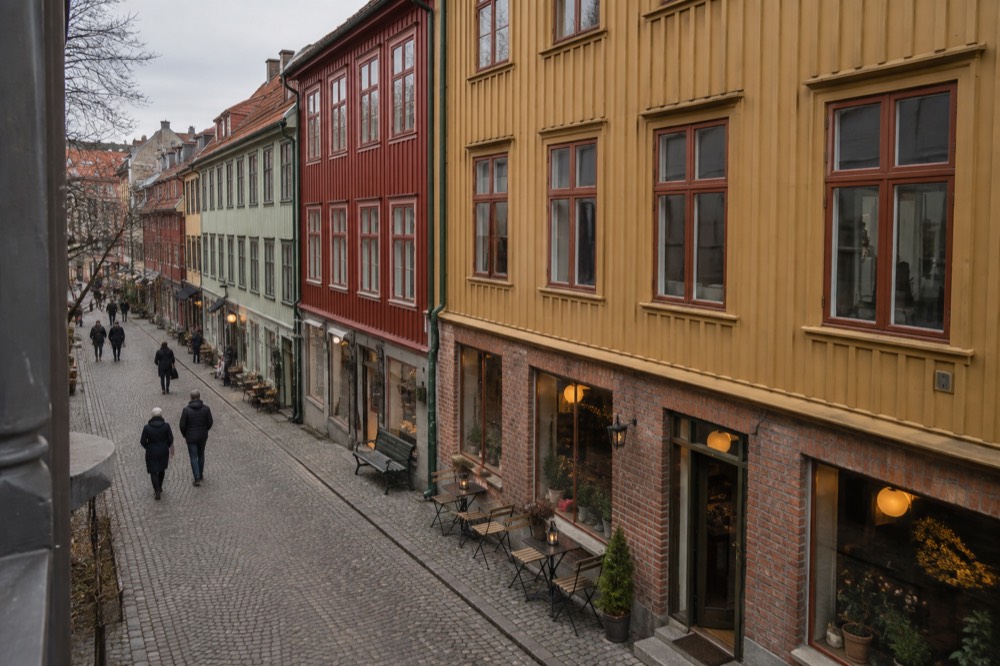
The building type that defines the quarter is the landshövdingehus, a distinctly west-Swedish form: one storey in wood, usually two more in brick or stone above. The wooden ground floor was a workaround for fire rules that banned timber construction in the city proper, and the result is a streetscape found almost nowhere else at this scale. Haga has the densest concentration of them in Gothenburg.
By the mid-twentieth century Haga had become run down, and the city's postwar plan was to demolish it and rebuild in concrete, as had already happened to large parts of central Gothenburg. The demolition began and then stopped. The preservation fight of the late twentieth century is one of the most consequential in Swedish urban history, and it is why the quarter exists at all today. What you walk through now is a restored working-class district, not a museum reconstruction.
That history matters for how you read the place. Haga today is calm, polished and full of visitors, but the streets were built narrow because land was cheap and space was tight, and the houses were built small because their residents were not. The quarter's character comes from that tension between what it was and what it is.
How Do You Get to Haga from Central Gothenburg?
Haga is a ten to fifteen minute walk from Gothenburg's central station area and needs no transport at all from most central hotels, but if you are coming from further out, the tram network reaches it directly: several lines stop at Hagakyrkan or Järntorget on the boundary of the quarter, and a single adult one-zone Västtrafik ticket costs 38 kr, with a 24-hour Zone A ticket at 125 kr.
The practical answer for most visitors is simply to walk. Haga sits immediately west of the canal ring, below the Skansen Kronan hill and above Järntorget. From Brunnsparken in the absolute centre, you follow the canal west and you are in the wooden streets within a quarter of an hour. The walk itself is part of the point, because the transition from stone city to timber suburb happens over a few blocks.
If you are staying further out, or arriving from Landvetter airport via the airport coach into the city centre, the tram is the tool. Västtrafik's fare structure is zone-based, and the whole of Gothenburg including Haga is Zone A. The fares a visitor actually buys are listed below; note that the heavily advertised halving of Västtrafik ticket prices applies only to 30-day period tickets under a temporary state subsidy, not to the single or day tickets a tourist purchases.
| Ticket | Adult price | Notes |
|---|---|---|
| Single, 1 zone | 38 kr | Valid 90 minutes, covers tram, bus and ferry |
| 24-hour, Zone A | 125 kr | Same price in app or shop; covers the southern archipelago ferries too |
| 30-day, Zone A | 445 kr (temporarily halved from 890 kr) | State subsidy, valid through year end |
| Youth single, 1 zone | 29 kr | Ages 7-19 |
Full fare and zone detail is on the transport authority's own pages, single-ticket prices are on Västtrafik's fare page, and our wider guide to trams, tickets and zones in Gothenburg explains how the system works for a short visit. One thing not to plan for: there is no metro, and no rail station at Haga. The tram is the spine of the network.
The two stops that matter are Hagakyrkan on the eastern edge, by the Haga Church, and Järntorget on the south side, the old iron-trade square that now anchors the boundary between Haga and the Linné district. Either drops you straight into the quarter.
If you prefer someone else to handle the orientation, the guided options below cover Haga directly.
A guided walk is not the only way in, but it is the way that answers questions. The Haga Old Town Walking Tour runs an hour and a half with a local guide, and the listing shows a 4.6 rating across 248 reviews, which is one of the larger review bases among the city's walking tours. For a self-guided day, the same ticket that brings you in by tram also carries you out to the islands later, which is worth knowing before you buy.
What Should You Actually See in Haga?
The four things that define a Haga visit are Haga Nygata, the quarter's stone-set pedestrian shopping street; the landshövdingehus rows on the surrounding lanes; Skansen Kronan, the old hilltop fort that gives the quarter its skyline view; and the Haga Church, whose tall spire anchors the eastern edge of the district. All four are free to see, and all sit within a compact ten-minute walking radius.
Haga Nygata is the spine. It runs the length of the quarter as a pedestrianised lane of small shopfronts, cafés and craft stores, set with rounded cobblestones rather than flat paving. The buildings on it are the restored wooden houses of the old suburb, and the street reads as what it is: a working-class high street that gentrified gently rather than being rebuilt. Most of the quarter's cafés open onto it or onto the lanes just off it.
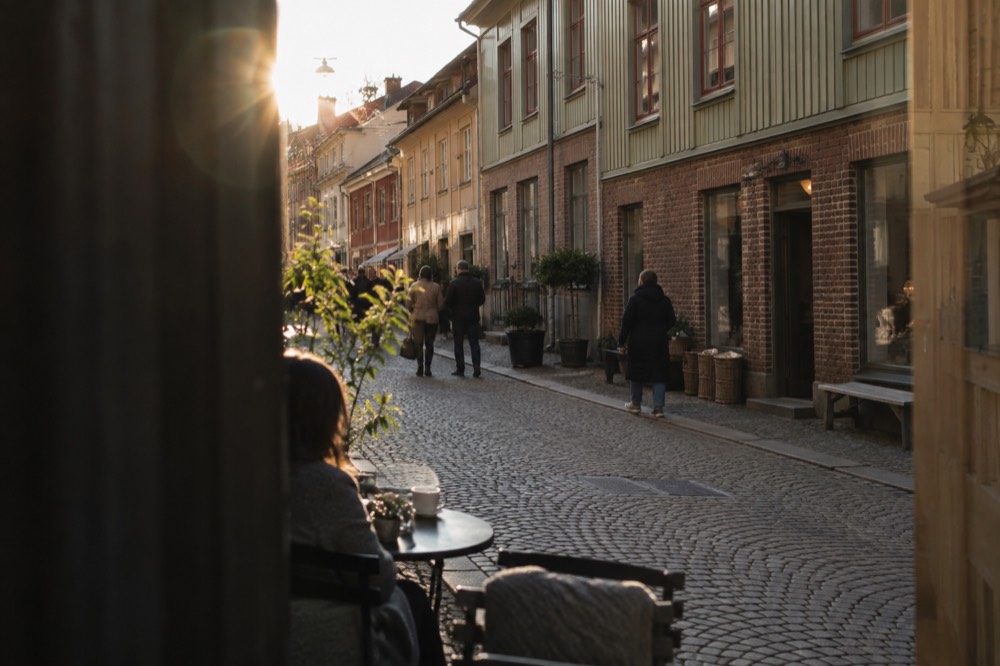
The lanes either side repay wandering. The streets to the north of Haga Nygata climb the hill, and the ones to the south drop toward Järntorget, and the landshövdingehus rows survive best on those slopes. There is no single "must-see" address; the quarter is the sight. Give it an unhurried hour of walking without a destination and you will have seen the substance of it.
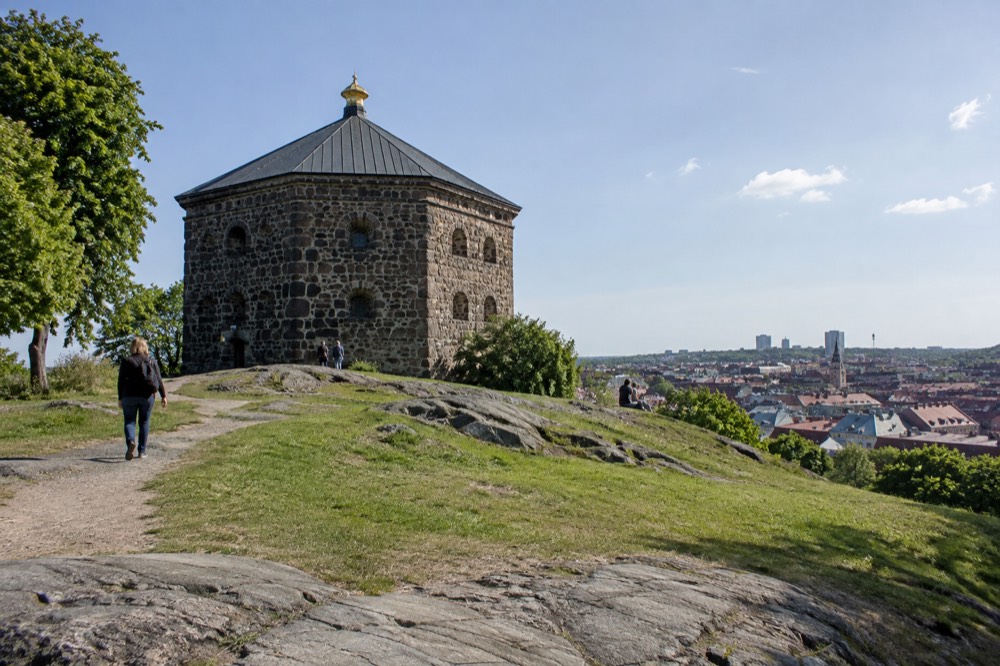
Skansen Kronan is the exception, because it is a destination. The fort crowns the hill above Haga and was built as part of the city's outer defences, alongside its sibling Skansen Lejonet across the river. The climb from Haga Nygata is short and steep, and the reward is one of the best roof-level views over the rooftops of the quarter and out over the city toward the river mouth. Our fuller guide to Skansen Kronan and Gothenburg's hilltop forts covers the hill's history and what the view takes in.
The Haga Church, at the eastern edge, is the tall-spired landmark you will have seen from the centre before you ever arrive in the quarter. Its lawn is where the annual Haga street life spills over in summer.
For orientation, the table below compresses the quarter into its walkable parts:
| Sight | What it is | Time needed | Cost |
|---|---|---|---|
| Haga Nygata | Pedestrian shopping street, cafés, craft shops | 30-60 min | Free |
| Landshövdingehus rows | Wooden-and-brick historic housing on the side lanes | 20-40 min | Free |
| Skansen Kronan | Old hilltop fort and city viewpoint | 30-60 min | Free |
| Haga Church | Tall-spired church on the eastern edge | 10-15 min | Free |
| Järntorget | Historic square at the southern boundary | 10 min | Free |
If you want the history unpacked rather than absorbed from street signs, the walking tour below is built for exactly that, and the operator's live listing carries current availability.
The tour covers the quarter in about 90 minutes with a guide who lives with the stories, and bookings can be cancelled without charge if your plans shift, which matters in a city where the weather can change an itinerary in an hour. For travellers who would rather move at their own pace, the same sights work perfectly well self-guided, and the free walking options in the city, including the GuruWalk tip-based tours listed elsewhere on this site, pass through or near the quarter.
Where Do You Eat and Take Fika in Haga?
Haga is Gothenburg's densest concentration of classic fika cafés, and the quarter's signature item is the oversized cinnamon bun, the hagabullen, baked larger than a hand and served in cafés along Haga Nygata and its side lanes. A fika stop here is a sit-down ritual, not a takeaway, and the cafés are the reason many visitors come at all.
Fika, the Swedish coffee-and-pastry break, has its own logic and its own timing, and Haga is the place in Gothenburg where the ritual is most visible. Our full guide to fika in Gothenburg, how it works and where to do it explains the custom, but the short version is this: it is a mid-morning or mid-afternoon pause, it involves coffee and something baked, and it is a social institution rather than a snack.

The cafés of Haga Nygata are small, wooden-floored and often crowded by midday in high season. The giant cinnamon bun is the item the quarter is known for, and you will see it in most windows. Prices vary by café, so check the counter before you commit, but as a planning range expect a coffee and a bun together to be a modest rather than a major line in a Gothenburg budget. For context on what the city costs overall, see our breakdown of where to eat in Gothenburg.
Beyond fika, Haga's food offering is mostly small and independent: bakeries, a handful of bistros and the kind of neighbourhood restaurants that survive on regulars. The quarter is not a dinner destination the way the Linné strip is, and visitors staying for the evening usually drift one square south. For that scene, our guide to Linné and the Linnégatan strip covers the bars and restaurants that begin where Haga ends.
One honest caveat: Haga's popularity means the main street can feel like a corridor of other visitors in July. The side lanes, the hillside streets and the early morning are where the quarter still feels local. Arrive before ten and you will largely have the cobbles to yourself and the café queues will be short.
Is Haga Free to Visit?
Yes, Haga itself costs nothing: the streets, the wooden houses, the climb to Skansen Kronan and the view from the top are all free to walk and free to enter, and unlike most of Gothenburg's attractions the quarter has no gate, ticket or entry point at all. Your only real costs are coffee, food and whatever you buy in the shops along Haga Nygata.
This matters more than it sounds. Gothenburg is a city where the headline attractions charge: Liseberg's entry ticket from 95 kr buys no rides, Universeum prices dynamically and sells timed slots, and the museum landscape is a mix of paid and free. Haga, along with the Slottsskogen park and its free zoo, is one of the anchors of the city's no-cost itinerary. A full morning in the quarter, hill climb included, costs a tram ticket at most.
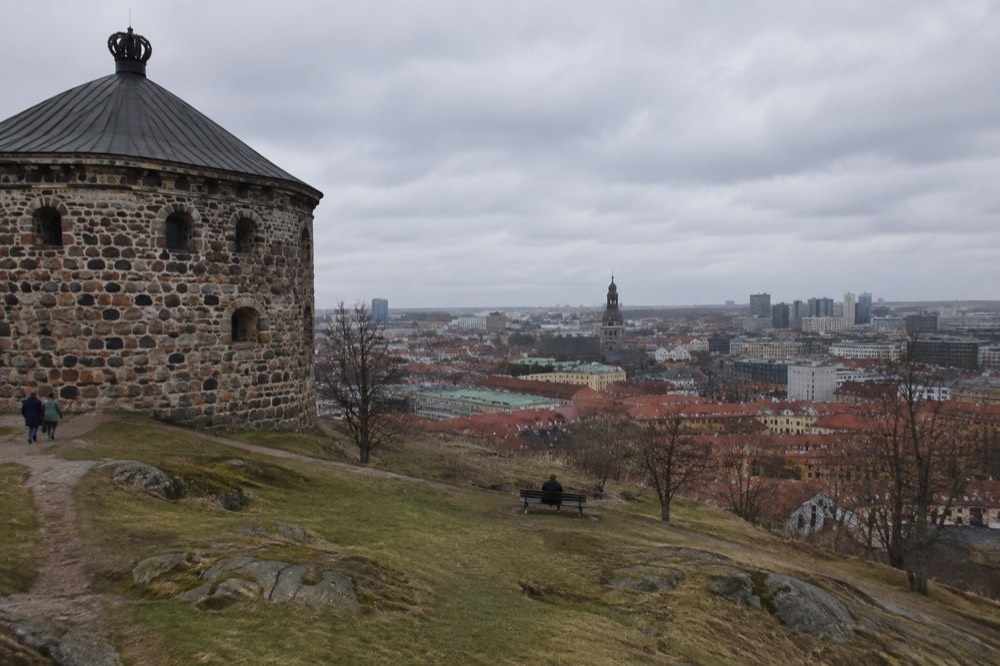
For budget travellers, the quarter pairs naturally with other free ground. The walk down from Skansen Kronan can continue east through the Garden Society of Gothenburg, whose parkland is open to walk, and the riverfront along the Göta älv costs nothing either. Our roundup of free things to do in Gothenburg assembles the full list.
The only way the quarter becomes a paid experience is if you choose to make it one. The guided walks below add cost and add context, and the sightseeing options that pair well with Haga are listed for comparison.
The listing for that walk shows a 4.6 rating from 248 reviews, with a duration of an hour and a half. If a guided walk of Haga is the one paid item on an otherwise free day, it is a reasonable allocation: the quarter's story, from old suburb to demolition threat to protected district, is the part a self-guided visitor misses most.
How Does Haga Compare with Gothenburg's Other Old Quarters?
Haga is the wooden quarter, and that distinguishes it from every other historic district in Gothenburg: Klippan is the old harbour village on the river, Vasastan is the stone city of the nineteenth-century expansion, Majorna is the dockworkers' second-hand quarter further west, and the Inom Vallgraven core inside the old moat is stone and commerce rather than timber and homes. Haga is the only one of the five that was a working-class suburb outside the city walls.
The comparison is worth making because first-time visitors often treat "old Gothenburg" as one thing. It is several. The table below separates the historic quarters by what they actually are:
| Quarter | Character | Building type | Main draw |
|---|---|---|---|
| Haga | Restored working-class suburb | Wooden houses and landshövdingehus | Streets, fika, Skansen Kronan view |
| Inom Vallgraven | The original walled city | Stone and brick, historic | Cathedral, canal, commerce |
| Vasastan | Nineteenth-century stone expansion | Stone apartment blocks | Cafés, student life |
| Klippan | Old harbour village on the Göta älv | Timber and stone, industrial past | Waterfront history |
| Majorna | Dockworkers' district turned vintage quarter | Landshövdingehus and timber | Second-hand shops, local bars |
Each has its own guide on this site: Vasastan's stone streets and student cafés, Majorna's second-hand quarter and Klippan and the old harbour village are the closest in spirit to Haga, and all three sit within a short tram ride or a walkable distance of it. If you enjoy Haga's scale and its timber architecture, Majorna is the natural next stop west, and it shares the same building tradition with fewer visitors.
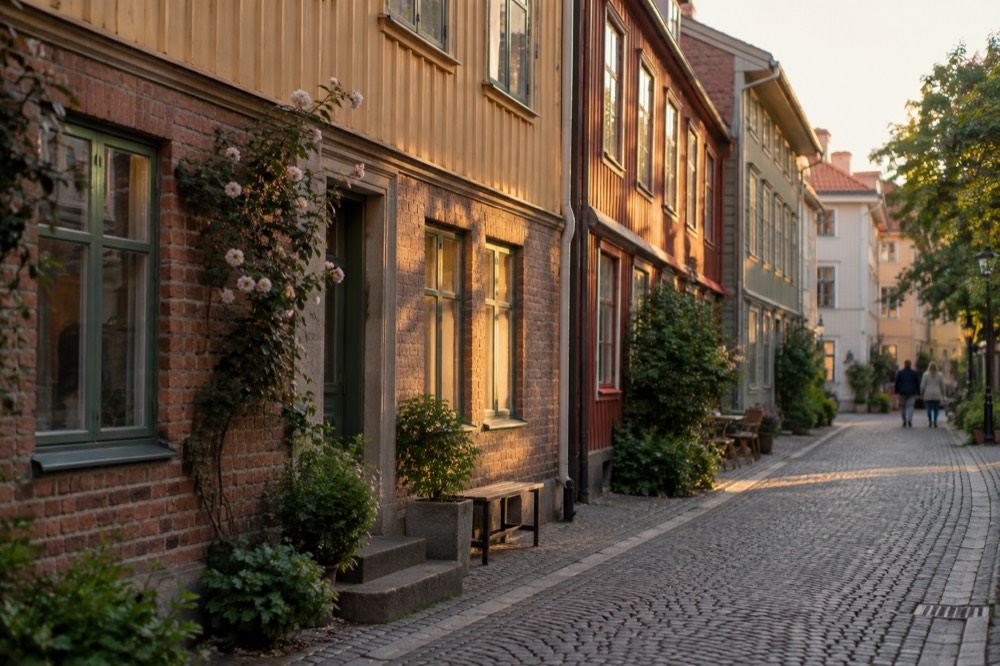
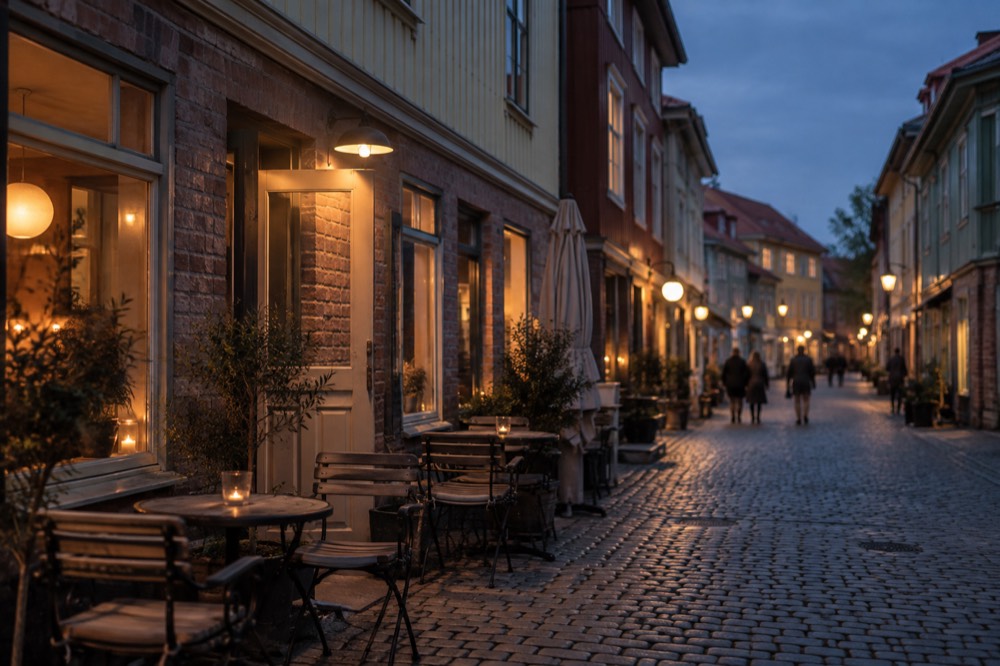
The distinction also explains the quarter's mood. Haga is residential at heart: the ground floors are shops and cafés but the upper floors are homes, and the streets empty of commerce by early evening. It is a morning and afternoon place, and the evenings belong to the districts around it.
How Does Haga Fit Into a Longer Gothenburg Itinerary?
Haga deserves a half day at minimum, and it slots most naturally into the first full day of a Gothenburg trip: pair a morning in the quarter with the Skansen Kronan climb before lunch, then walk east into the Garden Society or south to Järntorget and the Linné strip in the afternoon, which is exactly how our two-day itinerary sequences it. In a one-day visit, Haga is the one quarter that should not be cut.
The sequencing logic is simple. Haga is west of centre, the Garden Society and the canal district are east, and Järntorget and Linné are immediately south, so the quarter sits at the start of a natural west-to-east walking day. Our two days in Gothenburg itinerary builds on that axis, and the three-day version adds the archipelago, which is the other half of what makes this city unusual.
Season changes the plan more than the map does. In summer, Haga's outdoor café tables and the hill climb make it a full morning. In winter, the quarter's small interiors are the point, and the Gothenburg Christmas market season brings its own crowds to the cobbles. Our guide to the best time to visit Gothenburg has the month-by-month detail, including the fact that April, not summer, is the driest month in the city's rainfall record.
For the second half of a Haga day, the sightseeing options below cover the city from the water, which is the other angle Gothenburg rewards.
The Paddan cruise, in that list, runs two hours on the river Säveån and the city canals and carries a 4.6 rating from 105 reviews on its listing, which makes it a steady choice for the afternoon after a Haga morning. The Old Town sightseeing tour, 40 minutes at 4.6 from 200 reviews, is the compressed version for tight schedules. Bookings for all three carry free-cancellation terms, so the weather decision can be made late.
Common Questions About Haga in Gothenburg
What is Haga in Gothenburg known for?
Haga is known for its preserved wooden houses and landshövdingehus rows, its pedestrianised Haga Nygata shopping street, its oversized cinnamon buns served at fika, and the Skansen Kronan hilltop fort above the quarter. It is Gothenburg's oldest surviving residential neighbourhood.
How far is Haga from central Gothenburg?
Haga is roughly a ten to fifteen minute walk from the central Brunnsparken area. It needs no transport from most central hotels, and by tram it is one or two stops from the city core, with Hagakyrkan and Järntorget as the stops on its edges.
Is Haga free to visit?
Yes. The streets, the wooden architecture, the Haga Church and the climb to Skansen Kronan with its city view are all free. Your only costs are cafés, food and shopping along Haga Nygata.
What is a landshövdingehus?
A landshövdingehus is a west-Swedish building type with a wooden ground floor and stone or brick upper storeys, developed as a response to fire regulations that banned all-timber construction. Haga has the densest concentration of them in Gothenburg.
When is the best time of day to visit Haga?
Mid-morning is the sweet spot: the cafés are open, the quarter is fully awake, and the heaviest visitor traffic has not yet arrived. Early morning is quietest; late afternoon suits a fika stop as the shops begin to close.
Can you see Haga on a guided tour?
Yes. The Haga Old Town Walking Tour covers the quarter with a local guide in about an hour and a half, and the city's free, tip-based GuruWalk tours also pass through or near the district. Check the operator's live listing for current times and availability.