Two Days in Gothenburg, Sweden: A Realistic 48-Hour Itinerary
Two days is enough for the canal, Haga, Feskekôrka and a car-free archipelago island, if you plan the geography before you arrive.
Short answer
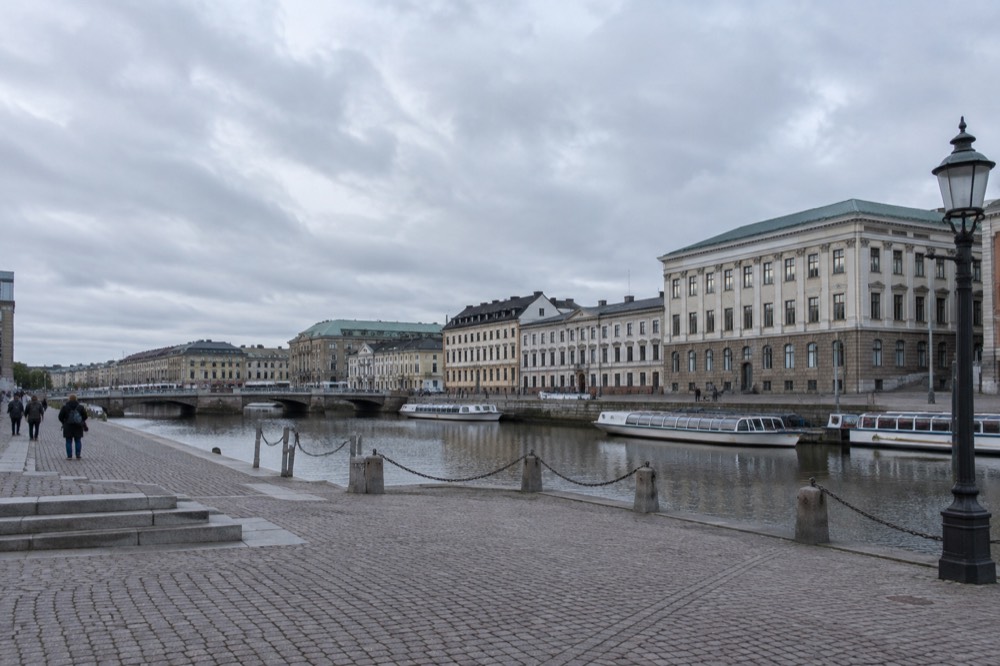
Spend day one inside the moat on foot: the canal cruise, Haga, Feskekôrka and Avenyn. Spend day two on the water: tram to Saltholmen, ferry to Styrsö or Brännö on the same ticket, then Liseberg or Universeum in the afternoon if the season allows.
Gothenburg sits at the mouth of the Göta älv, laid out by Dutch engineers inside a moat that still traces the old town, and its tram network carried 126 million journeys in 2025, according to Göteborgs Spårvägar. That combination, a compact old core plus a tram that runs all the way to the archipelago ferry terminal at Saltholmen, is what makes two days genuinely enough here. The city recorded over 6 million commercial guest nights in 2025, a record year per Göteborg & Co, so the crowds are real but the geography still works in your favour.
This itinerary assumes you sleep centrally, buy one Västtrafik day ticket, and walk more than you expect. The order matters: day one stays inside the city, day two goes out to sea, because the sea is the part of Gothenburg most visitors under-book. If you have less time, one day in Gothenburg trims this down, and three days in Gothenburg adds the museum quarter properly.
Timing your arrival matters too. Daylight in Gothenburg swings from 6 hours 32 minutes on 21 December to 18 hours 06 minutes on 21 June, a difference of over eleven hours between the solstices, per the US Naval Observatory's tables for the city's latitude of 57.7 degrees north. A winter visitor gets a short, grey window for the outdoor half of this plan; a June visitor has usable light past ten in the evening. Plan day two, the island day, for whichever of your two days carries the better forecast, and keep the museum-heavy half of day one for the grey one.
Is Two Days in Gothenburg Enough?
Two days is enough to see the canal, Haga, Feskekôrka, the harbour and one archipelago island, because the southern islands sit inside the city's own transport zone and a single 125 kr day ticket covers tram and ferry together. Two days is not enough for Liseberg plus Universeum plus a museum day plus the archipelago, so pick one island day or one theme-park day, not both.
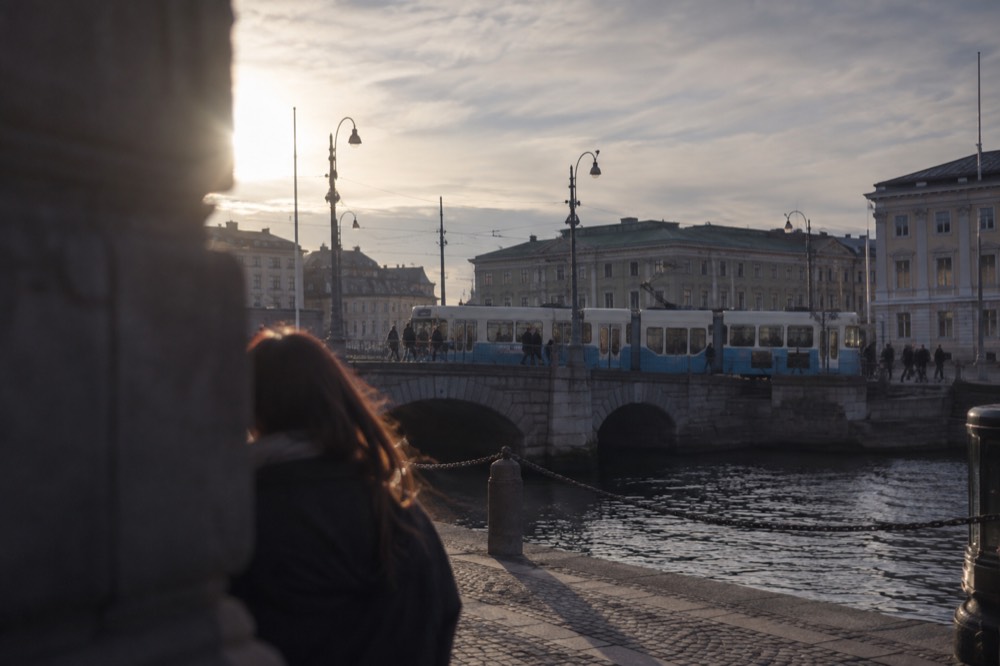
The arithmetic is honest. The old town inside the moat is walkable end to end in twenty minutes. The tram takes you from Göteborg Centralstation to Saltholmen, the ferry terminal, on the same ticket you used that morning. What two days cannot absorb is the full attraction stack: Liseberg alone, with its separate entry and ride pricing, eats half a day, and the museum quarter around Götaplatsen deserves its own afternoon.
The other constraint is seasonal. Liseberg's summer season in 2026 runs 18 April to 20 September, with Halloween 2 October to 1 November and the Christmas market 14 November to 23 December, per liseberg.se's own ticket page. Arrive in late January and the park is shut. The archipelago, by contrast, runs every day of the year on ordinary Västtrafik tickets, which makes it the safer anchor for day two in the off-season.
If you are weighing a longer stay, five days in Gothenburg and West Sweden stretches to Marstrand and the Bohuslän coast. For now, here is the 48-hour version.
Day One Morning: The Canal, Feskekôrka and Haga
Start at the canal: the 50-minute sightseeing cruise from Kungsportsplatsen gives you the moat, the old harbour and the operating docks in one loop, and from there it is a ten-minute walk to Feskekôrka, the fish-church food hall, then uphill into Haga's wooden quarter. Do all three before lunch and you have covered the city's oldest layer.
The canal boats, including the Paddan tours, leave from Kungsportsplatsen, where the 17th-century moat begins. The route passes under low bridges, so sit down when the crew says so. Bookings for the guided cruises run through the operators' live listings; a guided archipelago cruise is listed from $44 per person with a 4.4 rating across 1,488 reviews, if you would rather see open water than the canal.
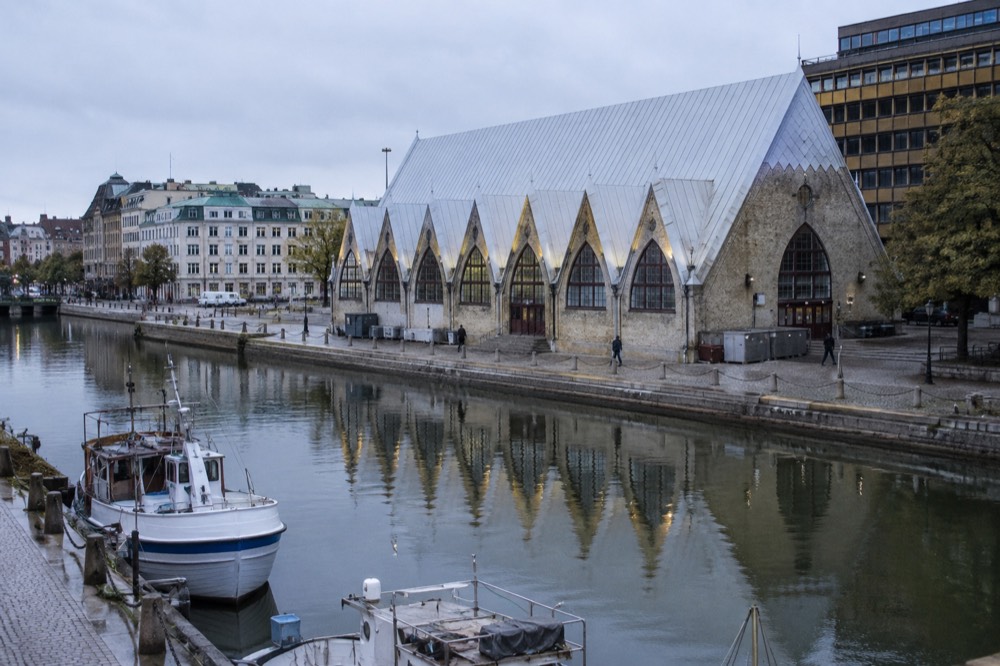
Feskekôrka, the fish market hall that looks like a church, reopened in 2024 after renovation, according to Higab, the municipal property owner, and it is a food hall now rather than a fish counter alone. Its own site lists two fish counters, Ebbes Fångst and Flåtens Fiskhandel, and five restaurants: Haldis Kök, Pråmenaden, Victor von G, Lilla Åstol and Ekmans. The building turned 150 in the same year it reopened, which tells you how old the institution is. A shrimp sandwich here is the classic Gothenburg breakfast-lunch, and where to eat in Gothenburg covers the full seafood scene, from shrimp sandwiches to oyster safaris on the Bohuslän coast.
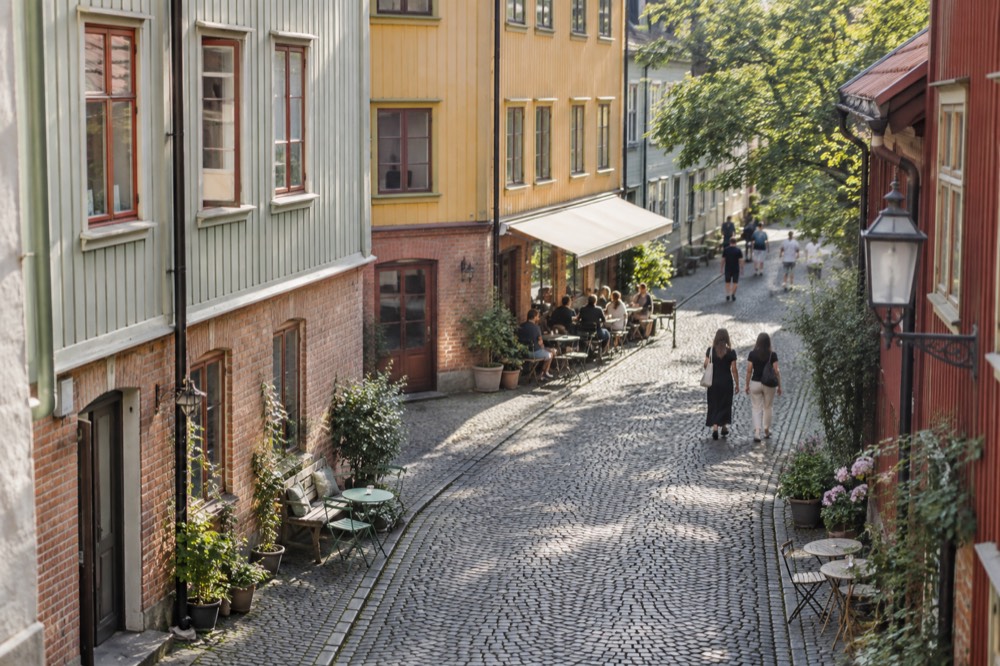
From Feskekôrka it is a short walk up into Haga, the wooden-house quarter where the landshövdingehus style, one stone storey under two wooden ones, was invented to dodge fire rules. The main street, Haga Nygata, is lined with bakeries and second-hand shops, and the whole district reads as the city's 19th-century working-class core preserved in paint and timber. Café Husaren's oversized cinnamon bun, the hagabullen, is the neighbourhood's signature pastry, and fika in Gothenburg explains the ritual around it. For more depth on the district, see Haga, Gothenburg's wooden old quarter.
A Realistic Day-one Timeline
| Time | What | Where |
|---|---|---|
| 09:00 | Canal sightseeing cruise | Kungsportsplatsen |
| 10:15 | Feskekôrka food hall, shrimp sandwich | Rosenlundsgatan |
| 11:30 | Haga Nygata, cinnamon bun | Haga |
| 13:00 | Skansen Kronan hilltop fort view | Haga's back streets |
| 14:30 | Tram 3 or 4 to Avenyn and Götaplatsen | City centre |
Skansen Kronan, the hilltop fort above Haga, is free to walk up to and gives the best single view of the roofscape. It costs you forty minutes and no money, which is the right price for a viewpoint. The climb is steep but short, and the fort's platform puts the whole moat-and-canal layout of the old town below you in one glance, which is the moment the Dutch engineering finally makes sense on a map you are standing inside.
Day One Afternoon: Götaplatsen, Konstmuseum and the Harbour Edge
Götaplatsen's museums sit in one block: Göteborgs konstmuseum charges 75 kr for a day ticket and is free for anyone under 20, the Röhsska design museum is a few streets away, and from there the tram takes you down Avenyn to the harbour at Stenpiren in under fifteen minutes. Do the art museum or skip it, but do not skip the water.
The konstmuseum holds around 70,000 works and draws about 250,000 visitors a year, per its own figures, and the Hasselblad Center is included in the same ticket. One planning fact most guides miss: the museum closes in 2028 for a rebuild and reopens in 2032, per its own renovation page, and it currently warns of intermittent blasting near the building. If you are visiting before the closure, the Nordic collection on the upper floors is the one to prioritise. The museum is closed on Mondays, so a Monday arrival pushes this stop to day two's afternoon slot.
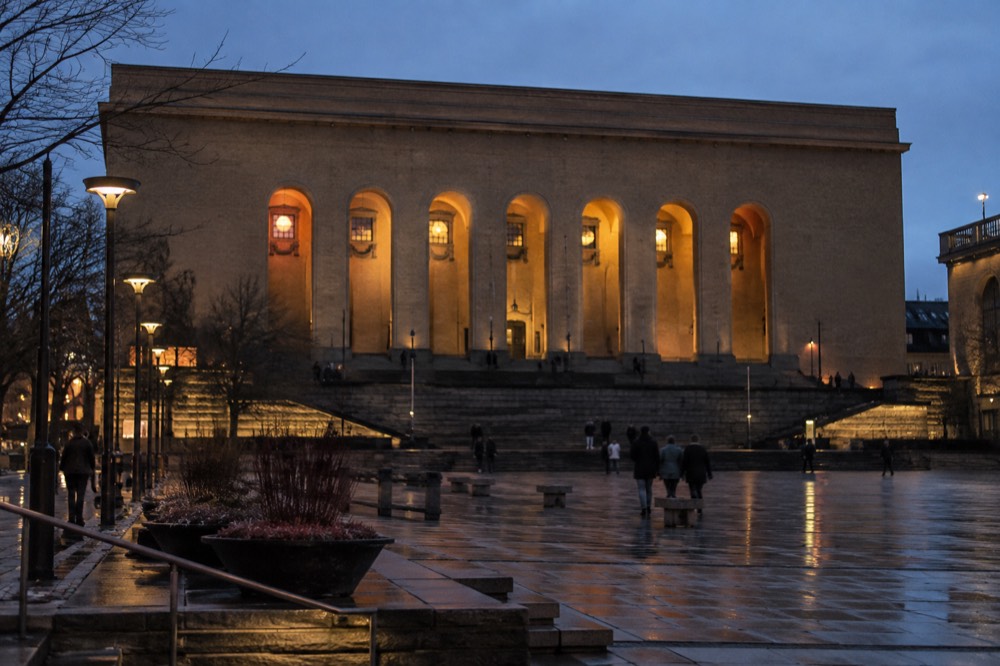
Avenyn, the parade avenue running down from Götaplatsen, is Gothenburg's widest street and its most ordinary one. Walk it once for the scale, then get off it. The harbour edge at Stenpiren is more interesting than the avenue, and the floating ship museum moored along the quay lets you board historic vessels from destroyer to submarine at the water's edge. The harbour is also where the archipelago ferries dock on the city side in winter, when the operator runs its sightseeing runs closer to home.
For dinner, the Linné and Andra Långgatan strip west of Avenyn is where the bars and cheaper kitchens concentrate. Craft beer is a genuine Gothenburg speciality, with a cluster of small breweries and specialist bars in the Majorna and Linné districts. One legal note worth knowing before you order: beer above 3.5% ABV is sold only through Systembolaget, the state monopoly, under Alkohollag (2010:1622), so a supermarket's "strong" brands are often 3.5% reformulations of the same beer. That is why the shelf version tastes weaker than the label suggests, and why bar prices carry the monopoly markup.
Day Two: The Archipelago on an Ordinary Tram Ticket
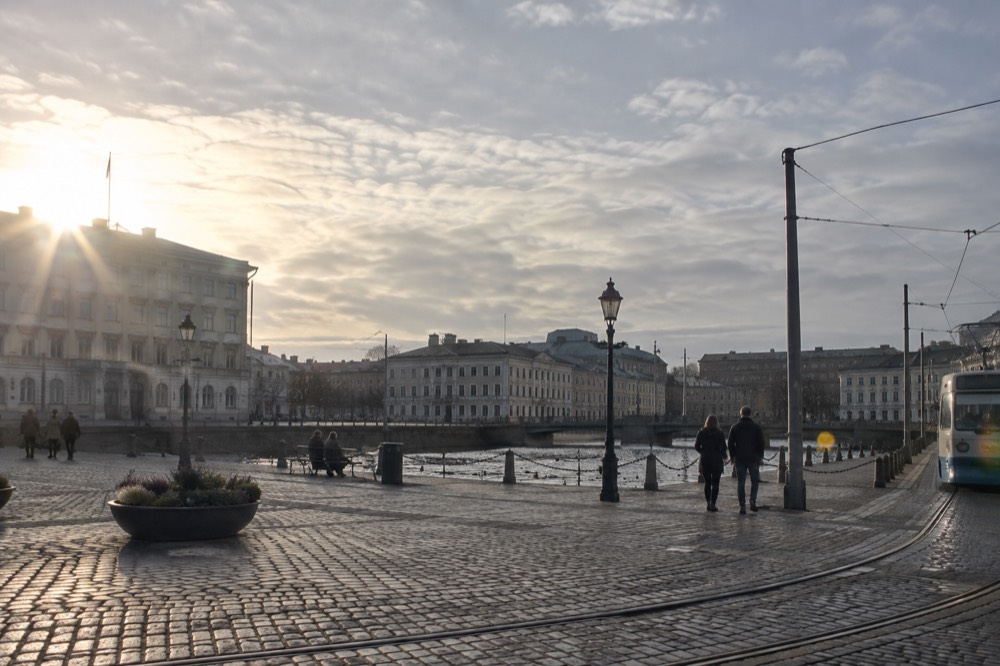
Take the tram to Saltholmen, then the Västtrafik ferry to Styrsö, Brännö or Vrångö: the islands are part of the city, inside Zone A, and the same 125 kr 24-hour ticket that paid for your tram covers the ferry too, because Västtrafik's own zone map includes the southern archipelago boats. Private cars are banned on the islands, so nobody is honking at you.
This is the best-value fact in the whole city. Västtrafik's Zone A ticket page defines the zone as Göteborg, Partille, Mölndal and Öckerö, and the operator's own network map shows the archipelago ferry lines inside it. The city's planning study states the islands are "fredade från biltrafik", protected from car traffic, with only taxi and emergency vehicles allowed. You ride a tram to the end of the line, walk onto a boat, and an hour later you are on a car-free granite island in the Kattegat. There is no additional ferry fare to budget.
Pick one island, not two. Brännö is the flattest and easiest, with a village core, meadow paths and swimming rocks on the south shore, and the crossing from Saltholmen is short. Styrsö is the biggest of the southern islands, with a small summer café scene and a ridge that gives a view back over the whole chain. Vrångö is the quietest and most southerly, with the longest walk from jetty to beach and the fewest services, which is exactly why people who know the archipelago go there. Donsö and Asperö sit between them, and Köpstadsö is the smallest of the served islands, little more than a hamlet with a jetty. All six are on the same ferry web from Saltholmen, so the choice is about pace, not access.
Swimming is the reason to go in summer, and the sea temperature data surprises people. SMHI's quality-controlled observations at the Vinga lighthouse station show the water peaks in August at 18.6°C, not July, and September water (16.7°C) is actually warmer than June water (16.2°C). A September dip is warmer than a June one, which is the opposite of what most visitors book. February is the coldest month at 2.7°C, with a record low of -1.2°C, legitimately below zero because brackish Kattegat water does not freeze at 0. If your two days fall in spring, note that April is the driest month of the year at 51.3 mm of rain across 8.2 wet days, per SMHI's 1991-2020 normals, so it is a fine month for the island walk even if the water is only 7.1°C.
If you would rather not manage ferry timetables, a guided archipelago cruise runs 2.5 hours from the city centre, from $44 per person, rated 4.4 across 1,488 reviews on the operator's listing. The guided version is the sensible call in winter, when island cafés close and the ferries thin out. There are also versions with lunch or with Swedish fika baked into the sailing, and a hot-rod island tour for visitors who want the archipelago with an engine under them.
Day Two at a Glance
| Time | What | Ticket |
|---|---|---|
| 09:00 | Tram to Saltholmen | 24-hour Zone A, 125 kr |
| 10:00 | Ferry to Brännö or Styrsö | same ticket |
| 11:00 | Island walk, swim or fika | free |
| 14:00 | Ferry and tram back | same ticket |
| 15:30 | Liseberg or Universeum (season permitting) | separate tickets |
Day Two Late Afternoon: Liseberg or Universeum?
Liseberg's entry ticket starts at 95 kr online but includes zero rides: unlimited rides need the Åkpass, from 310 kr, or the combined ticket from 365 kr, and the park is closed between seasons, roughly 21 September to 1 October, 2 to 13 November, and from late December to mid-April. Universeum is open every day of the year, 10:00 to 18:00, with dynamically priced timed entry and no fixed published adult price.
That entry/ride split at Liseberg is the fact visitors trip over. Liseberg's own ticket page states it plainly: the entry ticket gets you through the gate and onto nothing. If you only want to look at the gardens and eat a waffle, 95 kr is fine. If you want to ride, buy the combined ticket. Children under 110 cm enter free, evening tickets from 18:00 are cheaper, and online prices beat on-site ones. The park is not sold on any booking platform, only through its own site, and Liseberg rides, tickets and when to go carries the full price table and season calendar.
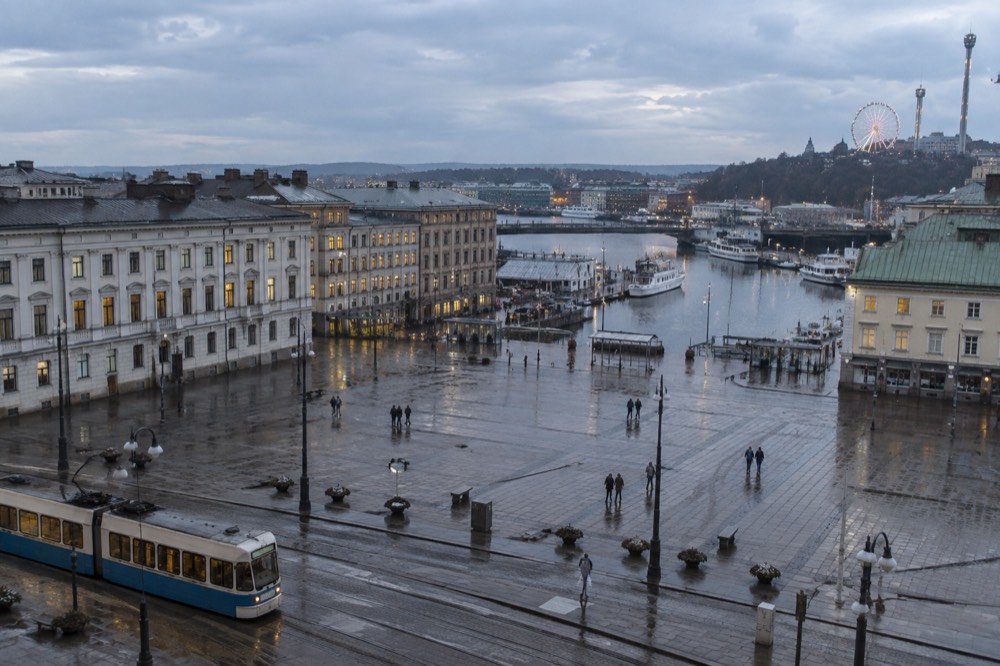
Universeum, the science centre with a rainforest and aquarium, is the rainy-day alternative and the one attraction that never closes. Its own ticket page says admission is dynamically priced with a booked time slot, that on-site costs online plus 30 kr, and that busy days sell out, so book ahead rather than turning up. The rainforest hall's free-flying birds and the shark tank are included in admission; the Wisdome dome shows are a separate ticket. It is a strong pick for families and works for adults too, since the rainforest hall alone justifies an hour.
One more closed-attraction warning, because it is the biggest stale fact in circulation: the old Volvo Museum at Arendal closed permanently in December 2023, confirmed by its successor's own site. World of Volvo at Lyckholms Torg is what exists now, with exhibition tickets from 120 SEK online and a Torslanda factory tour from 175 SEK on weekdays. Do not plan day two around a museum that has been shut for years, and do not trust any guide that still gives the Arendal address.
What Two Days in Gothenburg Really Costs
The fixed costs are small and the food budget is the flex: transport is 125 kr per day for a 24-hour Zone A ticket, Liseberg with rides is from 365 kr, the konstmuseum is 75 kr, and the canal cruise is listed from $28 per person. Everything beyond that is meals, and meals are where a Gothenburg budget doubles or holds steady depending on where you eat.
| Item | Cost | Notes |
|---|---|---|
| 24-hour Zone A ticket, per day | 125 kr | covers tram, bus and archipelago ferry |
| Single tram ticket | 38 kr | adult, 1 zone, per Västtrafik's fare page |
| Canal sightseeing cruise | from $28 per person | 50 minutes, per the listing |
| Göteborgs konstmuseum | 75 kr | free under 20, per the museum |
| Liseberg entry only | from 95 kr | rides not included |
| Liseberg entry + rides | from 365 kr | combined, online |
| Universeum | dynamic | timed entry, no fixed price published |
| Guided archipelago cruise | from $44 | 2.5 hours, per the listing |
The price of beer is the classic shock. Anything above 3.5% ABV comes only from Systembolaget, which shapes both bar prices and supermarket shelves. For the full budget picture, including accommodation tiers by district, see is Gothenburg expensive and where to stay in Gothenburg. If rain hits, Gothenburg on a rainy day reroutes this plan indoors without wasting the day ticket, and the city gets rain on about one day in three across the year, so a wet morning is a scheduling problem, not a washout.
Common Questions About Two Days in Gothenburg
Is two days enough in Gothenburg?
Yes for the old town, Haga, Feskekôrka, the canal and one archipelago island, because the islands are inside the city's transport zone. No if you want Liseberg, Universeum and the museums as well; pick two of those three at most.
What should I skip with only two days in Gothenburg?
Skip the hop-on hop-off bus, the old Volvo Museum at Arendal, which closed permanently in December 2023, and any second archipelago island. One island is enough, and the tram network makes the bus redundant.
Do I need to book the archipelago ferry?
No. The ferries from Saltholmen are ordinary Västtrafik services inside Zone A, and your day ticket covers them. You cannot reserve a seat, so arrive at Saltholmen with time to spare in summer.
Which day should I do the archipelago?
Day two, and check the forecast the night before. The sea is warmer than people expect in September, 16.7°C against June's 16.2°C at the Vinga station, so an autumn island day is not a compromise.
Is Liseberg possible in two days?
Only if you give it an evening. The park is closed between seasons, and entry alone from 95 kr buys no rides, so budget for the combined ticket from 365 kr if you actually want to ride anything.
What if it rains both days?
Universeum is open every day of the year, the konstmuseum is 75 kr, Feskekôrka is indoors, and the archipelago ferry still runs. Gothenburg gets 127 wet days a year, about one in three, so the city is built for it.
For a slower pace, a weekend in Gothenburg stretches the same geography over three nights, and a cruise ship day in Gothenburg compresses it into six hours. This Gothenburg Travel Guide itinerary is the middle version: two days, one island, and a day ticket that covers all of it.