Three Days in Gothenburg, Sweden: A Complete Itinerary
Three days is the point at which Gothenburg stops being a weekend and starts being a city plus its islands. Here is how to split it.
Short answer
Day one for the old town and Haga, day two for the southern archipelago on an ordinary tram ticket, day three for either Liseberg (in season) or a Marstrand and Bohuslän coast trip. A 125 kr 24-hour Zone A ticket covers trams and archipelago ferries on the same day.
Gothenburg recorded over 6 million commercial guest nights in 2025, Göteborg & Co's own press release calls it a record year, and the growth came almost entirely from international visitors. The city has responded the way second cities do when they get discovered: not by rebuilding itself, but by getting busier in the small historic core that was laid out by Dutch engineers inside a moat in the seventeenth century. Three days is the right amount of time to see that core properly, get out onto the car-free islands that are still administratively part of the city, and still have a day left for either the amusement park or the granite coast beyond it.
This itinerary assumes you are staying centrally and moving on trams, which is how the city is built to be used. Göteborgs Spårvägar reports 126 million journeys a year on a network of 12 lines and 134 stops, and the tram reaches everything in this plan except the last two coastal stops, which are day trips by design. If you are working with less time, the one-day Gothenburg itinerary covers the same ground compressed; the three-day version is where the archipelago stops being an optional extra and becomes the point.
How Should You Structure Three Days in Gothenburg?
Spend day one inside the moat and in Haga, day two on the southern archipelago islands reached from Saltholmen, and day three at Liseberg if it is open or on the Bohuslän coast if it is not. The single most useful ticket is Västtrafik's 24-hour Zone A ticket at 125 kr, which covers trams, buses and the archipelago ferries on the same day, so day two costs one fare from door to island.
The logic is simple. The historic core is walkable and needs no ticket at all. The archipelago is the thing visitors most regret missing, and it is genuinely part of the city: Styrsö, Brännö, Vrångö, Donsö, Asperö and Köpstadsö are areas of Gothenburg, not excursions, and Västtrafik's own zone map shows the ferry lines inside Zone A. Day three is the flexible one, and it has a hard gate on it: Liseberg's season calendar, which is not year-round.

If you arrive by air, the transfer is settled science: there is no train to Landvetter, and Swedavia's own pages list only coach and bus, with the Vy flygbussarna airport coach taking 20 minutes to Korsvägen and Göteborg Centralstation. The Landvetter airport to the city centre guide covers the options in detail.
Here is the whole plan at a glance, with the transport logic for each day.
| Day | Base | Focus | Transport needed |
|---|---|---|---|
| 1 | Inom Vallgraven and Haga | Old town, canal, viewpoints, fika | Walking, plus one tram to Masthuggskyrkan |
| 2 | Saltholmen and the southern islands | Car-free archipelago, sea swim in season | 24-hour Zone A ticket, 125 kr, tram plus ferry |
| 3 | Korsvägen or Marstrand | Liseberg in season, or Bohuslän coast | Tram to Korsvägen, or a guided coast trip |
What Should You Actually Do on Day One in Gothenburg?
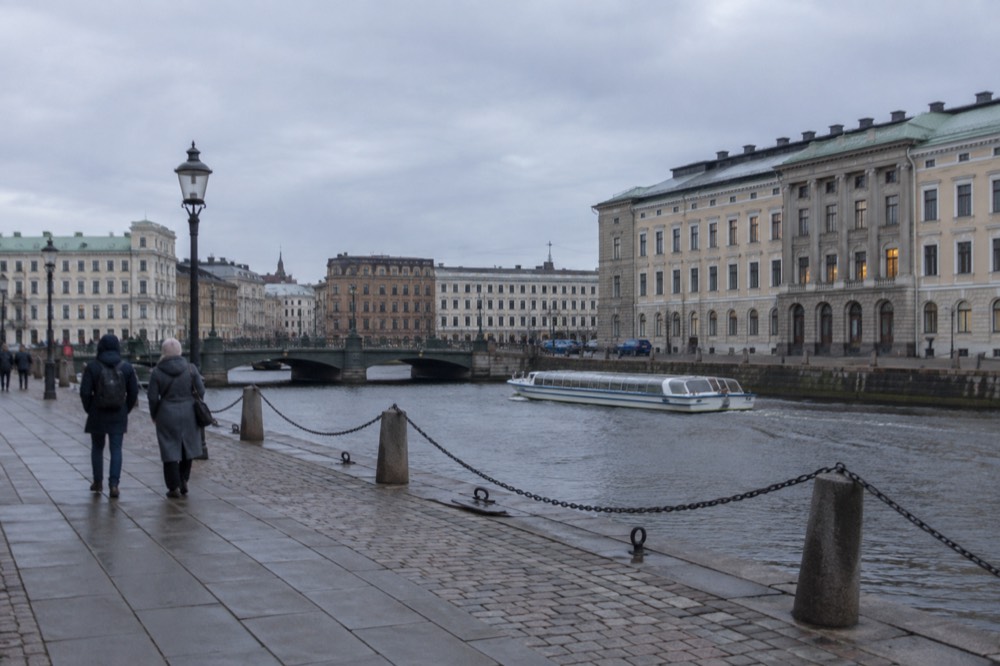
Start at Götaplatsen and walk down Avenyn toward the canal, loop through Inom Vallgraven, the old town inside the moat, then cross to Haga for the afternoon and finish on the Masthuggskyrkan hillside for the evening view. Every one of these is free to see, and the whole day is under two kilometres of walking. The one fixed cost worth budgeting is a canal sightseeing cruise, from $28 per person on the operator's live listing, which is the fastest way to understand the city's shape.
Götaplatsen first, because it gives you the frame: the Poseidon statue, the steps of Göteborgs konstmuseum, and Avenyn running downhill to the water. Note one thing about the museum before you plan around it. Its own rebuild page states that the museum closes in 2028 and reopens in 2032, and it currently warns of intermittent blasting near the building. A day ticket is 75 kr, under-20s enter free, and the Hasselblad Center is included in the same admission, so if the collection matters to you, this is the trip to do it on, not one you can defer indefinitely.

Walk Avenyn to the canal. The classic way to see the moat itself is from the water: the 50-minute canal cruise runs from Kungsportsplatsen and is rated 4.7 from 783 reviews, and the Paddan boats on the River Säveån are the older, longer alternative. If you would rather have the route narrated while you figure out the city's geography, a hop-on hop-off [bus ticket](https://busbud.tpk.ro/pZ1aQZGA) is the standard first-day tool, and there is a walking-plus-bus audio option from $12 for travellers who want to move at their own pace.
The old town inside the moat is small and best taken slowly. Göteborgs domkyrka sits at its heart, and the streets around it are the original street grid. From there, cross to Haga, the wooden-house quarter northwest of the centre, which has its own dedicated guide and rewards an hour or two of just walking. Haga is also where the fika culture is easiest to slip into, and the cinnamon buns at the old bakeries are the standard order.
End the day uphill. Masthuggskyrkan sits above the harbour and the view over the river mouth is the one locals use, and it costs nothing. If your legs are done, tram 3 or 9 gets you close.
Is Day Two in Gothenburg the Day for the Archipelago?
Yes, and it is not even a day trip. The southern archipelago islands, Styrsö, Brännö, Vrångö, Donsö, Asperö and Köpstadsö, are areas of the city of Gothenburg, reached by tram to Saltholmen and then a Västtrafik ferry, all on the same Zone A ticket. Private cars are banned on the islands by the city's own regulations, so a 125 kr 24-hour ticket covers your tram, your ferry and every island path you walk.
Saltholmen is the western terminus of the tram network, which is the detail that makes the whole day work: you ride a tram to the boat. Ferries fan out from there to the six islands, and they carry ordinary Västtrafik line numbers on the network map. Göteborgs Stad's own archipelago study states that the islands are protected from car traffic, with only taxi, färdtjänst and emergency services on the roads, so what you get on the other side of the water is village paths, harbours and swimming rocks. The wider set of guides lives on Gothenburg Travel Guide.
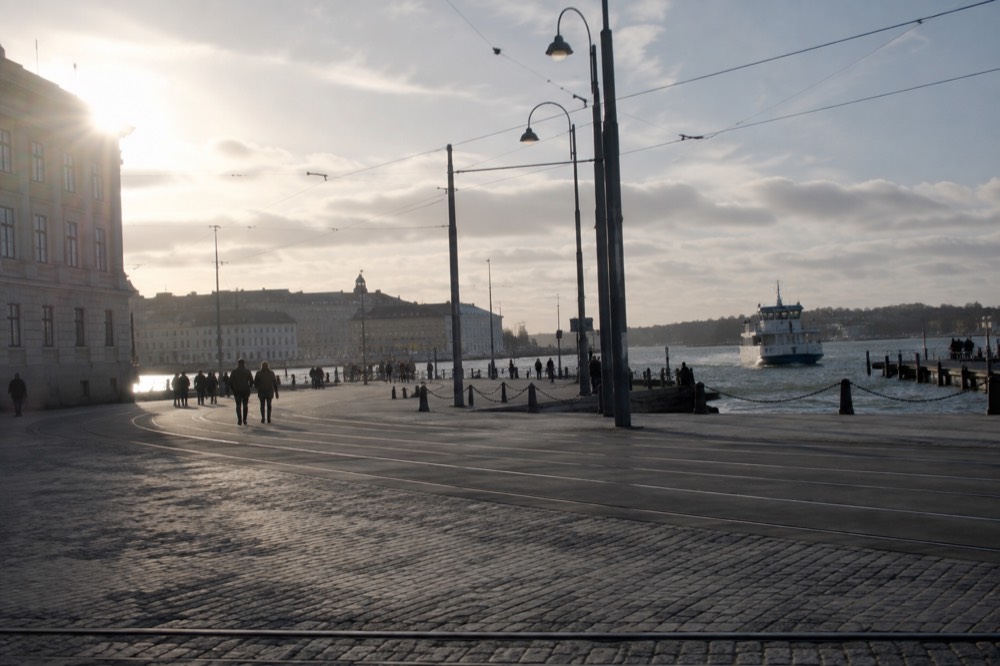
Which island depends on what you want. The guide to the southern archipelago goes deep, but the short version: Brännö and Vrångö are the swimming and quiet-walking islands, Styrsö has the most village life, and Donsö is the working fishing island. If you want the day narrated from the water instead, a guided archipelago cruise runs 2.5 hours from $44 per person, rated 4.4 from 1,488 reviews, with lunch and fika variants also sold.
One thing worth knowing before you pack a swimsuit: the sea runs about six weeks behind the air. SMHI's quality-controlled observations at the Vinga lighthouse station show the water peaks in August at 18.6 C, not July, and September water, at 16.7 C, is warmer than June water at 16.2 C. If your trip falls in early autumn, the swim is genuinely better than it would have been in June.
What Should Day Three in Gothenburg Be: Liseberg or the Coast?
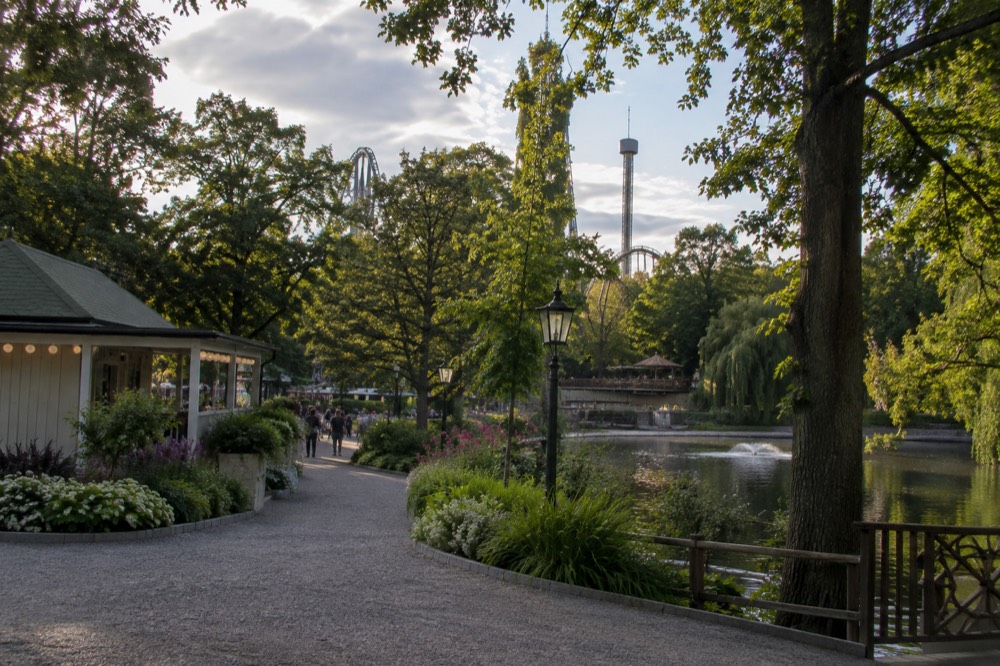
Liseberg if the calendar allows it, and the Bohuslän coast if it does not. Liseberg's 2026 summer season runs 18 April to 20 September, with Halloween 2 October to 1 November and the Christmas market 14 November to 23 December, and the park is closed entirely between those seasons, so from late December to mid-April day three has to be something else. Entry from 95 kr buys the gate and zero rides; the entry-plus-ride-pass combination starts at 365 kr online.
This is the single most common planning failure in Gothenburg: arriving in February or March and finding the biggest attraction in the city shut. The full season logic, including the Kaninlandet winter openings that are new for 2026, is in the Liseberg tickets and timing guide. If your three days fall inside the summer window, day three at Liseberg is the easy call, and the tram to Korsvägen drops you at the gate.
If Liseberg is closed, or rides are not your thing, day three becomes the coast day. Marstrand, the island fortress town an hour out, is the classic choice, and there is a guided sailing trip with a seafood market stop from $148 per person, no reviews yet on the listing. The broader day trips guide covers Marstrand, the Bohuslän fishing villages and the lakes and castles inland.
| Day three option | Best when | Rough cost for one adult |
|---|---|---|
| Liseberg, summer | In season 18 Apr to 20 Sep | From 365 kr online with rides |
| Liseberg, Halloween or Christmas | 2 Oct to 1 Nov, 14 Nov to 23 Dec | Check the price calendar on liseberg.se |
| Marstrand sailing trip | Any season, weather permitting | From $148 per person, on the listing |
| Universeum | Rainy day, any season | Dynamically priced, book a time slot |
Universeum deserves its line in the table because it is the reliable all-weather fallback: the science centre is open every day of the year, 10:00 to 18:00, with dynamically priced timed entry and no fixed published adult price. The rain question matters more than visitors expect, and the rainy-day itinerary is built around exactly this.
What Does Three Days in Gothenburg Really Cost?
The transport spend for days one and two together can be as little as one 38 kr single fare plus one 125 kr 24-hour Zone A ticket, because that single day ticket covers the tram to Saltholmen and the archipelago ferry out. Beyond transport, the variable is day three: an archipelago day adds nothing beyond the ticket, while a Liseberg day with rides starts at 365 kr online and a guided coast trip starts at $148 per person on the listing.
The transport arithmetic is where the money is quietly won or lost. A single one-zone fare is 38 kr. The 24-hour Zone A ticket is 125 kr and covers the archipelago ferries, so the day-two plan is one ticket, not a ticket plus boat fares. And a warning on the discount you may have read about: Västtrafik's 30-day period tickets are currently halved by a temporary state subsidy, Zone A adult from 890 kr to 445 kr, but that subsidy does not apply to the 24-hour and 72-hour tickets visitors actually buy. Do not plan around half-price transport.
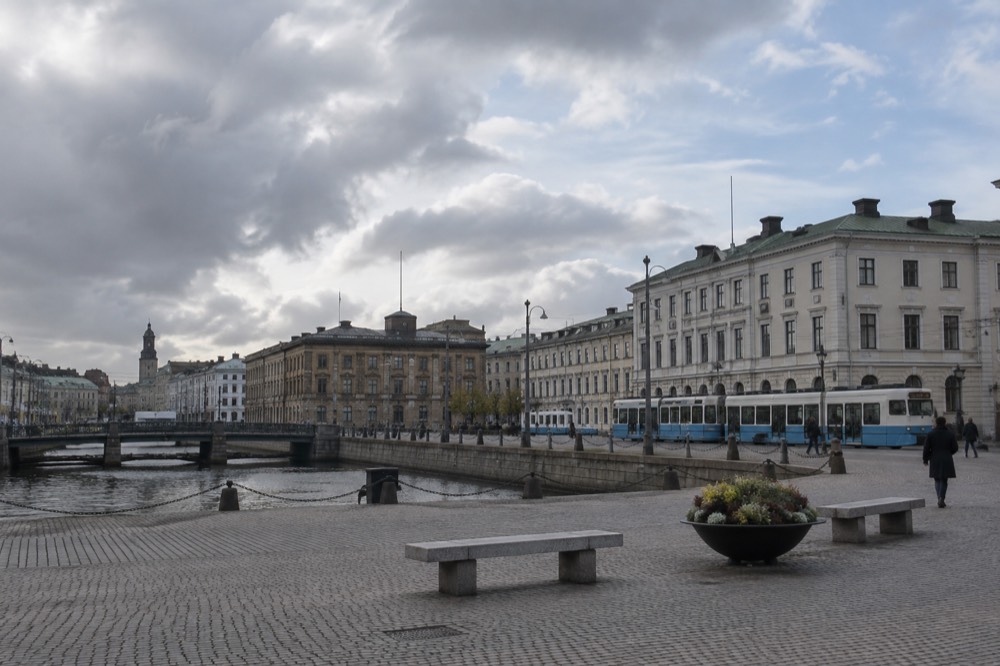
The full fare and zone mechanics, including how to pay and whether to tap out, are in the getting around guide, and the broader cost picture, hotel nights, meals, beer prices, is worked through in what a Gothenburg trip really costs. One pass question comes up constantly: the old Göteborg City Card no longer exists, and the Go City product that replaced it does not include public transport, so the arithmetic in the city card guide is worth a read before you buy anything.
| Item | Day 1 | Day 2 | Day 3 |
|---|---|---|---|
| Transport | 1 x 38 kr single | 125 kr 24-hour Zone A | 38 kr single, or included |
| Main activity | Free walking, or canal cruise from $28 | Free island walking | Liseberg from 365 kr, or coast trip from $148 |
| Fixed cost | Konstmuseum 75 kr, optional | None beyond the ticket | Depends on choice |
| Typical total | 38 kr, plus optional extras | 125 kr | Varies by day-three choice |
When Is the Best Time of Year for a Three-Day Gothenburg Trip?
Late May through September is the reliable window, and September is the sleeper pick: SMHI's 1991 to 2020 normals show April is actually the driest month of the year at 51.3 mm while October is the wettest at 102.9 mm, and the sea is warmer in September, 16.7 C, than in June, 16.2 C. For a Liseberg-and-archipelago combination, any date between 18 April and 20 September fits the season calendar.
The rainfall reputation needs correcting while we are here. Gothenburg gets 912 mm a year across 127 wet days, about one day in three, which is real but is not the permanent drizzle of the guidebook cliche, and SMHI does not identify the city as Sweden's rainiest; the national maxima are in the western highlands and the mountains. What the numbers do say is that the rain arrives after the tourists leave, with October the wettest month, and that spring is the dry window. The month-by-month detail is in the best time to visit guide.

Daylight matters too, and it swings hard. The US Naval Observatory's figures for Gothenburg give 18 hours 6 minutes of daylight on 21 June against 6 hours 32 minutes on 21 December, a swing of over 11 and a half hours. A December trip is a Christmas-market trip, and a good one, but it is a different itinerary: the Gothenburg Christmas market guide covers that version, and the archipelago in winter is its own stark experience.
Where Should You Eat Across Three Days in Gothenburg?
Anchor the eating plan to Haga for fika, Feskekôrka for seafood, and the Linné and Andra Långgatan strip for evenings, with the covered Saluhallen as the all-weather lunch stop. Feskekôrka, the fish-church market hall, reopened in 2024 as a food hall with two fish counters and five restaurants, so it is a lunch destination now rather than just a market.
The seafood case is the one Gothenburg genuinely wins on a national level, and the shrimp sandwich is the local institution to try at least once. The full restaurant and neighbourhood breakdown is in the where to eat guide, and the Linné and Långgatorna strip is the evening version of Haga's daytime cafe culture.

One rule that never dates and surprises every visitor: beer above 3.5% ABV, all wine and all spirits are sold only through Systembolaget, the state monopoly, under Alkohollag (2010:1622). Supermarkets sell folköl up to 3.5%, which is why the same brand on a shop shelf often tastes weaker than the one in a bar. If a craft-beer walk sounds like your evening, there is a guided craft beer tour with tastings from $112 per person, no reviews yet on the listing, and a distillery tour with tasting from $56, rated 5 from a small number of reviews.
Common Questions About Three Days in Gothenburg
Is three days in Gothenburg enough?
Yes. Three days covers the old town and Haga, a full day on the southern archipelago, and either Liseberg or a coast day. It is the shortest itinerary where the islands fit without cutting the city itself.
Is the Gothenburg archipelago worth a full day of a three-day trip?
Yes, and it is part of the city rather than a day trip. The islands are in Västtrafik Zone A, so one 125 kr 24-hour ticket covers the tram to Saltholmen and the ferry out.
Can you do Liseberg and the archipelago in the same three days?
Yes, if your dates fall between 18 April and 20 September, Liseberg's summer season. Outside the season calendar the park is closed entirely between seasons.
Do you need a car for three days in Gothenburg?
No. The tram network covers the city and the archipelago ferries, and the islands you would drive to, Marstrand and the Bohuslän coast, are better reached by guided trip or express bus anyway.
What is the single best ticket to buy for this itinerary?
The 125 kr 24-hour Zone A ticket, used on the archipelago day. It covers trams, buses and the ferries together, which no other purchase in the city matches for value.
Is one day enough for Gothenburg instead of three?
One day covers the old town, Haga and a canal cruise, but the archipelago and Liseberg will not fit. The one-day itinerary exists for stopovers; three days is the proper visit.
If three days turns out to be more than you have, the weekend itinerary compresses this plan, and if you have five, the five days in Gothenburg and West Sweden version stretches day three into the coast proper. For where to base yourself, the where to stay guide pairs with this itinerary directly, and Gothenburg Travel Guide covers the rest.