The Gothenburg Archipelago: Car-Free Islands on an Ordinary Tram Ticket
The southern archipelago off Gothenburg, Sweden behaves like nowhere else in Scandinavia. It is a set of car-free islands inside the city's own transport zone, reached by tram to Saltholmen and then a ferry, all on one ordinary ticket.
Short answer
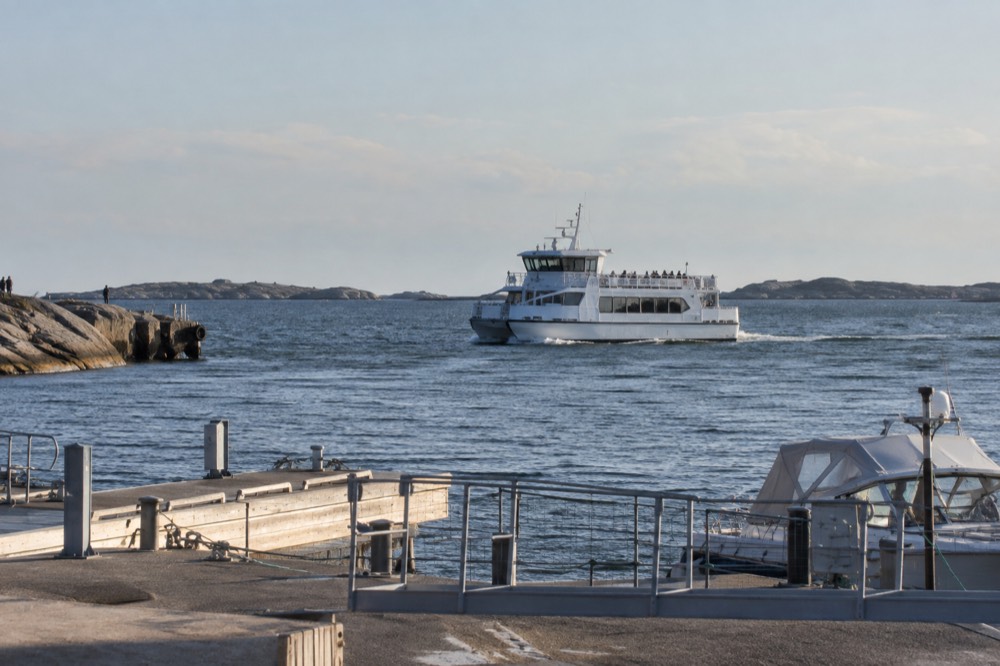
The Gothenburg archipelago is a chain of car-free islands, including Styrsö, Brännö, Vrångö, Donsö, Asperö and Köpstadsö, that are administrative areas of the city of Gothenburg, Sweden. You reach them by tram to Saltholmen, then a Västtrafik ferry, on the same Zone A ticket you use for the trams.
The southern archipelago off Gothenburg, Sweden behaves like nowhere else in Scandinavia. Six inhabited islands, no cars, no bridges, and yet the whole thing sits inside the city's own transport zone. Västtrafik, the regional authority, states it plainly: you can ride the same ticket all the way from the centre out onto the sea, because the islands sit in Zone A, the same zone as the trams. A visitor who has paid for a tram ticket has, without noticing, also paid for a ferry to a car-free island in the North Sea approaches. This guide covers how the boats work, which island suits which kind of day, what the water actually feels like, and what a trip out there costs.
What Is the Gothenburg Archipelago?
The Gothenburg archipelago is the chain of inhabited, car-free islands in the mouth of the Göta älv and the Kattegat that are administratively areas of the city of Gothenburg, Sweden. The southern group served by Västtrafik ferries from Saltholmen comprises Styrsö, Brännö, Vrångö, Donsö, Asperö and Köpstadsö, and because private cars are banned on all of them, the ferry is not a tourist service but the islands' bus route.
Göteborgs Stad's own planning study sets out the car ban in the city's words: the islands of the southern archipelago are protected from car traffic, with only taxi, transport services and emergency vehicles using the road network. That is a permanent structural fact, not a seasonal rule, and it is why the islands feel the way they do. There are no car parks, no traffic noise, and no separation between where the ferry lands and where the village begins.
The northern archipelago, Öckerö, Hönö and Björkö, is a separate system, served by car-carrying ferries from Lilla Varholmen on Hisingen rather than from Saltholmen. It is also part of the municipality of Öckerö, which sits inside the same Västtrafik Zone A, but it is a different kind of place: cars are allowed there, and the atmosphere is correspondingly more mainland. This guide focuses on the southern islands, which are the ones that read as "car-free archipelago" in the way most visitors imagine it.
A distinction that matters for planning: the archipelago is not a day trip. Marstrand, the Bohuslän coast, Tjolöholm, Gunnebo, Trollhättan, Borås, Varberg and Läckö are day trips from Gothenburg. Styrsö, Brännö, Vrångö and their neighbours are districts of the city, reachable in under an hour from the centre, and treating them as a half-day outing rather than an expedition is the correct mental model. If you are weighing the archipelago against excursions further afield, the day trips from Gothenburg guide covers the ones that genuinely need a full day.
How Do You Get to the Gothenburg Archipelago?
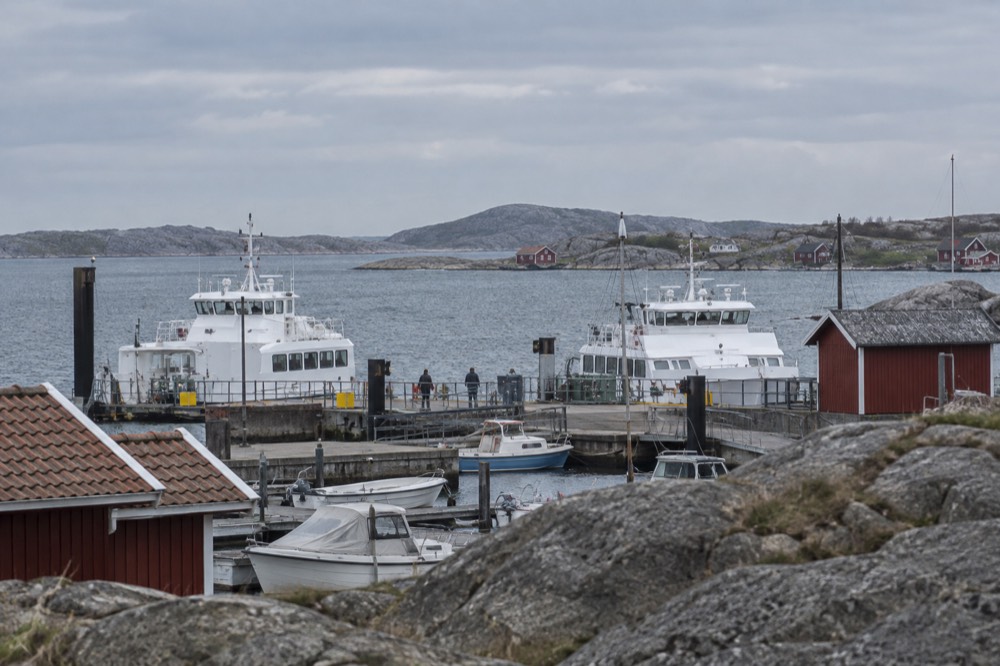
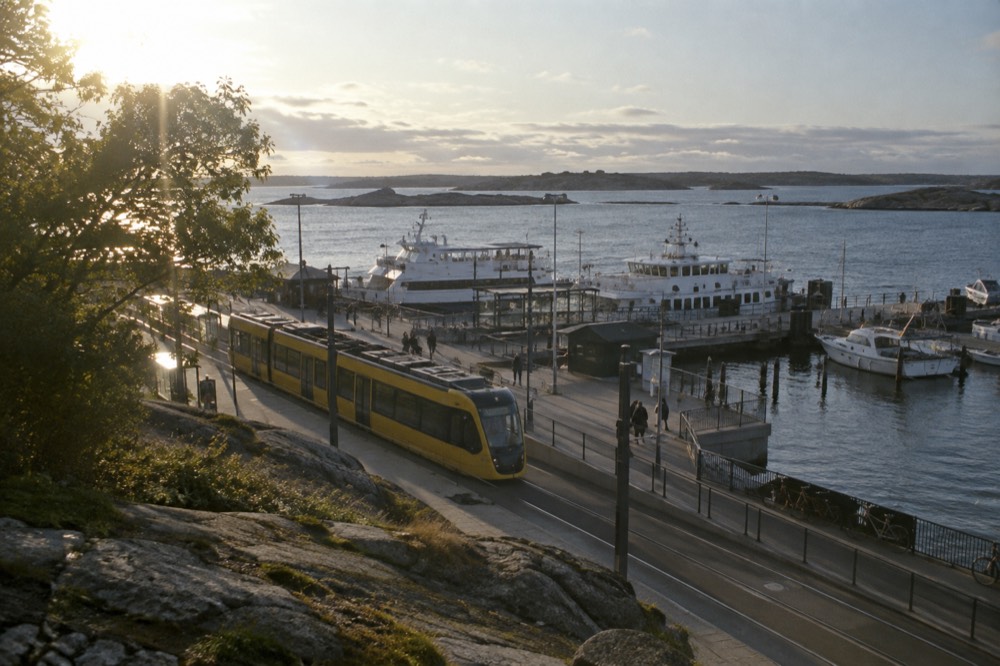
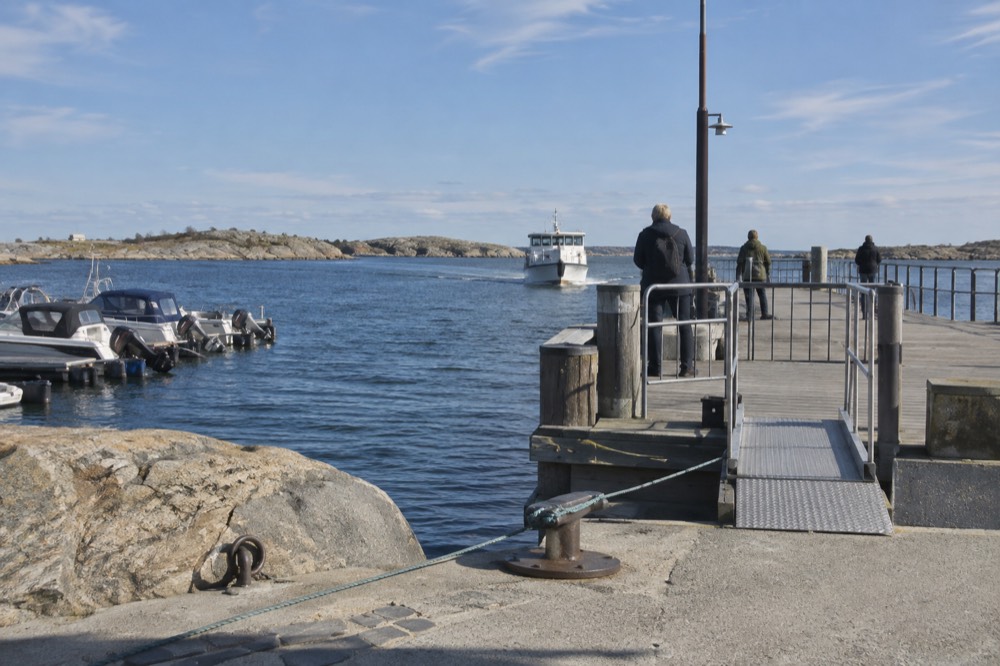
You take a tram to Saltholmen, the western terminus of the Gothenburg tram network, and then a Västtrafik ferry from the Saltholmen piers to the island of your choice. The ferries are part of the ordinary Västtrafik network and are covered by the same Zone A ticket as the tram that brought you there, so a 125 kr 24-hour Zone A ticket covers tram and ferry and every island in one purchase.
Saltholmen is the hinge of the whole system. Göteborgs Spårvägar's own annual report describes the tram network as running from Mölndal in the south to Angered in the north, Saltholmen in the west to Kålltorp in the east, and across the bridge to Hisingen: twelve lines, 134 stops, 188 km of single track as of that report. Saltholmen being the western end of that network means the ferry terminal is not a bus ride away from the tram, it is the tram stop. You step off the tram and the boats are at the water's edge.
The ferry lines from Saltholmen serve the six inhabited islands, and Västtrafik's own zone map shows the boat lines drawn in exactly the same style as the trams, because they are the same thing administratively. Västtrafik's fare pages list the single Zone A adult ticket at 38 kr and the 24-hour Zone A ticket at 125 kr, the same price whether bought in the app or at a shop. A youth single is 29 kr. The 30-day period tickets are currently halved by a temporary state subsidy through the end of the year, but that discount does not apply to the 24-hour and 72-hour tickets visitors actually buy, so do not plan around a half-price day pass that does not exist.
Two practical warnings. First, Saltholmen parking is the known pain point for anyone who drives to the terminal; the whole point of the tram terminus is that you arrive by tram. Second, the boats run to a timetable rather than on demand, and the last sailings back are earlier than a visitor expects, so check the return times for your island before you commit to a long dinner. The getting around Gothenburg guide covers tickets and zones in detail for the rest of the city.
For anyone who would rather have a boat and a guide handle the route, a cruise from the city centre is the alternative to the DIY ferry version:
The guided archipelago cruise is the straightforward option: two and a half hours on the water from the city centre, with a guide covering the harbour and the islands, from $44 per person according to the listing. For a fuller treatment of the ferry system itself, the how to get to the Gothenburg archipelago page goes line by line.
Which Gothenburg Archipelago Island Should You Visit?
Styrsö is the largest southern island and the best first visit, with a village, cafés and a small passenger ferry of its own; Brännö is the flattest and best for easy walking and swimming meadows; Vrångö is the quietest and most scenic, with sandy-ish bathing spots at the far end; Donsö is the working fishing island; Asperö and Köpstadsö are the smallest and least visited. All six are car-free and all six are on the same ticket.
The honest way to choose is by what kind of day you want, because the islands are close together and the differences are about atmosphere rather than landscape. The table below is the short version, built from what each island is actually known for rather than marketing copy.
| Island | Character | Best for | Watch out for |
|---|---|---|---|
| Styrsö | Largest southern island, village centre, its own little cross-water ferry | First visits, cafés, an easy half day | Busiest in July |
| Brännö | Flat, meadows, swimming rocks | Families, easy walking, picnics | Fewest services off-season |
| Vrångö | Quietest, sandy bathing spots at the far end | Swimming, solitude, long walks | Longest ferry ride, earliest last boat |
| Donsö | Working fishing harbour | Seeing the industry that built the city | Less of a "sights" island |
| Asperö | Small, residential | A quiet hour or two | Very limited food options |
| Köpstadsö | Tiny, forested | A genuine escape | Check the boat frequency carefully |
Brännö deserves a specific mention for walkers: a guided hiking tour covering Brännö and neighbouring Galterö with fika included runs from $103 per person, eight hours, no reviews yet as it is a new listing. Vrångö is the one swimmers should study, because its bathing spots at the southern end are the closest the southern archipelago gets to a beach rather than rocks. The which Gothenburg archipelago island should you visit page compares them at length, and the southern archipelago islands guide covers Styrsö, Brännö, Vrångö and Donsö individually.
If choosing between islands feels like work on a short visit, a guided cruise from the centre shows you the whole southern group from the water in one sitting, which is also a reasonable way to decide where to come back to. The cruise with a guide runs 2.5 hours from $44 per person, rated 4.4 from 1,488 reviews on the listing, and there are lunch and fika variants at $68 and $58 per person respectively.
Is the Water Warm Enough for Swimming in the Gothenburg Archipelago?
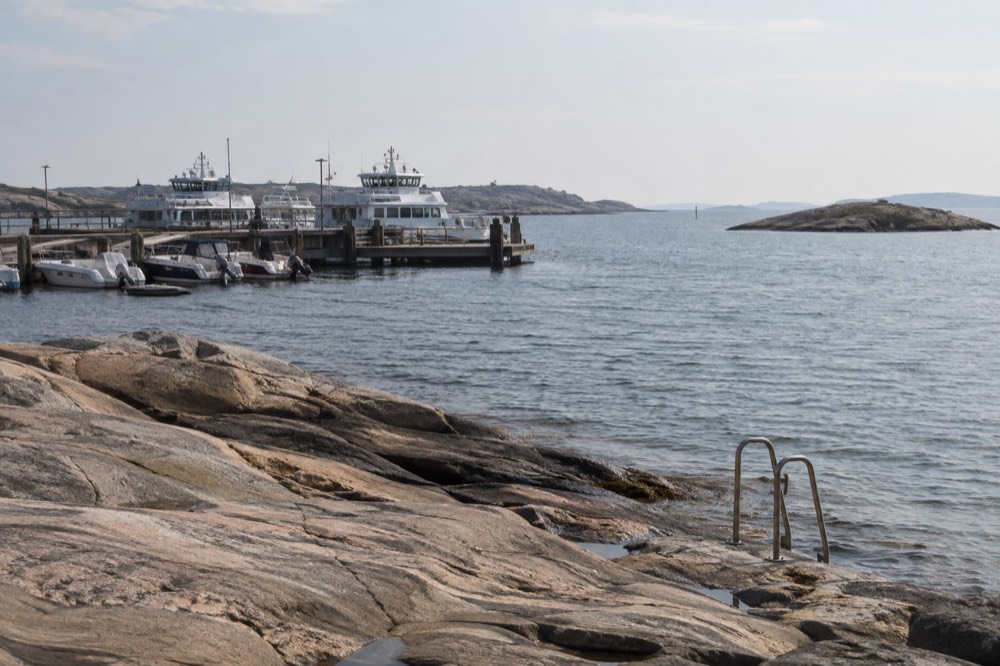
The sea around the archipelago peaks at 18.6 C in August, not July, and September water at 16.7 C is warmer than June water at 16.2 C, according to SMHI's quality-controlled observations at the Vinga lighthouse station. February, not January, is the coldest month at 2.7 C, with a verified record low of -1.2 C, possible because brackish Kattegat water does not freeze at zero.
Those figures come from 61,749 quality-controlled hourly observations in SMHI's oceanographic archive for station Vinga, the lighthouse out at the archipelago's edge, so they describe the water you would actually swim in rather than a coastal average. The practical consequence is that the swimming calendar is later than the holiday calendar. Air temperature peaks in July at 18.3 C on the 1991-2020 normals, but the sea runs about six weeks behind the air, which means the warmest water of the year arrives when most Swedish visitors have gone home.
| Month | Mean sea temp (C) | What that means for swimming |
|---|---|---|
| June | 16.2 | Bracing; colder than September |
| July | 18.3 | Good, but not the peak |
| August | 18.6 | Warmest water of the year |
| September | 16.7 | Better than June, and the islands are empty |
| October | 12.8 | Cold-water swimmers only |
| February | 2.7 | Coldest month; record low -1.2 |
For visitors who want the full cold-water version, the sauna-and-dip tradition is well established here. An archipelago sauna boat cruise runs four hours from $344 per person, rated 5 from a single review, and a hot tub and sea dip tour at Stora Amundön runs three hours from $103 per person, no reviews yet. The cold water swimming and sauna in Gothenburg and swimming and beaches in Gothenburg pages cover the year-round version of this properly.
When Is the Best Time to Visit the Gothenburg Archipelago?
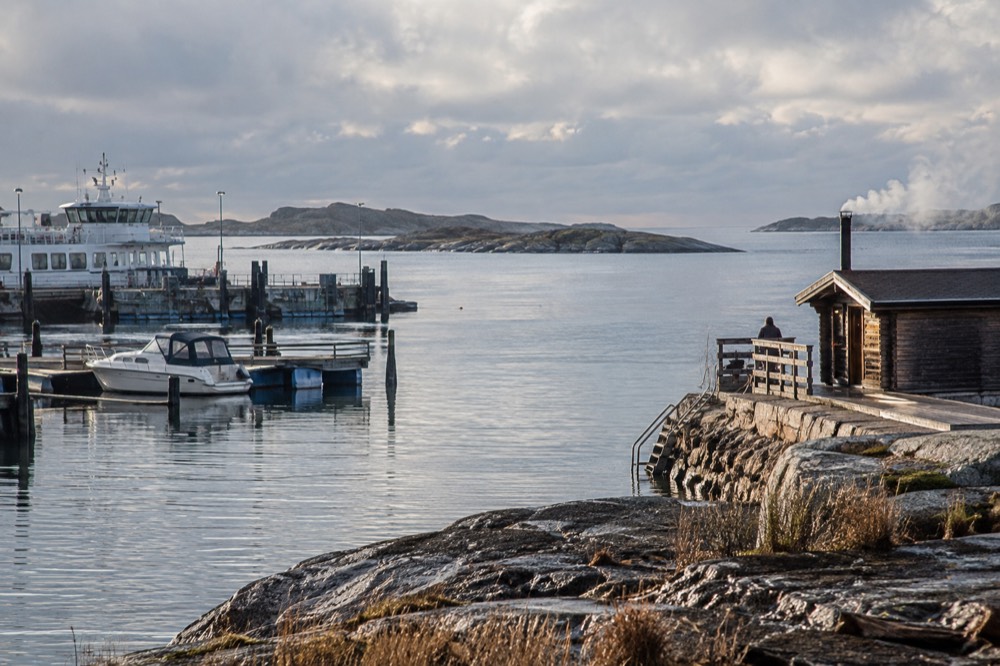
August and September are the best months: the sea is at its warmest in August at 18.6 C, September water is warmer than June water, the July crowds have gone, and the ferries run their full summer timetable. April is the driest month of the year in Gothenburg at 51.3 mm of rain, while October, not a summer month, is the wettest at 102.9 mm.
The rainfall numbers come from SMHI's 1991-2020 normals for station Göteborg A: 912 mm a year spread over 127 days with at least 1 mm, which is about one day in three. That is wet, but it is not the permanent drizzle of the city's reputation, and SMHI itself does not call Gothenburg Sweden's rainiest city; the national maxima sit in the western highlands and the mountains. The month that actually soaks the islands is October, after the season ends, and the driest, brightest window is April into early May.
| Period | Conditions | Verdict |
|---|---|---|
| April-May | Driest months (51.3 mm, 54.3 mm), cool sea | Best for walking, not swimming |
| June | Long light, sea only 16.2 C | Pretty, but swim in a wetsuit mood |
| July | Warm air, peak crowds, full timetables | Best services, busiest piers |
| August | Sea peaks at 18.6 C | The best all-round month |
| September | Sea 16.7 C, islands emptying | The connoisseur's month |
| October-March | Wettest month, then short days | Ferry timetables thin out |
Daylight is the other variable. On 21 June the sun is up 18 hours 06 minutes, with civil twilight from 02:58 to 23:30 leaving roughly three and a half hours of true night. On 21 December daylight lasts 6 hours 32 minutes. A midsummer ferry ride and a January one are almost different sports. The best time to visit Gothenburg guide covers the whole city calendar, and the Gothenburg in winter and the archipelago in winter pages cover the off-season version of the islands, which is genuinely atmospheric and genuinely short on daylight.
A sailing experience with a local skipper is the seasonal upgrade: four hours on the water from $138 per person, rated 5 from 9 reviews on the listing. There is also an evening sail with Swedish fika at $46 per person, rated 5 from 5 reviews, and a sunrise sail with breakfast buffet at $66 per person with no reviews yet. For the full seasonal picture, Gothenburg Travel Guide covers the city month by month.
What Does a Day in the Gothenburg Archipelago Cost?
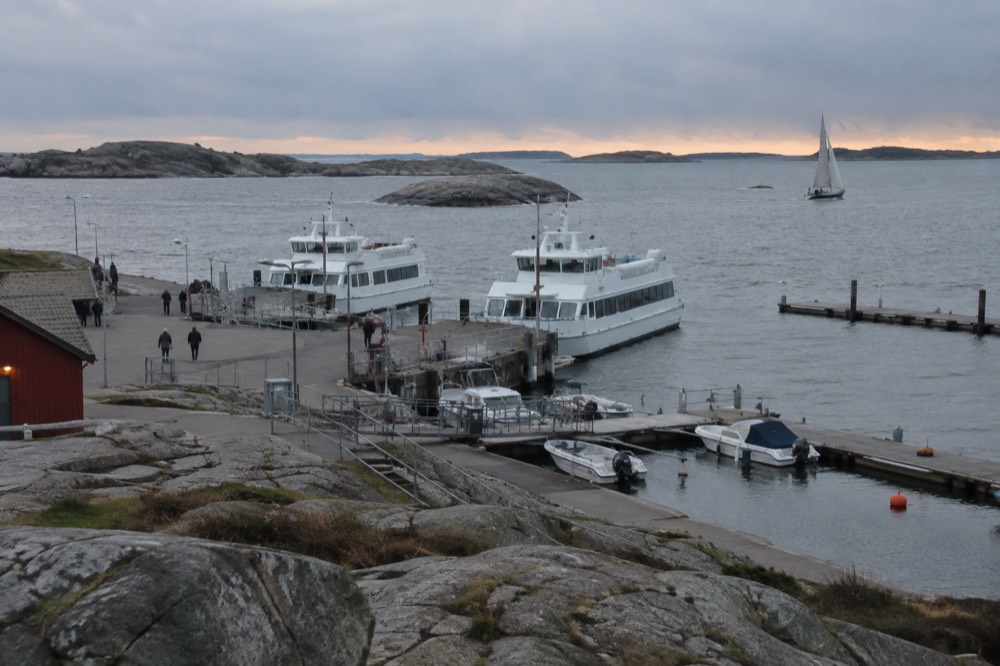
The transport is remarkably cheap: a 24-hour Zone A ticket at 125 kr covers the tram to Saltholmen, every ferry, and every island, and a single ticket is 38 kr. Food on the islands is the variable, from a self-brought picnic at nothing to island café lunches at typical Swedish café prices, and the guided alternatives run from $44 per person for a cruise to $344 per person for a sauna boat.
The transport fact is the one worth repeating because it is genuinely unusual. Västtrafik's fare page lists the 24-hour Zone A ticket at 125 kr, and its zone map shows the archipelago boats inside Zone A, so the entire return journey to any southern island costs the same as a day of tram hopping in the city. A family of four pays for four tickets, but there is no separate ferry fare, no island access fee, and no charge for the boat itself. Children under the relevant age thresholds travel at youth fares, with a youth single at 29 kr.
| Item | Cost | Notes |
|---|---|---|
| 24-hour Zone A ticket | 125 kr | Tram + all ferries + all islands |
| Single ticket, 1 zone | 38 kr | Youth 29 kr |
| Guided archipelago cruise | from $44 per person | 2.5 hours, per the listing |
| Cruise with lunch | from $68 per person | 2h 30m, per the listing |
| Sauna boat cruise | from $344 per person | 4 hours, per the listing |
| Island café lunch | varies by island and season | Bring a picnic as the fallback |
One warning about the current fare headlines: a temporary state subsidy has halved Västtrafik's 30-day period tickets through the end of the year, with a Zone A adult monthly dropping from 890 kr to 445 kr, but that discount does not apply to the 24-hour and 72-hour tickets visitors buy. If you read that transport in Gothenburg is half price, that is the monthly-ticket story, not yours. The is Gothenburg expensive guide puts the whole city budget in context.
What Should You Pack for a Gothenburg Archipelago Day?
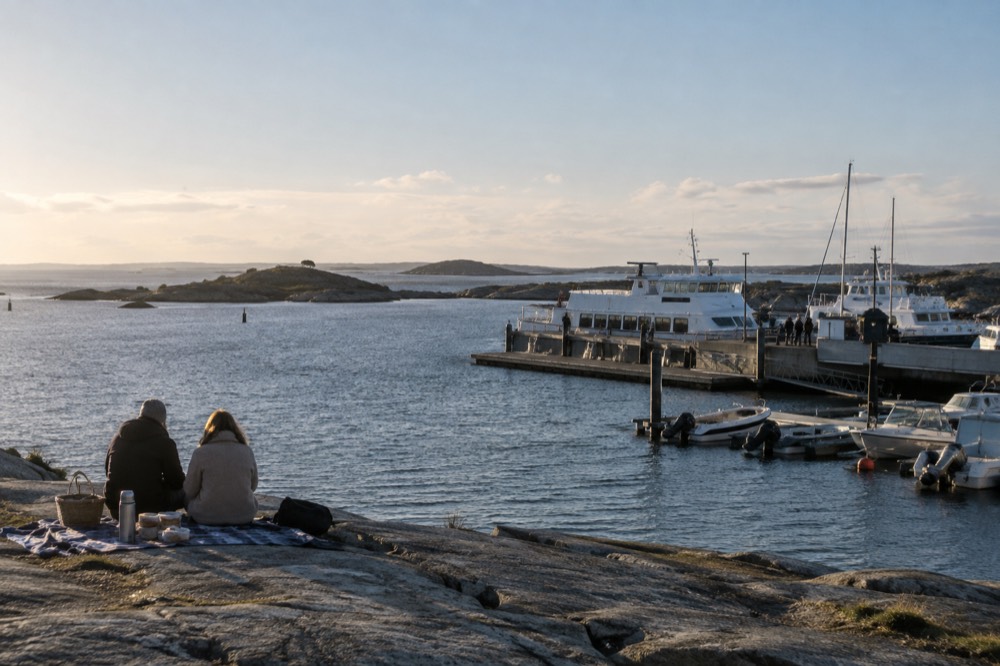
Pack for wind and for sun in the same bag: a proper windproof layer even in August, swimwear and a towel because the water peaks at 18.6 C that month, shoes that grip wet granite, cash-free payment since the islands run on cards like the rest of Sweden, and a picnic, because café hours on the smaller islands are seasonal and thin.
The wind is the thing first-time visitors underestimate. The islands sit exposed at the mouth of the Göta älv, and the difference between the sheltered city side of a rock and the seaward side can feel like two different days. Wet granite is also genuinely slippery, and most of the swimming access is by rock rather than sand, so shoes with grip matter more than sandals. The what to pack for Gothenburg guide handles the seasonal wardrobe in detail.
Payment is nearly all card. Sweden's retail culture is overwhelmingly cashless, and the island kiosks and cafés are no exception; assume cards or Swish, and do not plan around an ATM. If you want a proper fika rather than a self-brought one, the fika in Gothenburg guide explains the institution, and the islands' own cafés are its smallest, most scenic outposts. For the food-obsessed, the where to eat in Gothenburg guide covers the city side, and seafood lovers should note that the shrimp sandwich culture extends out here, as the Gothenburg seafood page details.
Common Questions About the Gothenburg Archipelago
Is the Gothenburg archipelago part of the city?
Yes. The southern islands, including Styrsö, Brännö, Vrångö, Donsö, Asperö and Köpstadsö, are areas of the city of Gothenburg, Sweden, inside the same Västtrafik Zone A as the trams. They are not day trips in the way Marstrand or the Bohuslän coast are.
Can you take a day trip to the Gothenburg archipelago?
You can, and it is easier than most people expect: a tram to Saltholmen and then a ferry, all on a 125 kr 24-hour Zone A ticket. But because the islands are part of the city, it is better thought of as a half-day or full-day outing within Gothenburg rather than a day trip.
Are there cars on the Gothenburg archipelago islands?
No. Göteborgs Stad's own study states that the islands of the southern archipelago are protected from car traffic, with only taxi, transport services and emergency vehicles allowed. The ferry is the islands' ordinary public transport.
Is it worth visiting the Gothenburg archipelago?
For most visitors, yes, precisely because the cost and effort are so low: the same ticket that runs the trams runs the ferries, the islands are car-free, and the sea is at its warmest, 18.6 C, in August. The main planning risk is a thin off-season ferry timetable and early last boats.
Which Gothenburg archipelago island is best for swimming?
Vrångö has the closest thing to sandy bathing spots in the southern group, and Brännö has accessible swimming rocks and meadows. The sea peaks at 18.6 C in August, and September water at 16.7 C is warmer than June water at 16.2 C, per SMHI's Vinga station data.
Do you need to book the archipelago ferry in advance?
No. The ferries are ordinary Västtrafik services covered by normal tickets, with no reservation system. The guided cruises and sailing tours from the city centre are separate products and do need booking, but the public boats do not.
The archipelago is Gothenburg's best argument for itself: a car-free island world that the city has quietly folded into its own tram map. Bring a windproof layer, check the last ferry, and go.