Day Trips from Gothenburg, Sweden: Coast, Castles and Lakes Within Reach
Gothenburg sits on the edge of the Bohuslän granite coast, Lake Vänern and a string of castles, and almost every worthwhile day trip starts from a tram stop or Göteborg Centralstation.
Short answer
The best day trips from Gothenburg are Marstrand, the Bohuslän fishing villages of Smögen and Fjällbacka, Tjolöholm and Gunnebo houses, the Trollhättan canal locks, Varberg on the Halland coast and Läckö Castle on Lake Vänern. The southern archipelago of Styrsö, Brännö and Vrångö is not a day trip at all: those islands are part of the city, reached on an ordinary tram-and-ferry ticket.
Gothenburg is a small city with an oversized hinterland. Fifty minutes west by boat is a fortress island, an hour north is a granite coast of fishing villages, and inland sit a lake the size of a small sea, a castle that starred in a British television series and a canal that lifts ships through locks. Göteborgs Stad's own figures put the city at 613,274 people at the end of 2025, which makes it compact enough that the countryside starts almost where the trams stop. This guide covers where to go, what each trip actually costs and the one category of trip most guides mislabel.
What Counts as a Day Trip from Gothenburg, Sweden?
A day trip from Gothenburg means somewhere outside the city's own boundaries: Marstrand and the Bohuslän coast, Tjolöholm, Gunnebo, Trollhättan, Borås, Varberg and Läckö Castle on Lake Vänern. The southern archipelago of Styrsö, Brännö, Vrångö and Donsö does not belong on this list, because those islands are areas of Gothenburg itself, reached on an ordinary Västtrafik tram-and-ferry ticket inside Zone A. That distinction is the single most common error in Gothenburg day trip content, and it changes your planning completely: the islands cost 125 kr for a 24-hour Zone A ticket, while the true day trips involve regional buses, trains or boats with their own fares.
The city's own geography creates the confusion. Saltholmen, the ferry terminal for the islands, is the western terminus of the tram network, and Göteborgs Spårvägar's annual report describes trams running "från Mölndal i söder till Angered i norr, från Saltholmen i väster till Kålltorp i öster". A visitor rides a city tram, boards a ferry and lands on what feels like remote wilderness, then assumes they have left Gothenburg. They have not. The islands carry Västtrafik line numbers and appear on Västtrafik's own zone map.
Everything genuinely beyond the city falls into four groups: the coast north and south, the lake country around Vänern, the castles and manor houses within an hour, and the inland towns reachable by train from Göteborg Centralstation. If you are still deciding how much time the city itself deserves, read how many days do you need in Gothenburg before booking anything outward.
How Do You Get Out of Gothenburg Without a Car?
Most day trips from Gothenburg work without a car: regional trains from Göteborg Centralstation reach Trollhättan, Borås, Varberg and Alingsås, Västtrafik buses and boats reach Marstrand and the Bohuslän coast, and the tram-plus-ferry network covers the southern archipelago inside the city's own Zone A. There is no rail link to the airport, and Swedavia's own transport pages list only coach and bus for Landvetter, so every train journey starts at the central station. The practical consequence is that your day trip planning is really a ticket-and-timetable exercise, not a driving one.

The tram network is the backbone. Göteborgs Spårvägar recorded 126 million journeys in 2025, and its annual report describes twelve lines, 134 stops and 188 kilometres of single track, figures that date from the 2022 report but still describe the shape of the network. For a day tripper the relevant fact is simpler: trams connect the central station, the ferry terminals and the bus interchange, and a single Västtrafik ticket covers tram, bus and boat in the zones you buy.
Västtrafik's fare table shows a single adult ticket at 38 kr for one zone, 76 kr for two and 114 kr for three, and a 24-hour Zone A ticket at 125 kr. Zone A covers Göteborg, Partille, Mölndal and Öckerö, which means the 125 kr day ticket already includes the southern archipelago ferries. One caution worth writing down: a temporary state subsidy currently halves every 30-day period ticket, Zone A adult from 890 kr to 445 kr, but Västtrafik states plainly that the support covers monthly tickets, not the 24-hour and 72-hour tickets a visitor buys. Do not plan around half-price transport.
| Way out of Gothenburg | Where it takes you | Ticket you need |
|---|---|---|
| Tram + ferry from Saltholmen | Styrsö, Brännö, Vrångö, Donsö, Asperö, Köpstadsö | Västtrafik Zone A, 125 kr for 24 hours |
| Regional train from Göteborg C | Trollhättan, Alingsås, Borås, Varberg, Uddevalla | Västtrafik or SJ ticket, priced by distance |
| Västtrafik bus / boat | Marstrand, Stenungsund, Kungälv | Västtrafik zonal ticket |
| Airport coach (Vy flygbussarna) | Landvetter Airport only, 20 minutes | Separate coach ticket, no rail option exists |
If your day trip is really a city day with wheels, two sightseeing options cover the ground without any timetable work at all, and the listings below let you compare them directly.
Which Coastal Towns Can You Visit on a Day Trip from Gothenburg?
Marstrand is the classic Gothenburg day trip, reached by Västtrafik bus and a short ferry crossing, with the 17th-century Carlsten Fortress above the harbour and a seafood market in season. Further north, the Bohuslän coast of Smögen, Fjällbacka and the granite islands takes longer to reach but delivers the west coast at its most photogenic. Varberg, south on the Halland coast, is a train trip with a fortress, a cold bath house and a wide sandy beach. Each of these sits outside the city, which is what separates them from the archipelago islands that belong to Gothenburg itself.
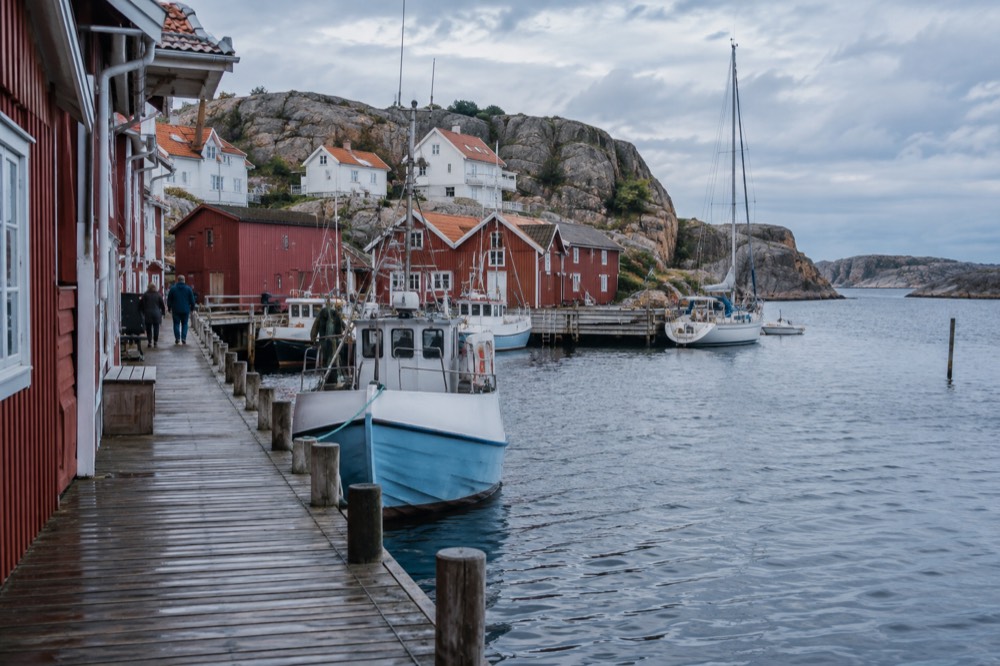
Marstrand packs a fortress, a sailing history and a car-free town into a small island. Private vehicles are restricted on Marstrandsön, so the trip is bus to Marstrand ferry landing, then the short crossing on foot, which is part of the appeal. Carlsten Fortress dominates the skyline, and the town's restaurants trade heavily on shellfish. A guided sailing trip from Gothenburg runs there and back with the seafood market included, which removes every transfer decision; the listing shows the current price and free cancellation terms.
Booking the sailing day is a decision worth making early in your planning, because the alternative is stitching together a Västtrafik bus, the Marstrand ferry and a restaurant reservation on your own. Both routes work. The guided option simply collapses three bookings into one, and the operator's live listing carries the current schedule and what the seafood market stop includes.
The Bohuslän coast north of the city is a different scale of trip. Smögen's wooden quay, Fjällbacka's cliff-backed village and the Koster islands near the Norwegian border are the postcard version of the Swedish west coast, and all are reachable on Västtrafik regional transport with a change at Uddevalla. The Bohuslän coast guide covers the full route, including where an overnight starts to make more sense than a day return.
South of the city, Varberg sits on the Halland coast with a train connection from Göteborg Centralstation. The fortress, the cold bath house at the water's edge and a long sandy beach make it the day trip that works best for swimmers, and the sea temperature data matters here: SMHI's archive for the Vinga station shows the water peaking in August at 18.6 C, not July, and September water at 16.7 C is actually warmer than June at 16.2 C. A late-season Varberg swim is warmer than the one visitors book in early summer, which is the opposite of most people's assumptions.
Which Castles and Country Houses Are Near Gothenburg?
The two headline houses near Gothenburg are Gunnebo House and Gardens, an 18th-century wooden neo-classical manor a short bus ride southeast of the city, and Tjolöholm, a Tudor-style estate on the Kungsbacka coast south of Gothenburg, best known as a filming location for the television adaptation of Wallander. Läckö Castle on Lake Vänern is the grandest of the three but needs a longer day, pairing naturally with the Trollhättan canal locks on the route out. All three are open seasonally, so check the estate's own pages before committing a day.
Gunnebo is the easiest: it lies inside the wider Gothenburg commuter belt, reachable on Västtrafik, and its grounds, café and restored kitchen garden make it a half-day rather than a full one. The Gunnebo House and Gardens guide has the detail. Tjolöholm, by contrast, is a full day, with the house, the workers' village the estate built for its staff and a beach on the estate's own peninsula. The Tjolöholm Castle and Kungsbacka guide covers the seasonal opening pattern, which matters: Swedish country houses close or run reduced hours from autumn through spring.
Läckö Castle stands on a headland in Lake Vänern, Sweden's largest lake, and pairs with Trollhättan, where the Göta canal's lock staircase lifts boats past the river's falls. Trollhättan is a direct train ride from Göteborg Centralstation, and the Trollhättan locks guide explains how the lock schedule works and when the gates actually open for visitors. A private driving tour bundles the lake and the castle into one booked day, useful if you would rather not piece together three timetables.
| Day trip | Type of place | Transport | Best paired with |
|---|---|---|---|
| Marstrand | Fortress island, sailing town | Västtrafik bus + ferry | Seafood lunch, Carlsten Fortress |
| Gunnebo House | 18th-century manor and gardens | Västtrafik bus | Café fika, half-day length |
| Tjolöholm | Tudor-style estate, TV filming location | Regional transport via Kungsbacka | Beach walk on the estate |
| Trollhättan | Canal locks, industrial history | Direct train from Göteborg C | Vänern and Läckö Castle |
| Varberg | Fortress, cold bath house, beach | Direct train from Göteborg C | Summer swimming |
| Borås | Street art, textile museum | Direct train from Göteborg C | Borås street art guide |
What Can You Do When the Weather Turns on a Gothenburg Day Trip?
When rain closes the coast, the indoor day trip options are the museums and food halls inside Gothenburg itself, plus the indoor attractions reachable by tram, and the honest answer is that Gothenburg handles wet days better than any surrounding town. Universeum is open every day of the year from 10:00 to 18:00 with dynamically priced, time-slotted admission, and Feskekôrka reopened in 2024 as a food hall with two fish counters and five restaurants rather than the old fish market most guides describe. The city's own rainfall record explains why this matters: SMHI's 1991-2020 normals for station Göteborg A show 912 mm a year across 127 wet days, about one day in three.

That one-in-three figure deserves a correction on the way past. Gothenburg is widely called Sweden's rainiest city, and SMHI's own writing does not support the claim: the national weather institute places the highest annual precipitation in the western highlands and the mountains, with the west of Götaland generally wet but not the record holder. What the data does show is that October is the wettest month at 102.9 mm and April the driest at 51.3 mm, on the fewest wet days of the year. A spring day trip has the best weather odds; an autumn one has the most dramatic light and the emptiest roads, and the best time to visit Gothenburg guide breaks the trade-offs down month by month.
The indoor roster inside the city is deep enough that a rained-off day trip is rarely a lost day. Göteborgs konstmuseum holds around 70,000 works and admits children and students free, though its own rebuilding page states the museum closes in 2028 and reopens in 2032, with intermittent blasting near the building right now, so plan around the closure if your trip is later in the decade. One correction that matters even more: the Volvo Museum at Arendal closed permanently in December 2023, and only World of Volvo, the 2024 experience centre, exists now. Any guide sending you to Gustaf Larsons Väg is sending you to a shut building.
How Much Does a Day Trip from Gothenburg Cost?
Budget roughly 125 kr for a day inside Västtrafik Zone A including the archipelago ferries, from 38 kr for a single-zone ticket to regional destinations, plus separate train fares for Trollhättan, Varberg and Borås, and attraction admission on top, with Universeum priced dynamically rather than at a fixed rate and Liseberg entry from 95 kr buying zero rides. A booked day tour replaces all the ticket arithmetic with one price, and the listings show current rates and cancellation terms. The honest cost answer is that transport is cheap and admission is what adds up.
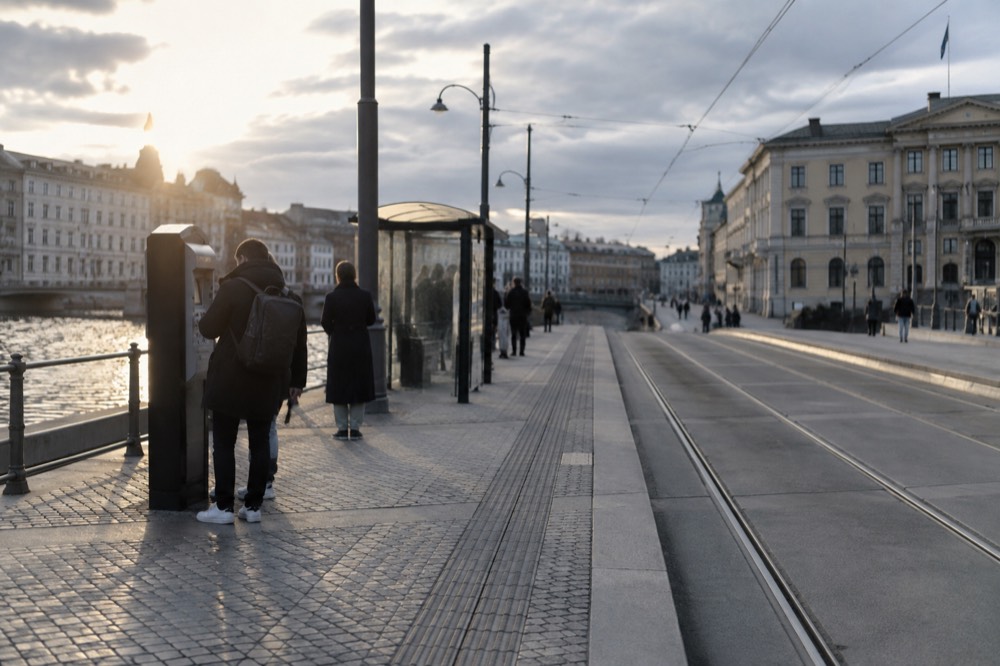
Two fare traps are worth naming. First, the halved 30-day tickets described above do not apply to anything a short-stay visitor buys, so ignore headlines about half-price transport. Second, the old Göteborg City Card no longer exists under that name, and the Go City pass that replaced it does not include public transport, so do not budget for a pass that covers your day trip trains. The city card guide works through the current products and what they actually bundle.
| Cost item | Typical figure | Notes |
|---|---|---|
| Västtrafik single, 1 zone | 38 kr adult | 29 kr youth, per Västtrafik's fare table |
| Västtrafik 24-hour, Zone A | 125 kr | Covers tram, bus and the archipelago ferries |
| Västtrafik single, 3 zones | 114 kr adult | The widest single-ticket reach |
| Liseberg entry | From 95 kr online | Rides sold separately; park closed 24 Dec to mid-April |
| Universeum | Dynamically priced | Booked time slot; on-site price is online price plus 30 kr |
| Göteborgs konstmuseum | 75 kr | Free under 20 and for students |
Admission prices are the moving part. Universeum's own ticket page states there is no fixed published adult price because entry is dynamically priced with a booked time slot, and the on-site price is the online price plus 30 kr. Liseberg's 2026 calendar runs summer 18 April to 20 September, Halloween 2 October to 1 November and Christmas 14 November to 23 December, with the park shut in between, so a "cheap Liseberg day" in late January does not exist. The is Gothenburg expensive guide puts these figures in a full daily budget.
If you would rather outsource the planning entirely, these are the guided options that turn a day trip into a single booking.
Common Questions About Day Trips from Gothenburg
Is the Gothenburg archipelago a day trip?
No. The southern islands of Styrsö, Brännö, Vrångö, Donsö, Asperö and Köpstadsö are areas of the City of Gothenburg, reached by tram to Saltholmen and then ferry on an ordinary Västtrafik Zone A ticket. A 24-hour ticket at 125 kr covers the whole journey. True day trips, like Marstrand or Varberg, go outside the city boundaries.
What is the best day trip from Gothenburg without a car?
Marstrand for a fortress island and seafood, reached by Västtrafik bus and ferry, or Varberg by direct train for a fortress, a cold bath house and a beach. Trollhättan is another direct train ride, pairing the Göta canal locks with a drive on to Läckö Castle on Lake Vänern if you join a tour.
Can you swim on a Gothenburg day trip?
Yes, and later in the year than most visitors expect. SMHI's sea temperature archive for the Vinga station shows the water peaks in August at 18.6 C, not July, and September water at 16.7 C is warmer than June at 16.2 C. Varberg's beach and the archipelago coves are both swimmable well into early autumn.
How do you pay for transport on day trips from Gothenburg?
Västtrafik tickets in the app or on a card cover trams, buses and boats inside the zones you buy. A single one-zone adult ticket is 38 kr and a 24-hour Zone A ticket is 125 kr. Regional trains beyond the Västtrafik area need their own tickets, bought at Göteborg Centralstation or in the operator's app.
Is Marstrand worth a full day from Gothenburg?
Yes. The crossing, the fortress climb, the harbour and a shellfish lunch fill a day comfortably, and the town is largely car-free, which slows the pace in a good way. A guided sailing trip from Gothenburg runs the whole route with the seafood market included, which suits visitors who would rather not plan the transfers.
What day trips from Gothenburg work in winter?
Trollhättan and Borås by train, the museums inside the city, and the Christmas period at Liseberg from 14 November to 23 December. Note that Liseberg closes between seasons, roughly from 24 December to mid-April, and that Swedish country houses such as Tjolöholm run reduced winter hours, so check each estate's own calendar.
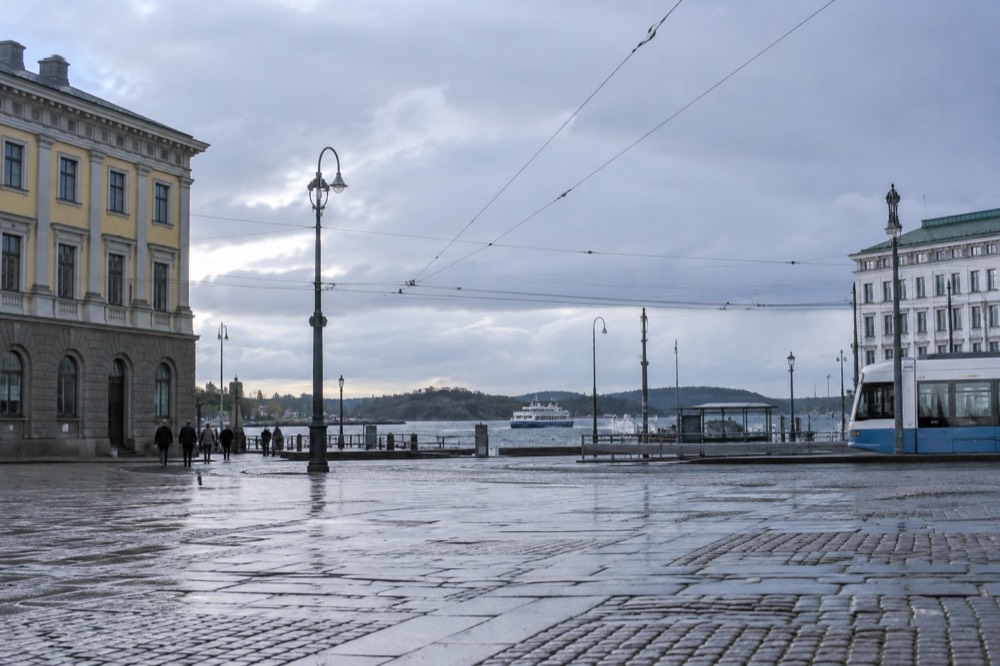
The pattern across all of these trips is that Gothenburg rewards travellers who treat it as a base rather than only a destination. The city's transport reaches islands, fortresses and lakes on tickets that cost less than a museum entry, and the trips that need more planning, Bohuslän's northern villages, Läckö Castle, the far Halland coast, are the ones where a booked tour earns its margin. For more on planning the whole stay, Gothenburg Travel Guide covers the city itself, from where to stay to getting around on trams and ferries.