Borås Street Art and the Textile Museum: The Art Day Trip from Gothenburg
Borås, an old textile town about an hour inland from Gothenburg, has spent the past decade turning itself into one of Sweden's most surprising art destinations, with murals across the city centre and a museum devoted to the fabric trade that built it.
Short answer
Borås is a straightforward day trip from Gothenburg by regional train, best known for large-scale street art across the city centre and the Textilmuseet, a museum covering the textile industry that gave the city its identity. Allow most of a day.
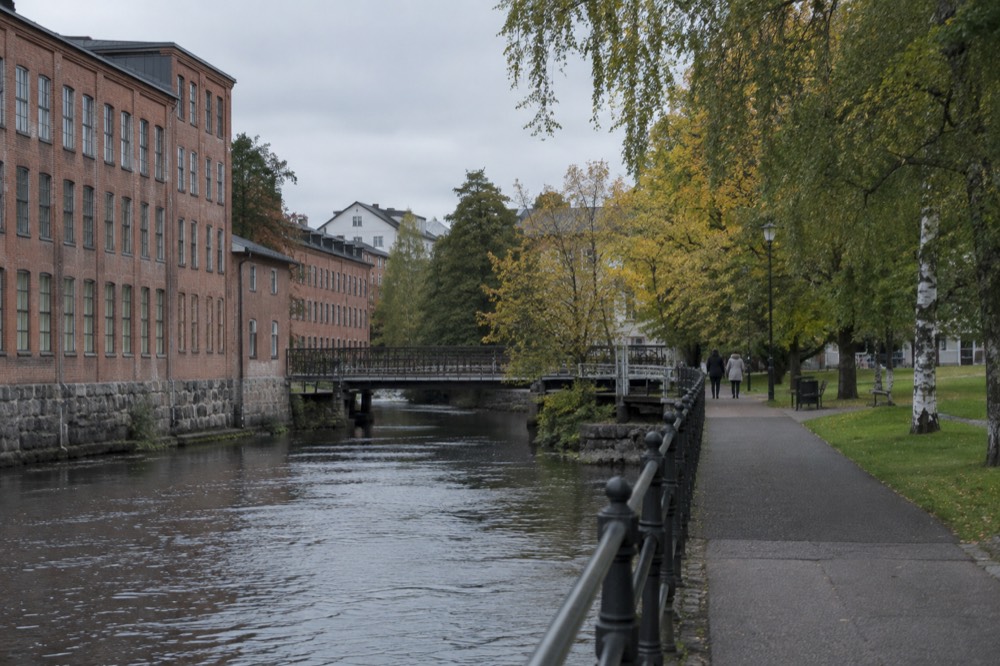
Borås does not look like an art city from the train window. It looks like what it was for two centuries: a mill town built on fabric, inland from Gothenburg, ringed by forest. Then the murals start. They cover gable walls, substations and the sides of apartment blocks, the residue of a street art project that has been inviting international artists to the city since the early 2010s. The result is a town where the open-air gallery is free, permanent and spread across ordinary working streets, and where the museum that explains the city, the Textilmuseet, is devoted to the trade that paid for all of it.
This is a day trip you can run on public transport from Gothenburg without a car, and it pairs well with a slower city itinerary. If you are still shaping the rest of your stay, our one day in Gothenburg plan covers the city-side essentials, and Gothenburg Travel Guide has a full rundown of day trips from Gothenburg if Borås is one of several candidates.
Why Is Borås Worth a Day Trip from Gothenburg?
Borås is worth the train ticket because it offers two things Gothenburg cannot: a walkable city centre that functions as a free open-air street art gallery, and the Textilmuseet, a museum that explains the fabric industry that made the town rich. Both sit within walking distance of the station, so the whole day runs on foot once you arrive. It is also genuinely inland, a change of scenery after days of granite, sea light and archipelago ferries.
The contrast is the point. Gothenburg's identity is maritime: shipyard cranes, the Göta älv, islands with no cars. Borås is the opposite register, a forest-and-mills town whose main street art sits next to ordinary shopping blocks and bus stops. You are not going there for wilderness or water. You are going for an hour or two of murals, an hour or two of textile history, and a Swedish small-city afternoon that costs almost nothing once you are off the train.
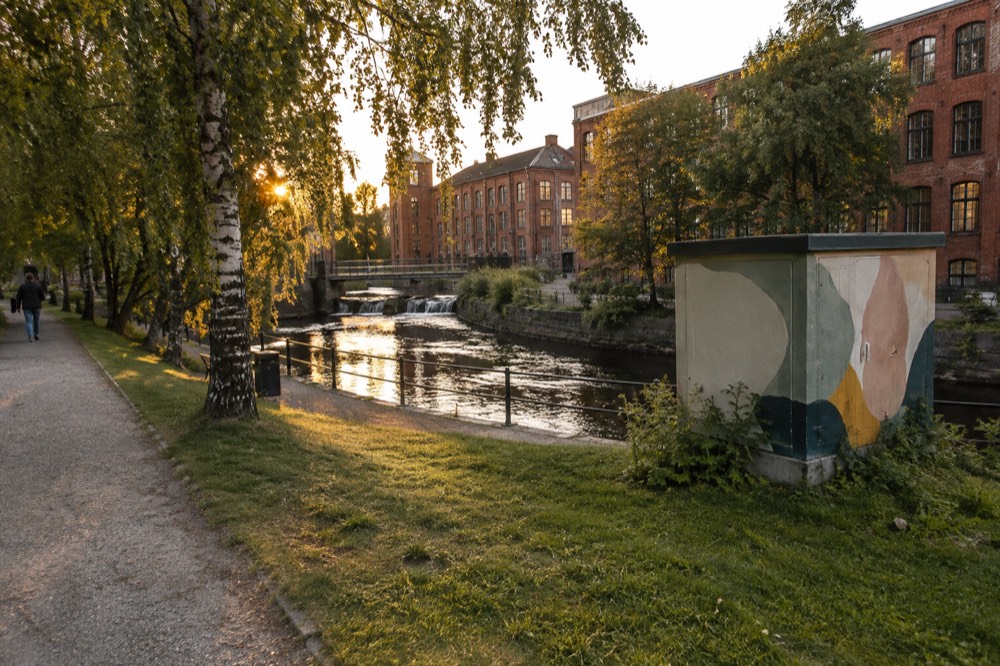
It also suits a particular kind of traveller. If your Gothenburg list is heavy on boats and you fancy a day of flat, compact walking with coffee stops, Borås fits. If you are travelling with teenagers who are bored by museums but photograph everything, the murals do the work the guidebooks cannot. And if your trip lands in weather that closes the archipelago, an inland art day is one of the few plans that improves with grey skies, since the murals read better without harsh sun.
The practical shape of the day is simple: train out in the morning, murals and city centre until lunch, Textilmuseet after, train back mid-afternoon or early evening. Nothing in the itinerary needs pre-booking except, in high summer, a quick look at return train times. Bring a water bottle and wear flat shoes; the walking is easy but constant, and the museum sits at the far end of a day that will already have covered several kilometres on foot.
How Do You Get from Gothenburg to Borås Without a Car?
Borås is reached from Gothenburg by regional train or bus, both planned and ticketed through Västtrafik, the same transport authority that runs Gothenburg's trams. You buy a zonal ticket rather than a separate operator fare, and the journey is short enough that there is no case for renting a car for the day. Trains run from Göteborg Centralstation, and the station in Borås is within walking distance of the city centre, street art and museum.
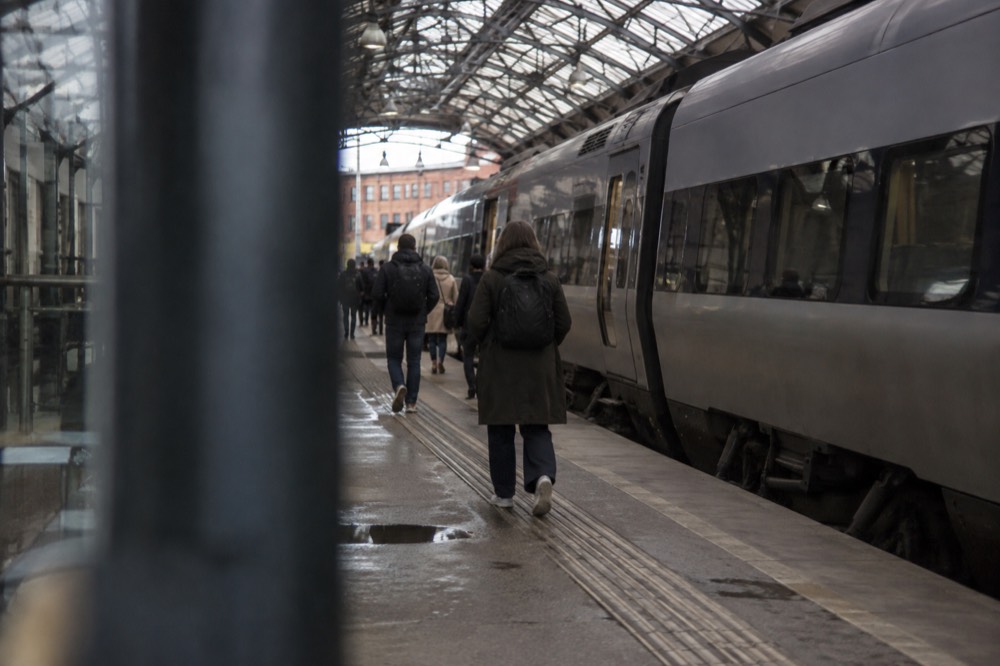
Start at Göteborg Centralstation. The station itself is worth ten minutes: it is Gothenburg's main rail hub, and if you have not read our guide to Gothenburg Central Station and what you need to know, the short version is that regional departures leave from the main platform hall and the Västtrafik app covers ticketing for the whole region, trains included.
On fares: Västtrafik's published fare table shows a single adult ticket at 38 kr for one zone, 76 kr for two zones and 114 kr for three zones, with youth tickets cheaper, per the authority's own single-ticket fare page. Borås sits outside the Zone A that covers Gothenburg itself, so the ticket you buy is a multi-zone one, and the exact zone count and current day-ticket price for the full Gothenburg-to-Borås stretch should be checked in the Västtrafik app before you travel. The 24-hour Zone A ticket at 125 kr, which covers Gothenburg's trams and the southern archipelago ferries, does not stretch to Borås. One thing worth knowing if you read news about Swedish transport: Västtrafik's 30-day period tickets are currently halved by a temporary state subsidy, but that subsidy does not apply to the single and day tickets a visitor buys, so do not plan around a discount that is not yours.
If you are building the trip around Gothenburg itself rather than leaving it, the city's sightseeing options are worth locking in early, especially in summer when the popular ones fill.
A note on the Go City pass above, because the details matter: the old Göteborg City Card no longer exists, and the Go City product that replaced it is a different thing under different terms. Unlike the old municipal card, it does not include public transport, so it will not cover your train to Borås. It is an attractions pass, not a travel pass.
Before you commit the day, here is how the journey and the day compare in shape:
| Question | Borås day trip | Staying in Gothenburg |
|---|---|---|
| Transport | Regional train or bus, Västtrafik zonal ticket | Trams within Zone A |
| Booking needed | None, buy in app or at the station | None for trams; tours book ahead |
| Weather sensitivity | Low, murals and museum work in rain | Boats and islands suffer in wind and rain |
| Walking | Flat, compact city centre | Flat but spread out |
| Cost beyond the fare | Street art free; museum admission; lunch | Varies by plan |
What Is Borås Actually Famous For?
Borås is famous for two things: textiles and street art. The textile heritage is the old one, a centuries-old trade in fabric and mail-order clothing that earned the city its reputation as Sweden's textile capital. The street art is the new one, built by a recurring festival that has brought international mural artists to the city since the early 2010s, leaving dozens of large permanent works across the centre. The two stories meet in the Textilmuseet, which covers the industry that built the town.
The textile story comes first chronologically. Borås grew as a town of pedlars and weavers, and later as the home of Sweden's mail-order clothing firms, a history that left the city with a design and manufacturing identity that outlasted the mills themselves. The Textilmuseet is the institution that holds that story: galleries on the machinery, the fabrics, the labour and the design side of the trade. Exact current opening hours and admission prices are on the museum's own site, and like several Swedish museums it closes on Mondays in the low season, so check the day of the week before you commit.
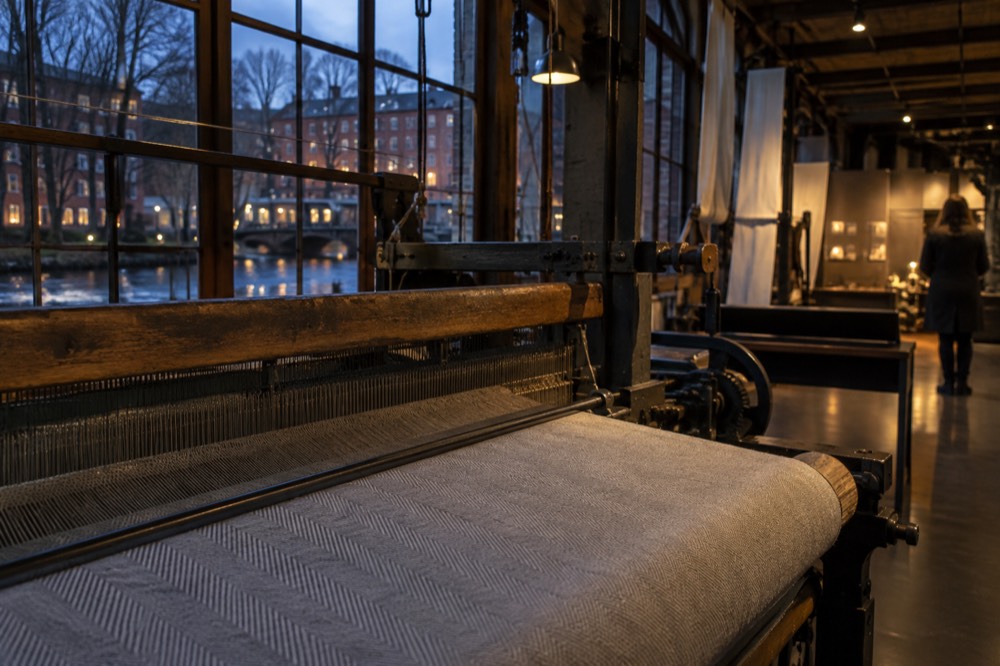
The street art story is the one that put Borås on the modern travel map. A recurring street art project, generally known by its No Limit name, has invited artists to paint the city since the early 2010s, and the murals stayed. They are not in a designated arts district. They are on the sides of ordinary buildings, and part of the pleasure of the day is that you find them by walking rather than by following a route.
A rough division of the day's sights:
| Sight | Type | Time needed | Cost |
|---|---|---|---|
| Street art across the city centre | Outdoor murals, self-guided | 1.5 to 3 hours | Free |
| Textilmuseet | Indoor museum | 1 to 2 hours | Admission, price on the museum's site |
| City centre and squares | Shops, cafes, public art | 1 hour plus lunch | Free to browse |
| Surrounding forest walks | Optional, if you have energy left | Variable | Free |
If the museum and murals together sound like a full day, they are, and that is exactly the point of the trip. Before you lock the plan, one practical question is worth settling: whether to fold a Gothenburg attraction pass into the same visit, since the pass covers city attractions and can be activated on a day you are not even in Gothenburg.
The pass is a city-side product, so it pairs with the Gothenburg half of your trip rather than the Borås half. Treat it as an option for the days before or after, not as part of the train day itself.
How Do You Find the Street Art in Borås?
You find Borås's street art by walking the city centre with your eyes up rather than by following a single trail: the murals sit on gable walls, substations and building sides across the central blocks, many of them within ten or fifteen minutes of the station. The city publishes its own map of the works, and the tourist information point can point you to the newest pieces, but the productive method is to pick a couple of anchor murals and let the walk find the rest.
The practical advice is to start at the station, walk into the central shopping streets, and loop. The biggest pieces tend to be on the walls of larger buildings where the artists had height to work with, so the edges of blocks and the sides facing car parks and side streets are often more productive than the main pedestrian street itself. Photograph what you find as you go, because the collection changes: new works appear with each festival edition and older ones are occasionally painted over or weathered. The full index of guides sits on Gothenburg Travel Guide.
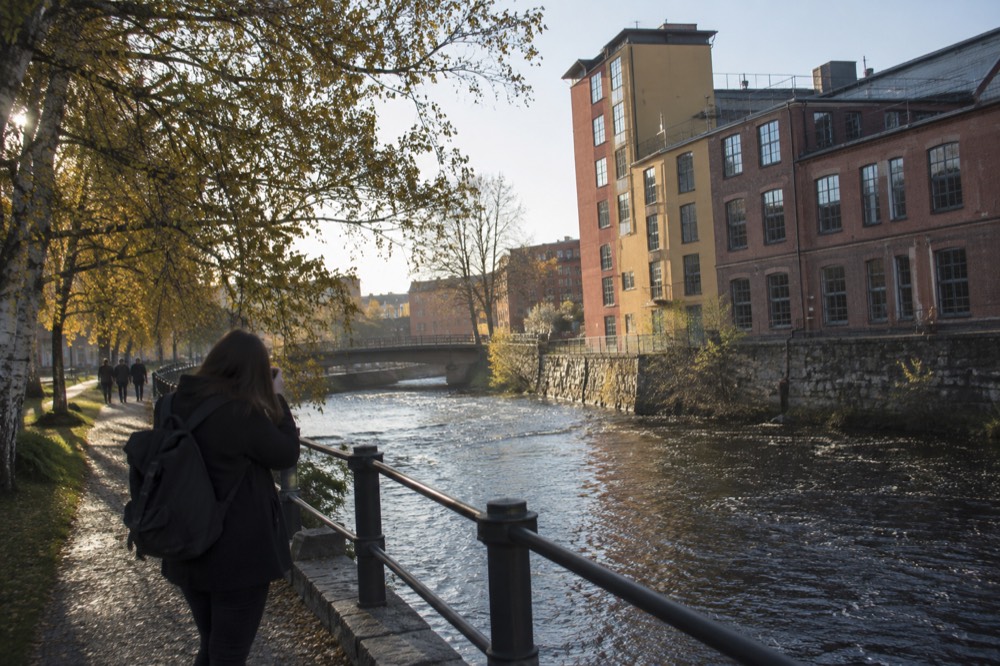
Two honest caveats. First, this is a living collection rather than a curated gallery: some works are spectacular, some are modest, and a self-guided day will include a few duds between the highlights. Second, the murals are spread over a working city, so comfortable shoes matter more than a rigid plan. If you want structure, the tourist office's own map is the reliable source, since third-party blogs age quickly as walls change.
For the visitor used to Gothenburg's scale, one comparison helps: Borås's street art day is closer in feel to exploring a single Gothenburg neighbourhood like Haga, Gothenburg's wooden old quarter, than to a full day of city sightseeing. It is a half-day of content stretched to a comfortable full day by lunch and the museum. Budget your expectations the same way: a good Borås afternoon is quiet, low-cost and unhurried, not a highlight reel.
What Is in the Textilmuseet, and Is It Good?
The Textilmuseet covers the whole arc of Borås's fabric trade, from hand weaving and early machinery through the industrial mills to contemporary textile design, with machinery, garments, fabric samples and design exhibits. For most visitors it is a solid one-to-two-hour museum rather than an all-day one, and it is the single best explanation of why Borås exists at all. Check the museum's own pages for current hours, prices and any temporary exhibitions before you go.
The museum's strength is context. The street art outside is the fun half of the day; the museum is the half that tells you what the city was before the murals, and why a mid-sized inland town has a design school and a fashion pedigree at all. The machinery floors in particular give you the noise and scale of the industry in a way text cannot, and the design exhibits carry the story forward into the present.
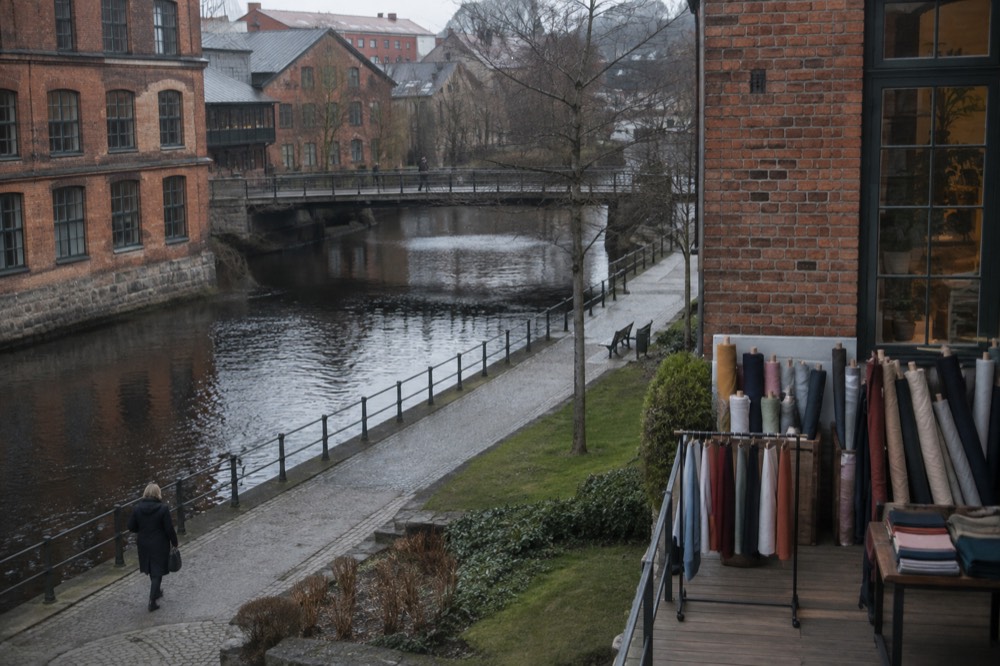
Who it suits: travellers with any interest in design, fashion or industrial history, and families with school-age children who can handle a museum that is partly hands-off. Who it will underwhelm: visitors expecting a Stockholm-scale national museum. Manage expectations, pair it with the murals, and it earns its slot.
How Long Should a Borås Day Trip Take?
A Borås day trip needs most of a day: travel out in the morning, two to three hours of street art walking, an hour or two in the Textilmuseet, lunch in between, and a mid-to-late afternoon or early evening return. Trying to compress it into a half day works only if you skip the museum, and skipping the museum removes the half of the story that explains the city.
The honest planning range is six to nine hours door to door, with the train legs at each end. That makes it a poor choice for a cruise-ship day, where shore time is counted in half-days, and a good choice for anyone with three or more nights in Gothenburg. If you are deciding how to split a short trip, our two days in Gothenburg and three days in Gothenburg plans keep Borås as a third-day option rather than a first.
Season matters less here than for coastal trips, which is part of the appeal. The murals are permanent and the museum is indoors, so a Borås day works in October rain or February dark alike. The one seasonal note worth carrying: daylight in western Sweden runs from 6 h 32 m at the December solstice to 18 h 06 m at the June solstice, so a winter version of this trip should start early to keep the mural-hunting in daylight.
The timing conclusion from all of that: spring and early autumn are the sweet spots for an inland walking day, and the murals photograph well in the flat light of either.
Which Other Day Trips from Gothenburg Should You Compare It To?
Borås competes with a set of classic Gothenburg day trips that split into art-and-cities and coast-and-castles: Marstrand's island fortress, the Bohuslän granite coast, Varberg on the Halland coast, the Trollhättan canal locks, Läckö Castle on Lake Vänern, and Gunnebo House near the city. Borås wins on art and ease, and loses to the coast on scenery, so the choice usually comes down to weather and how many museums you have already done.
The comparison set, honestly ranked:
| Day trip | Best for | Weakness | Transport |
|---|---|---|---|
| Borås | Street art, textile history, rainy days | No sea, no scenery drama | Train or bus |
| Marstrand | Island fortress, sailing town | Busy in summer | Train and bus, then ferry |
| Bohuslän coast (Smögen, Fjällbacka) | Granite islands, swimming | Long travel time, car helps | Train plus bus, or car |
| Varberg | Fortress, Halland beaches | Beach-oriented, less to do in winter | Train |
| Trollhättan | Canal locks, waterfalls | Industrial rather than picturesque | Train |
| Gunnebo House | Closest trip, 18th-century house and gardens | Short, half-day content | Bus or tram plus bus |
Deeper guides exist for each: Marstrand, the island fortress day trip, the Bohuslän coast, Smögen, Fjällbacka and the granite islands, Varberg and the Halland coast, Trollhättan and the Göta canal locks, Läckö Castle and Lake Vänern, and Gunnebo House and gardens. If your trip is short, pick one inland art day or one coastal day, not both.
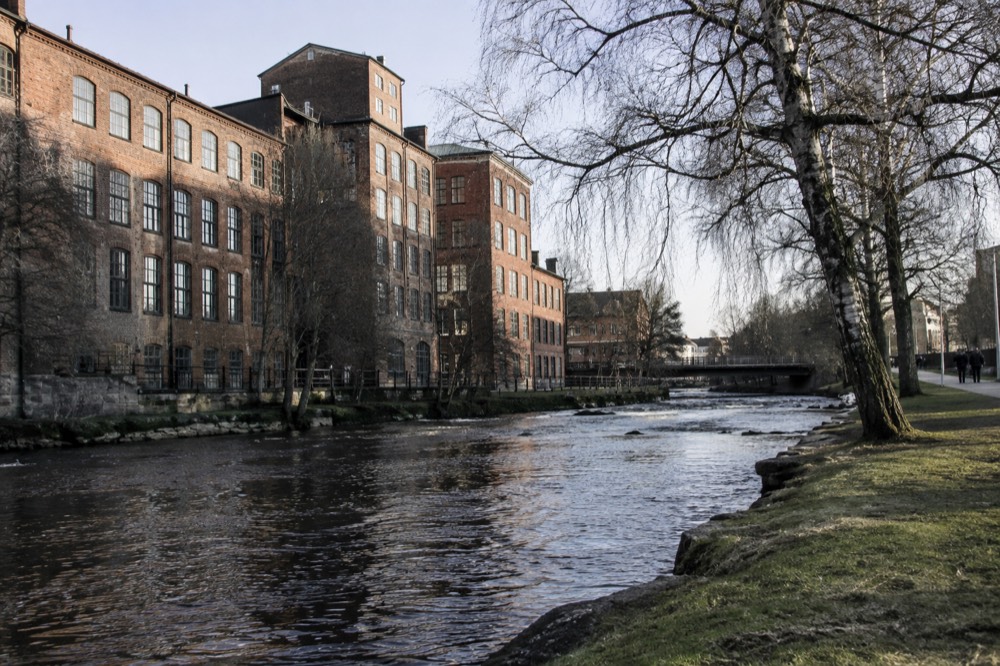
If instead you decide Borås can wait and Gothenburg itself deserves the full day, the archipelago by boat is the experience the city does better than anywhere else in Sweden, and it is the one tour worth booking ahead in summer. The guided archipelago cruise below is the standard version of that day, and it runs on the same waters the car-free islands sit in.
Whichever way you split your days, the underlying arithmetic is simple: Borås is the cheap, easy, weather-proof option, and the coast is the memorable one. Many travellers do Borås on the grey day and save the islands for the sunny one, which is exactly the right instinct.
Common Questions About Borås as a Day Trip from Gothenburg
Is Borås worth visiting from Gothenburg?
Yes, for a specific kind of day: street art, textile history and an easy train ride. It is not a scenery destination, so if your priority is coast, islands or grand architecture, Marstrand or the Bohuslän coast will serve you better.
How do you get to Borås from Gothenburg?
Regional train or bus from Göteborg Centralstation, ticketed through Västtrafik's zonal system. Buy in the Västtrafik app or at the station, and check the fare pages for the current multi-zone price, since the Zone A tickets that cover Gothenburg's trams do not reach Borås.
What is Borås famous for?
Textiles and street art. The city built its wealth on the fabric trade, which the Textilmuseet covers, and a recurring street art project has left dozens of large murals across the city centre since the early 2010s.
Is the street art in Borås free to see?
Yes. The murals are on public buildings and streets, and walking to see them costs nothing. The Textilmuseet charges admission, with current prices on the museum's own site.
Can you do Borås as a half-day trip?
Only if you skip the Textilmuseet and treat it as a mural walk with lunch. With the museum included, plan on most of a day, door to door.
Is Borås a good rainy-day option?
Yes, one of the better ones. The murals survive grey weather and the museum is indoors, so the day works in the October rain that is western Sweden's wettest month, when coastal and island plans suffer most. For the underlying numbers, SMHI's 1991-2020 climate normals are the primary source.