Trollhättan and the Göta Canal Locks: The Day Trip from Gothenburg
Trollhättan sits under an hour north of Gothenburg, where the Göta älv drops through one of Sweden's most famous lock staircases on its way out to the sea. This guide covers the train, the locks, and how to build the day.
Short answer
Trollhättan is the closest proper day trip from Gothenburg, reached by direct train along the Göta älv. The lock area is free to walk, compact, and walkable from the station, making it an easy half or full day.
Trollhättan is the town where the Göta älv, the same river that runs through central Gothenburg, loses its patience. The water falls roughly 30 metres on its way past the town, and Swedish engineers have spent three centuries turning that drop into a navigable staircase of locks, a hydroelectric plant, and one of the country's most photographed stretches of water. The result is a day trip that feels nothing like Gothenburg's granite-and-brick city centre, and it starts less than an hour away by direct train.
This guide lays out how the trip works: the train from Göteborg Centralstation, what the lock area actually is, how long the walk takes, and how to combine Trollhättan with the rest of a west Sweden itinerary. A word on sources first. Nobody writing for Gothenburg Travel Guide has stood at the locks; every practical claim below rests on what the operators, the transport authority, and the town's own visitor information publish.
Is Trollhättan Worth a Day Trip from Gothenburg?
Yes, for most visitors it is the easiest worthwhile day trip from Gothenburg: a direct regional train runs along the river, the lock staircase and its surrounding park are free to walk, the whole sight sits within walking distance of the station, and the trip can be done comfortably in half a day. It is not a castle or an island fortress; it is industrial history in a landscape, and it rewards visitors who like engineering, rivers, and short walks more than those chasing museums.
The comparison that matters is with the other big day trips. Marstrand gives you a fortress island and sailing culture, Läckö Castle and Lake Vänern give you baroque state rooms, and the Bohuslän coast gives you granite and open sea. Trollhättan gives you falling water. On a clear day, with the locks running, few sights in the region are as dramatic for the price of a train ticket.
The town itself is modest. You come for the locks, the old canal works, and the riverside paths, not for shopping streets. That is honest, and it is also why the trip works so well with a late start: there is no queue, no ticket line, and no schedule you have to hit.
How Do You Get from Gothenburg to Trollhättan?
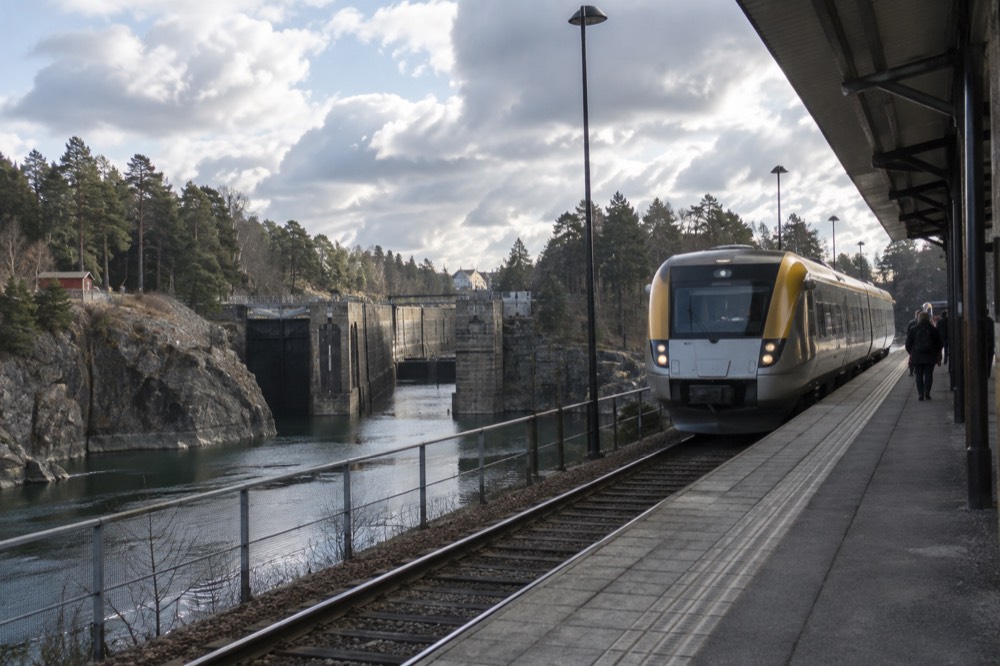
The train is the sensible answer: direct regional services run from Göteborg Centralstation to Trollhättan along the Göta älv, the journey takes under an hour depending on the service, and Trollhättan station sits a short walk from the lock area. Västtrafik and the regional operator SJ both publish timetables on their own sites, and the line is one of the busiest regional corridors in western Sweden, so departures are frequent through the day.
Check current fares on the operators' own booking pages rather than trusting secondhand figures; regional train pricing in Sweden varies by service and how far ahead you book. Västtrafik publishes its ticket types and prices on its own fares page, which is the place to confirm what your specific departure needs. A few practical points from the published timetables:
- The route follows the river valley for much of the way, so the right-hand window is the scenic one heading north.
- Västtrafik's zone system covers regional travel in the region, but long-distance regional trains may be sold under separate fare rules; check which ticket your specific departure needs before boarding.
- Tickets for Swedish regional trains are cheapest bought in advance, and the same advice applies here as on the Gothenburg to Stockholm train: book ahead if your day is fixed.
Driving is also reasonable. The route north follows the E45 along the river, and the drive is straightforward, but parking near the locks is limited on busy days, so the train wins on simplicity.
| Option | Rough time | Best for | Watch out for |
|---|---|---|---|
| Regional train from Göteborg C | Under an hour | Almost everyone | Advance booking is cheaper; check which operator runs your departure |
| Car via the E45 | About an hour | Families, flexibility | Parking near the locks fills on event days |
| Organised day tour | Varies | Visitors who want everything arranged | Few run Trollhättan alone; most combine it with lake or castle stops |
If you would rather have someone else handle the logistics, a private day trip out of Gothenburg is the alternative. The private Lake Vänern and Läckö Castle trip runs long, so check whether the operator can route via Trollhättan before booking.
What Are the Trollhättan Locks and the Göta Canal?
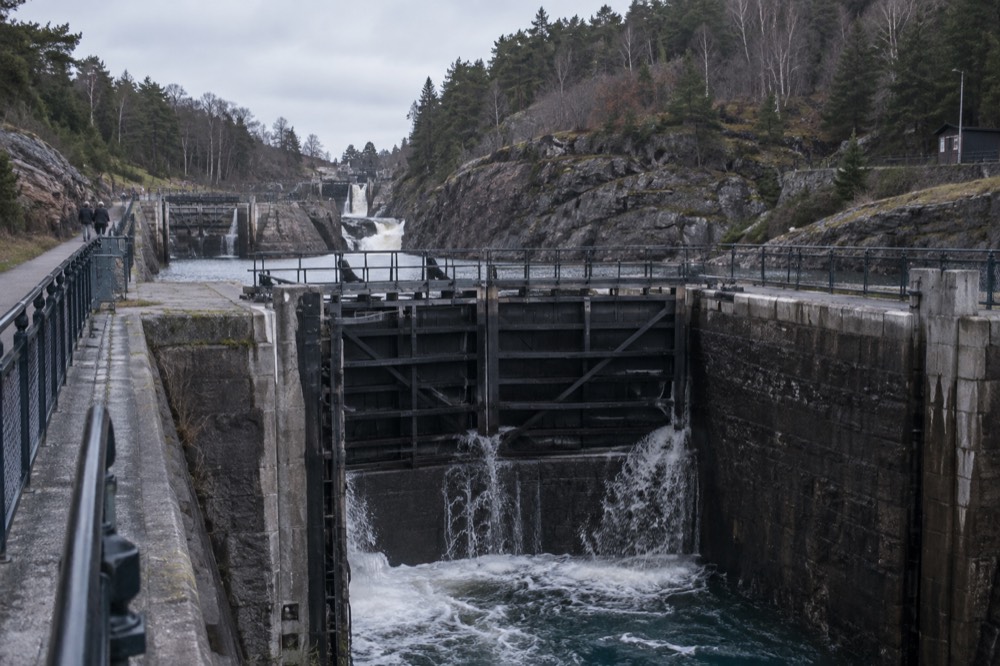
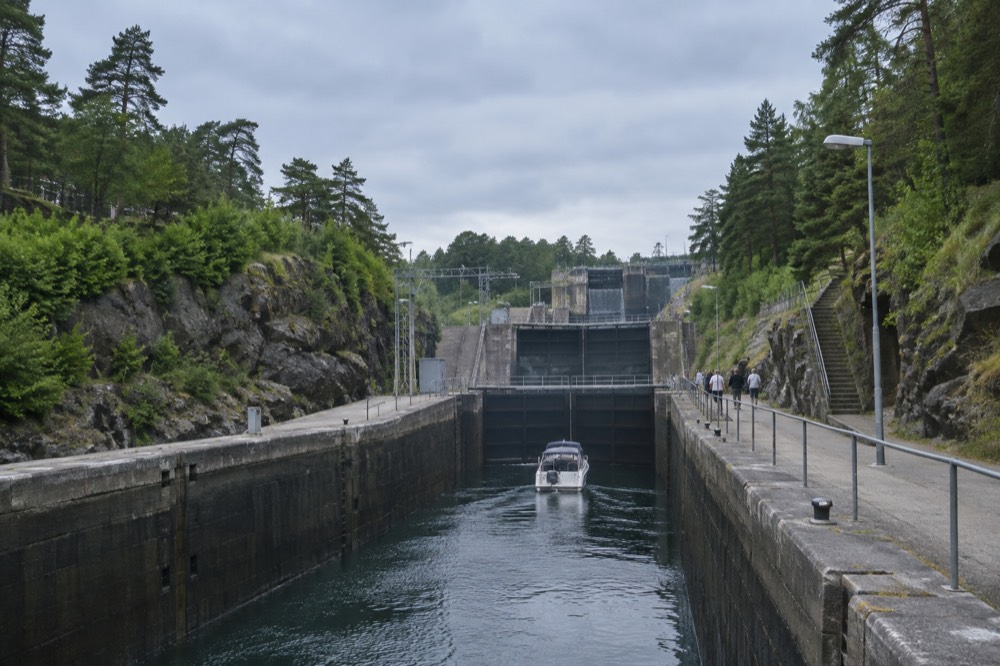
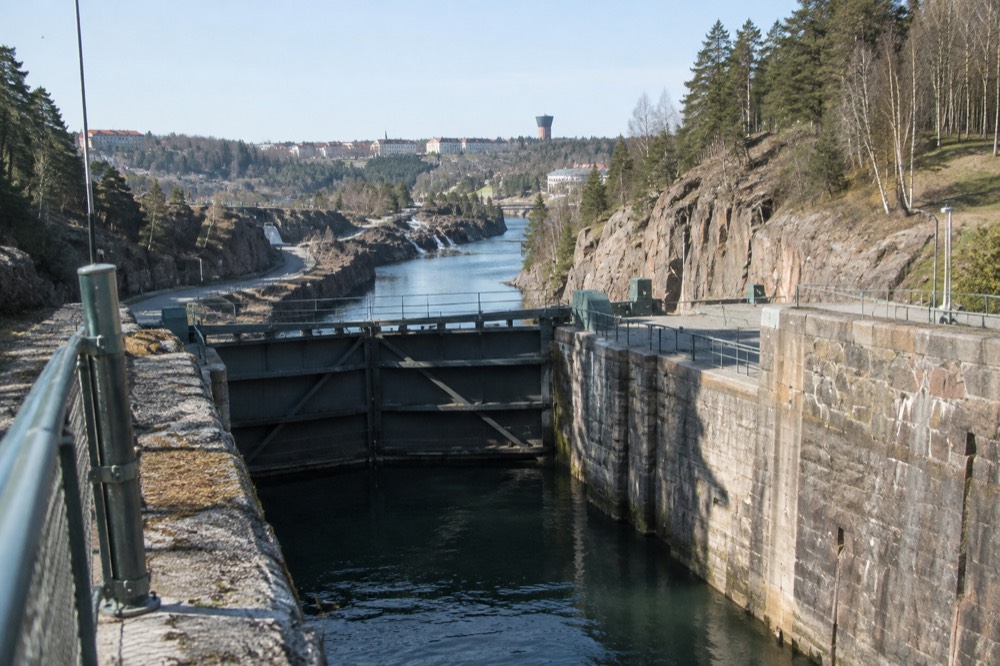
The Trollhättan locks are a staircase of canal locks that lifts boats past the river's largest drop, part of the Göta canal system that has connected Sweden's east and west coasts since the 19th century; the lock area at Trollhättan is a designated heritage site, free to enter, and centred on a dramatic gorge where the Göta älv falls through the town. The canal's story is longer than the locks you see today: earlier lock designs from the 18th and 19th centuries survive alongside the working flight, and the site is effectively an open-air museum of Swedish engineering.
The single most useful thing to know is that the locks only operate in season. Boat traffic through the staircase runs during the summer canal season, and outside it the gates stand closed and the experience is quieter, more about the landscape and the heritage buildings than about watching vessels rise and fall. The town's visitor information publishes the current season dates, and canal boat operators publish their sailing schedules, so check both before you promise yourself a lockage.
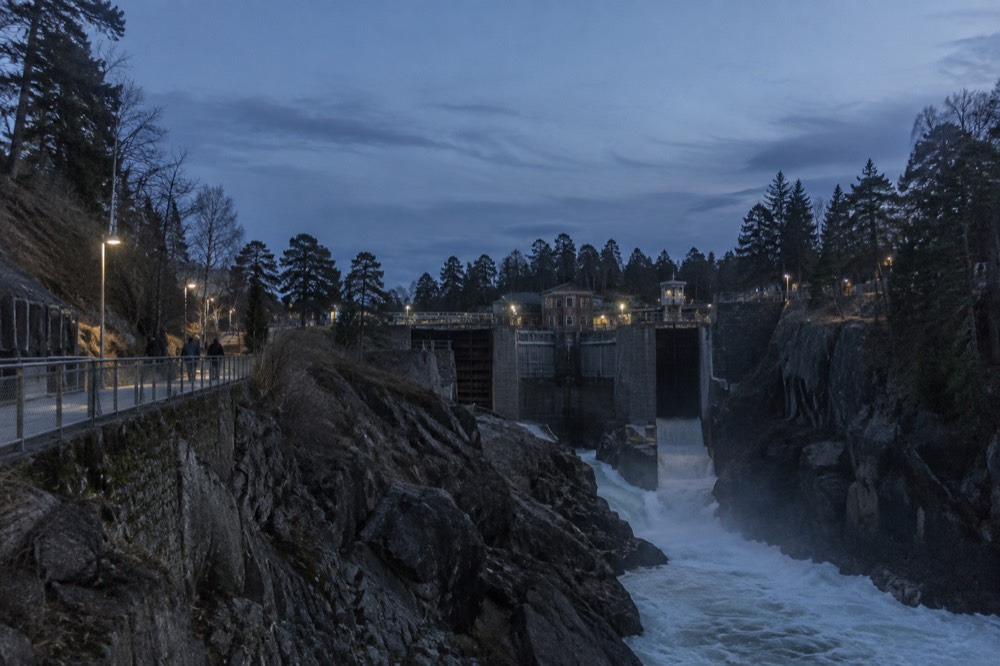
The gorge itself is the free spectacle. When the sluices open, the river thunders through a narrow cleft in the rock, and there are viewing platforms and footbridges built for exactly this. The falls are scheduled rather than constant, so if the water is running during your visit, make time for it; the town publishes release times in season.
What you can see on foot:
| Sight | What it is | Time needed |
|---|---|---|
| The lock staircase | The working 19th-century flight that carries boats past the drop | 30-60 min, longer if a lockage is running |
| The old lock remnants | Earlier lock generations preserved beside the modern one | 20-30 min |
| The gorge and falls | The river's narrow rock cleft, dramatic when the sluices open | 15-30 min plus viewing |
| Riverside walkways | Paths along both banks connecting the sites | 30-60 min |
The walk from the station to the locks is flat and signposted. If you want a sense of the terrain before you go, the getting around Gothenburg logic applies here too: compact Swedish towns are built for walking, and Trollhättan's sights cluster in one small area.
How Much Time Do You Need at the Locks?
Plan on two to three hours for the lock area itself: enough to walk the staircase, see the old locks, cross the footbridges over the gorge, and wait for a lockage or a water release if one is scheduled, with the whole visit done comfortably in a morning or an afternoon. Add travel time and a meal, and the day trip totals six to eight hours door to door from central Gothenburg.
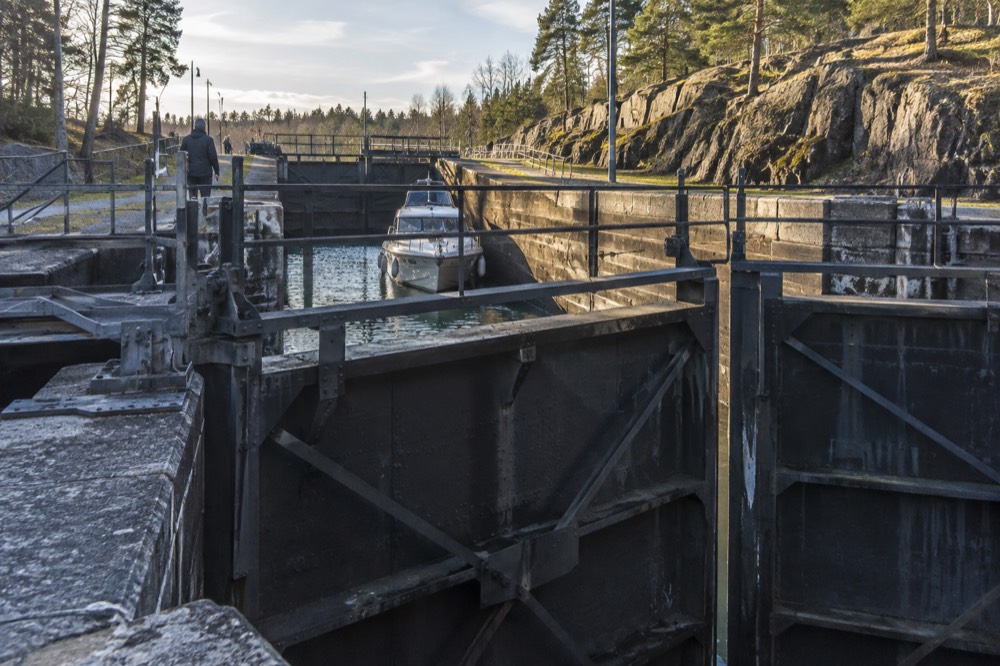
The timing decision that matters most is whether a lockage or a fall release coincides with your visit. Lockages happen when boats pass, which means summer weekdays; fall releases happen on scheduled days in season. Arrive blind in November and you will still enjoy the walk, but the water will be quiet. The canal operators and the town's event calendar publish dates, so a minute of checking saves a wasted hour.
A sample day, built around the published train frequency:
| Time | Plan |
|---|---|
| Morning | Direct train from Göteborg Centralstation, coffee on arrival |
| Midday | Walk the lock staircase and the old lock remnants, cross the gorge footbridges |
| Lunch | Town centre, a short walk from the locks |
| Afternoon | Riverside paths, the museum buildings if open, then the train back |
| Evening | Back in Gothenburg in time for dinner on the Linné strip |
What Else Is There to Do in Trollhättan?
Beyond the locks, Trollhättan offers riverside walking trails along both banks of the Göta älv, a museum covering the canal's history, and a compact town centre, which together fill out a full day without needing a car; the town is also a working film-production hub, which shows up in occasional exhibitions and events. None of these are destination attractions on the scale of Gothenburg's museums, but they are honest small-town sights.
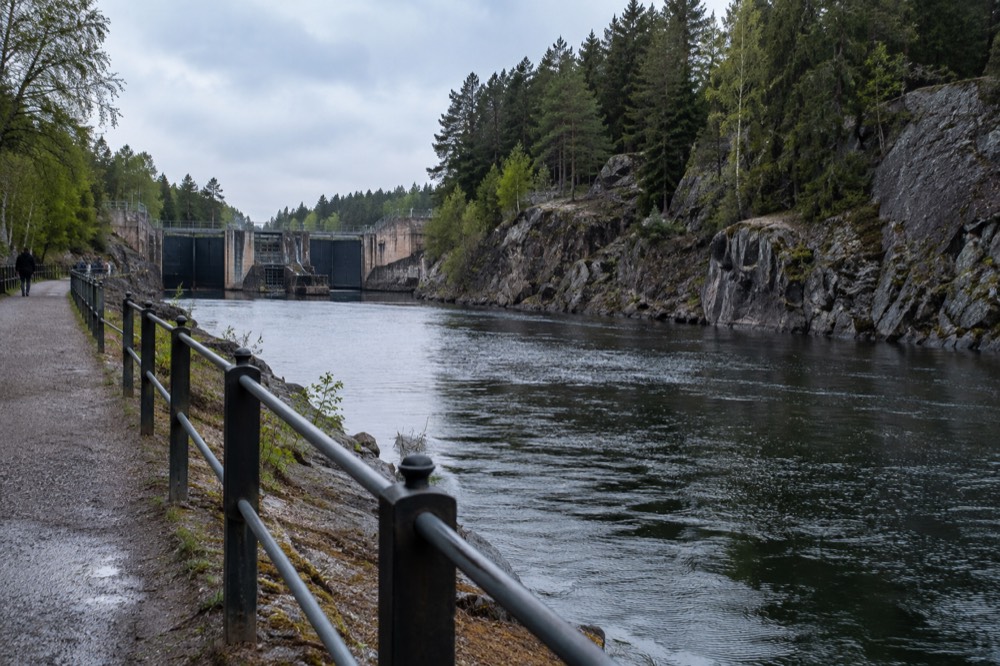
The riverside paths are the sleeper hit. The Göta älv runs through the whole town, and the banks are connected by bridges, so you can build loops of an hour or more without repeating yourself. In good weather this is the part of the day visitors remember as much as the locks.
For families, the regional addition worth knowing about is Nordens Ark, the wildlife park that works with endangered species, which lies north of Gothenburg and sells timed entry online. The listing carries a rating of 4.5 from 10 reviews, and entry runs from $29 per person. It pairs naturally with a river-valley day if you have a car, since the park is not a short walk from a station.
Another option with a booking attached, if you would rather stay on the water than beside it, is the guided archipelago cruise back in Gothenburg, which runs 2.5 hours from $44 per person and carries a 4.4 rating from 1,488 reviews. It makes a good evening wind-down after a day of walking, since it departs from the city centre.
When Is the Best Time to Visit Trollhättan?
Summer, roughly June through August, is the best time to see the locks working, because that is when canal boats run the staircase and the scheduled water releases take place; spring and early autumn give you quieter paths and softer light but a still, closed lock flight, and winter is for the landscape alone. The canal season is the whole game here, so match your visit to it if lockages matter to you.
The climate logic comes from the same river you will be standing beside. SMHI's 1991-2020 normals for the Göteborg station, upstream on the same water, show the driest month of the year is April at 51.3 mm and the wettest is October at 102.9 mm, with July the warmest month at a mean of 18.3 C. SMHI publishes the full 1991-2020 normal period data on its own knowledge bank pages. Those numbers argue for a late-summer visit: the canal season is running, the wettest month has not arrived, and the water is warm enough that a riverside lunch outdoors is a real plan rather than a hope.
Daylight matters too. At this latitude the swing between solstices is enormous: 18 hours 06 minutes of daylight on 21 June against 6 hours 32 minutes on 21 December. A December visit gives you grey light for barely eight hours and a closed lock flight, so if winter is your window, read the Gothenburg in winter guide and set expectations accordingly.
| Season | Locks | Landscape | Verdict |
|---|---|---|---|
| Spring (Apr-May) | Usually closed, check dates | Driest months of the year | Quiet, green, good for walking |
| Summer (Jun-Aug) | Operating season | Warm, long days | The full experience |
| Autumn (Sep-Oct) | Season tailing off, October is the wettest month | Colour, fewer boats | Good if you accept the rain risk |
| Winter (Nov-Mar) | Closed | Bare, dark by mid-afternoon | Landscape and museums only |
How Does Trollhättan Compare with Gothenburg's Other Day Trips?
Trollhättan is the shortest and cheapest of Gothenburg's major day trips, best suited to travellers who want engineering history and river scenery without a long journey, while Marstrand, Läckö Castle, and the Bohuslän coast each take longer to reach but deliver a bigger single payoff. Choosing between them is mostly a question of what kind of day you want.
A quick comparison, using the trips this site covers in depth:
| Day trip | Travel effort | Character | Full guides |
|---|---|---|---|
| Trollhättan locks | Shortest train ride | Engineering, falling water, riverside walks | This page |
| Marstrand | About an hour by bus and ferry | Island fortress, sailing town, seafood | Marstrand guide |
| Läckö Castle and Vänern | Longer, car or tour | Castle, lake, slow landscape | Läckö guide |
| Bohuslän coast | Half a day of travel each way | Granite islands, fishing villages, open sea | Bohuslän guide |
| Gunnebo House | Short, suburban | 18th-century house and gardens | Gunnebo guide |
The pattern is clear. Trollhättan is the low-commitment option, the one you can decide on over breakfast. The others reward planning. If your base is Gothenburg and you have several days, the three days in Gothenburg itinerary leaves room for exactly one of the bigger trips, and Trollhättan can be squeezed into a spare half day on top.
What Should You Eat and What Should You Bring?
Bring walking shoes, a rain layer, and cash-free payment, and plan lunch in Trollhättan's town centre, where ordinary Swedish cafes and restaurants sit a short walk from the locks; Sweden is close to cashless everywhere now, so a card covers the whole trip. There is no speciality dish unique to the town, so eat the standard west Swedish repertoire rather than hunting for a local speciality.
The rain layer is not decoration. SMHI's normals show rain on about 127 days a year at the Göteborg station, roughly one day in three, and the river valley shares that climate. October is the wettest month at 102.9 mm. A hood beats an umbrella on the footbridges, where the gorge funnels wind.
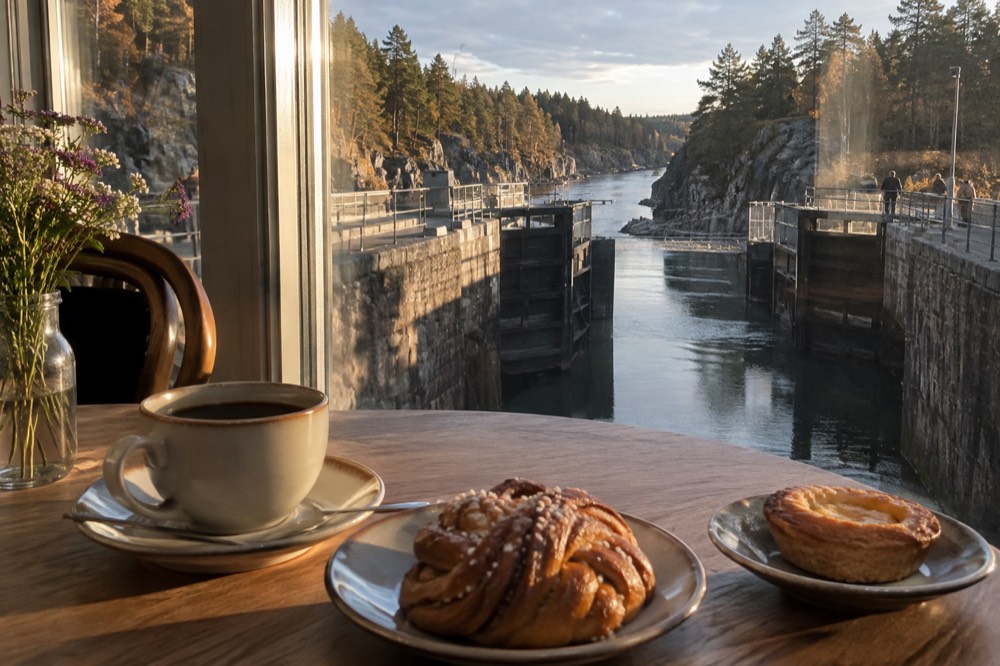
Two practical notes on Swedish food culture, both statutory rather than customary. Beer at or below 3.5% ABV is sold in supermarkets; anything stronger, plus all wine and spirits, is sold only by Systembolaget, the state monopoly, under Alkohollag (2010:1622). And the coffee break culture, fika, is as alive in Trollhättan as in Gothenburg, so read the fika guide and expect a proper afternoon pause.
If you want a food-focused day instead, the where to eat in Gothenburg guide covers the city's seafood halls and restaurants, and the seafood day trips along Bohuslän do the coast version of the same thing.
A last thought on pairing. The amphibious bus tour back in Gothenburg, which runs from $36 per person and carries a 4.7 rating from 4,326 reviews, covers the city's harbour from land and water, which makes a neat bookend to a day spent beside a river upstream. The lock staircase and the harbour tour are the same water, seen from two ends.
Common Questions About Trollhättan and the Göta Canal Locks
How do I get from Gothenburg to Trollhättan?
Take a direct regional train from Göteborg Centralstation; the journey runs under an hour along the Göta älv valley. Trollhättan station is a short, flat walk from the lock area. Check fares on the operators' own booking pages, since regional pricing varies by service and booking window.
Are the Trollhättan locks open to visitors?
Yes, the lock area is free to walk year-round. What changes with the seasons is the activity: canal boats pass through the staircase only during the summer operating season, and the dramatic water releases through the gorge run on scheduled days. The town's visitor information publishes current dates.
How long should I spend at the Trollhättan locks?
Two to three hours covers the lock staircase, the old lock remnants, the gorge footbridges, and the riverside paths. With train travel and lunch, the full day trip totals six to eight hours from central Gothenburg.
Is Trollhättan a good day trip from Gothenburg?
It is the shortest and easiest of Gothenburg's day trips, and the best fit for visitors interested in engineering history and river landscape. If you want a castle, an island, or a fortress instead, Marstrand, Läckö Castle, and the Bohuslän coast are the bigger-payoff alternatives, each covered in its own guide on this site.
When is the best time of year to visit the locks?
Summer, roughly June through August, when the canal season is running and lockages and water releases take place. April is the driest month in the region by SMHI's normals, good for quiet walking, while October is the wettest at 102.9 mm, and winter means a closed lock flight and short daylight.
Can you walk from Trollhättan station to the locks?
Yes. The lock area, the gorge, and the riverside paths all sit within walking distance of the station, and the route is flat and signposted. No local bus or taxi is needed for the core sights.