Fika in Gothenburg: How It Works and Where to Do It
Fika is not the Swedish word for coffee break. It is a social institution with its own grammar, and Gothenburg, Sweden, is one of the best cities in the country to learn it.
Short answer
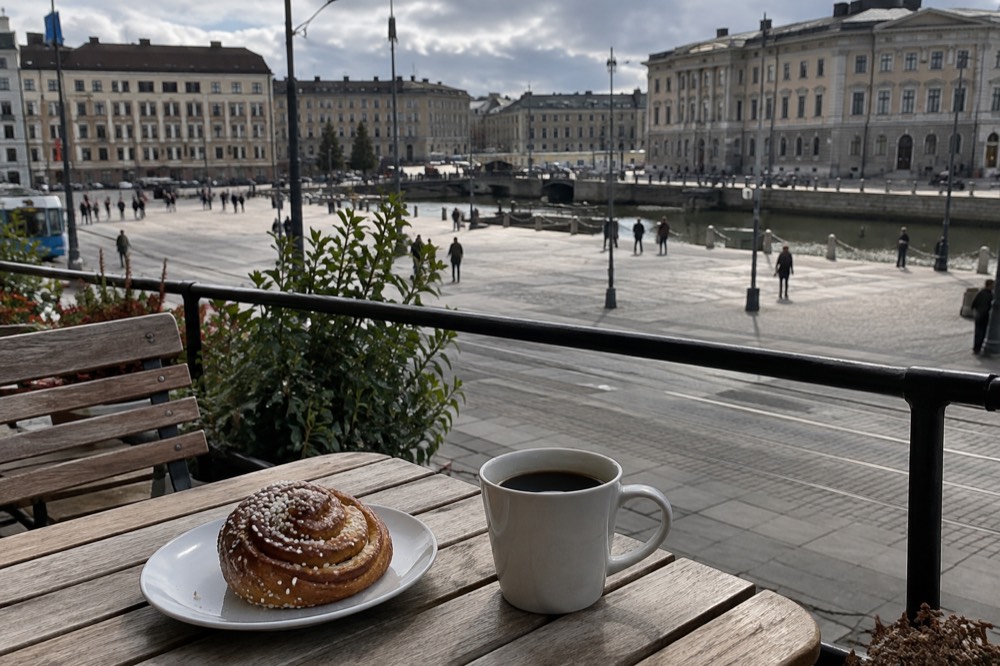
Fika in Gothenburg means stopping with other people, sitting down, and having coffee with something sweet, usually a cinnamon bun. It happens mid-morning and mid-afternoon, and Haga is the neighbourhood where most visitors do it, though every district has its own version.
Gothenburg drinks its coffee sitting down. The city sits at 57.7 degrees north on the Kattegat coast, the daylight swings more than eleven hours between solstices, and into that rhythm the Swedes have built a fixed pause that happens twice a day in offices, homes and bakeries across the city. It is called fika, and the single most common mistake an English-language guide makes is translating it as "coffee break". It is not a coffee break. It is a social habit with its own grammar: you stop, you sit, you have something sweet with it, and you do it with other people.
This guide from Gothenburg Travel Guide explains how the ritual works in Gothenburg, Sweden, what to order, what it costs, and where in the city to do it, from the giant cinnamon buns of Haga to coffee served on a boat in the archipelago.
What Is Fika in Gothenburg, Sweden?
Fika is a scheduled social coffee pause, taken with other people and almost always with something sweet on the plate. It is both a noun and a verb in Swedish: you can have a fika, and you can fika. It is not grabbing a takeaway cup, it is not eating at your desk, and it is not optional in most Gothenburg workplaces. The coffee matters less than the stopping.
The word itself is old Swedish slang, a back-formation from the syllables of "kaffi", an old word for coffee, flipped around. That etymology is the only casual thing about it. In practice fika has rules that every Swede absorbs by adulthood. You sit down. You linger. You talk to the people you are with, and the phone goes away. The accompaniment is usually baked: a kanelbulle, the Swedish cinnamon bun, is the default, though the cardamom bun and the seasonal semla both have devoted followings.
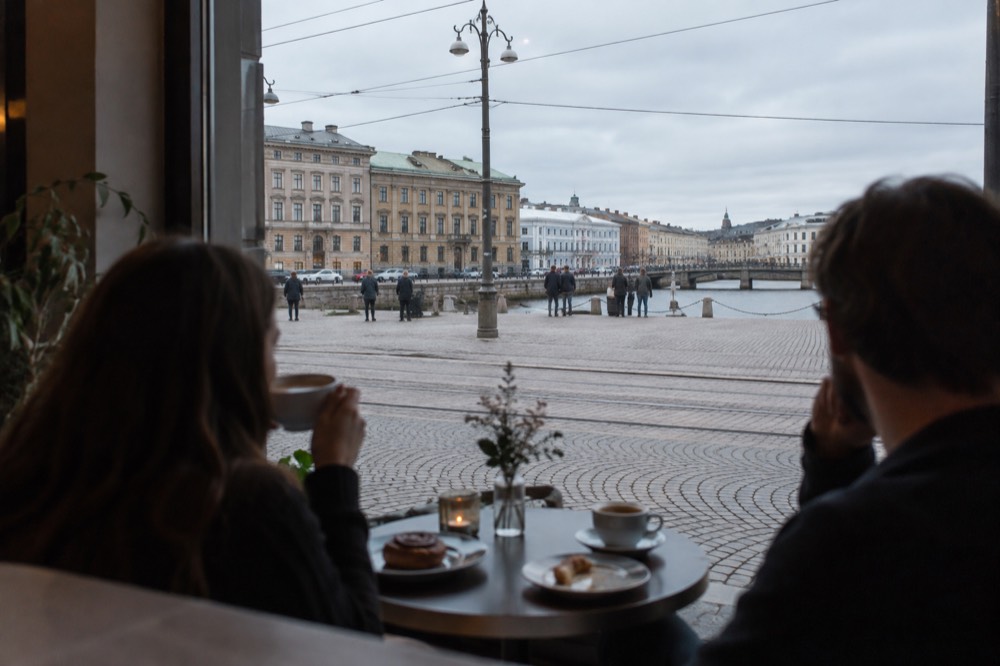
The rhythm matters too. Fika happens roughly twice a day: mid-morning, around nine or ten, and mid-afternoon, around three. In offices it is often a fixed calendar event. Many Swedish workplaces treat the afternoon fika as part of the working day rather than a break from it, and unions have defended it as such. A visitor who treats fika as a quick caffeine top-up misses the point entirely. The point is the pause.
There is also a verb form that does real social work. "Ska vi fika?" is the standard low-pressure invitation in Sweden, used between friends, colleagues and, famously, as a first date. It means coffee and a bun and conversation, and because it is so ordinary it carries none of the weight of a dinner invitation. If a Gothenburger asks you this, the answer is yes.
The habit is old and it is national, not regional. Coffee arrived in Sweden in the seventeenth century and by the eighteenth century had become the everyday drink of the towns, surviving repeated royal attempts to ban it. What makes Gothenburg a good place to learn the ritual is density: the city supports an unusual number of independent bakeries for its size, the cafe culture runs from old patisserie counters to third-wave espresso bars, and the compact centre means you are never more than a few minutes' walk from a counter with buns in the window.
Where to Do Fika in Gothenburg: The Neighbourhoods That Matter
Haga is where visitors do fika in Gothenburg, and the giant cinnamon buns sold in its cafes are a real local fixture, not a tourist invention. Beyond Haga, the city has distinct fika districts: Vasastan for student cafes and stone-street patisseries, Linné and the Långgatorna strip for a younger crowd, and Majorna for second-hand shops with a bakery on every corner.
Haga is the wooden old quarter, built on the slope below Skansen Kronan, and its cobbled streets and low painted wooden houses are the postcard version of pre-industrial Gothenburg. It is also, genuinely, where the city's most famous fika is served. The oversized kanelbulle, a cinnamon bun the size of a side plate, is a fixture of the neighbourhood's cafes and has been for years. Expect a queue on weekends, and expect the bun to be shareable.
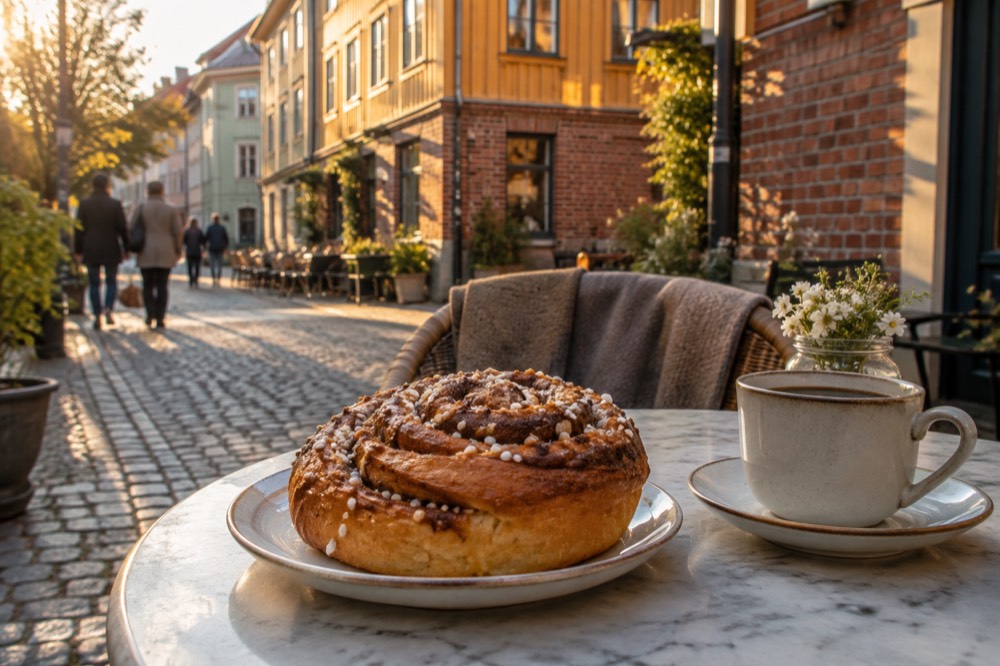
The other districts each do it differently. Vasastan, north of the boulevard, has stone streets and student cafes around Vasaplatsen, and the city's patisserie tradition runs deep here. Linnégatan and the Långgatorna strip, running west toward Slottsskogen, are where the crowd skews younger and the cafes double as workspaces. Majorna, further west still, is the second-hand quarter, and its cafes are small, unpolished and full of locals. If you want the full picture of the neighbourhoods, our Haga guide covers the old quarter street by street.
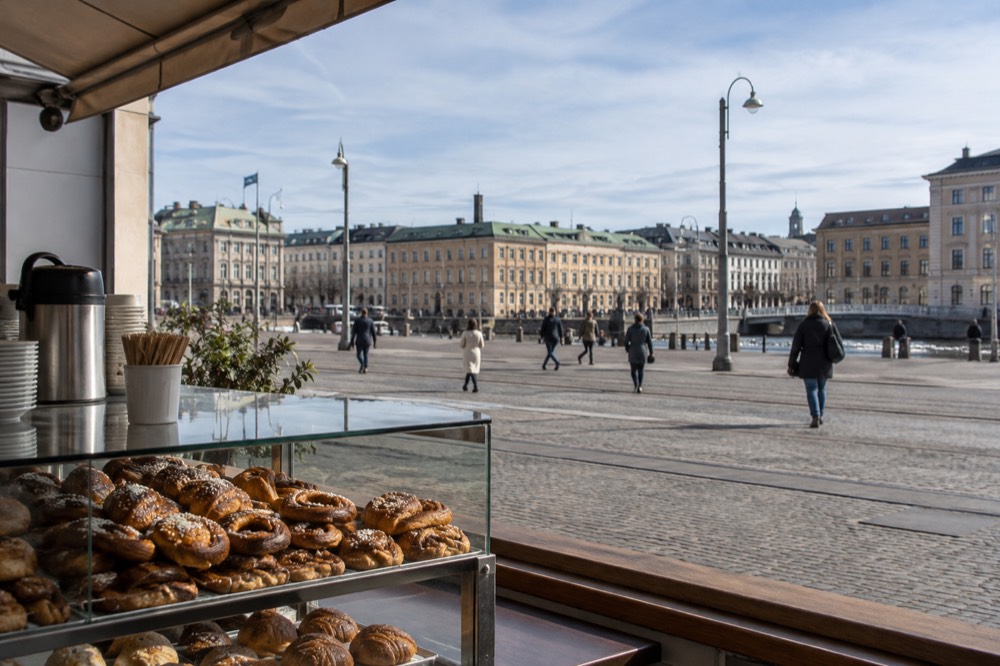
A guided walk is one honest way to get oriented, because the bakery landscape is genuinely spread out. The Walking Tour with Swedish Fika pairs a city walk with the ritual itself, and the operator's listing shows what is included.
One thing worth knowing before you plan: the weather shapes where fika happens. Rain falls on about 127 days a year in Gothenburg, according to SMHI's 1991-2020 normals for the Göteborg A station, so the indoor cafe culture is not incidental. It is infrastructure. October is the wettest month at 102.9 mm and April the driest at 51.3 mm, which means spring is the season for sitting outside with a bun, and autumn is the season for finding a window table. Our best time to visit Gothenburg guide has the full seasonal breakdown.
How Much Does Fika Cost in Gothenburg?
A coffee and a cinnamon bun at a Gothenburg cafe usually costs somewhere in the range of 60 to 100 kr for the pair, with the famous giant Haga buns priced above an ordinary kanelbulle. Nobody should budget a fixed figure, because prices vary cafe to cafe, and the honest advice is to check the counter or chalkboard before you order. Guided fika experiences cost more but bundle the coffee into a walk or a boat trip.
The bare numbers first. Sweden is not a cheap country, and Gothenburg sits at Stockholm's level on most day-to-day costs. A plain coffee and a bun at a neighbourhood bakery is a modest purchase; a specialty cafe in the old town charges more; and the tourist-famous Haga buns carry their own premium for the size alone. Treat any specific figure you read online with suspicion, including round numbers in this article's range: menus change, and the price on the chalkboard is the only one that counts.
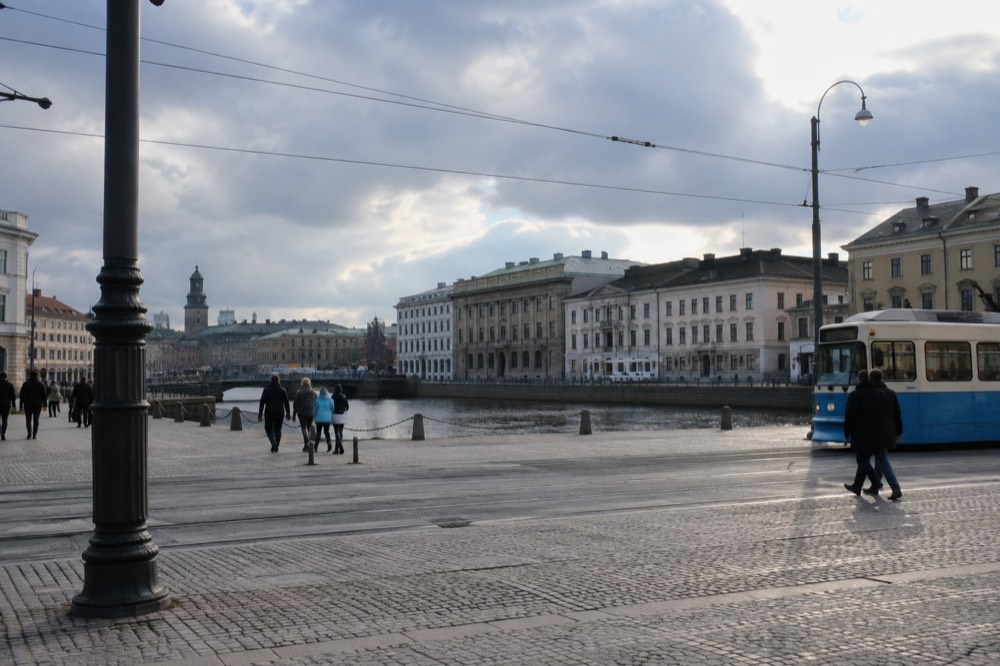
The guided options have published prices, and those we can state exactly. Here is how the fika-flavoured tours on this site compare:
| Tour | What you get | Price basis | Rating |
|---|---|---|---|
| Guided Walking and Swedish Fika Tour | 2-hour guided walk with fika stop | from $93 per person | 4.4 from 71 reviews |
| Archipelago Cruise with Swedish Fika (Guided) | 2.5-hour archipelago boat tour with fika served aboard | from $58 per person | 4.3 from 19 reviews |
| Evening Sailing Tour with Swedish Fika | 3.5-hour evening sail with fika | from $46 per person | 5 from 5 reviews |
For context on what else a Gothenburg day costs, from Liseberg entry at 95 kr for park admission with zero rides included, per Liseberg's own price page, to a 125 kr 24-hour Västtrafik ticket, see is Gothenburg expensive?.
What Should You Order at Fika in Gothenburg?
The default order is a kanelbulle, the Swedish cinnamon bun, which is smaller, darker and less syrupy than an American cinnamon roll and is traditionally twisted rather than rolled. The cardamom bun, kardemummabulle, is the connoisseur's alternative, and many Gothenburg bakers consider it the better test of a bakery. In spring, the semla, a cream and almond paste bun, takes over, and in winter the saffron bun appears for Lucia.
The kanelbulle deserves its own paragraph of explanation, because it is not what visitors expect. It is made with a yeasted dough, twisted into a knot, and flavoured with cinnamon and often pearl sugar on top rather than a heavy glaze. Swedish buns are less sweet than their American cousins, and that is deliberate. Fika is a daily habit, not a dessert, so the baking is calibrated to be eaten every day.
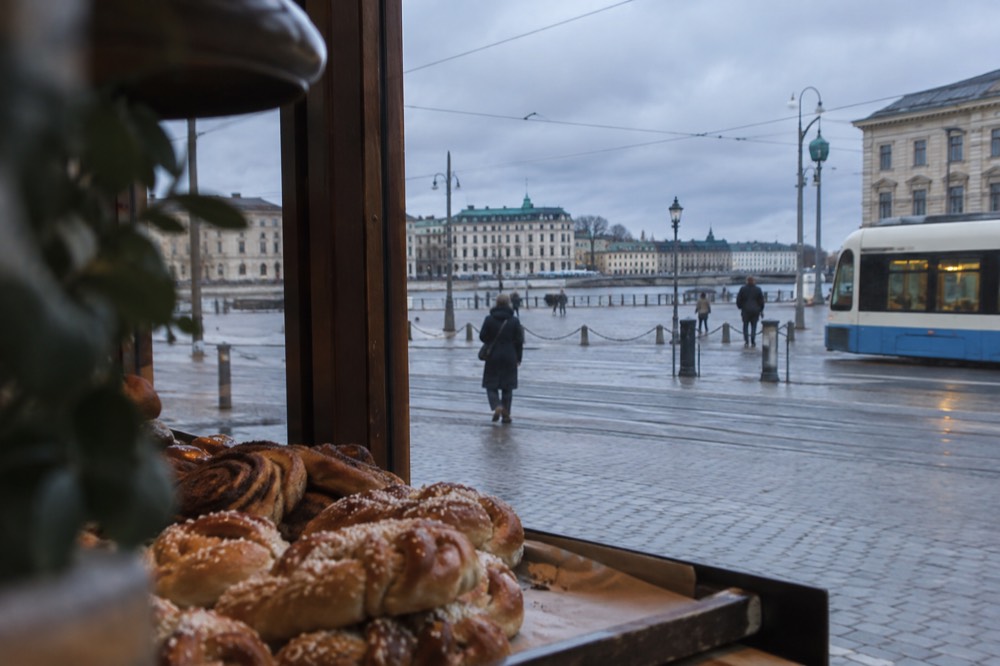
Here is the standard order of things:
| Item | What it is | When to order it |
|---|---|---|
| Kanelbulle | Cinnamon bun, twisted, pearl sugar on top | Any day, the default |
| Kardemummabulle | Cardamom bun, the baker's benchmark | Any day, increasingly the local favourite |
| Semla | Wheat bun filled with almond paste and whipped cream | Shrove Tuesday onward, peak season Feb-March |
| Lussekatt | Saffron bun, S-shaped with raisins | Advent, especially around Lucia on 13 December |
| Prinsesstårta | Layered sponge cake with marzipan dome | Celebrations, sold whole or by the slice |
Coffee is the drink, but Sweden's coffee culture is filter-coffee culture historically, and the specialty espresso bar is a newer layer on top. Most cafes will serve both. Tea is a normal substitute and nobody will look twice. What you will not find is fika without the pause. That is the one constant.
When Is the Best Time for Fika in Gothenburg?
The classic fika windows are mid-morning, roughly 9:30 to 10:30, and mid-afternoon, roughly 14:30 to 15:30, and Gothenburg cafes are busiest in both. Weekends shift the rhythm later, when Haga fills from late morning with people doing a long, unhurried fika that slides into lunch. Seasonally, spring and early summer are the best time for it, and December adds saffron buns and glögg to the ritual.
The twice-a-day pattern is not folklore. It is how the working day is structured in most Swedish offices, and the afternoon fika in particular is a genuine institution, defended over the years as part of working life rather than a break from it. Cafes see the surge. If you want a table in Haga on a Saturday, arriving before eleven is the practical advice.
The seasonal layer changes what is on the counter more than visitors expect. Here is how the fika year runs in Gothenburg:
| Season | The bun of the moment | The setting |
|---|---|---|
| Spring (March-May) | Semla season fades, plain buns return | Driest time of year, 51.3 mm in April, terrace weather |
| Summer (June-August) | Fresh berries and berry tarts | Long evenings, fika can happen outdoors at 8 pm in daylight |
| Autumn (September-October) | Apple cakes and cinnamon | Wettest months, window tables, 102.9 mm in October |
| Winter (November-February) | Lussekatt and gingerbread | Candlelit cafes, glögg replaces iced coffee |
Season matters more than visitors expect. The Gothenburg in winter guide covers the December version, when the saffron lussekatt appears and glögg, mulled wine, replaces cold brew. At Christmas market season the fika stalls move outdoors, and the Gothenburg Christmas market guide lists where. In summer, the long evenings push fika later, and the archipelago boats give the ritual a salt-water setting.
Can You Do Fika on the Gothenburg Archipelago?
Yes, and the archipelago is the most Gothenburg way to do it, because the islands are part of the city, not a day trip. An ordinary Västtrafik Zone A ticket covers the tram to Saltholmen and the ferry out to the car-free islands, and several boat tours serve fika on the water, including a guided archipelago cruise with fika included and an evening sail with the same.
This is the detail that changes how you plan. The southern archipelago, the islands of Styrsö, Brännö, Vrångö, Donsö, Asperö and Köpstadsö, are areas of Gothenburg itself, reached on the ordinary transit network. Västtrafik's own Zone A ticket page shows the zone covering Göteborg, Mölndal and Öckerö, and the boats carry Västtrafik line numbers on the network map. Private cars are banned on the islands, per Göteborgs Stad's own planning documents. So a fika on Brännö is a tram ride and a ferry ride away, on a ticket you would buy anyway.
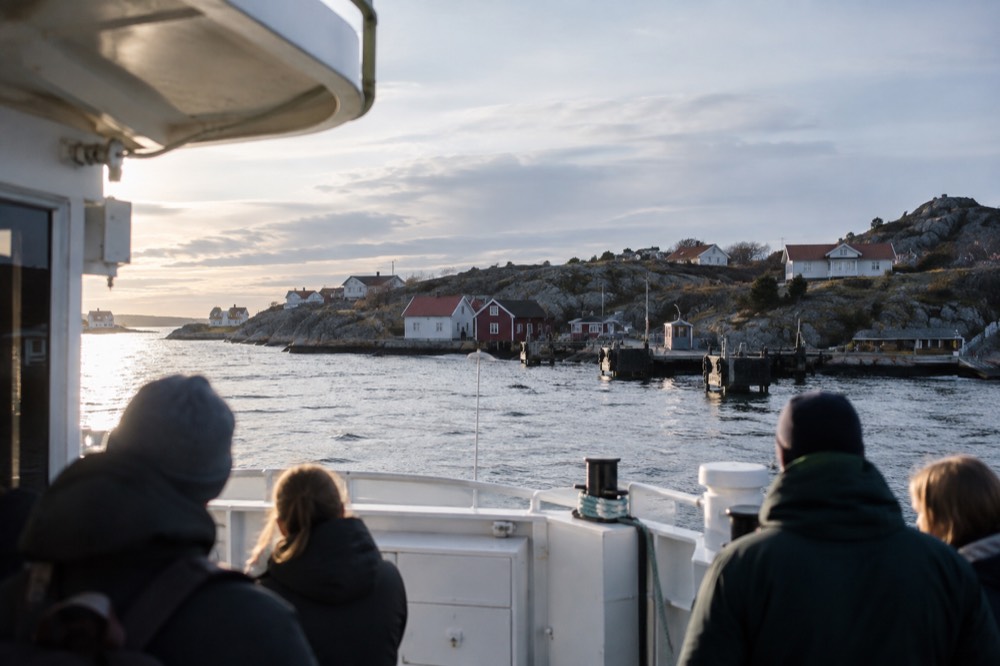
The guided version removes the planning. The Archipelago Cruise, Swedish Fika runs 2.5 hours with fika served aboard, and the operator's listing carries the current price and dates. The Evening Sail, Swedish Fika does the same thing under sail, 3.5 hours, rated 5 from 5 reviews so far.
For doing it yourself, the how to get to the Gothenburg archipelago and southern archipelago islands guides have the ferry logistics, and the getting around Gothenburg guide covers the tickets. One honest note on swimming with your fika: the sea off the islands peaks at 18.6 C in August, not July, and September water at 16.7 C is warmer than June water at 16.2 C, per SMHI's Vinga station data. If you want to swim off the rocks after your bun, late summer beats midsummer.
Do Gothenburg Cafes Take the Ritual Seriously?
Yes, to a degree that surprises visitors. Sweden is consistently among the highest per-capita coffee consumers in the world, fika is written into workplace culture, and Gothenburg supports a dense independent bakery scene, from the Haga bun institutions to the food-hall counters at Feskekôrka, which reopened in 2024 as a food hall with five restaurants rather than only fish counters.
The coffee numbers are real. International trade statistics have placed Sweden at or near the top of global per-capita coffee consumption for years, and the fika habit is the mechanism behind it. That is why the ritual survived the espresso-bar era rather than being replaced by it: the specialty coffee wave added options to fika, it did not change the sitting-down part.
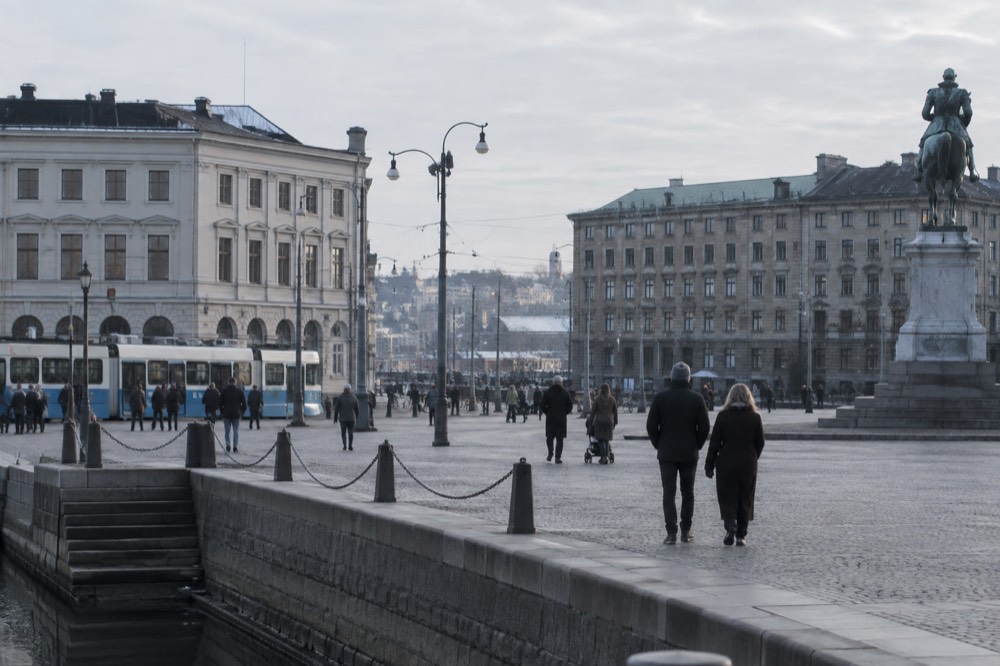
Gothenburg's own bakery landscape is worth a food-focused trip. Feskekôrka, the fish-church-shaped market hall on Rosenlundsgatan, reopened in 2024 after renovation and is now a food hall with two fish counters and five restaurants, a change most older guides still get wrong. The Feskekôrka guide covers it in full, and the broader where to eat in Gothenburg guide places the bakery scene in context. For the deeper cultural background on the word and the habit, see our post on what fika means in Sweden.
Common Questions About Fika in Gothenburg
What is fika in Sweden?
Fika is a social coffee pause taken with other people, usually with something sweet such as a cinnamon bun. It is both a noun and a verb, it happens mid-morning and mid-afternoon, and the sitting-down-and-talking part is the point, not the coffee.
Is fika mandatory in Sweden?
It is not a law, but it is close to a workplace institution. Many Swedish employers schedule the afternoon fika into the working day, and declining it repeatedly is socially noticeable. For a visitor, accepting an invitation to fika is simply good manners.
Where is the best fika in Gothenburg?
Haga is the famous answer, and its giant cinnamon buns are a genuine local fixture rather than a tourist trap. Vasastan, Linnégatan and Majorna each have strong independent bakeries with fewer visitors. A guided fika walking tour is a reliable way to be led to the good counters.
How much does fika cost in Gothenburg?
Budget roughly 60 to 100 kr for a coffee and a bun as a planning range, and check the chalkboard, because prices vary cafe to cafe. Guided fika tours cost more: the walking and fika tour is from $93 per person and the archipelago fika cruise from $58, per their listings.
What do you eat at fika?
The default is a kanelbulle, a Swedish cinnamon bun, twisted rather than rolled and less sweet than an American cinnamon roll. The cardamom bun is the serious alternative, the cream-filled semla appears from late winter, and the saffron lussekatt arrives for Advent.
Can you fika in the Gothenburg archipelago?
Yes. The islands are part of the city and an ordinary Västtrafik Zone A ticket covers the tram to Saltholmen and the ferry out. Several boat tours, including a guided archipelago cruise and an evening sail, serve fika on the water.