Majorna, Gothenburg's Second-Hand Quarter: What to See, Shop and Eat
Majorna is where Gothenburg's shipyard past meets its second-hand present: workers' cottages, charity shops, coffee roasters and the best free walking tour in the city.
Short answer
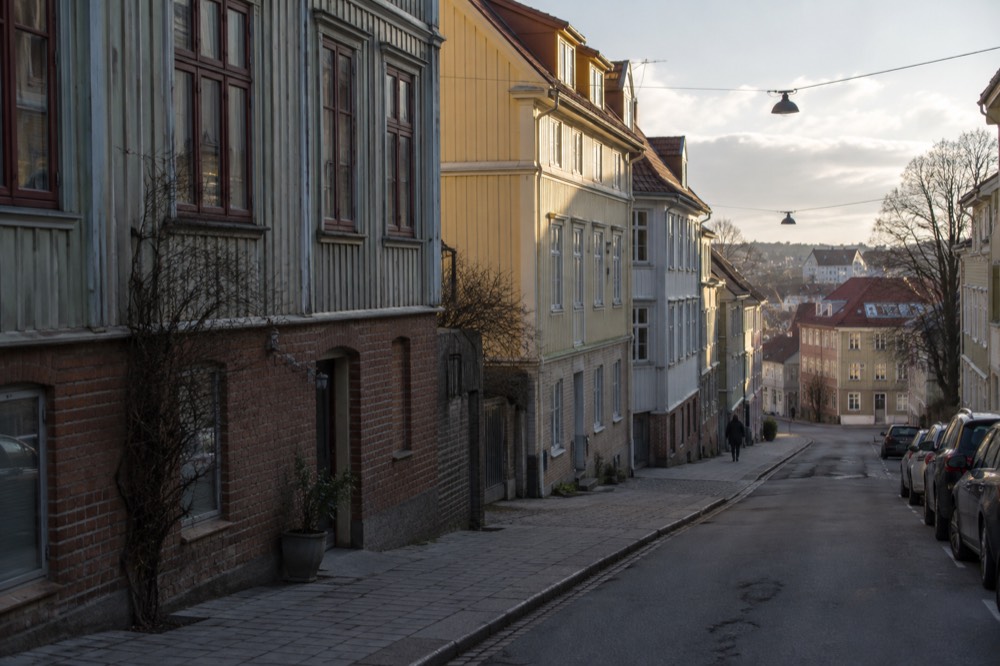
Majorna is a west-side Gothenburg district of painted wooden houses and old shipyard workers' homes, now known for charity and vintage shops, small roasteries and a car-free attitude. Tram lines 3, 9 and 11 run straight through it, the free GuruWalk Majorna tour covers it in about 90 minutes, and it sits between the Göta älv waterfront and Slottsskogen park.
Majorna, Gothenburg's Second-Hand Quarter
Majorna grew up as housing for the men who built ships. Gothenburg's shipyards lined the Göta älv through the late 19th and 20th centuries, and the workers needed homes within walking distance of the slips, so the hillside between the river and Slottsskogen filled up with low wooden houses and landshövdingehus, the local building type that puts one storey of brick under two of timber. When the shipyards closed the district went cheap, then went quiet, then went the way cheap and interesting districts go. Today the second-hand shops outnumber almost everything else, and the tram ride through it is one of the better ten-minute journeys in Sweden.
This page on Gothenburg Travel Guide covers what Majorna actually is, where the shops cluster, how to get there on the ordinary Västtrafik ticket, and how the district compares with Haga, Gothenburg's wooden old quarter. It is written as sourced reporting, not as a travel diary: every fare, date and figure below comes from the operator or authority that publishes it.
What Is Majorna in Gothenburg, Sweden?
Majorna is a residential district on Gothenburg's west side, about two to three kilometres from the city centre, built originally as shipyard worker housing and known today for its second-hand and charity shops, small independent cafes, painted wooden houses and views over the Göta älv. It sits between the river harbour to the north and Slottsskogen park to the south, and it reads less like a tourist district than a neighbourhood that happens to be interesting, which is roughly why people come.
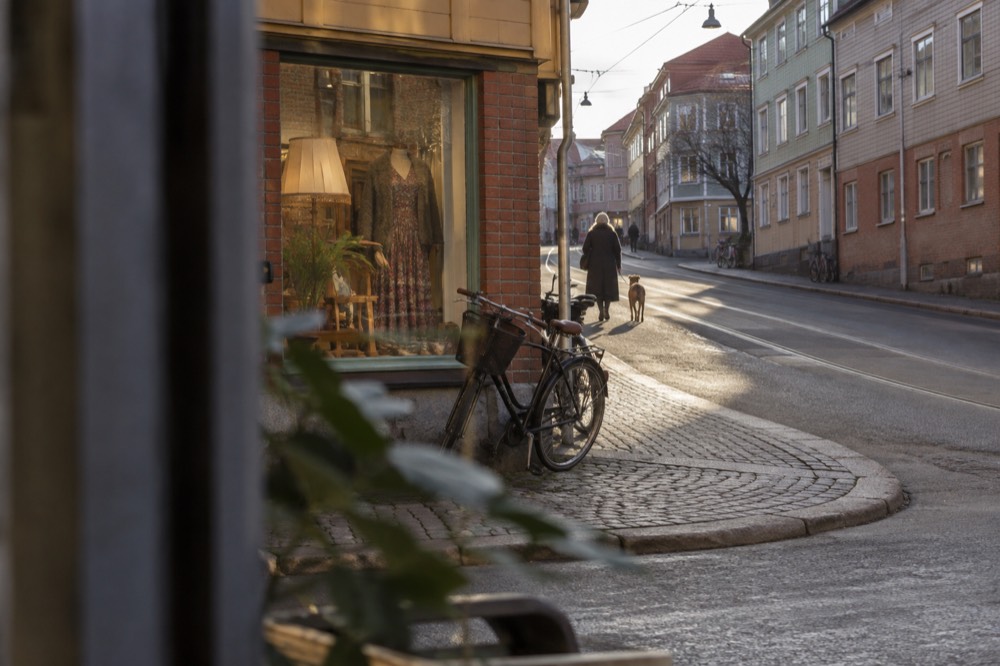
The name covers a stretch of smaller areas, roughly Stigberget, Masthugget's western edge, Majorna itself and Kungsladugård, running along the water toward Långedrag. Göteborgs Stad administers it as ordinary city, not as a museum piece. Nothing here is gated or ticketed. The streets run steeply down to the river, and several of them end at viewpoints over the harbour cranes on the Hisingen side, which is where the shipyard past is still most visible.
What distinguishes Majorna from Gothenburg's other old quarters is the mix. Haga has the oldest wooden houses and the tourists, Linné has the student bars, and Majorna has the shops that sell things people actually owned. The second-hand density is the district's identity, and it is a working identity: the shops are where locals buy furniture, wool coats and kitchenware, not a curated vintage strip for visitors.
The landshövdingehus is worth knowing about before you arrive, because you will see dozens of them. It is a Gothenburg invention, a timber house raised on a single brick storey, born from a fire regulation that banned all-timber construction in the city. The brick bottom satisfied the rule, the timber top satisfied the budget, and the type became the city's signature working-class housing. Majorna holds some of the best surviving runs of it, painted in the muted reds, ochres and greens that make the district photograph the way it does.
The district also carries the city's maritime memory more plainly than the centre does. The harbour is still working water: ferries, tugs and the remains of the shipyard industry operate on the Hisingen side, and the view from Majorna's slope is of cranes and dry docks rather than postcard waterfront. That is the point. Visitors who want the polished version of Gothenburg's harbour go to the opera end; visitors who want to see what the city was built on come here.
Where Are Gothenburg's Second-Hand Shops in Majorna?
The second-hand shops in Majorna cluster along Karl Johansgatan and the streets running off it, particularly around the Järntorget end of the district, mixing charity-shop chains such as Myrorna and Erikshjälpen with independent vintage stores, and the whole strip is walkable in an afternoon between the Järntorget and Chapmans Torg tram stops. Prices are generally lower than in the city centre, and stock turns over fast because the neighbourhood supplies it.
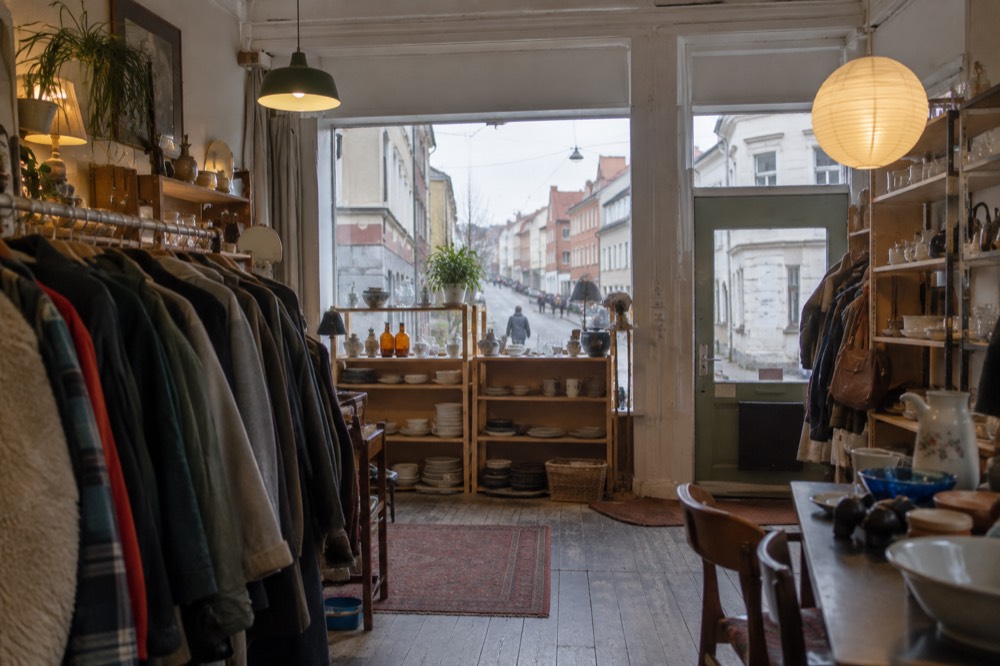
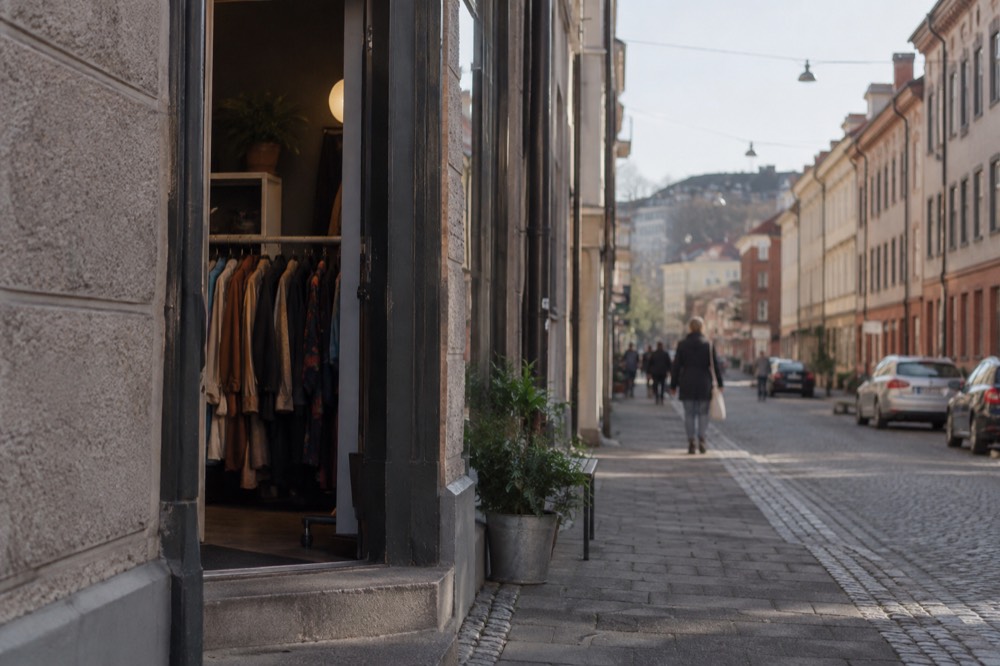
Karl Johansgatan is the spine. It runs from Järntorget, one of Gothenburg's main tram and meeting squares, west and downhill through the heart of Majorna, and the shopfronts along it and on its side streets carry most of the district's retail character. You do not need a plan: walk the street, turn up anything that looks interesting, and the shops will find you. The charity chains take donations locally, which is why the stock matches the neighbourhood, wool and rainwear more than beachwear.
The shopping culture here is also a recycling culture, and that is not a slogan. Sweden is one of the world's most committed second-hand markets, and Gothenburg's west side does it without ceremony. Furniture, glassware, wool jumpers, tools, records and children's clothes all circulate through these shops at prices that make the city's otherwise expensive reputation feel negotiable. If you are furnishing a life rather than buying souvenirs, Majorna is the district for it.
A practical note on money: Gothenburg is close to cashless everywhere, and small shops in Majorna are no exception. Card is the default, Swish is common, and expecting to pay notes is a mistake. The details of cards, cash and how to handle them are covered in the site's money guide, and the general cost picture in what a Gothenburg trip really costs applies here with one advantage: buying second-hand is one of the few genuinely cheap things to do in Sweden.
The table below is a planning sketch of what the district's shopping streets offer. Opening hours vary by shop and by season, so treat it as a map, not a timetable.
| Street or square | Character | What you find |
|---|---|---|
| Karl Johansgatan | The main spine | Charity chains, vintage clothing, cafes |
| Järntorget end | Busiest, most central | Bigger stores, easy tram access |
| Chapmans Torg area | Quieter, more local | Smaller independents, residential feel |
| Side streets toward Slottsskogen | Scattered | Furniture, bric-a-brac, household goods |
| Waterfront edge toward Långedrag | Thin | Views, not shopping |
How Do You Get to Majorna by Tram in Gothenburg?
Majorna is served directly by Gothenburg's tram network: lines 3, 9 and 11 run along the district's length, with stops including Järntorget, Chapmans Torg and Mariaplan, and a single Zone A ticket covers the ride from the city centre in under ten minutes. The tram is the way in, and Västtrafik's fare table shows a single one-zone adult ticket at 38 kr, with a 24-hour Zone A ticket at 125 kr if you plan to move around all day.
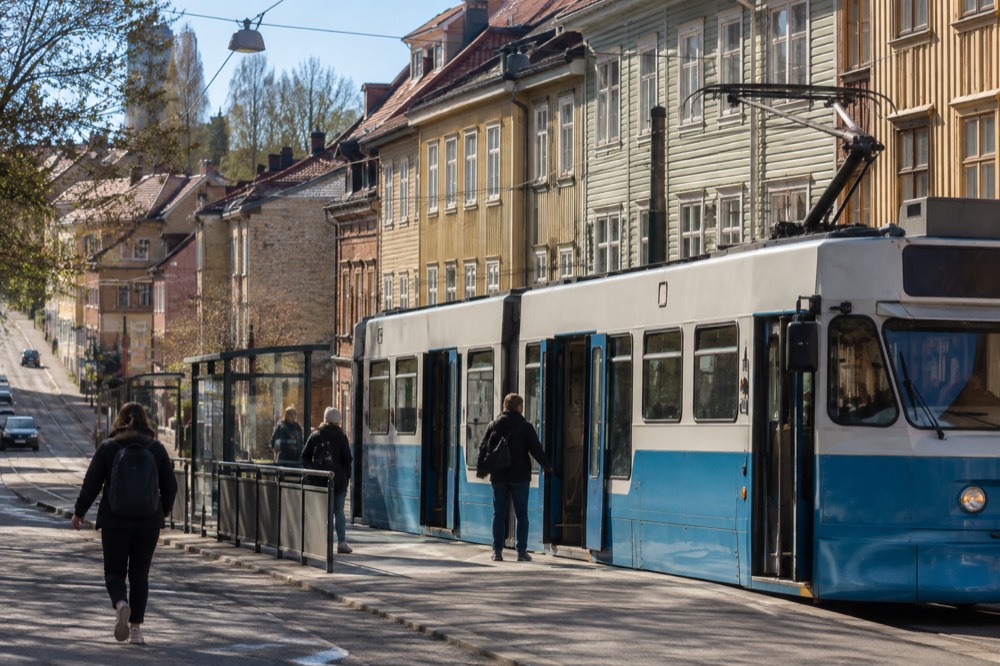
The network's own scale explains why this is easy. Göteborgs Spårvägar's annual report describes 12 lines serving 134 stops over 188 kilometres of single track, from Mölndal in the south to Angered in the north, Saltholmen in the west to Kålltorp in the east. Majorna sits on the western arm of that system, between the centre and the sea. The full fare and zone mechanics, including the temporary subsidy on 30-day tickets and why it does not apply to visitor day tickets, are laid out in getting around Gothenburg: trams, tickets and zones.
One thing worth knowing before you tap: there is no tap-out on Gothenburg trams. You buy or activate a ticket before boarding, an inspector can check it, and the ticket is valid across buses, trams and Västtrafik's archipelago boats within the zones you paid for. That last part matters more than it sounds, because the same Zone A ticket that brings you to Majorna can later carry you to Saltholmen and the southern archipelago ferries on the same day.
The tram ride itself is part of the visit. The lines climb from Järntorget up the district's ridge and drop again toward Mariaplan and the sea, passing through the best runs of wooden housing in the city. Sit on the river side going west for the harbour views, and on the way back sit opposite for the houses. Few city tram rides in Sweden deliver this much per krona, and the ticket that pays for it also pays for the boats.
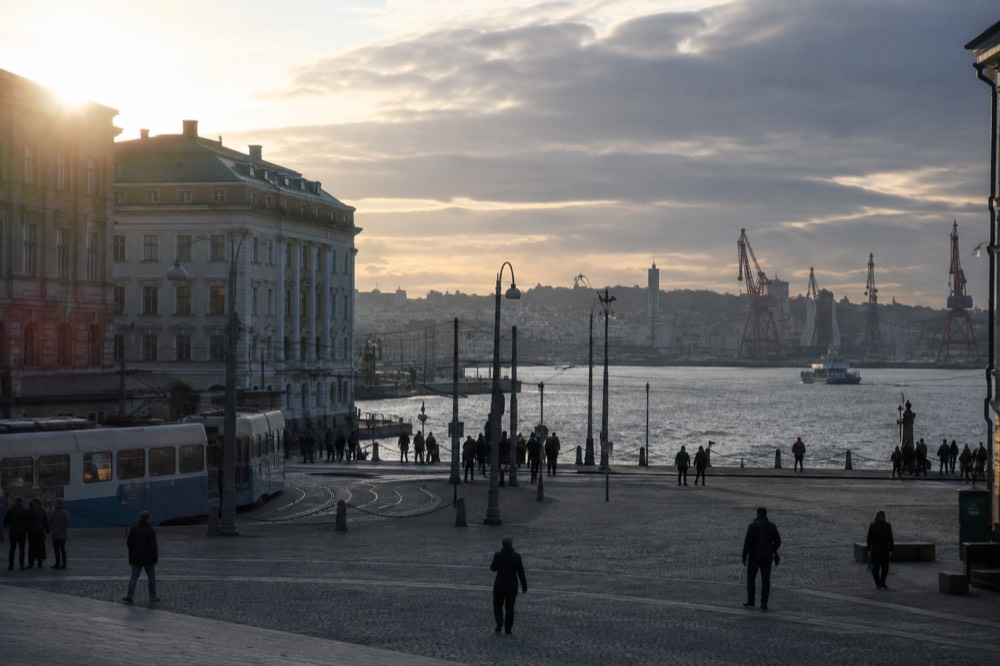
If you would rather arrive by water, the river side of the district faces the Göta älv, and sightseeing boats run from the centre out along the river toward the harbour. The Paddan cruise on the River Säveån is the established option, and the amphibious bus tour covers the same waterfront from land before driving into it.
Majorna or Haga: Which Gothenburg Neighbourhood Should You Visit?
Haga is the polished old quarter with the oldest preserved wooden houses, the tourist cafes and the hilltop fort view, while Majorna is larger, cheaper, more residential and better for second-hand shopping, and the honest answer is to do both in one day since a tram connects them in a few minutes. They are not rivals so much as two stages of the same city: Haga was the 17th-century workers' suburb, Majorna the 19th-century one.
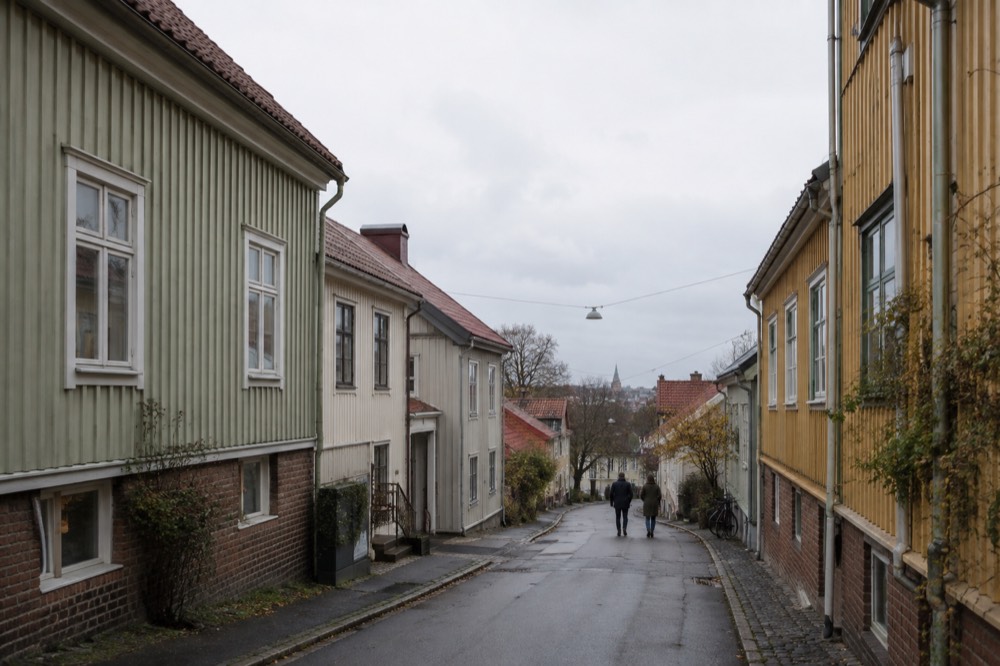
The comparison in practice:
| Haga | Majorna | |
|---|---|---|
| Built for | 17th-century workers outside the moat | 19th-century shipyard workers |
| Feel | Historic, tourist-facing | Lived-in, local |
| Shopping | Cafes, souvenirs | Second-hand, charity, vintage |
| Signature view | Skansen Kronan hilltop fort | Göta älv harbour and cranes |
| Eating | Cinnamon buns, established cafes | Roasteries, neighbourhood restaurants |
| Time needed | Half a morning | An afternoon |
Haga's hilltop fort, Skansen Kronan, and its history are covered in the site's Skansen Kronan and Gothenburg's hilltop forts companion piece. Majorna's equivalent free view is the river: the streets that run down to the water around Stigberget and toward Röda Sten and the Älvsborg bridge end at benches with the harbour spread out in front of you, and walking the waterfront, like walking Haga, costs nothing.
There is a temperament difference worth naming. Haga is beautiful and knows it; Majorna is interesting and does not care whether you noticed. If your day in Gothenburg is short and you want the postcard, choose Haga. If you have an afternoon and want to understand why locals defend their city against the Stockholm comparison with genuine feeling, Majorna explains it better than any guidebook paragraph can.
Where Do You Eat and Drink in Majorna?
Majorna's food scene runs to small independent cafes, coffee roasteries and neighbourhood restaurants rather than fine dining, concentrated around Karl Johansgatan and Järntorget, with the district's coffee culture tied to Gothenburg's fika tradition of a mid-morning or mid-afternoon coffee and pastry break. Expect card payment everywhere, queues at the popular brunch spots on weekends, and a lower price level than Avenyn.
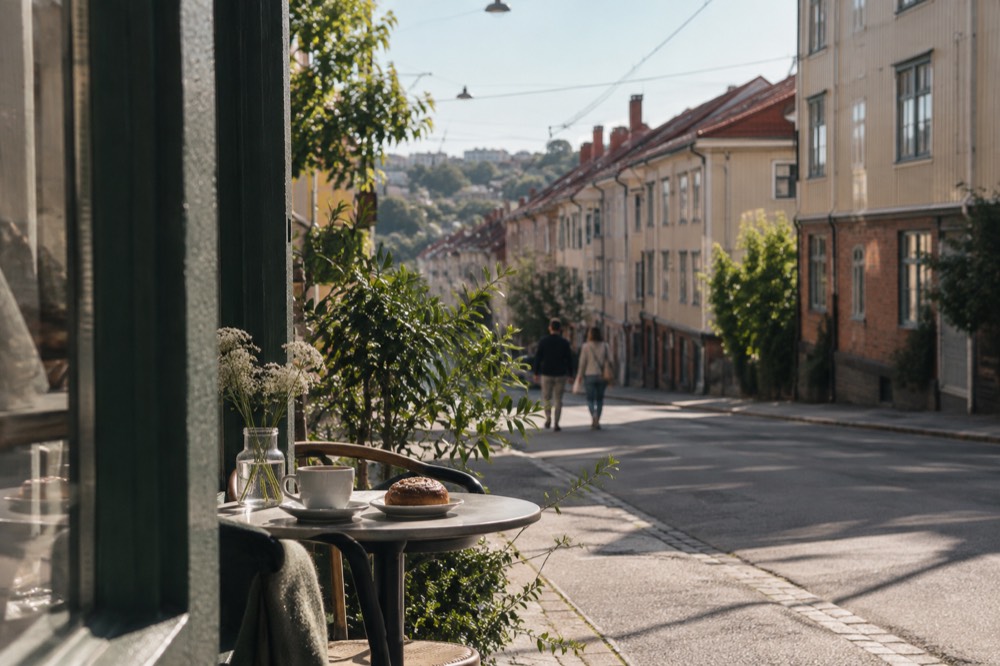
Fika is not optional culture in Sweden, it is the ordinary rhythm of the day, and Majorna is one of the better districts to practise it in because the cafes are neighbourhood places rather than tourist ones. The site's fika in Gothenburg guide explains the custom, and where to eat in Gothenburg covers the city's wider restaurant map.
The district's roasteries and bakeries matter more here than restaurant names, because Majorna's eating identity is built on the morning and afternoon rather than the evening. A coffee bought on Karl Johansgatan comes from a shop that roasts or sources for the neighbourhood, and the pastry case is likely to hold the city's standard kanelbullar alongside whatever the baker felt like making. Evening dining exists and is good, but it is not why the district is on this site.
One statutory note that surprises visitors: beer above 3.5% ABV, and all wine and spirits, are sold only through Systembolaget, the state monopoly, under Alkohollag (2010:1622). Supermarket beer in Majorna tops out at folköl strength. Restaurants serve full-strength drinks with meals, which is the normal route for a visitor anyway.
Is There a Free Walking Tour of Majorna?
Yes. A free, tip-based walking tour of Majorna runs on GuruWalk under the title "Majorna, where Gothenburg comes alive: The history, the people and the culture", rated 4.77 from 234 reviews and lasting about an hour and 30 minutes, and it is one of only a handful of free tours in the city that focuses on a single district rather than the centre. The listing carries no price because it is tip-based; you pay the guide what you think the walk was worth.
The guru who leads it covers the district's history, its people and its culture, which in Majorna means shipyard stories, the 19th-century housing, and how the second-hand quarter of today grew out of the cheap-rent decades after the yards closed. Because this is a GuruWalk tour rather than one of the site's own products, it is named here as such. You can find it by searching the tour title on GuruWalk. The site's wider free things to do in Gothenburg coverage carries the city-centre free walks too, including three English-language options and one Spanish-only walk that English speakers should not book expecting English.
A free district tour is unusual in Sweden, where guiding is more often a paid profession, and it exists here precisely because Majorna is a storytelling district. The guide's material is the streets themselves: the housing, the yards, the unions, the decline and the second-hand revival. Bring comfortable shoes, the district is hilly, and bring a small amount you are happy to tip, because the tour only continues if people pay what it was worth to them.
What Does a Day in Majorna Look Like?
A full day in Majorna runs about six to seven hours: a morning tram to Järntorget with fika on the square, a midday walk west along Karl Johansgatan through the second-hand shops, an afternoon drop to the river at Stigberget for the harbour view, a late-afternoon stretch in free Slottsskogen park, and dinner back toward Järntorget or Linné, all on one 125 kr Zone A day ticket. It is a day that costs almost nothing beyond food and whatever you buy in the shops.
A workable shape for the district, using only facts already established on this page:
| Time | Plan |
|---|---|
| Morning | Tram to Järntorget, coffee and fika on the square |
| Midday | Walk Karl Johansgatan west, second-hand shops and side streets |
| Afternoon | Drop down to the river at Stigberget, harbour view toward Hisingen |
| Late afternoon | Walk or tram toward Slottsskogen park, free to enter |
| Evening | Dinner back toward Järntorget or Linné |
Slottsskogen, the park on Majorna's southern edge, is free to enter including its zoo, which makes it the natural end of a day here and one of the genuinely no-cost highlights of the city. If the weather turns, and on Gothenburg's 127 wet days a year it will, the district's shops are the built-in bad-weather plan, which is part of why the second-hand quarter suits this city so well.
The day also flexes. Shorten it to a half-day by cutting Slottsskogen; stretch it by walking the waterfront all the way west toward Långedrag, where the city starts turning into the archipelago. And because the islands are areas of Gothenburg rather than day trips, an ambitious visitor can end the same day on a Västtrafik ferry from Saltholmen with the same ticket still valid.
For a fuller plan that slots Majorna into a whole visit, the site's two days in Gothenburg itinerary places the district on day two, after Haga and the centre on day one. If you are building a longer west Sweden trip, the archipelago is the obvious pairing: the islands are areas of the city, not day trips, and the same day ticket covers the tram to Saltholmen and the boat out to sea.
The archipelago cruise is the natural companion to a Majorna day for one specific reason: both are about reading the water. Majorna gives you the working harbour from the shore, the cruise gives you the shore from the water, and the guided version adds the island names and the pilot-station history that a self-guided ferry ride does not. Between the tram, the shops, the viewpoints and the boats, the district sits at the centre of the least expensive full day out that Gothenburg offers.
Common Questions About Majorna in Gothenburg
What is Majorna in Gothenburg known for?
Majorna is known as Gothenburg's second-hand quarter: a west-side district of shipyard workers' housing, painted wooden houses, charity and vintage shops along Karl Johansgatan, and independent cafes around Järntorget.
How do you get to Majorna from Gothenburg city centre?
Trams 3, 9 and 11 run from the centre to Järntorget, Chapmans Torg and Mariaplan in Majorna in under ten minutes. A single one-zone adult ticket costs 38 kr, and a 24-hour Zone A ticket 125 kr, per Västtrafik's fare pages.
Is Majorna worth visiting in Gothenburg?
Yes, if you want the lived-in side of the city rather than the postcard side. The second-hand shopping, the free harbour viewpoints and Slottsskogen park on its southern edge give it a full afternoon, and it pairs naturally with Haga on the same tram line.
Is there a free walking tour of Majorna?
Yes. A free, tip-based GuruWalk tour titled "Majorna, where Gothenburg comes alive: The history, the people and the culture" runs about an hour and 30 minutes, rated 4.77 from 234 reviews on its listing.
Is Majorna the same as Haga?
No. Haga is the older 17th-century quarter with the tourist cafes and Skansen Kronan hilltop fort; Majorna is the larger 19th-century district to its west, more residential and centred on second-hand shops. A tram connects them in a few minutes.
Is Majorna expensive?
Compared with the rest of Gothenburg, Majorna is on the cheaper side: second-hand shopping keeps costs down, cafes are neighbourhood-priced, and the district's best features, the streets, the harbour views and Slottsskogen park, are free.