Gothenburg Nightlife: Bars, Clubs and Late Nights on the Swedish West Coast
Gothenburg's evening map runs from the polished bars of Avenyn to the student pubs of Linné and the second-hand quarter of Majorna, all of it shaped by a state alcohol monopoly that quietly decides when the drinking starts.
Short answer
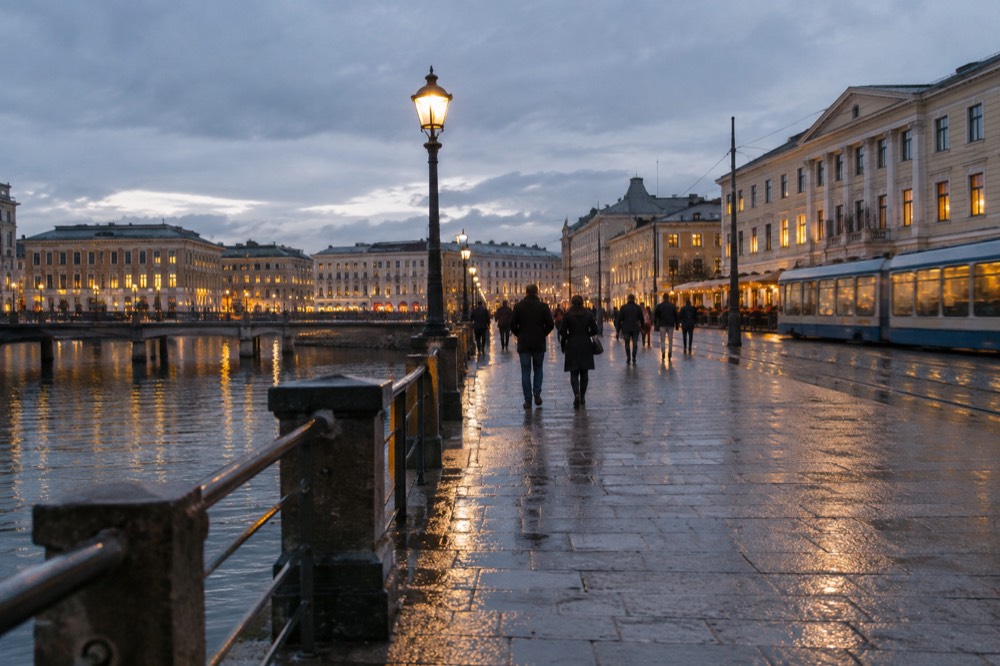
Gothenburg nightlife clusters in four areas: Avenyn and Götaplatsen for mainstream bars and clubs, Linné and the Långgatorna strip for student pubs, Järntorget and Majorna for craft beer and neighbourhood bars, and the harbour for evening boats. Bars serve until at least 1am on weekends, Systembolaget governs any pre-drinking, and the trams keep running on night routes.
Gothenburg, Sweden, is a port city of about 613,274 people, and its evenings behave like a port city's evenings: early dinner, late drinks, and a tram ride home. Göteborg & Co reported over six million commercial guest nights in 2025, a record year, and a good share of those visitors discover that the city's nightlife is spread across distinct neighbourhoods rather than packed into one strip. The single biggest force shaping any night out here is not a club or a scene. It is the Swedish state alcohol monopoly, which controls what you can buy in a shop and when, and which quietly reorganises the whole evening. This guide from Gothenburg Travel Guide covers where to go, when things close, what the drinking rules actually are, and how to get home when the trams thin out.
What Is Gothenburg Nightlife Actually Like?
Gothenburg nightlife is neighbourhood-based rather than centralised: the mainstream bars and big clubs sit around Avenyn and Götaplatsen, the student and pub crowd fills the Långgatorna strip near Linné, Järntorget and Majorna lean toward craft beer and second-hand-bar character, and the harbourfront offers boat bars in summer. Evenings start early with dinner, peak around 10pm to 1am, and end with a night tram or a long walk. It reads Nordic-maritime rather than glossy: wood, brick, grey sea light and unpretentious rooms.
That neighbourhood structure matters for planning. A group that starts on Avenyn and then decides at midnight to reach Majorna is looking at a 20-minute tram ride across the city, and the last connections of the night do not always wait. Locals tend to pick one district for the whole evening and stay in it.
The other thing that surprises first-time visitors is how early the pre-drinking happens, and why. Because anything stronger than 3.5% ABV can only be bought retail from Systembolaget, the state monopoly, and because those stores close early and shut entirely on Sundays, anyone planning drinks at a hotel or apartment buys during the day, not on the way to the bar. Bars and restaurants themselves serve alcohol normally, seven days a week, so the monopoly only shapes the retail side of the night. More on that below.
Where Are the Best Nights Out in Gothenburg?
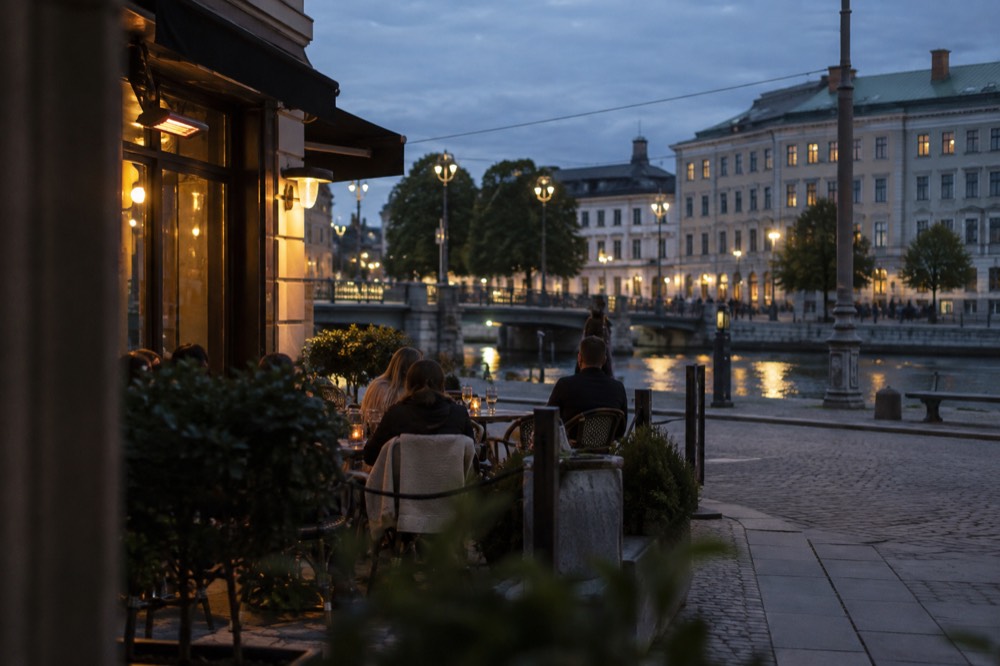
The four main nightlife districts are Avenyn and Götaplatsen, the polished main strip of bars and clubs; Linné and the Långgatorna, packed with student pubs and casual bars; Järntorget and Majorna, where craft beer bars sit among second-hand shops; and the harbour edges, which fill with boat bars and terraces in summer. Each has a different crowd and price feel, so the best choice depends on the night you want rather than one single answer.
Avenyn, the wide avenue running up to Götaplatsen and the steps of Göteborgs konstmuseum, is the closest thing Gothenburg has to a classic nightlife strip. The bars here are bigger, the queues on weekend nights are real, and the clubs run latest. It is also the district most likely to feel like any European city's main drag, which is either the point or the problem depending on your taste.
The Linné strip, along the Långgatorna streets behind Linnégatan, is where the student city drinks. The rooms are smaller, the beer lists are longer on local breweries than on cocktails, and the age skews younger. Järntorget and Majorna, west of the city centre, are where Gothenburg's craft beer scene concentrates, in the same quarter as the vintage shops. Our guide to Majorna's second-hand quarter covers the daytime side of the district that turns into the city's most relaxed evening one.
| District | Scene | Best for | Watch out for |
|---|---|---|---|
| Avenyn and Götaplatsen | Big bars, mainstream clubs | Late nights, dancing, weekend energy | Weekend queues, higher prices |
| Linné and Långgatorna | Student pubs, casual bars | Cheap rounds, pub crawls | Can be very young |
| Järntorget and Majorna | Craft beer, neighbourhood bars | Long slow evenings, local breweries | Smaller venues, fill early |
| Harbour and Hisingen waterfront | Boat bars, terraces | Summer evenings, sunset views | Seasonal, weather-dependent |
| Vasastan | Calmer cafes and wine bars | Early-evening drinks | Quiets down early |
If you want to see the districts in daylight before choosing where to spend the evening, a guided sightseeing tour is an efficient way to do it. The amphibious bus tour runs from the city centre onto the water itself, which is also a useful orientation for the harbour bars later.
The listing for the amphibious bus tour shows a strong rating from a large number of reviews, and it lasts about an hour, which leaves the whole afternoon and evening free. Book it for the first day of the trip; the second day you will already know which end of Avenyn you prefer.
What Time Do Bars and Clubs Close in Gothenburg?
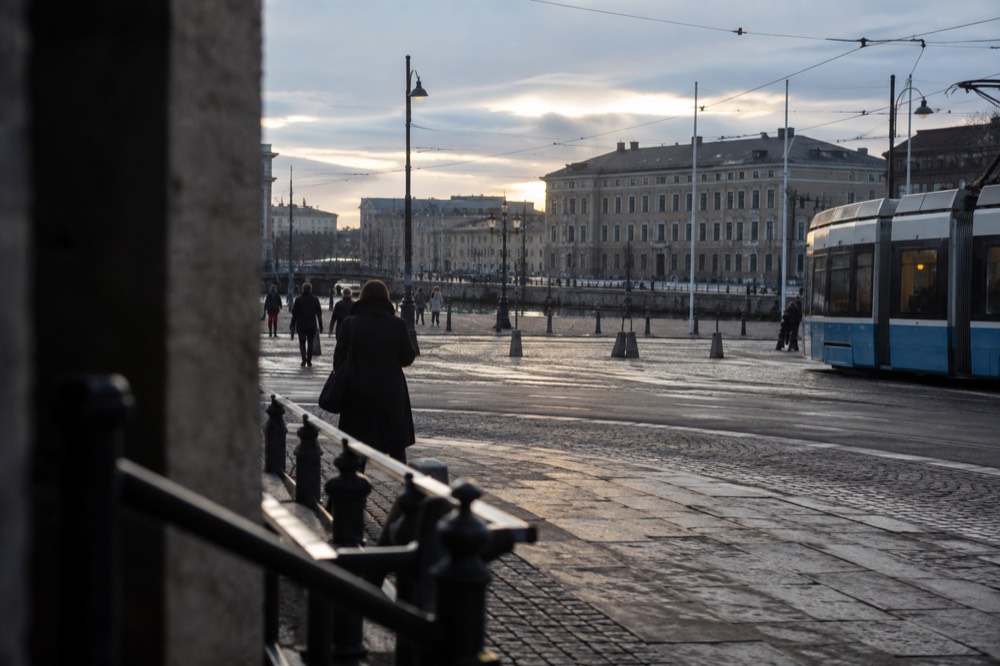
Most Gothenburg bars serve until at least 1am on Friday and Saturday nights, with the bigger clubs on and around Avenyn running later, often to 3am or 5am at weekends. On weeknights the city winds down earlier, and many neighbourhood pubs in Linné and Majorna close around midnight or 1am even in high season. Kitchen hours are a separate clock: kitchens typically stop serving around 9pm or 10pm even when the bar keeps going, so eat before the drinking starts rather than counting on a late menu.
Treat those as planning ranges rather than promises; individual venues set their own hours and seasonal schedules, and the reliable way to check a specific bar is its own listing or site. What is consistent is the shape of the night. Gothenburg does not do the southern-European pattern of heading out at midnight. People are in the bars by 9pm, the rooms are full by 11pm, and the walk to the club happens around midnight.
The seasonal calendar also matters more than visitors expect. Summer evenings are long, and on 21 June the sun sets at 22:17 local time with civil twilight until 23:30, so terrace drinking starts absurdly early and nobody feels any urgency to move indoors. In December the sun sets before 15:30 and the same city drinks indoors from late afternoon. Our best time to visit Gothenburg guide covers the full seasonal trade-off, and daylight and darkness in Gothenburg has the month-by-month numbers.
How Does Systembolaget Change a Night Out in Gothenburg?
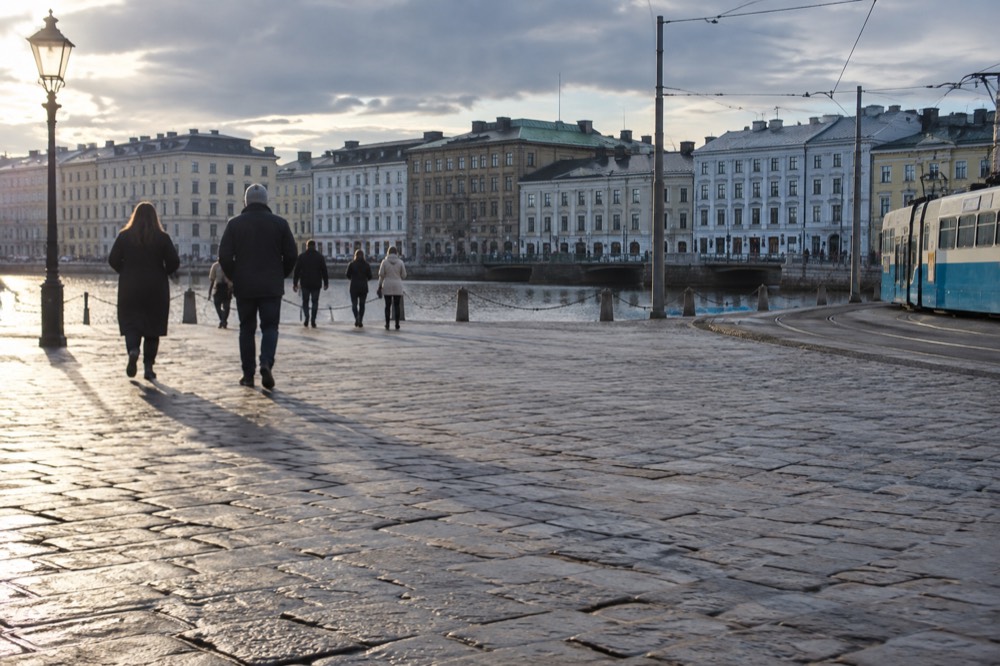
Systembolaget is Sweden's state alcohol retail monopoly, and under Alkohollag (2010:1622) it is the only shop allowed to sell anything above 3.5% ABV: all wine, all spirits and all normal-strength beer. Bars and restaurants serve normally every day, but any drinks for a hotel room or apartment must come from a Systembolaget store, which closes early on weekdays, earlier on Saturdays and never opens on Sundays. That Sunday rule reorganises weekend planning more than any club schedule does.
The practical consequence is that the shopping for Saturday night happens on Friday or Saturday daytime, not on the way to the party. The statute itself is unambiguous, as the Swedish statute book publishes it: beer above 2.25% but not above 3.5% ABV counts as folköl and sits in ordinary supermarkets, while everything stronger is starköl, wine and spirits, monopoly-only. This is also why supermarket beer in Sweden tastes weaker than the label suggests: the shelf version of a familiar brand is often a 3.5% reformulation, and the full-strength version lives at Systembolaget.
Do not plan around specific store hours. They vary by branch and could not be pinned to a single verified figure, so use the official store finder at systembolaget.se to check the exact branch you will be near. What is safe to plan around is the Sunday closure and the early weekday shutdown; both are structural, not seasonal.
| What you want | Where to buy it | Rule that applies |
|---|---|---|
| Beer up to 3.5% ABV | Any supermarket | Folköl, Alkohollag 1 kap. 8 |
| Beer above 3.5%, wine, spirits | Systembolaget only | Starköl and monopoly retail, 5 kap. 1-2 |
| Drinks in a bar or restaurant | Bars and restaurants | Licensed premises serve normally, all days |
| Drinks in your hotel or apartment | Systembolaget, bought during opening hours | Plan the purchase before Sunday |
The monopoly has one more effect worth knowing: because retail alcohol is bought in advance, the Swedish pre-drink is a real institution, and it happens at home around 8pm. If you invite yourself to anything social in Gothenburg, expect the evening to start in someone's kitchen.
What About Beer Prices and the Craft Scene?
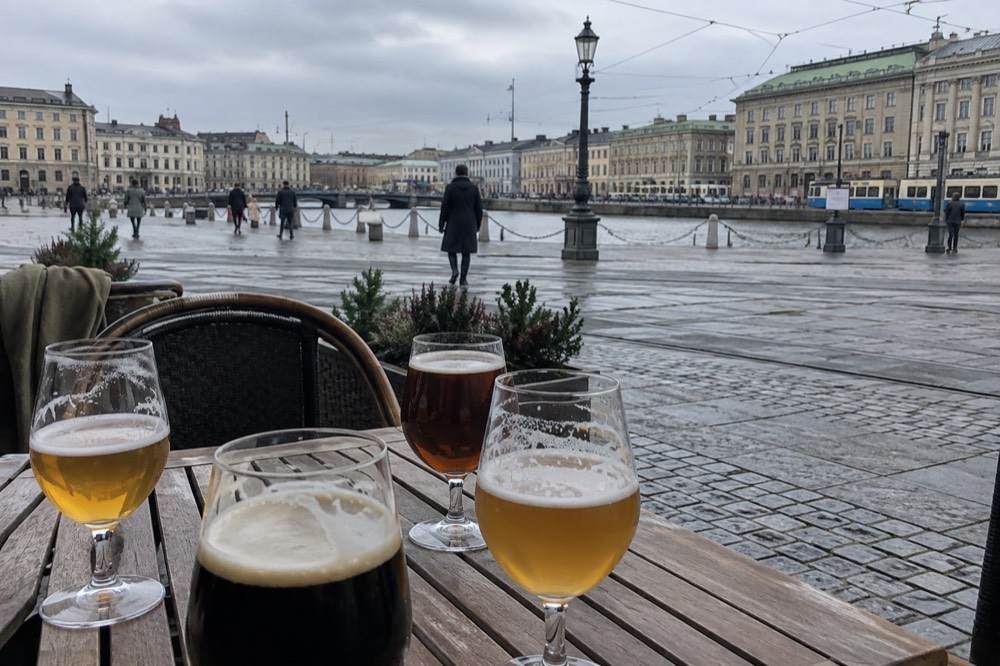
Gothenburg has a serious craft beer scene concentrated around Järntorget and Majorna, with specialist bars pouring local west-coast breweries alongside the usual Swedish lagers. Pint prices vary by venue and we print no figure we cannot verify, but the reliable pattern is that neighbourhood pubs in Linné and Majorna sit well below Avenyn's strip prices, and early-evening discounts are common on weeknights. The craft walk is the better-value night out in this city.
The craft beer walking tour with tastings is the structured way to do that evening: it runs about three hours, it is priced per person, and the listing shows no reviews yet, which is real information about a new listing rather than a warning. The distillery tour with a guided tasting is a shorter, indoor alternative on the same theme, about 90 minutes, and its listing carries a small number of very strong reviews.
For a sit-down version of the same scene, where to eat in Gothenburg covers the restaurant side of the same districts, and craft beer and bars in Gothenburg goes deeper on the breweries themselves.
Is There Live Music and Festival Nightlife in Gothenburg?
Yes, and the festival calendar is the strongest card in Gothenburg's nightlife hand: Way Out West takes over Slottsskogen park and central venues every August with a major international lineup, Göteborg Film Festival fills late-January evenings with screenings and parties, and the city's club and live venue circuit, from Avenyn basements to harbour warehouses, runs year-round. August is the month when the city's nightlife peaks, matching the same late-summer window when the sea is at its warmest and the terraces are fullest.
The Way Out West effect is real and worth planning around: hotel prices rise, and the whole city's evening energy shifts toward the festival footprint in Slottsskogen and around town. Our Way Out West festival guide covers tickets, camping and how the festival actually works. In winter the pattern inverts: the film festival in late January and early February gives the darkest weeks a social spine, and the Christmas market at Liseberg, which liseberg.se dates to 14 November through 23 December 2026, pushes the evening crowd toward the amusement park instead of the bars. Gothenburg in December covers that version of the city.
For the rest of the year, the venue circuit is steady rather than spectacular, but it is honest: rock clubs, jazz rooms and student unions, with the biggest rooms around Ullevi and the stadium district. Check venue listings for the specific week you are visiting rather than counting on a fixed calendar.
Can You Drink on the Water in Gothenburg?
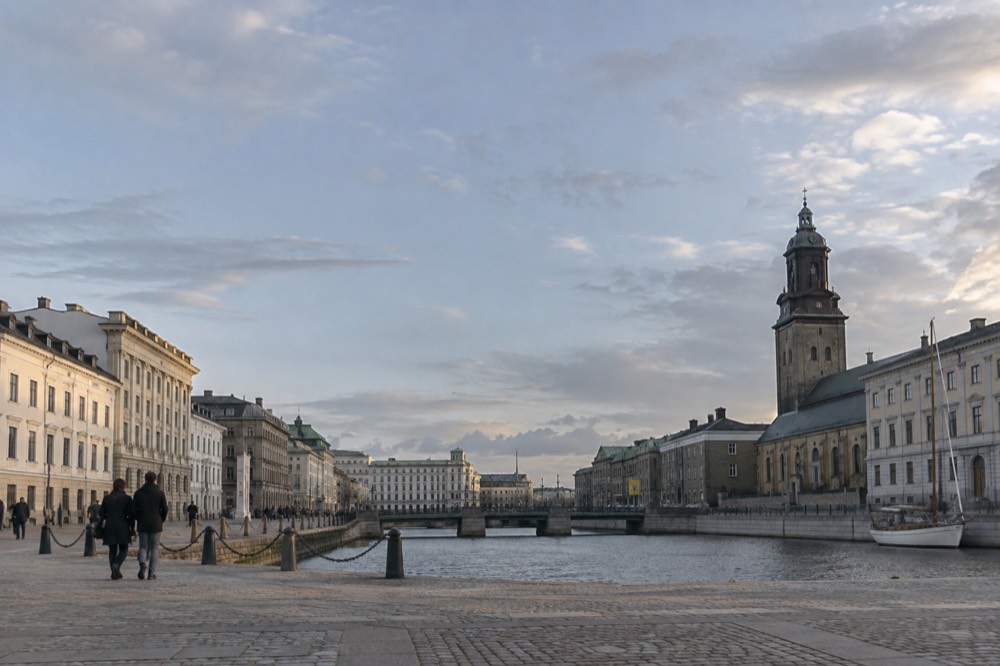
Yes, and the water is one of the city's better evening settings: an evening sailing tour with Swedish fika runs about three and a half hours on the archipelago, a shrimp and salmon cruise with live music takes dinner and drinks onto the harbour, and the car-free southern islands, Styrsö, Brännö, Vrångö and Donsö, are districts of Gothenburg reached on an ordinary Västtrafik ticket. An evening boat there is a city night out by every official definition.
The evening sail is the standout for a warm evening: the listing shows a perfect rating from a small number of reviews, it runs three and a half hours, and it includes fika, the Swedish coffee-and-cake institution that fika in Gothenburg explains properly. The shrimp and salmon cruise with live music is the dinner version, about three hours, with a solid rating from a small review count.
If you would rather ride than sail, the guided archipelago cruise is the low-commitment option: two and a half hours, a large review base with a rating in the mid-4s, and a per-person price on the listing. For the do-it-yourself version, how to get to the Gothenburg archipelago covers the Saltholmen ferry routes, and the Gothenburg archipelago covers the islands themselves.
How Do You Get Home After a Night Out in Gothenburg?
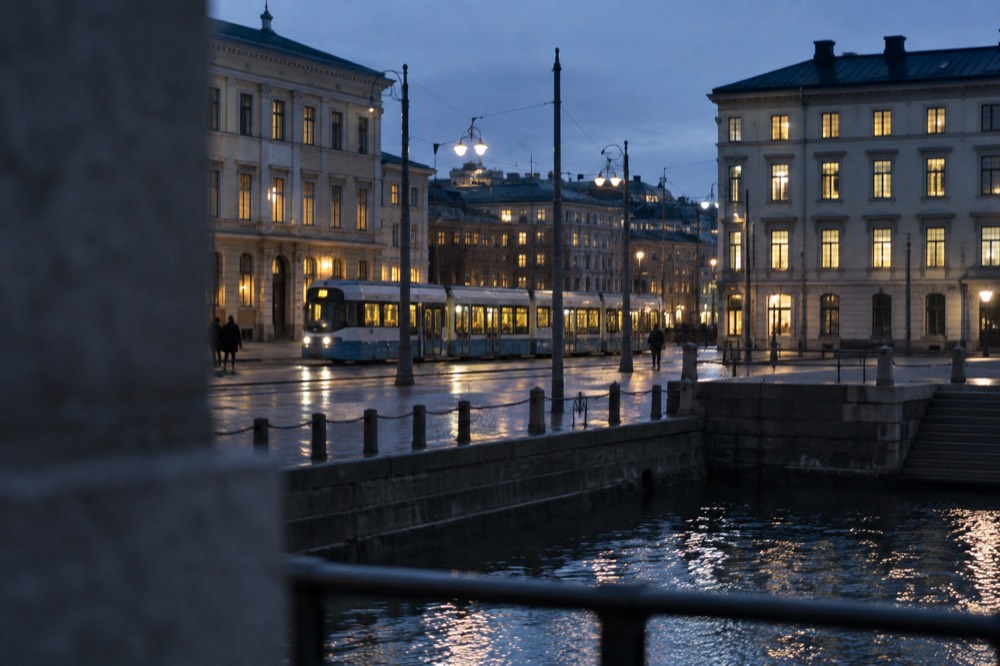
The trams keep running on weekend night routes, a single Zone A ticket costs 38 kr for an adult, and a 24-hour Zone A ticket costs 125 kr and covers every tram, bus and archipelago ferry in the zone, which makes it the default late-night transport answer. The network runs 12 tram lines across 188 km of single track as of its 2022 annual report, and carried 126 million journeys in 2025. Taxis are safe but expensive; walking works in the compact centre.
The fare structure is worth learning on day one because it is flat and forgiving. Zone A covers Gothenburg, Mölndal, Partille and Öckerö, so the same ticket that gets you from Avenyn to Majorna also gets you to the islands. Västtrafik's own Zone A ticket page states the 125 kr price, and our getting around Gothenburg guide has the full fare and zone detail, including the temporary state subsidy that halves 30-day tickets, a discount that does not apply to the 24-hour and 72-hour tickets visitors actually buy.
| Way home | What it costs | Notes |
|---|---|---|
| Single ticket, 1 zone | 38 kr adult, 29 kr youth | Valid 90 minutes, transfers included |
| 24-hour Zone A ticket | 125 kr | Trams, buses and archipelago ferries |
| Night tram routes | Same tickets | Weekend nights only, reduced frequency |
| Taxi | Metered, expensive | Safe, licensed, agree the meter |
| Walking | Free | Centre is compact; districts are not |
One late-night caution: the districts are far apart. Majorna to Avenyn is a tram ride, not a stroll, and the gap between the last regular services and the first morning ones is real on weeknights. Check the night-route map for your specific date.
Is Gothenburg Nightlife Safe?
Gothenburg is a safe city by European standards, with the usual big-city caveats: the main nightlife strips are busy and policed, drink-spiking and petty theft are rare but not zero, and the realistic night-out risks are the transport ones, missing the last tram or overestimating how walkable the districts are, rather than violence. Pickpocketing around crowded Avenyn venues and the risk of an unlicensed taxi are the two things actually worth guarding against. Standard common sense covers the rest.
Sweden's drinking culture is comparatively calm. Intoxicated people exist on Avenyn on a Saturday, but aggressive drunkenness is less normal than in many party cities, and the police presence around the main strip is visible. The is Gothenburg safe guide covers areas and common sense in detail; the short version for nightlife is that no district in this guide is one to avoid at night.
Is a Night Out in Gothenburg Expensive?
A night out in Gothenburg costs roughly what a night out in any large Swedish city costs: Nordic-bracket restaurant and bar prices, cheap but weak supermarket beer by law, monopoly-priced wine, and the biggest saving coming from the neighbourhood pubs of Linné and Majorna rather than the Avenyn strip. The fixed costs of the night are transport, which is cheap, and entry, which varies by venue. The city punishes laziness more than it punishes budgets.
The structure of the spend matters more than the totals. Because the pre-drink happens at home with monopoly-bought drinks, the bar bill starts later and smaller than a visitor expects. Because the tram home is 38 kr, the transport tail of the night is negligible. The expensive mistake is dinner plus club entry plus Avenyn drink prices stacked together, which is a choice rather than a fate. Our is Gothenburg expensive guide breaks down the full trip budget, and Gothenburg on a budget has the cheap-end playbook.
If your night out is part of a packed itinerary, the [Go City](https://gocity.tpk.ro/HQKyKKW4) All-Inclusive Pass bundles more than 20 attractions over one to five days at a per-person price on the listing, with a rating in the high-3s from a couple of hundred reviews. It is a daytime tool, not a nightlife one, but it frees budget for the evening.
Note what that pass is not: the old Göteborg City Card no longer exists, and the Göteborg City Card guide explains what the current pass products do and do not include.
Common Questions About Gothenburg Nightlife
What time do bars close in Gothenburg?
Most bars serve until at least 1am on weekend nights, and the bigger clubs around Avenyn run later, often to 3am or beyond on Fridays and Saturdays. Weeknights wind down earlier, and kitchens stop serving around 9pm or 10pm even when the bar stays open. Check the specific venue's own listing, since hours vary.
Can you buy beer in Gothenburg on a Sunday?
Only beer at or below 3.5% ABV, from ordinary supermarkets. Anything stronger is retail-sold only by Systembolaget, the state monopoly, which does not open on Sundays at all. Bars and restaurants serve alcohol normally on Sundays.
Is Gothenburg good for nightlife?
Yes, for a city of its size. It has a genuine student pub scene, a strong craft beer quarter, big clubs on Avenyn, a major August festival in Way Out West, and summer evenings long enough that the terraces do the work of the clubs. It is not a 5am city, and it does not pretend to be.
Where do locals go out in Gothenburg?
Locals largely skip Avenyn in favour of the Linné and Långgatorna pub strip and the craft beer bars around Järntorget and Majorna. The student population keeps Linné cheap and full; the beer scene keeps Majorna slow and local.
Do trams run all night in Gothenburg?
Not around the clock. Night routes run on weekend nights with reduced frequency, and a single Zone A ticket costs 38 kr while a 24-hour ticket costs 125 kr and covers trams, buses and the archipelago ferries. On weeknights the gap between the last services and the first morning ones is real, so check the night-route timetable for your date.
Can you drink on the archipelago islands at night?
The southern islands like Styrsö, Brännö and Vrångö are car-free districts of Gothenburg reached by ordinary Västtrafik ferry, and they have small island pubs and cafes, but they are quiet places, not nightlife districts. Treat an island evening as a sunset and a swim, not a bar crawl, and check the last ferry back.
The short version of Gothenburg nightlife: pick your district before dinner, buy anything stronger than folköl before Sunday, eat before 9pm, and keep 38 kr on the tram card for the way home. The city handles the rest. For the daytime hours before all this starts, two days in Gothenburg and one day in Gothenburg lay out the rest of the itinerary.