Gothenburg on a Budget: What a Cheap Trip to Sweden's West Coast City Really Costs
Sweden has a reputation for emptying wallets, but Gothenburg is the city where a tight budget stretches furthest: free parks, a car-free archipelago on an ordinary tram ticket, and tip-based walking tours.
Short answer
Budget travellers can do Gothenburg, Sweden comfortably on modest spending: Slottsskogen park and its zoo are free, a 125 kr 24-hour Västtrafik ticket covers trams plus the southern archipelago ferries, and free tip-based walking tours run most days. Cook some meals, drink supermarket folköl, and the city opens up without the Stockholm price tag.
Sweden is expensive, the internet insists, and then it points you at Stockholm prices. Gothenburg, the country's second city on the west coast, quietly breaks the rule. Göteborgs Stad's own figures put the population at 613,274, and the city recorded over 6 million commercial guest nights in 2025, its strongest year on record, which means a lot of people are already doing this without spending like tourists in a capital. The tram network that carried 126 million journeys in 2025 is the backbone of a city where the biggest park, the zoo inside it, and an entire car-free archipelago cost either nothing or an ordinary transit ticket.
This guide is the honest version: what is genuinely free, what merely looks free, where the 125 kr ticket does more work than any pass, and where a budget traveller should simply not bother spending. For the full cost breakdown, see what a Gothenburg trip really costs.
Is Gothenburg Actually Expensive for Budget Travellers?
Yes on accommodation and restaurant dinners, no on almost everything you actually came to see. Sweden's cost pressure lands on beds and table service, not on the city itself: Gothenburg's headline sights are a free park with a free zoo, free viewpoints, free wooden old quarters and a car-free archipelago covered by a 125 kr day ticket. A traveller who sleeps simply, eats one restaurant meal a day and uses the trams properly can hold spending to a fraction of what the same day costs in Stockholm.
The expensive parts are real, to be clear. Alcohol above 3.5% ABV can only be sold by the state monopoly Systembolaget under Alkohollag (2010:1622), the Swedish statute that draws the line at 3.5% ABV, and restaurant wine pricing reflects it. Hotel rooms in the centre are priced like any Nordic city. But the pattern a budget traveller needs to understand is that Gothenburg's costs are concentrated in a few categories, and the categories that make the city worth visiting are mostly outside them.
The other thing worth knowing is that the old "Göteborg City Card" that bundled attractions with transport no longer exists under that name; the current product is the [Go City](https://gocity.tpk.ro/HQKyKKW4) pass, and it does not include public transport. If a guide tells you a city card covers your trams, that guide is describing a card that was retired. The pass question gets its own section below.
What Is Actually Free in Gothenburg?
Slottsskogen park and the zoo inside it are free to enter, no ticket at all, and they are among the best experiences in the city. Walking Haga's wooden old quarter, the Klippan harbour village and the entire Göta älv waterfront costs nothing, as does the view from Masthuggskyrkan's steps and Ramberget on Hisingen. Göteborgs konstmuseum is free for everyone under 20 and for students, though it closes in 2028 for a rebuild until 2032, with intermittent blasting on the site right now.
Start with Slottsskogen, the huge green hill in the south of the city. The park itself is free, and so is the animal park inside it: Swedish elk, Gute sheep, harbour seals and penguins, in spacious enclosures, open to anyone who walks in. For a family on a budget this single fact changes the arithmetic of the whole trip, because a zoo visit in most European cities is a 20-plus euro-per-child line item. Pair it with the free things to do in Gothenburg rundown for the full list.

One nearby item needs precision, because most guides get it wrong. The Gothenburg Botanical Garden asks for a voluntary entry contribution rather than a fixed ticket, so it is neither simply free nor simply paid: you decide the amount at the entrance. Budget for a modest contribution and treat it as the honour system it is.
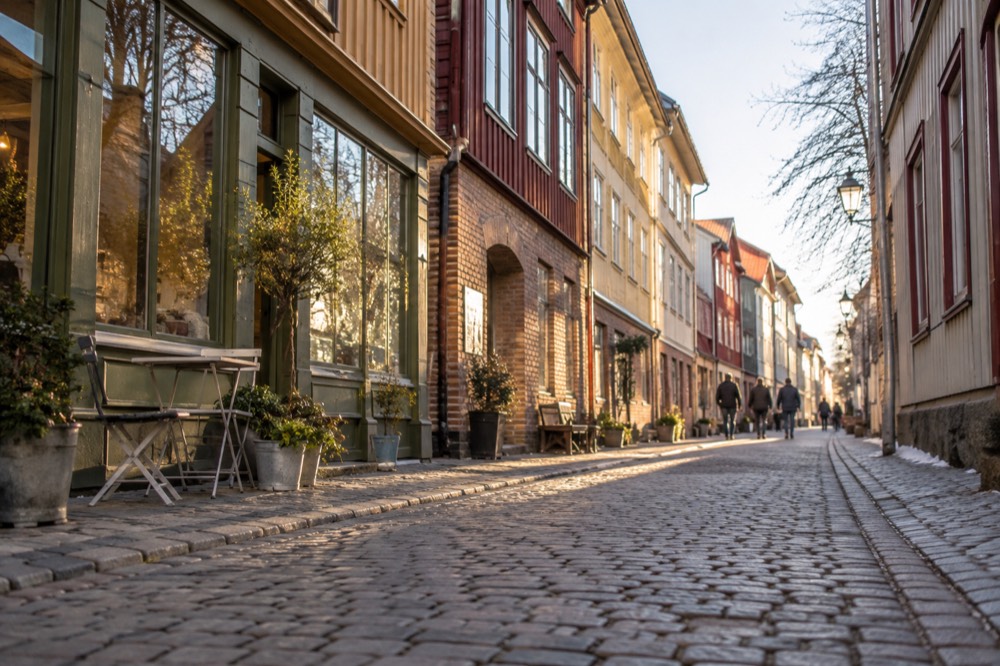
The neighbourhoods cost nothing and repay hours. Haga, with its low wooden landshövdingehus and cobbled lanes, is a walk, not an attraction, and the Haga old quarter guide maps it. Klippan, the old harbour village under the Älvsborg bridge, is another free wander. The viewpoints, Masthuggskyrkan's churchyard terraces and Ramberget's hilltop, are the city's best free photography, and the viewpoints guide lists them in order.
Here is the honest ledger of what costs nothing, what asks for something and what charges properly, so you can plan a day around the left column and spend deliberately on the right:
| Free | Voluntary contribution | Paid |
|---|---|---|
| Slottsskogen park and zoo | Gothenburg Botanical Garden | Universeum, dynamically priced |
| Haga, Klippan, waterfront walks | Street musicians, if you like | Göteborgs konstmuseum, 75 kr |
| Masthuggskyrkan and Ramberget views | GuruWalk tip at the end | Liseberg, from 95 kr entry |
| Southern archipelago ferries | Paddan canal cruises |
Then there are the free walking tours, which on this site means GuruWalk, a different platform from the one behind our paid listings, and the honesty requirement is to say so plainly. Four free, tip-based walks run in Gothenburg. Three are in English and one, the Majorna history walk, is Spanish only, so check the language on the listing before you commit. The English-language options include a general city walk covering history, culture and hidden corners, a food-and-architecture walk, and a hidden-corners tour; all are free upfront and you tip the guide at the end. For a budget traveller they are the cheapest orientation a new city can offer.
How Do You Get Around Gothenburg Cheaply?
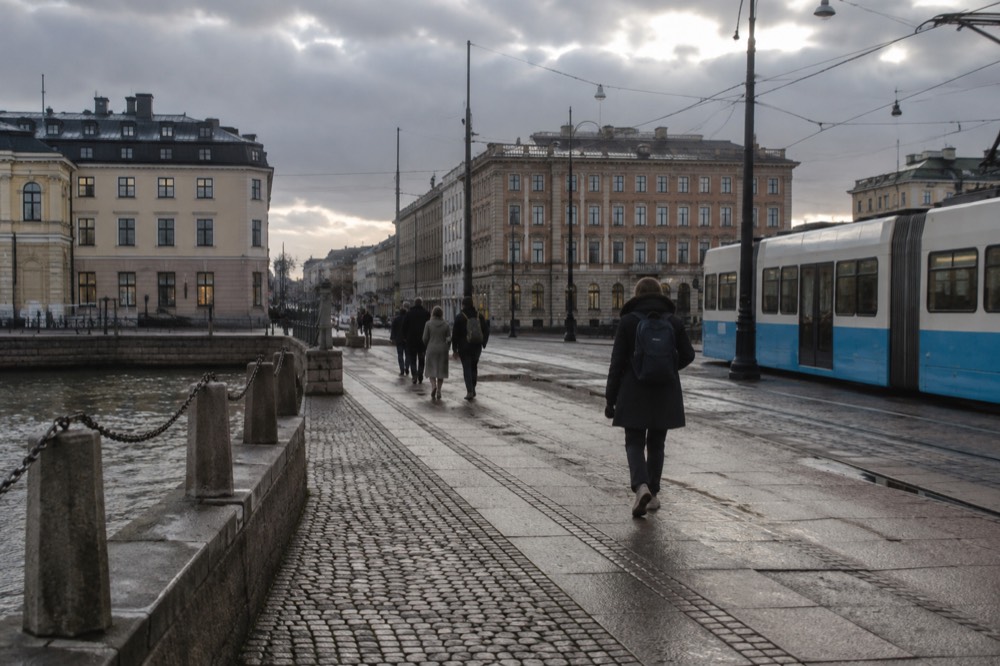
You buy a 24-hour Västtrafik Zone A ticket for 125 kr, and it covers every tram in the city plus the ferries to the car-free southern archipelago islands, because Västtrafik states you can ride on the same ticket all the way from the centre out to sea. A single ticket is 38 kr. There is no cheaper archipelago excursion in Scandinavia, and no tour you could buy that beats it on price.
The tram network is the whole system: 12 lines and 188 km of single track as of the 2022 network report, running from Mölndal in the south to Angered in the north and out to Saltholmen in the west, where the archipelago ferries dock. You tap a card or the app, you ride, and you do not tap out. The fares that matter to a visitor, from Västtrafik's own fare pages:
| Ticket | Adult price | What it covers |
|---|---|---|
| Single, 1 zone | 38 kr | One journey, Zone A |
| Single, 2 zones | 76 kr | One journey across two zones |
| 24-hour, Zone A | 125 kr | Unlimited trams, buses and ferries for 24 hours |
| 72-hour, Zone A | Price on Västtrafik's page | Same network, three days |
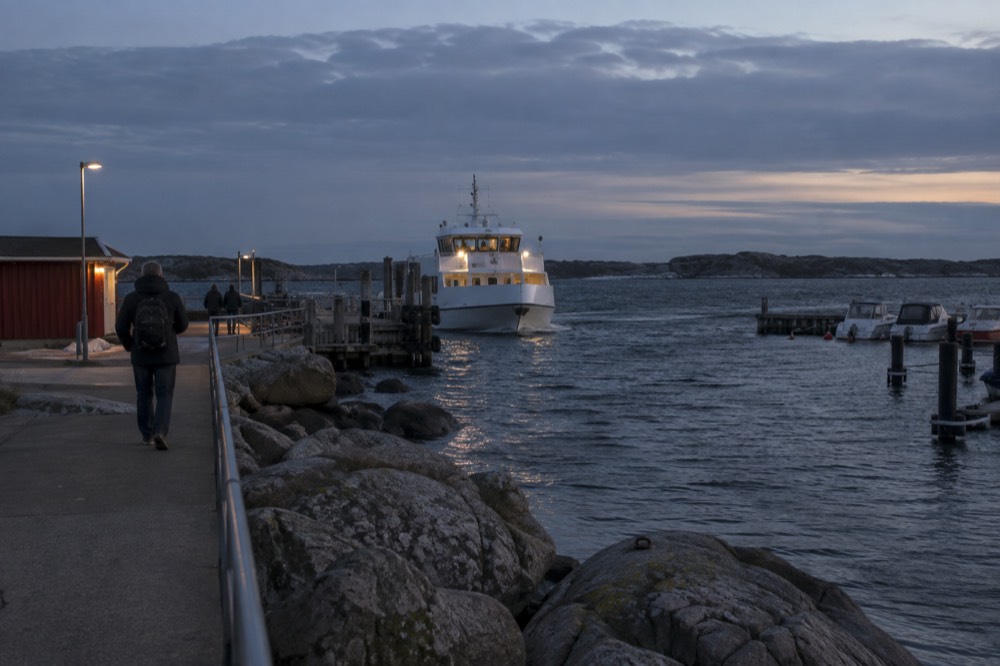
The archipelago clause is the budget traveller's single best fact in Gothenburg. The southern islands, Styrsö, Brännö, Vrångö, Donsö, Asperö and Köpstadsö, are areas of the city, not day trips, and private cars are banned on them under a Göteborgs Stad protection order. Your 125 kr day ticket covers the tram to Saltholmen and the ferry out to any island, so a full day of swimming, coastal walks and village wandering costs less than a cinema ticket anywhere else in Europe. The southern archipelago guide and the getting around guide cover the logistics island by island.
One warning about a discount you will read about elsewhere. A temporary state subsidy currently halves every 30-day period ticket, cutting Zone A adult monthlies from 890 kr to 445 kr. It does not apply to the 24-hour and 72-hour tickets visitors actually buy. Your day ticket is still 125 kr, whatever the headline says.
Where Can You Eat Cheaply in Gothenburg?
Eat where the food halls and neighbourhood bakeries are: Feskekôrka reopened in 2024 as a food hall with five restaurants and two fish counters, Saluhallen offers cheap hot lunches, and a proper fika, coffee plus a bun, costs a few tens of kronor at neighbourhood bakeries rather than Avenyn prices. Beer up to 3.5% ABV is sold in ordinary supermarkets; anything stronger requires a Systembolaget run, and there is no way around that.
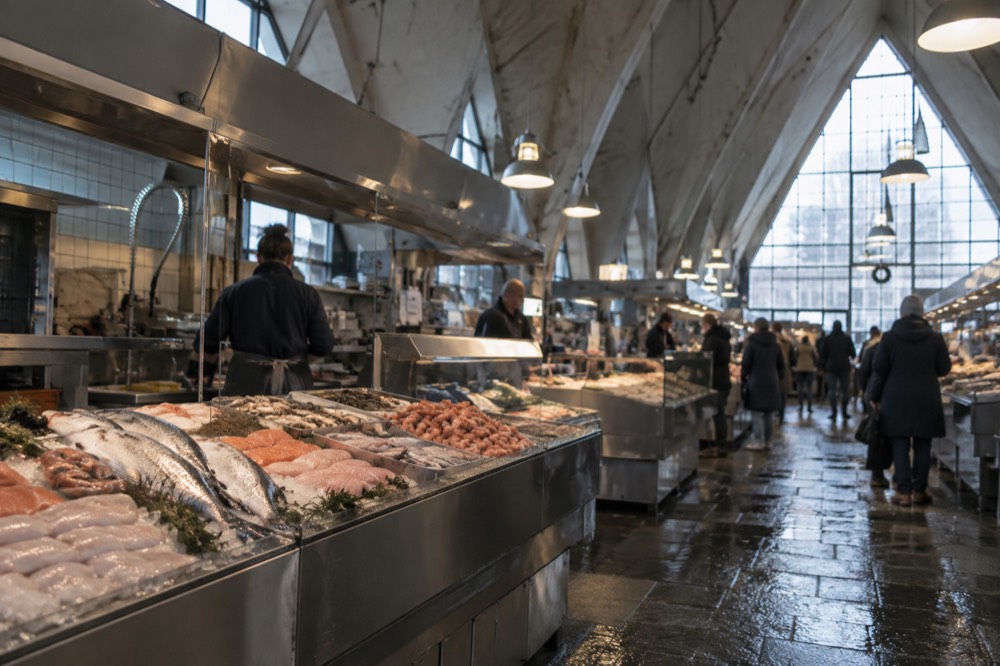
Feskekôrka, the fish-church-shaped market hall on Rosenlundsgatan, is the emblem of how Gothenburg eating has shifted. It reopened in 2024 after renovation, the same year the building turned 150, and it is no longer just fish counters: Higab and the hall's own site list five restaurants alongside the two fishmongers, which makes it a place where a budget eater can find a seated seafood plate at several price points rather than one expensive temple of fish. The Feskekôrka guide has the current tenants.
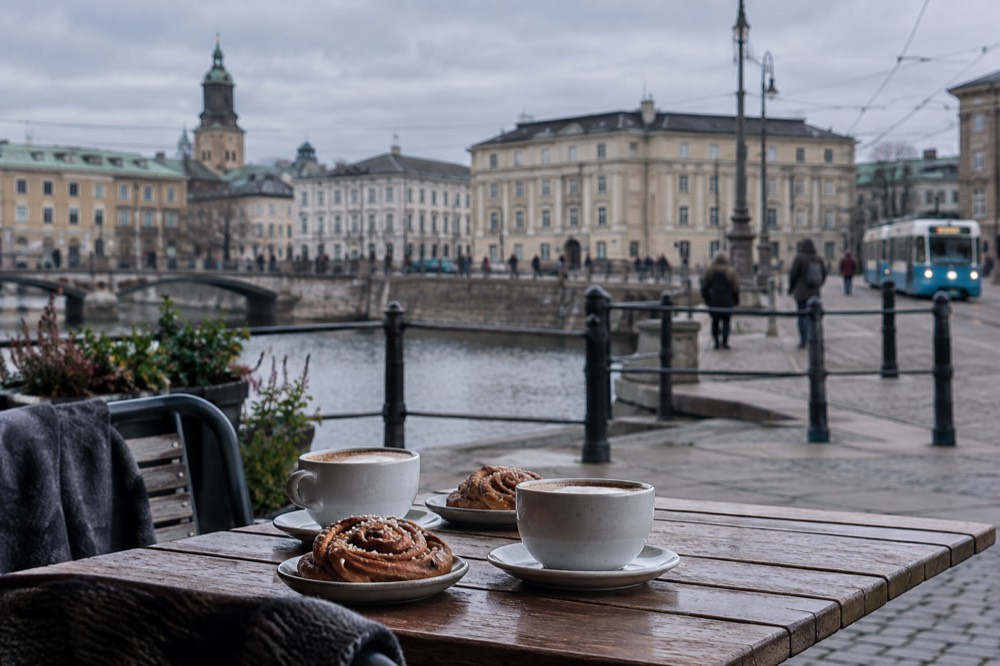
Fika is the budget meal Sweden built for you. Coffee and a cinnamon bun or cardamom bun mid-afternoon is the social institution of the country, and at a neighbourhood bakery in Majorna or Linné it costs a fraction of a restaurant lunch. The fika guide explains the custom and where to practise it cheaply. For full meals, the where to eat guide separates the splurge places from the honest ones.
The alcohol rule is statutory and worth planning around. Supermarkets sell only folköl, beer between 2.25% and 3.5% ABV; everything stronger, plus all wine and spirits, is Systembolaget only, and stores close on Sundays. A budget traveller who enjoys a drink buys at Systembolaget or drinks the 3.5% shelf beer, and treats bar prices as the occasional outing rather than the default. The craft beer and bars guide has the cheap end of the scene.
Is Liseberg Affordable on a Budget?
Liseberg entry starts at 95 kr online, but that ticket includes zero rides: entry and rides are sold separately, with a combined entry-plus-ride-pass ticket from 365 kr. For a budget traveller who just wants the atmosphere, the lights and the music, 95 kr is one of the cheapest evenings out in the city, and it is not sold through any booking platform, only on Liseberg's own site.
The entry/ride split is the fact that catches families out, so state it plainly: Liseberg's own price page sells Entré from 95 kr, children under 110 cm free, and the ride pass, Åkpass, from 310 kr separately, or combined from 365 kr. If you are travelling with children who want ten rides, budget the combined ticket. If you are an adult who wants to walk a lit-up amusement park in the evening, the 95 kr entry and a candied almond bag is a genuinely cheap night.
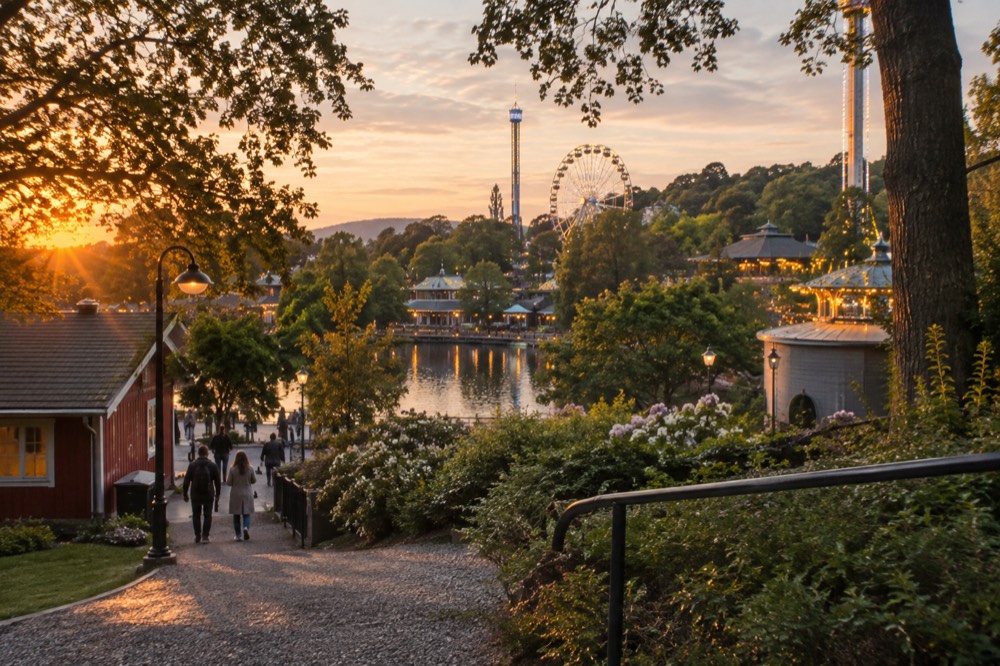
The calendar matters as much as the price. In 2026 the summer season runs 18 April to 20 September, Halloween 2 October to 1 November, and the Christmas market 14 November to 23 December, with the park closed between seasons, including from late December to mid-April. A budget traveller arriving in February finds the gates shut. The Liseberg tickets and timing guide carries the current season dates.
Is the Go City Pass Worth It for a Budget Trip?
Only if you genuinely plan to hit several paid attractions in a short window. The Go City All-Inclusive Pass, from $56 on the listing, bundles 20-plus Gothenburg attractions into one price, and the arithmetic is simple: it pays off at three or four paid sights in a day or two, and loses money against a plan built on free parks, the archipelago ferry and one paid museum. Unlike the retired Göteborg City Card, it does not include public transport.
Do the sums before buying. A budget itinerary in Gothenburg leans heavily on free items, Slottsskogen, Haga, the viewpoints, the archipelago on a 125 kr ticket, and adds maybe two paid attractions. Against that plan a pass is dead weight. But if your plan stacks Universeum, World of Volvo, Paddan and a sightseeing tour into two days, the bundled price can undercut the door prices. The city pass guide works the arithmetic in detail.
The same logic applies to the amphibious sightseeing bus, which is the city's most-reviewed tour, 4.7 from 4,326 reviews on the listing, from $36 per person. It is a fun one-hour splurge, not a budget necessity, but if one paid tour is in your plan, it covers harbour and city in a single hour. Check availability.
What Does a Cheap Day in Gothenburg Actually Cost?
A realistic budget day, one 125 kr day ticket, breakfast and fika from bakeries, a supermarket or food-hall lunch, one free park or island, and a modest dinner, runs to a comfortable total in the low hundreds of kronor plus whatever you spend on a bed. The table below shows the honest planning ranges, and the single biggest lever is accommodation, which can swing the daily total more than everything else combined.
| Item | Planning range (kr) | Notes |
|---|---|---|
| 24-hour transit ticket | 125 | Trams, buses and archipelago ferries |
| Bakery breakfast + fika | 60-100 | Coffee and a bun, twice |
| Food hall or supermarket lunch | 80-150 | Hot lunch at Saluhallen, or self-catered |
| Slottsskogen, Haga, viewpoints | 0 | Free, all day |
| Simple dinner | 120-250 | Neighbourhood restaurant, no alcohol |
| Liseberg evening entry (in season) | 95 | Rides extra |
Accommodation is the line that decides whether Gothenburg feels cheap or not. Hostels and simple hotels outside the very centre keep the daily total low; Avenyn-adjacent hotels do not. The where to stay guide maps the districts by price, and the weekend guide shows how the pieces fit into a short trip.
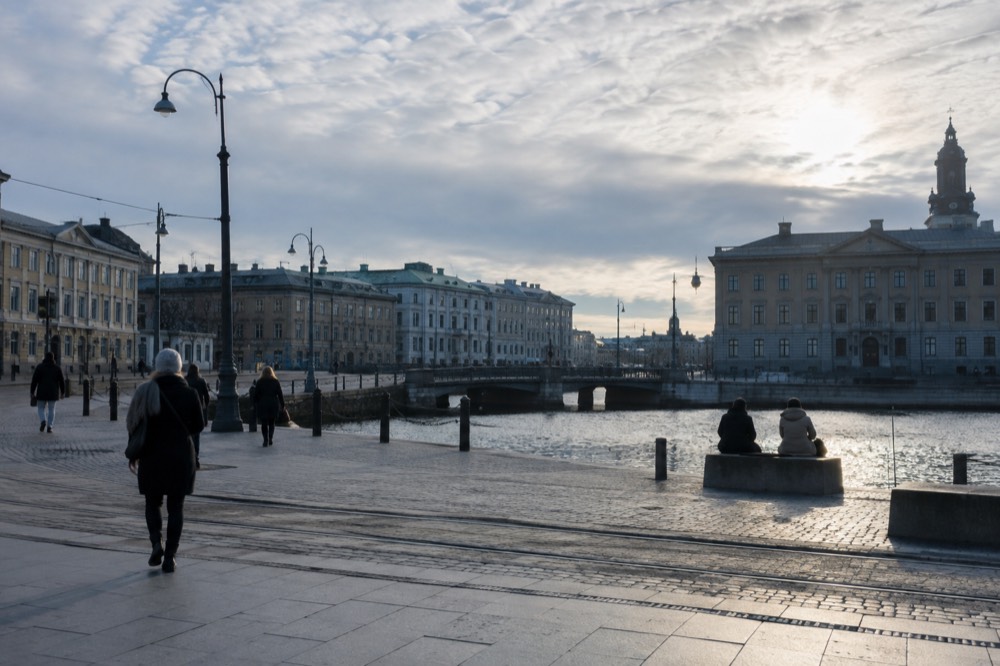
Timing changes the budget too. SMHI's 1991-2020 normals for the Göteborg A station put April as the driest month of the year, 51.3 mm, on the fewest wet days, while October is the wettest at 102.9 mm. Spring is the value window: dry weather, cheaper beds before peak summer, and the sea warming toward its August peak of 18.6 C. The best time to visit guide has the month-by-month case.
Day trips can be cheap or not, and the dividing line is simple: the archipelago islands are part of the city and covered by your transit ticket, while Marstrand, the Bohuslän coast and Läckö are genuine day trips with genuine costs. The day trips guide separates them, and the day trips by train guide covers the ones reachable on a rail fare.
Common Questions About Gothenburg on a Budget
Is Gothenburg cheaper than Stockholm?
Generally yes for the things a budget traveller spends on: Gothenburg's headline attractions are largely free or transit-ticket cheap, and its restaurant and bed prices run below the capital's. The Gothenburg or Stockholm comparison covers the differences in detail.
Can you do the Gothenburg archipelago on a budget?
Yes, and it is the best-value excursion in the region. The southern islands sit in Västtrafik Zone A, so the same 125 kr 24-hour ticket that runs the trams also runs the ferries from Saltholmen. The islands are car-free areas of the city, not commercial day trips.
What is free in Gothenburg?
Slottsskogen park and its zoo, the Haga and Klippan quarters, the waterfront walk, the Masthuggskyrkan and Ramberget viewpoints, and the tip-based GuruWalk walking tours, three of which run in English. The Botanical Garden asks a voluntary contribution rather than a fixed ticket.
How much is transport per day in Gothenburg?
A 24-hour Zone A ticket is 125 kr and covers trams, buses and the archipelago ferries. A single ticket is 38 kr. The monthly-ticket discount currently in the news does not apply to these visitor tickets.
Is Liseberg expensive?
Entry starts at 95 kr online but includes no rides; the combined entry-plus-rides ticket starts at 365 kr. An adult who just wants the atmosphere can treat the 95 kr entry as a cheap evening out. The park closes between seasons, so check the calendar before planning around it.
Can you drink cheaply in Gothenburg?
Only within Sweden's rules. Supermarkets sell beer up to 3.5% ABV; everything stronger, plus wine and spirits, is sold only by Systembolaget, which closes on Sundays. Buying at the monopoly and drinking at your accommodation is the budget move.
The honest summary is that Gothenburg, Sweden rewards the traveller who plans around its structure rather than fighting it: free parks and viewpoints, a tram-and-ferry day ticket that does the work of a tour, food halls and bakeries instead of Avenyn dinner every night, and one or two paid attractions chosen deliberately rather than a pass bought on instinct. Do that, and the city that supposedly empties wallets turns out to be one of the cheapest good days in Scandinavia. More planning help lives across Gothenburg Travel Guide, from the two-day itinerary to the rainy day guide.