Gothenburg in Summer: Weather, Archipelago Days and What to Book
Summer is the season Gothenburg, Sweden was built for: 18 hours of daylight in June, sea water that peaks in August at 18.6 C, an archipelago reachable on an ordinary tram ticket, and a theme park calendar that runs from mid-April to late September.
Short answer
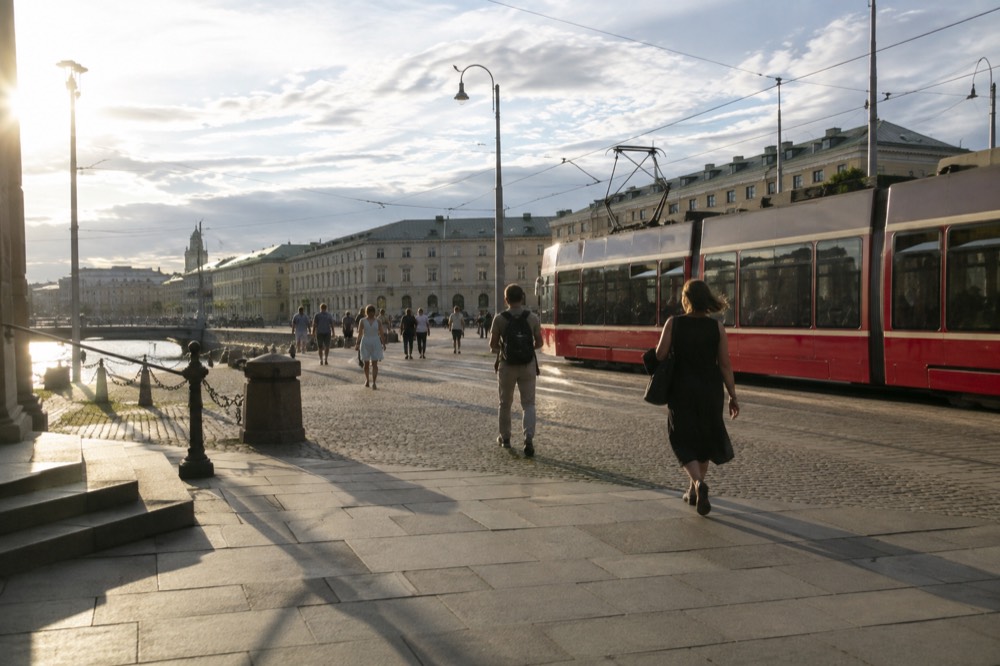
Gothenburg's summer runs on hard numbers: 18 h 06 m of daylight on 21 June, air peaking at 18.3 C in July, sea peaking at 18.6 C in August, and October, not summer, as the wettest month. Liseberg opens 18 April to 20 September 2026, the archipelago ferries take an ordinary Zone A ticket, and a 24-hour transport pass at 125 kr covers trams and islands together.
Gothenburg in summer is a different city from the one in the brochures. The light starts before 4 a.m. in late June and the sun does not set until after 22:00, the trams run packed to Saltholmen for the archipelago ferries, and the sea off the islands is warmer in September than in June. This guide runs through what the verified numbers say about a Gothenburg summer, what to do with the long days, and where the money goes.
What Is Summer Weather Really Like in Gothenburg?
Gothenburg's summer air peaks at 18.3 C in July, the sea peaks later at 18.6 C in August, and summer is not the rainy season: SMHI's 1991-2020 normals put the wettest month in October at 102.9 mm against July's 81.3 mm, with June at 73.7 mm. Daylight on 21 June runs 18 hours 6 minutes, and civil twilight leaves only about three and a half hours of true night.
Those figures come from SMHI's own normals for station Göteborg A (71420) and from 61,749 quality-controlled hourly sea temperature readings at the Vinga lighthouse station in the archipelago. The full normals series is published on SMHI's 1991-2020 normals page. Two of the numbers surprise most visitors. First, the water is warmer in September (16.7 C) than in June (16.2 C), because the sea runs about six weeks behind the air. Second, the rain reputation belongs to autumn, not summer. The city gets 912 mm across 127 wet days a year, roughly one day in three, but the driest month of the entire year is April at 51.3 mm and the summer months sit below the October peak.
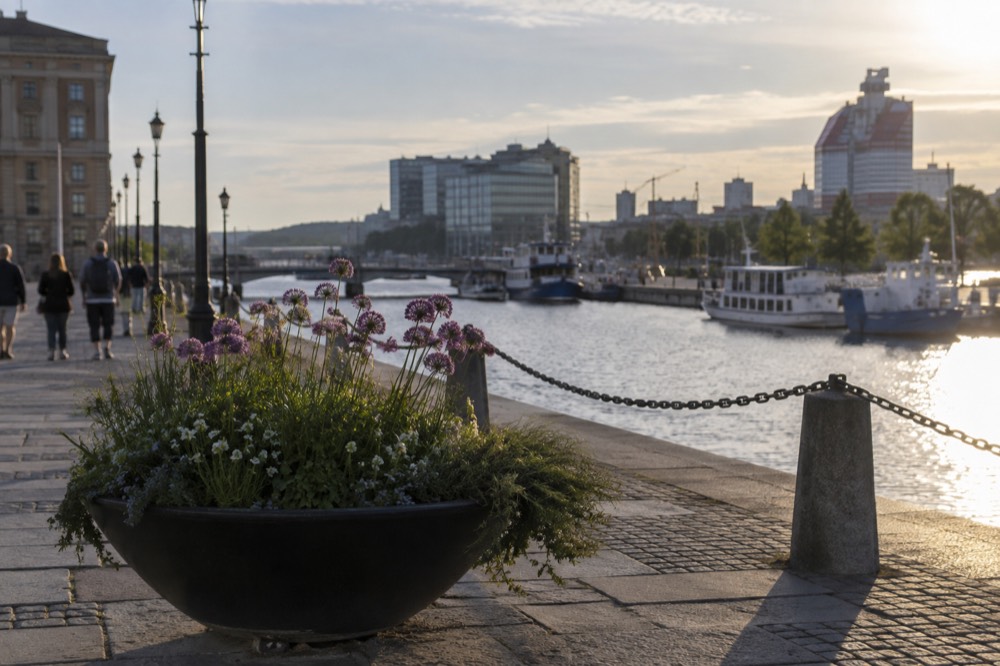
The daylight swing is the other number worth knowing. Between the solstices Gothenburg gains and loses 11 hours 34 minutes of daylight: 18 h 06 m on 21 June against 6 h 32 m on 21 December. In June, civil twilight runs from 02:58 to 23:30 local summer time, so the sky never goes properly dark. If you want to sit outside at 22:30 and still see your food, June and July are the months.
| Month | Mean air temp | Mean sea temp at Vinga | Precipitation | Wet days (≥1 mm) |
|---|---|---|---|---|
| June | 15.7 C | 16.2 C | 73.7 mm | 10.0 |
| July | 18.3 C | 18.3 C | 81.3 mm | 9.8 |
| August | 17.7 C | 18.6 C | 92.8 mm | 11.9 |
| September | 14.0 C | 16.7 C | 80.0 mm | 10.8 |
The table carries the planning message in one line: August and early September are the best swimming months, not June, and no summer month comes close to October's 102.9 mm. For the full month-by-month picture, see our best time to visit Gothenburg guide.
What Are the Best Things to Do in Gothenburg in Summer?
The summer shortlist is Liseberg between 18 April and 20 September 2026, the car-free southern archipelago islands on an ordinary tram-and-ferry ticket, Slottsskogen's free zoo and lawns, the Paddan canal boats through the old moat, and the evening restaurant terraces along the Långgatorna strip. Liseberg's own ticket page states that a 95 kr entry ticket includes zero rides, so budget for the combined pass if the rides are the point.
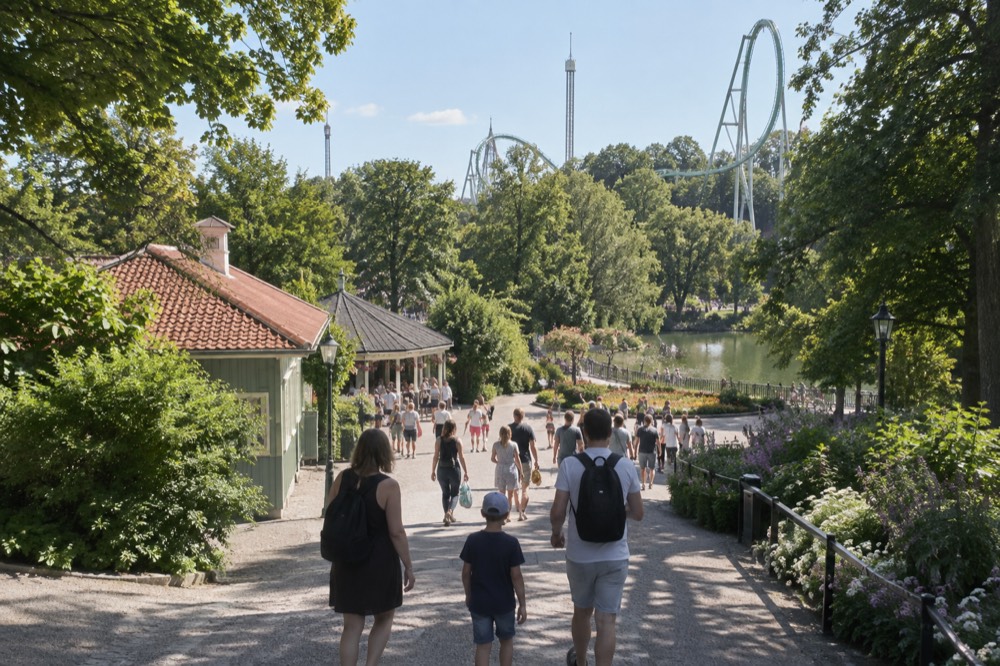
Liseberg is the headline act and its calendar is irregular. The park's own pages confirm the 2026 summer season at 18 April to 20 September, then Halloween from 2 October to 1 November and the Christmas market from 14 November to 23 December. The dates and prices are published on Liseberg's own tickets and prices page. Between those seasons the park closes, which is why a February visitor finds the biggest attraction in the city shut. Entry starts at 95 kr online, children under 110 cm enter free, and the Entré + Åkpass combination starts at 365 kr. The entry/ride split is the fact most visitors trip over: Liseberg's own wording says the ride pass includes free rides but the entry ticket does not include rides. Our Liseberg rides, tickets and when to go guide carries the full breakdown.
Slottsskogen costs nothing, stays open all summer, and puts seals, moose and penguins in the middle of the city. The Paddan boats run the old Dutch moat through the city, and the amphibious bus does the same route by land and water. If museums are more your speed, the Gothenburg museums guide sorts what is open, including the two closures that matter: the Volvo Museum at Arendal shut permanently in December 2023 and only World of Volvo exists now, and Göteborgs konstmuseum is scheduled to close in 2028 for a rebuild that runs to 2032.
The Go City pass deserves a specific warning. The old Göteborg City Card no longer exists, and the Go City product that replaced it does not include public transport, so do not buy it expecting tram coverage. Our Go City pass worth-it analysis guide runs the maths against single attraction prices.
How Do You Reach the Gothenburg Archipelago in Summer?
You ride a tram to Saltholmen and then a ferry to the islands on one ordinary Västtrafik Zone A ticket: Västtrafik's own zone material confirms the southern archipelago boats are part of the network, so a 125 kr 24-hour Zone A ticket covers the tram, the ferry and every island. Private cars are banned on the southern islands, Styrsö, Brännö, Vrångö, Donsö, Asperö and Köpstadsö, by city ordinance.
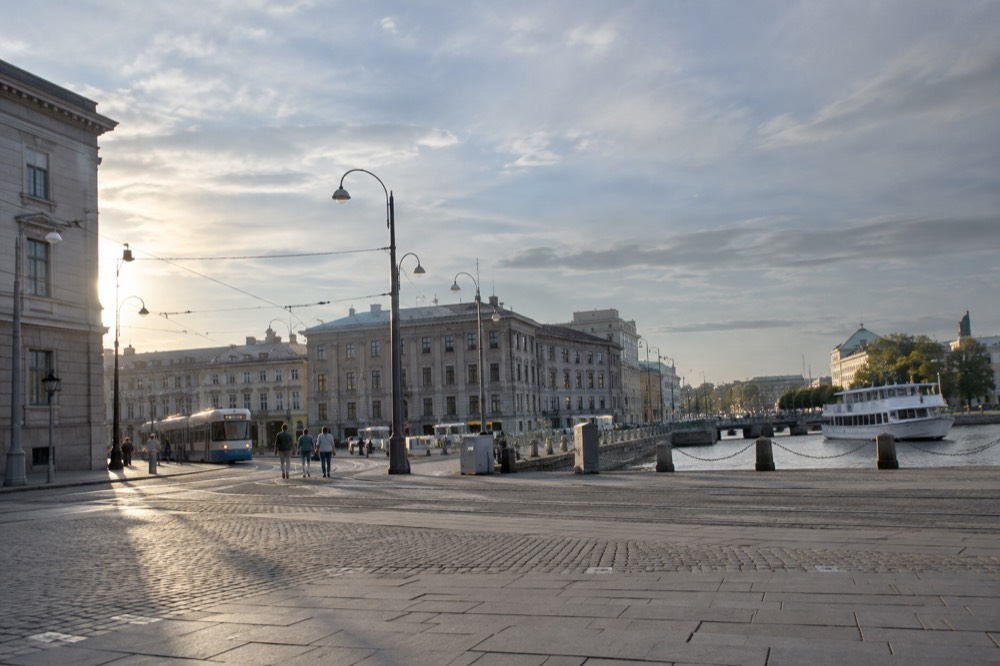
This is the best-value single fact in Gothenburg. Saltholmen is the western terminus of the tram network, and the ferries that leave from it carry Västtrafik line numbers and appear on the authority's own tram, bus and boat zone map. There is no separate ferry fare, no island entry fee and no need for a tour operator if you do not want one. Västtrafik's single adult Zone A ticket is 38 kr, and the 24-hour Zone A ticket is 125 kr at the same price in the app or the shop, per Västtrafik's Zone A day-ticket page.
The islands are areas of Gothenburg, not day trips. Vrångö and Brännö have swimming rocks and small village cores, Styrsö has a shop and café cluster around the jetty, and Donsö is the fishing-island base of the local shrimp fleet. Because cars are banned, the walking is quiet and the ferries are the only schedule that matters. Our how to get to the Gothenburg archipelago and southern archipelago islands guides carry the island-by-island detail, and the swimming and beaches in Gothenburg guide covers where to get in the water.
If you would rather have a guide and a boat with a commentary, the archipelago cruise runs 2.5 hours with a guide on board, from $44 per person and rated 4.4 from 1,488 reviews on the listing. Check availability alongside our Gothenburg archipelago overview.
For a full-day island walk, the Brännö and Galterö guided hiking tour with fika runs 8 hours from $103 per person, with no reviews published yet, so read the listing before booking. Everything else covered here is indexed on Gothenburg Travel Guide.
| Island | What it is best for | Ferry from Saltholmen |
|---|---|---|
| Styrsö | Cafés, shop, easy village walk | Regular Västtrafik ferry |
| Brännö | Swimming rocks, meadow walks | Regular Västtrafik ferry |
| Vrångö | Quietest beaches, southernmost feel | Regular Västtrafik ferry |
| Donsö | Working fishing harbour | Regular Västtrafik ferry |
Which Summer Events Fill the Gothenburg Calendar?
The two anchors are the Way Out West festival in early August and the Gothenburg Culture Festival, with Liseberg's summer season running behind both from 18 April to 20 September 2026, and the archipelago and canal boats at their fullest summer schedules. The city recorded over 6 million commercial guest nights in 2025, a record, so July and August book out early.
Way Out West takes over Slottsskogen and venues across the city with a music and film programme, and our Way Out West festival guide covers tickets, areas and where to stay. The Culture Festival fills the city centre with free stages. Between them, the summer is dense enough that accommodation prices spike in early August, which matters if you are combining the festival with the archipelago.
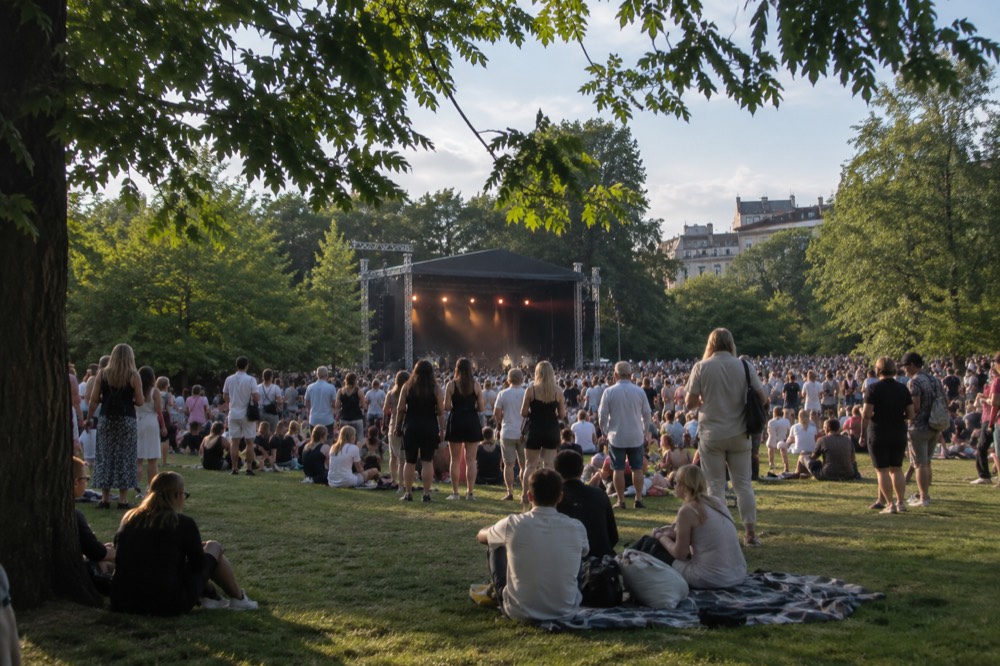
Beyond the festivals, the everyday summer programme is the outdoor life: the Trädgårdsföreningen garden society grounds, the Avenyn and Götaplatsen café terraces, and the evening light on the Ramberget viewpoint. The Gothenburg with kids guide covers the family side of the same weeks, including Universeum, which is open every day of the year, 10:00 to 18:00, with dynamically priced timed entry rather than a fixed adult ticket.
How Much Does a Gothenburg Summer Day Cost?
A summer day runs cheap if you lean on the free layer: Slottsskogen, the archipelago ferry on a 125 kr 24-hour Zone A ticket, and the free museums cost almost nothing, while Liseberg from 365 kr for entry plus rides, a guided walking tour from about $34 and a main course in the Långgatorna restaurants set the paid tier. A single tram ticket is 38 kr adult.
The transport layer is the best lever. A 24-hour Zone A ticket at 125 kr covers trams, buses and the archipelago ferries together, so a full island day costs the same as a city day. One caveat that Västtrafik's own pages make clear: the temporary state subsidy currently halving 30-day period tickets does not apply to the 24-hour and 72-hour tickets visitors buy, so do not arrive expecting half-price transport. Our getting around Gothenburg guide carries the full fare table, and the is Gothenburg expensive guide prices a whole trip.
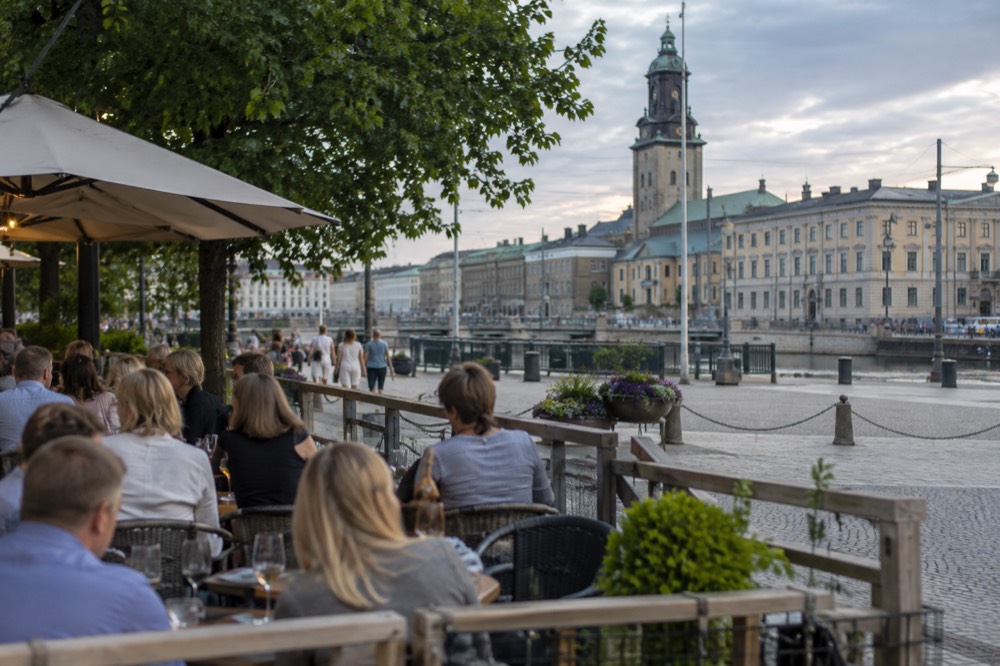
For food, the summer layer is the Feskekôrka fish church food hall, which reopened in 2024 with two fish counters and five restaurants, the saluhallen food halls, and the shrimp sandwich tradition on the islands. The where to eat in Gothenburg and fika in Gothenburg guides cover both sit-down and coffee-stop budgets.
| Summer day type | Low-budget version | Comfortable version |
|---|---|---|
| Transport | 125 kr 24-hour Zone A ticket | Same ticket, taxi at night |
| Archipelago | Self-guided island ferry day | Guided archipelago cruise from $44 |
| Liseberg | Free to walk past, 95 kr entry only | Entré + Åkpass from 365 kr |
| Sightseeing | Free walking tour, tip-based | Amphibious bus tour from $36 |
| Museums | Free-entry city museums | Universeum, dynamic pricing, book a slot |
The free walking tours deserve their line here. Four run in the city through GuruWalk, three in English and one in Spanish only, all tip-based, with ratings from 4.77 to 5 on the GuruWalk listings. Never treat the Spanish-only walk as an English option. See this free tour on GuruWalk for the hidden-corners route, rated 4.88 from 24 reviews.
What Should You Pack for a Gothenburg Summer?
Pack for 15 to 18 C days that can swing either side: a light rain layer because roughly one day in three sees rain even in summer, swimwear for August water at 18.6 C, and an eye mask for June, when civil twilight leaves only about three and a half hours of true darkness. Layers matter more than a heavy jacket.
The numbers behind that are the ones already on the table above. July's mean of 18.3 C is an average, not a ceiling, and the sea's August peak of 18.6 C makes a proper swim realistic rather than heroic. The rain layer is not pessimism: even the driest summer month sees about ten wet days, though the heavy month is October at 102.9 mm, after the tourists leave. Our what to pack for Gothenburg guide has the full seasonal list.
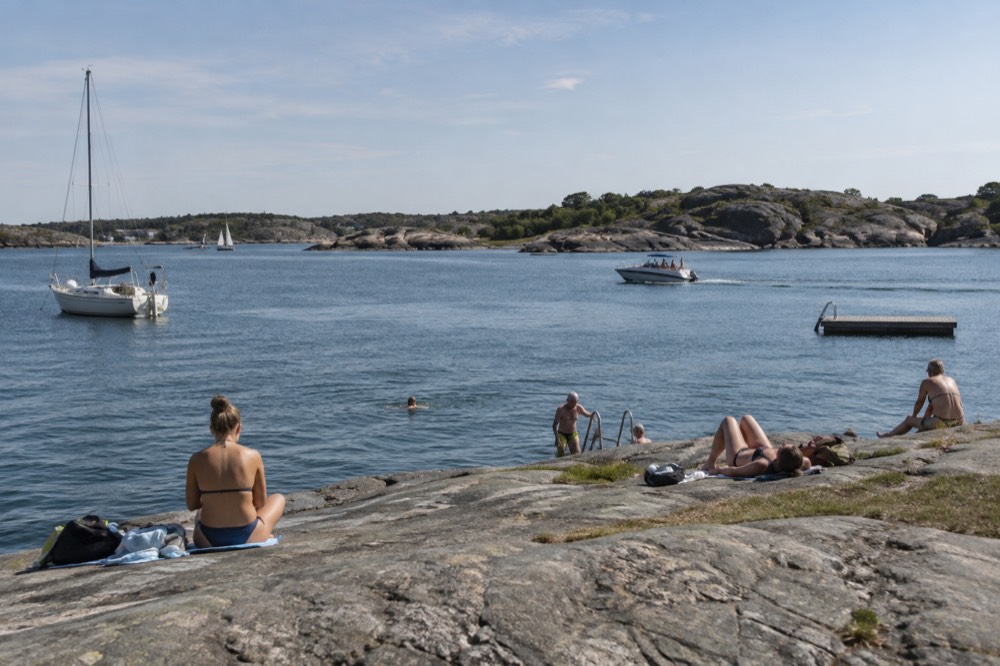
One legal detail that catches visitors: beer above 3.5% ABV, and all wine and spirits, are sold only through Systembolaget, the state monopoly, under Alkohollag (2010:1622), the Swedish alcohol statute. Supermarkets carry only the lighter folköl versions, often reformulated shelf versions of the same brands. Plan any terrace evening around a Systembolaget stop, and check the individual store's own hours rather than assuming late opening.
How Many Days Do You Need for a Gothenburg Summer Trip?
Three days is the working minimum: one for the city and Liseberg, one for the southern archipelago on the 24-hour ticket, and one for Haga, the viewpoints and the museums, with a fourth day if Way Out West or a Marstrand or Bohuslän day trip is on the list. The archipelago day is the one to protect, because it needs a full daylight window.
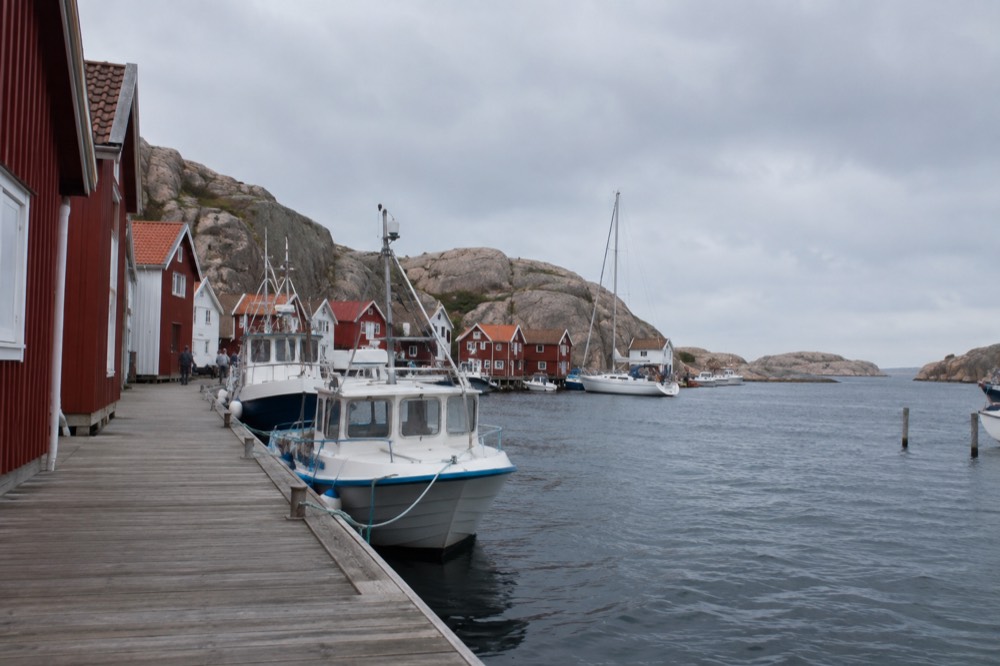
The how many days do you need in Gothenburg guide covers the trade-offs, and the three days in Gothenburg and two days in Gothenburg itineraries are already sequenced. If you are adding a day trip, Marstrand and the Bohuslän coast are the classic summer pair, and the day trips from Gothenburg guide ranks the rest. For the contrast season, our Gothenburg in winter guide shows what the same city looks like on 6 hours 32 minutes of daylight.
Common Questions About Gothenburg in Summer
Is summer the rainiest season in Gothenburg?
No. SMHI's 1991-2020 normals for station Göteborg A put the wettest month in October at 102.9 mm, well above any summer month. July sits at 81.3 mm and June at 73.7 mm. Summer sees roughly one wet day in three, but the heavy rain arrives after the tourist season.
When is the sea warm enough to swim near Gothenburg?
August, when the mean sea temperature at the Vinga station reaches 18.6 C, and early September at 16.7 C is still warmer than June at 16.2 C. The sea runs about six weeks behind the air, which peaks in July at 18.3 C.
Is Liseberg open all summer?
Liseberg's own pages confirm the 2026 summer season from 18 April to 20 September, followed by Halloween from 2 October to 1 November. The park closes between seasons, so check the calendar before a shoulder-season visit.
Can you visit the Gothenburg archipelago without a tour?
Yes. The southern archipelago ferries from Saltholmen are part of the Västtrafik network and covered by an ordinary Zone A ticket, so a 125 kr 24-hour ticket covers the tram and the ferry. The islands are car-free by city ordinance.
How much daylight does Gothenburg get in June?
18 hours 6 minutes on 21 June, with civil twilight from 02:58 to 23:30 leaving only about three and a half hours of true night. The swing to the winter solstice is 11 hours 34 minutes.
Is the Gothenburg City Card still sold?
No. The old Göteborg City Card no longer exists and the official tourism body sells no city card. The replacement is the [Go City](https://gocity.tpk.ro/HQKyKKW4) pass, which does not include public transport, so budget for tram and ferry tickets separately.