Avenyn and Götaplatsen: Gothenburg's Main Boulevard and Cultural Square
Avenyn is Gothenburg's main boulevard and Götaplatsen is the cultural square at its crest, home to the art museum, the concert hall and the city theatre. This guide covers what is actually there, how the tram gets you to the door, and what the art museum's planned closure means for your visit.
Short answer
Avenyn (Kungsportsavenyn) is Gothenburg's principal boulevard, running from Kungsportsplatsen at the canal up to Götaplatsen, where Göteborgs konstmuseum, the concert hall and the city theatre stand around the Poseidon fountain. The art museum charges 75 kr, is free for under-20s and students, and is scheduled to close in 2028 for a rebuild that lasts until 2032.
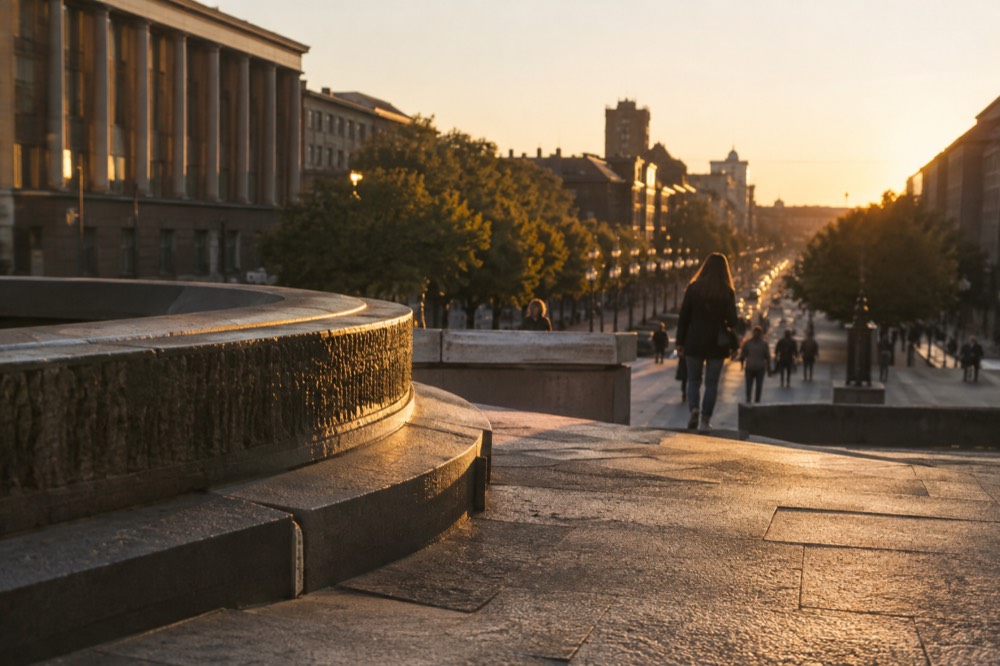
Gothenburg's ceremonial spine runs uphill from the old moat to a square that the city spent a century arguing about. Kungsportsavenyn, always shortened to Avenyn, is the wide, tree-lined boulevard that locals treat as the default address for a night out, and Götaplatsen is the cultural platform at its top end, where the art museum, the concert hall and the city theatre face each other across the Poseidon fountain. Together they form the one stretch of the city that every visitor walks whether they planned to or not, because the tram lines, the hotels and the restaurants all funnel this way.
The pairing matters for planning. Avenyn is the loud half, restaurants and bars and a long pavement to stroll. Götaplatsen is the quiet half, three major cultural institutions and one of the city's best open views down the boulevard towards the harbour. This page from Gothenburg Travel Guide covers both: what is actually at the top of the hill, what the art museum's coming closure means for a visit between now and 2032, how the tram system delivers you to the door, and where to eat when the museum closes at five.
What Are Avenyn and Götaplatsen in Gothenburg?
Avenyn is Gothenburg's main boulevard, formally named Kungsportsavenyn, running uphill from Kungsportsplatsen at the canal to Götaplatsen, the square at the top where the art museum, the concert hall and the city theatre stand around the Poseidon fountain. It is the city's default address for restaurants, bars and people-watching, and it sits entirely inside the central tram network, so every approach is by tram or on foot.
The boulevard is the widest street of its kind in the city and was laid out as a showpiece avenue in the nineteenth century, when Gothenburg expanded east beyond its old moat. The blocks immediately around it are stone-fronted and formal, a deliberate contrast with the wooden landshövdingehus you find a short tram ride away in Haga, Gothenburg's wooden old quarter. That contrast is the useful mental map: inside the moat is the Dutch-engineered old town, Avenyn is the expansion era, and everything west of the river is shipyard country.
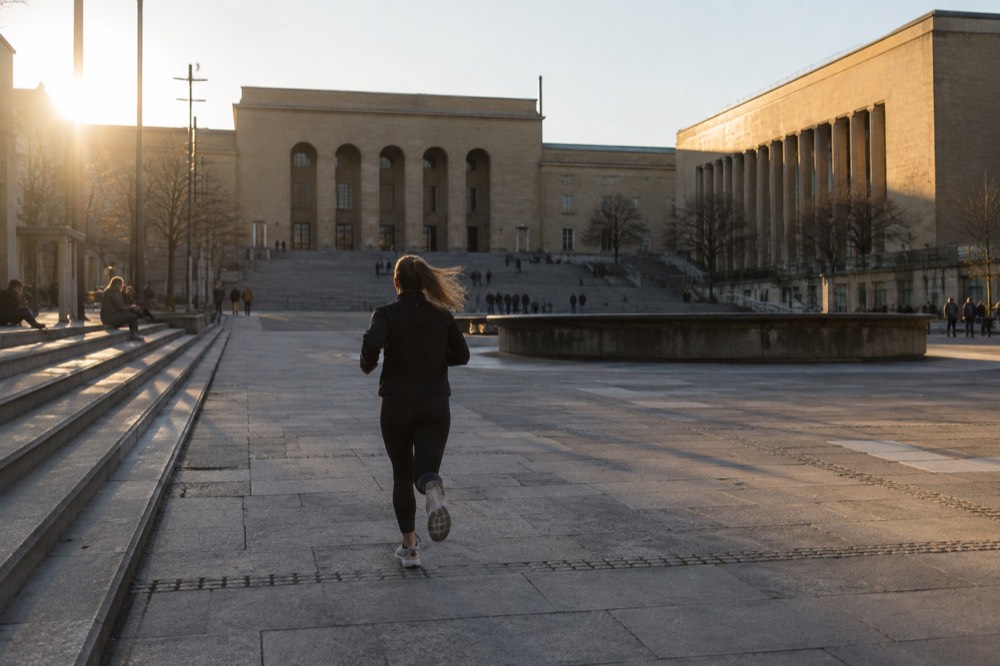
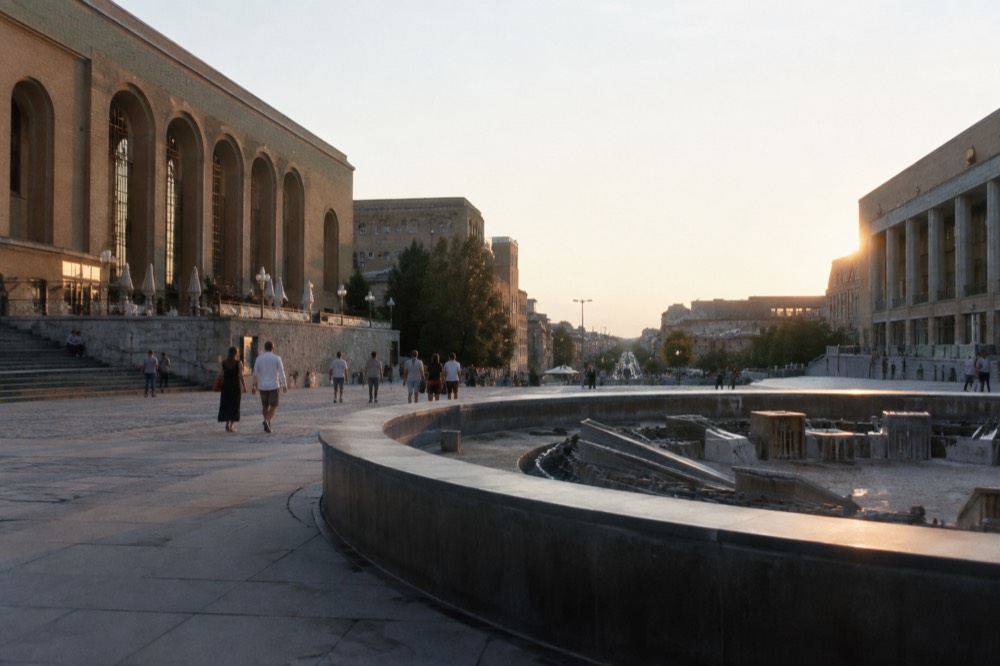
Götaplatsen, at the top, was finished as a cultural square rather than a commercial one. The art museum faces down the boulevard, the concert hall sits to one side, the city theatre to the other, and the Poseidon fountain anchors the middle. On a clear evening the view from the fountain down Avenyn towards the harbour is one of the city's signature sights, and it costs nothing.
What Can You See at Götaplatsen Itself?
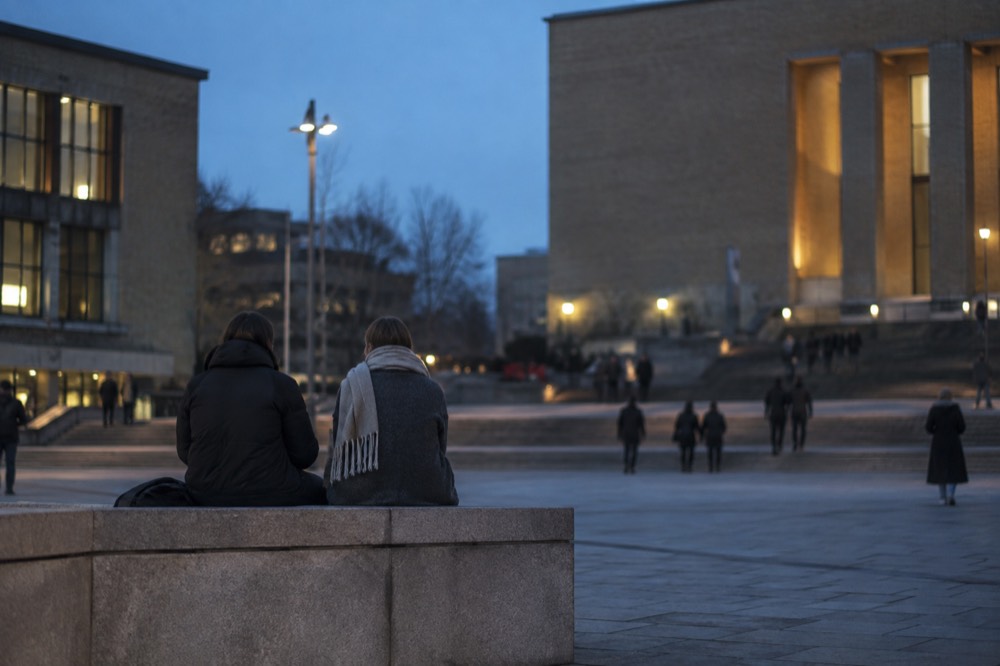
Götaplatsen holds three of Gothenburg's major cultural institutions in one square: Göteborgs konstmuseum, the Gothenburg concert hall and the city theatre, arranged around the Poseidon fountain. The art museum is the main draw, with about 70,000 works and roughly 250,000 visitors a year, and a single 75 kr day ticket also covers the Hasselblad Center inside the building.
The art museum is the reason most visitors climb the hill. Its collection is northern European and heavy on late nineteenth and early twentieth century painting, and the museum's own figures put the collection at around 70,000 works with annual visitation of about a quarter of a million. A day ticket is 75 kr, a museum card valid for repeat visits is 150 kr, and entry is free for everyone under 20 and for students with ID, except during specially priced exhibitions. The building is cashless, card or Swish only.
Two facts matter more than the collection for anyone planning ahead. First, the museum's own rebuild page states the current timetable plainly: the museum closes in 2028 and reopens in 2032, as published at goteborgskonstmuseum.se. If your trip falls after 2028, the collection will be off view while the extension is built. Second, the closure is not a distant abstraction, because the museum already warns of intermittent blasting near the building while preparatory works continue, and it flags that for visitors sensitive to sudden noise. Check the museum's own visit page before you go rather than relying on a printed guide.
The concert hall and the city theatre complete the square. The concert hall is the home of the Gothenburg Symphony, and the theatre beside it stages a mixed repertoire, much of it in Swedish. Even if you do not book a seat, the square itself is worth ten minutes: the fountain, the view down the boulevard, and the steps of the museum, which function as the city's default meeting point.
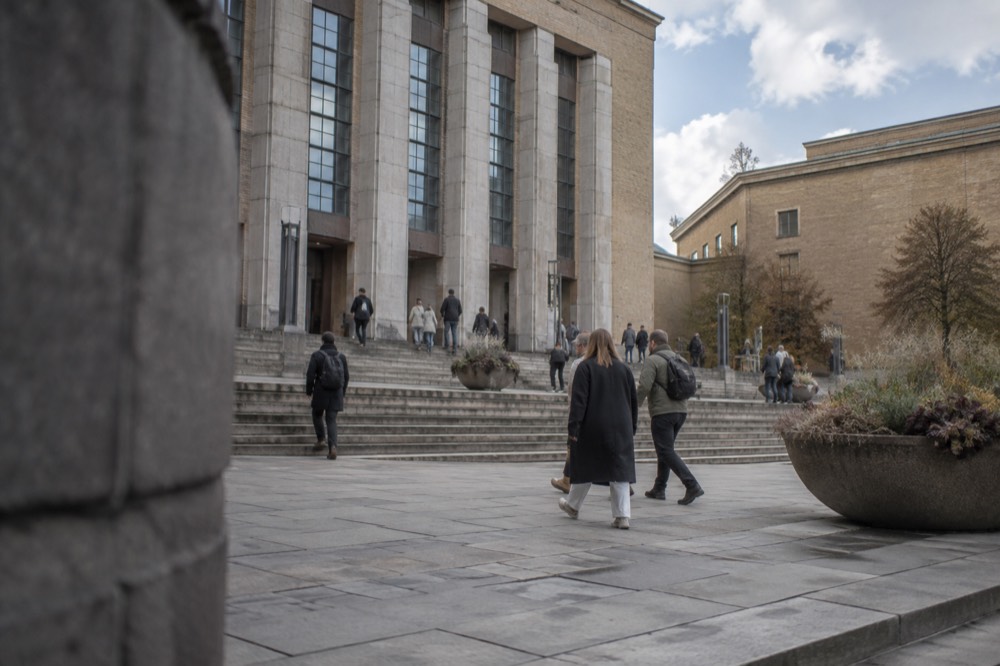
Here is the practical summary of what the square holds:
| Venue on Götaplatsen | What it is | Entry / ticketing | Notes for visitors |
|---|---|---|---|
| Göteborgs konstmuseum | Art museum, about 70,000 works | Day ticket 75 kr, free under 20 and for students | Closes 2028, reopens 2032; Hasselblad Center included; blasting warnings currently in effect |
| Gothenburg concert hall | Home of the Gothenburg Symphony | Tickets per performance, book via the venue | Evening performances, check the programme |
| Gothenburg city theatre | Repertoire theatre | Tickets per performance, mostly Swedish-language | Adjacent to the museum |
| Poseidon fountain | The square's centrepiece | Free, always | Classic photo spot looking down Avenyn |
If seeing the city from the water appeals more than another museum, the sightseeing boats leave from the harbour side of the centre, and the amphibious bus tour is the option that connects both halves of this page: it drives the city streets and then enters the harbour without you changing seats.
The listing for the amphibious bus tour shows a 4.7 rating from 4,326 reviews over a one-hour trip, from $36 per person, which makes it one of the most-reviewed tours in the city. It is a sensible pick for a first afternoon, because it passes the Avenyn approach and the harbour in one loop.
Is Avenyn Itself Worth Walking Down?
Avenyn is worth walking for the architecture and the atmosphere rather than for any single attraction, because the boulevard's content is restaurants, bars, cafés and shops rather than sights. The walk from Kungsportsplatsen to Götaplatsen takes about ten minutes at a stroll, the pavements are wide, and the side streets, especially Vasagatan and the cross streets towards Vasastan, hold most of the better places to eat and drink.
The honest framing is this: nobody comes to Gothenburg for Avenyn the way people come for the archipelago or Liseberg, but almost everybody ends up here because the city's evening economy concentrates along it. The stretch works best after about five in the evening, when the outdoor tables fill and the boulevard does what it was built to do. In the morning it is quiet, which is actually the better time to photograph it, and the light down the avenue is good early.
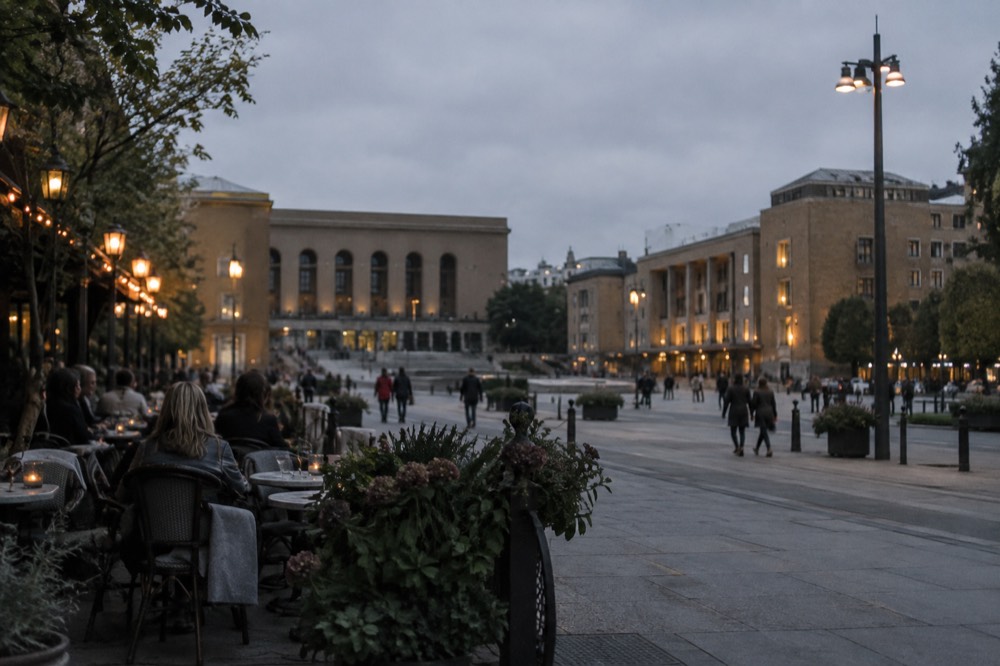
The side streets matter more than the avenue itself. Vasagatan, running parallel, and the blocks climbing east into Vasastan, with its stone streets and student cafés, carry a denser concentration of independent restaurants than the boulevard's frontage, and prices drop a notch the moment you leave Avenyn proper. South of the canal end, the nightlife shifts towards Linné and the Långgatorna strip, which is where the city's bar culture actually lives, and which is a fifteen-minute walk or a short tram ride away.
For a contrast with the stone formality, cross the river to Röda Sten and the Älvsborg bridge, where the architecture is shipyard-era rather than boulevard-era. Avenyn is the dressed-up version of the city; that is the working-clothes version, and a visit that sees only one half misses the point.
If you would rather be on the water than looking at it, the canal cruise is the shorter and cheaper of the two standard boat options, and it runs from a mooring within walking distance of the boulevard's lower end.
Where Should You Eat and Drink Around Avenyn?
The area around Avenyn concentrates on restaurants and bars rather than traditional cooking, with everything from fast-food kebab places to hotel dining rooms within two blocks, and the better-value kitchens sit on the side streets, especially Vasagatan and the Vasastan blocks east of the boulevard. Expect Nordic capital-city pricing: this is one of the more expensive dining districts in the city, and anything on the boulevard frontage itself sits at the top of the local band, so check menus on the day before you commit.
The district is not the place to hunt for old-school Gothenburg cooking, that is better done through the seafood traditions covered in where to eat in Gothenburg, or through a proper fika break, which has its own ritual and its own venues, covered in fika in Gothenburg: how it works and where to do it. What Avenyn does well is volume and hours: kitchens here serve late, the bars stay open later, and on a Friday the boulevard is the default first stop for the whole city.
One legal quirk worth knowing before you plan an evening: anything above 3.5% ABV is sold only through Systembolaget, the state monopoly, under the Swedish alcohol statute, and supermarket shelves carry only the weaker folköl versions of familiar beer brands. Restaurants and bars are unaffected, but if you are buying beer for a picnic on Götaplatsen's steps, the supermarket version will be the 3.5% formulation. The craft beer scene, meanwhile, lives mostly outside this district, and is covered in the city's bar guide. The wider set of guides lives on Gothenburg Travel Guide.
A rough planning map of where to eat in the district, with prices checked on the menu rather than assumed:
| Meal around Avenyn | Where to look | What to expect |
|---|---|---|
| Coffee and a cinnamon bun (fika) | Side-street cafés, especially towards Vasastan | The cheapest sit-down option in the district; fika prices are citywide-standard |
| Lunch, casual kitchen | Vasagatan and the parallel streets | Weekday lunch specials are common and undercut the dinner menu |
| Dinner, mid-range restaurant | Side streets one block off the boulevard | Better value than the Avenyn frontage; book for Friday and Saturday |
| Dinner, boulevard frontage | Avenyn itself | The most convenient and the most expensive tables; the view is the street |
| Hotel dining room | The Avenyn hotels | Formal service, the priciest band in the district |
How Do You Get to Avenyn and Götaplatsen by Tram?
Avenyn and Götaplatsen sit on the central tram spine, with stops at Kungsportsplatsen at the bottom of the boulevard and Götaplatsen at the top, and a single Västtrafik Zone A ticket, 38 kr for a single adult journey or 125 kr for 24 hours, covers every tram in the district plus the archipelago ferries from Saltholmen. The network runs 12 lines across 188 km of single track and carried 126 million journeys in 2025.
The tram is the correct answer to almost every Gothenburg transport question, and this district is the best-served in the city. Kungsportsplatsen, at the canal end of Avenyn, and Götaplatsen, at the top, are both major stops, and several lines serve the parallel streets one block over. The full fare structure, zones and ticketing quirks, including the current temporary subsidy on monthly tickets and why it does not apply to the day tickets visitors buy, are covered in getting around Gothenburg: trams, tickets and zones.
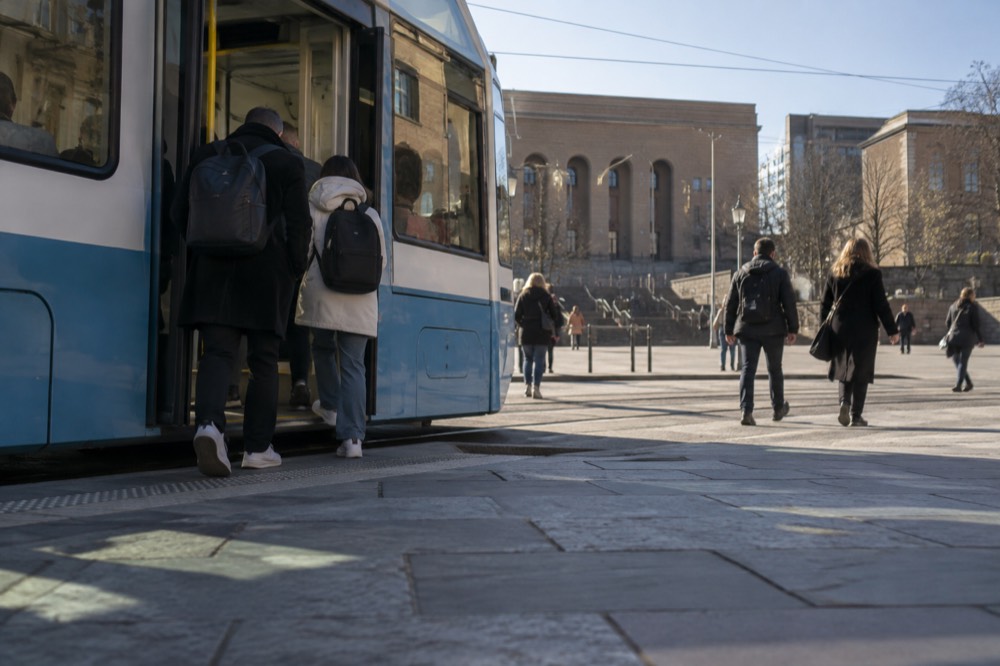
The headline numbers on the network, from the operator's own reporting: 12 lines, 134 stops and 188 km of single track as of the 2022 annual report, running from Mölndal in the south to Angered in the north, Saltholmen in the west to Kålltorp in the east, and across the bridge to Hisingen. Ridership in 2025 was 126 million journeys, against a pre-pandemic record of 141 million. Saltholmen, the archipelago ferry terminal, is the western terminus, which is why the 125 kr day ticket is such good value: it buys a tram to the boat and the boat itself, as published on Västtrafik's Zone A day-ticket page.
| Ticket | Adult price | What it covers | Source |
|---|---|---|---|
| Single, 1 zone | 38 kr | One journey within Zone A, including tram to Avenyn | Västtrafik fare page |
| 24-hour, Zone A | 125 kr | Unlimited tram, bus and archipelago ferry travel for 24 hours | Västtrafik day-ticket page |
| Youth single, 1 zone | 29 kr | Ages 7-19 | Västtrafik fare page |
| 30-day Zone A | 445 kr (temporarily halved from 890 kr) | Commuters, not visitors; the state subsidy does not apply to day tickets | Västtrafik discount page |
When Is the Best Time to Visit Avenyn and Götaplatsen?
The best time to walk Avenyn and Götaplatsen is a weekday evening between May and September, when the outdoor tables are out, the light lasts late into the night, and the museum is open until 18:00 (20:00 on Wednesdays). April is the driest month of the year in Gothenburg at 51.3 mm of rain, October the wettest at 102.9 mm, so spring beats autumn for a boulevard stroll.
The seasonal logic comes straight from the weather record. SMHI's 1991-2020 normals for the Göteborg A station put annual rainfall at 912 mm spread over 127 days, with October the wettest month and April the driest. The boulevard is at its best in the long evenings of the Swedish summer: on 21 June the city gets 18 hours 6 minutes of daylight, and civil twilight runs from about 02:58 to 23:30, so a nine in the evening stroll still happens in usable light. In December the day shrinks to 6 hours 32 minutes, with sunrise at 08:54 and sunset at 15:26, which pushes the boulevard experience indoors and into the bars.
The broader month-by-month picture, including the sea temperature curve that surprises most visitors, is in the best time to visit Gothenburg. For a December visit, the Christmas market season changes the calculus entirely, and it is covered in the Gothenburg Christmas market guide, when the district is at its most atmospheric even in the dark.
Museum hours shape the day: the art museum opens at 11:00, closes at 18:00 on Tuesday, Thursday and Friday, at 20:00 on Wednesday, and at 17:00 on Friday through Sunday, with Monday closed entirely, along with several public holidays including Midsummer Eve and Midsummer Day. Plan the museum for the afternoon and the boulevard for the evening, and the two halves of the district slot together.
What Else Is Near Avenyn Worth Adding to Your Day?
Within a fifteen-minute walk or a short tram ride of Götaplatsen you can reach the Trade Garden Society's park, the Vasastan café quarter, the Linné bar strip and the canal-side old town, while the southern archipelago islands are a tram and ferry ride away on the same ticket. This makes Avenyn a practical base: the district sits between the cultural square at the top and the canal at the bottom, with most of the city's other areas reachable without changing tickets.
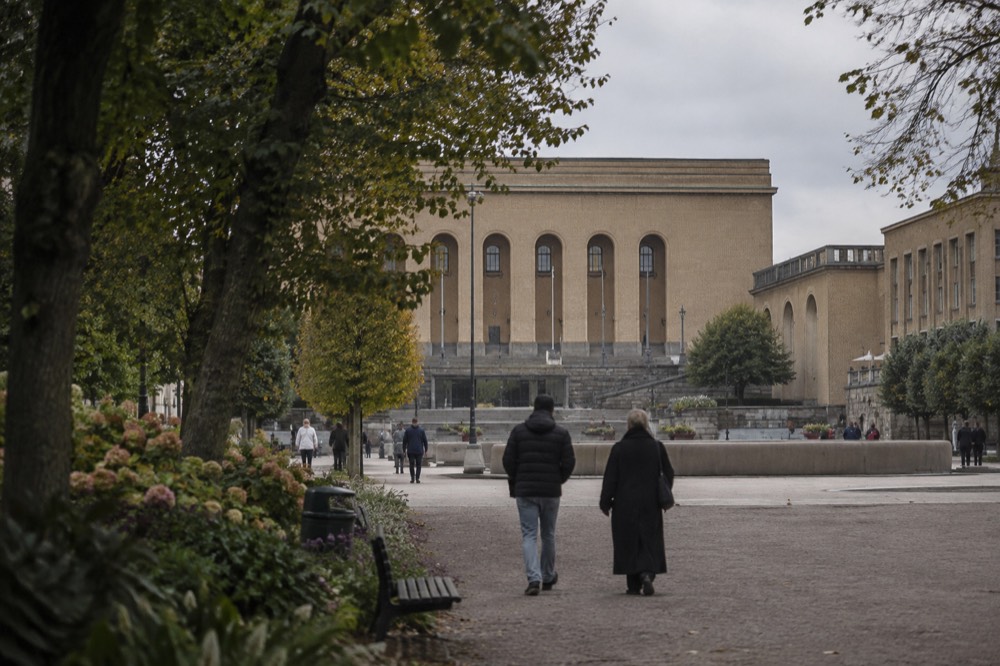
Working outward from the boulevard: Vasastan climbs east from Götaplatsen and is the stone-street, student-café quarter, covered in its own area guide. The Linné and Långgatorna strip lies west and south, the city's densest bar neighbourhood. The Trade Garden Society's park sits between Avenyn and the canal, and is one of the best small parks in any Nordic city. Down at the canal end, Kungsportsplatsen is where the Paddan boat trips depart, and the old town inside the moat begins across the water.
If you are staying in the district, the hotel logic is covered in where to stay in Gothenburg, and the day-by-day routing, including how Avenyn slots into a first visit, is laid out in one day in Gothenburg. Arriving from the airport, the coach route from Landvetter passes Korsvägen, one stop from Götaplatsen, and the transfer details are in Gothenburg Landvetter airport to the city centre.
For the bigger excursion, the southern archipelago is the one that runs on your ordinary tram ticket, and the guided archipelago cruise is the version that does the sailing for you.
The guided archipelago cruise listing shows a 4.4 rating from 1,488 reviews over a 2.5-hour trip, from $44 per person, and it is the most-reviewed boat product in the city. It pairs naturally with an Avenyn afternoon: museum at three, boulevard at five, boat the next morning.
The islands themselves, Styrsö, Brännö, Vrångö and Donsö, are areas of Gothenburg rather than day trips, reached by tram to Saltholmen and then ferry, all inside Zone A. The full picture is in the southern archipelago guide, and the northern islands, Öckerö, Hönö and Björkö, are covered separately in the northern archipelago guide.
Common Questions About Avenyn and Götaplatsen
What is the difference between Avenyn and Götaplatsen?
Avenyn is the boulevard, running from Kungsportsplatsen at the canal uphill to Götaplatsen. Götaplatsen is the square at the top, holding the art museum, the concert hall and the city theatre around the Poseidon fountain. The walk between the two ends takes about ten minutes.
How much does Göteborgs konstmuseum cost?
A day ticket is 75 kr, with a museum card at 150 kr for repeat visits. Entry is free for children and young people under 20 and for students with student ID, except at specially priced exhibitions. The Hasselblad Center inside the building is included in the ticket.
Is Göteborgs konstmuseum closing?
Yes, on the museum's own published timetable it closes in 2028 and reopens in 2032 for a rebuild and extension. The museum also currently warns of intermittent blasting near the building while preparatory works run, so check its own visit page before travelling.
How do I get to Avenyn by tram?
Kungsportsplatsen at the bottom of the boulevard and Götaplatsen at the top are both central tram stops served by several lines. A single Zone A adult ticket is 38 kr, and a 24-hour Zone A ticket at 125 kr covers trams, buses and the archipelago ferries.
Is Avenyn the best place to stay in Gothenburg?
It is the most central option for restaurants and nightlife, and the cultural square is on your doorstep. The trade-off is noise and price: the side streets of Vasastan and the Linné area offer better value a short tram ride away, and the options are compared in the where-to-stay guide.
What is the best time of day to walk Avenyn?
Early morning is quietest and best for photographs, while the evening, from about five onwards, is when the outdoor tables fill and the boulevard is at its liveliest. Between May and June the light lasts past ten in the evening, so an after-dinner stroll still happens in daylight.