Gothenburg Solo: A Practical Guide to Travelling Alone in Sweden's Second City
Gothenburg is compact, safe and built around a tram network that makes solo travel unusually easy. Here is what actually works when you travel the city alone.
Short answer
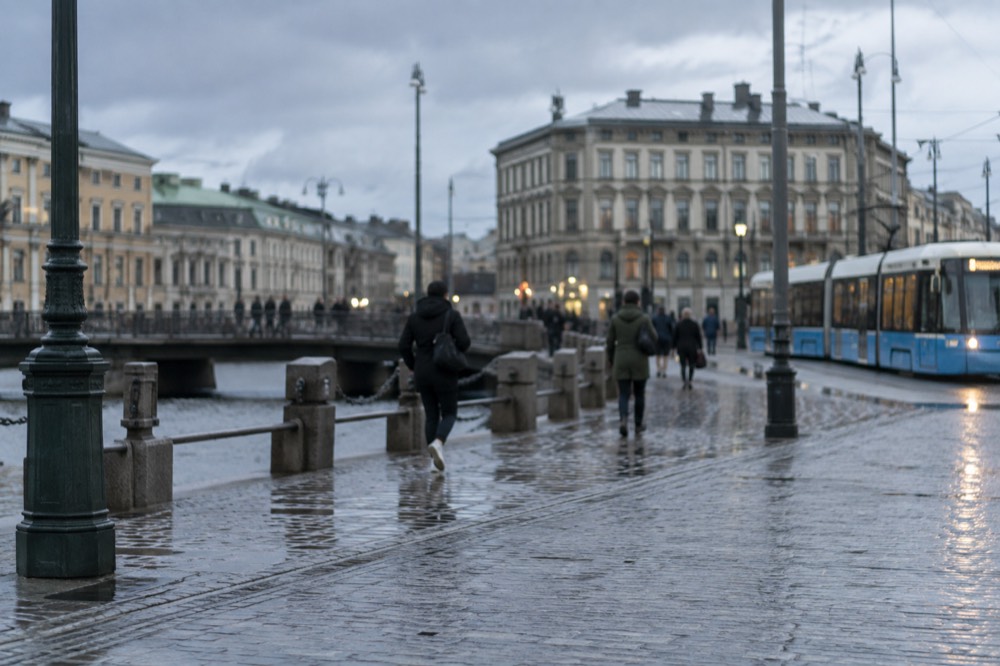
Gothenburg is one of the easiest cities in Scandinavia to travel alone: trams and ferries run on one ticket, the centre is walkable, restaurants are casual about single diners, and the archipelago is a half-hour tram ride from the main square.
Gothenburg, Sweden's second city, sits where the Göta älv meets the Kattegat, and its layout was drawn by Dutch engineers who built the old town inside a moat. That compact seventeenth-century core is the reason the city works so well for one traveller: the distances are short, the tram network stitches everything together, and the southern archipelago, which is formally part of the city rather than a day trip, starts at a tram terminus. Göteborgs Spårvägar reports 126 million tram journeys in 2025, and the network's own 2022 annual report describes twelve lines running across 188 kilometres of single track. This is a city built for moving through alone.
Is Gothenburg Safe for Solo Travellers?
Gothenburg is widely considered a safe city for solo travel, with low violent-crime rates by European standards, a tram network that runs late into the evening, and a compact centre where most visitor areas sit within walking distance of each other. The usual solo-travel precautions apply at night around the late-night bar strips, but the city's core, its islands and its parks are places where people routinely walk alone without incident.
Sweden's safety reputation is earned rather than marketed, and Gothenburg fits the pattern. Göteborgs Stad counted 613,274 residents at the end of 2025, and the city absorbed over six million commercial guest nights the same year, a record driven largely by international visitors, which means the infrastructure for people travelling on their own is well worn. Single diners, single museum visitors and single ferry passengers are unremarkable here.
The areas worth ordinary caution rather than worry are the late-night stretches of the Linné and Avenyn bar zones after closing time, the same as any city with a lively nightlife. Pickpocketing exists around Nordstan and the main station at peak hours. None of this changes the basic arithmetic: a solo visitor can walk from Järntorget to Avenyn, ride a tram to Saltholmen at 10pm in summer, or hike a car-free island alone with a normal amount of common sense.
For a fuller breakdown of neighbourhoods and the parts of the city that suit different travel styles, our where to stay in Gothenburg guide covers each district in detail, and the safety and common-sense guide is worth reading before a first solo trip.
What Are the Best Things to Do Alone in Gothenburg?
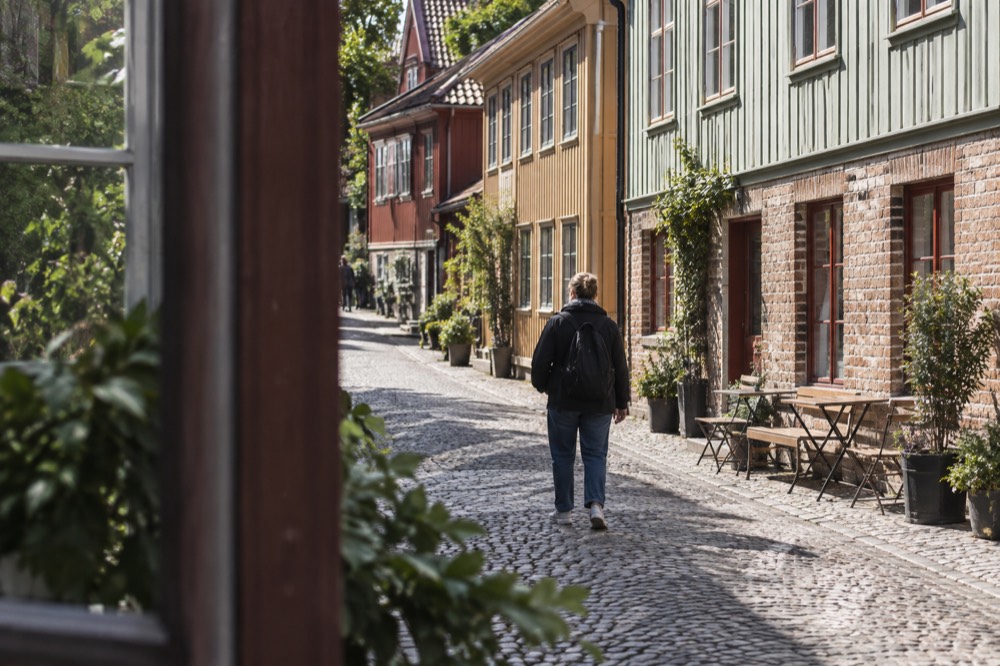
The best solo activities in Gothenburg are the ones the city was built around: a tram ride to Saltholmen and the car-free archipelago islands, a walk through the Haga wooden quarter, the free museums and parks, and a guided tour as a single participant, which is how many solo travellers meet people without any forced socialising. Gothenburg's attractions are individually ticketed and casual, so nothing requires a group to enjoy.
Structured tours are the solo traveller's shortcut, and Gothenburg has a deep bench. The amphibious land-and-water bus, the guided kayak trips and the archipelago cruises all sell per-person tickets, so you never pay a group penalty for being one person. The free walking tours on GuruWalk are tip-based, which makes them the lowest-commitment way to spend two hours with other travellers: the Free City Walking Tour of Gothenburg runs about two hours and carries a 4.88 rating from 112 reviews on GuruWalk, and Gothenburg on Foot, the Hidden Corners walk, runs 2 hours 15 minutes with a 4.88 rating from 24 reviews. One of the four GuruWalk walks in the city is Spanish only, so check the language before you book if you need English.
If you prefer to be alone rather than alone-with-company, the self-directed options are equally strong. Slottsskogen park with its free zoo, the Gothenburg Botanical Garden, and the viewpoints at Masthuggskyrkan and Ramberget all cost nothing or almost nothing and need no booking. The free things to do in Gothenburg guide lists the full set, and the Masthuggskyrkan viewpoints guide explains the city's best free panorama.
Here are the tours that suit a solo traveller best, all priced per person:
Between tours, the city's museums are natural solo territory. Göteborgs konstmuseum holds about 70,000 works and draws roughly 250,000 visitors a year, and a single-visit ticket costs 75 kr with free entry for anyone under 20. Note the long-term plan: the museum's own rebuild page states it closes in 2028 and reopens in 2032, so plan around that if your trip is years out. The Gothenburg museums guide ranks the full collection.
Is It Awkward to Eat Alone in Gothenburg?
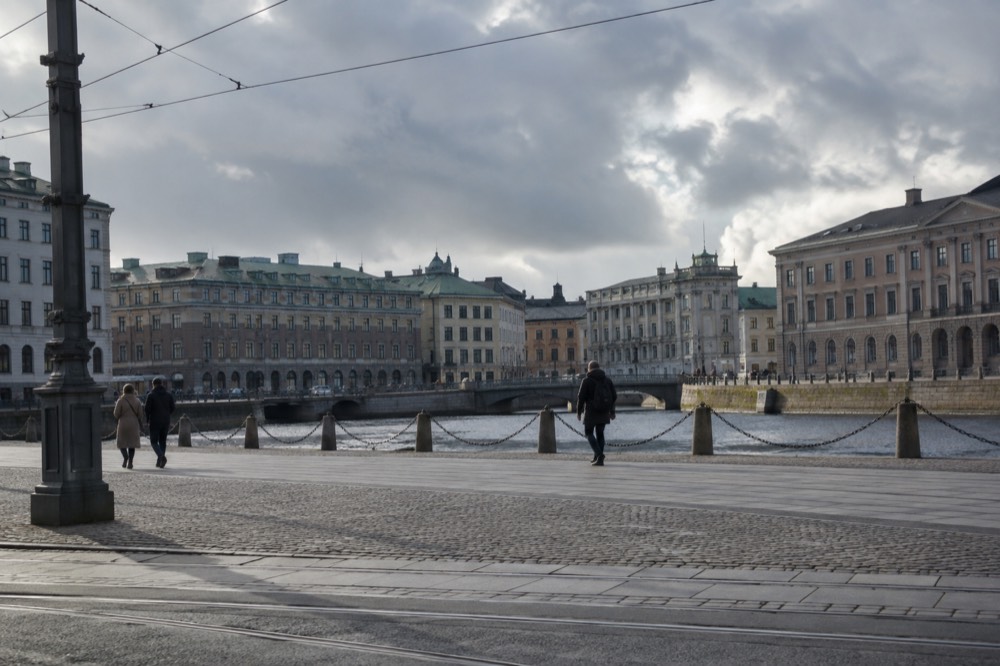
No. Gothenburg's restaurant culture is casual and Nordic, lunch places are counter-service by default, and many of the city's best food venues, from the Feskekôrka food hall to the Saluhallen market, are built around individual diners ordering at a counter rather than parties booking tables. Solo dining is normal at lunch and unremarkable at dinner, and no one will treat a table for one as strange.
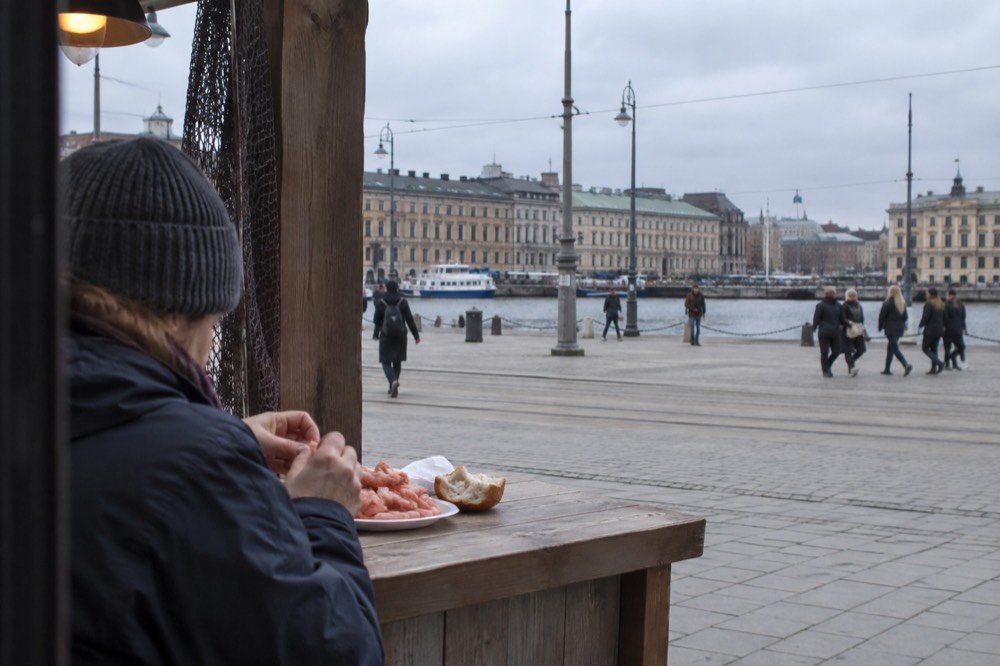
The structural answer is that Gothenburg's food scene leans on markets and halls rather than formal restaurants, and markets do not care how many you are. Feskekôrka, the fish-church building on Rosenlundsgatan, reopened in 2024 after renovation as a food hall with five restaurants plus two fish counters, so a solo visitor can order shrimp, salmon or a plate of whatever the day brought in and eat at a shared table. The Feskekôrka guide covers what is inside now, and the where to eat in Gothenburg guide maps the rest.
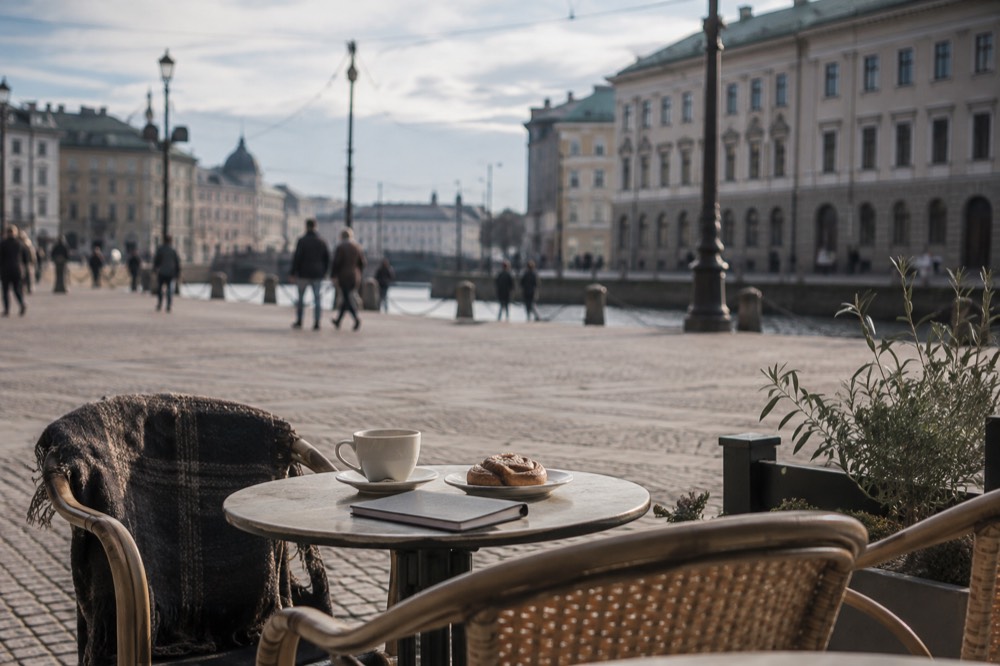
For dinner alone, the practical hierarchy is: food halls and markets first, neighbourhood bistros second, tasting-menu restaurants last, because a solo tasting-menu booking is possible in Gothenburg but the Michelin-starred rooms are oriented to parties. Fika, the Swedish coffee-and-cake institution, is inherently a single-person-friendly activity, and cafés are where Gothenburgers go to sit alone with a book. The fika guide explains the ritual and where to do it.
One legal quirk matters for solo evening plans: beer above 3.5% ABV, all wine and all spirits are sold only through Systembolaget, the state monopoly, under Alkohollag (2010:1622). Supermarkets carry only folköl at 3.5% or below. If you want a proper beer in your hotel room at the end of a solo day, you buy it before the monopoly closes, and Sunday closing is near-universal. The craft beer and bars guide covers the bar side.
How Does a Solo Traveller Get Around Gothenburg?
A solo traveller in Gothenburg gets around on Västtrafik's tram and bus network on a single Zone A ticket: a 24-hour ticket costs 125 kr, a single ride costs 38 kr, and the same ticket covers the archipelago ferries from Saltholmen, because the islands sit inside Zone A. There is no tapping out, tickets are bought in the app or at machines, and the network runs from Mölndal in the south to Angered in the north.
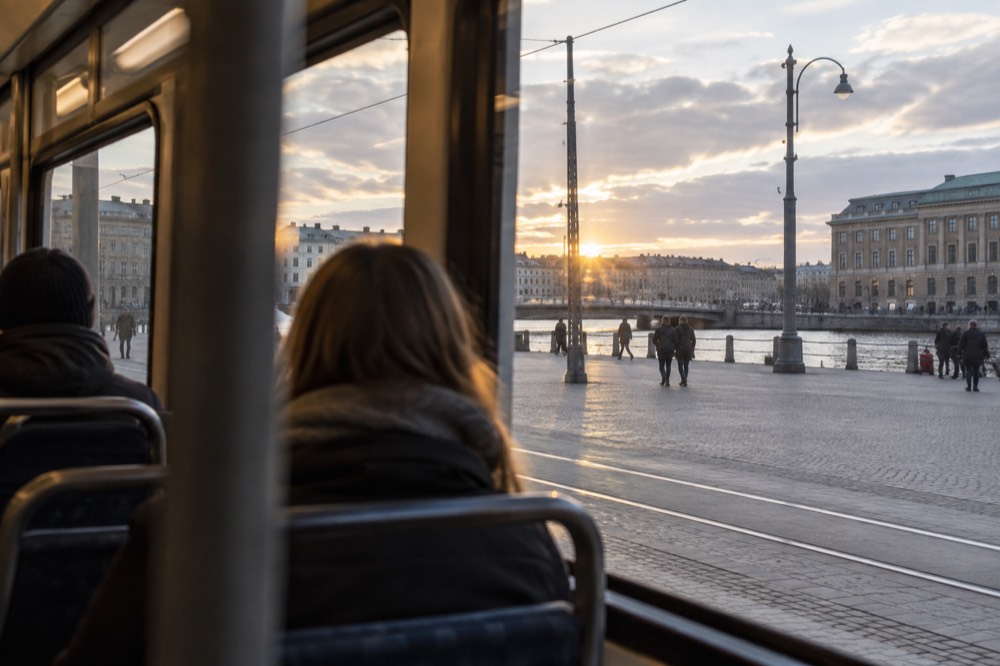
The fare structure is simple once you see it in a table. Västtrafik's own fare pages give these prices:
| Ticket | Adult price | Notes |
|---|---|---|
| Single, 1 zone | 38 kr | Valid 90 minutes including changes |
| Single, 2 zones | 76 kr | |
| 24-hour, Zone A | 125 kr | Covers trams, buses and archipelago ferries |
| 30-day, Zone A adult | 445 kr | Halved by a temporary state subsidy through year end |
The subsidy row deserves a caveat: Västtrafik states the halving of 30-day tickets is a temporary state support running through the end of the year, and it does not apply to the 24-hour and 72-hour tickets a visitor actually buys. The 24-hour price is still 125 kr. Anyone writing or reading that "transport is half price in Gothenburg" is confusing the two products. The full fare logic, zones and ticket types are in the getting around Gothenburg guide.
For solo travellers the 24-hour Zone A ticket is the default: one purchase covers a day of trams plus a ferry to Brännö or Styrsö and back. The Gothenburg archipelago guide explains the islands, and the key fact is that they are car-free: Göteborgs Stad's own study states the islands of the southern archipelago are protected from car traffic, with only taxis and emergency services on the roads.
Can You Do the Gothenburg Archipelago Alone?
Yes, and it is one of the best solo day trips in Sweden. The southern archipelago islands, Styrsö, Brännö, Vrångö, Donsö, Asperö and Köpstadsö, are reached by ordinary Västtrafik ferry from Saltholmen on the same Zone A ticket as the trams, the islands have no cars, and the footpaths, swimming rocks and village cafés are all navigable by one person with a map and sensible shoes.
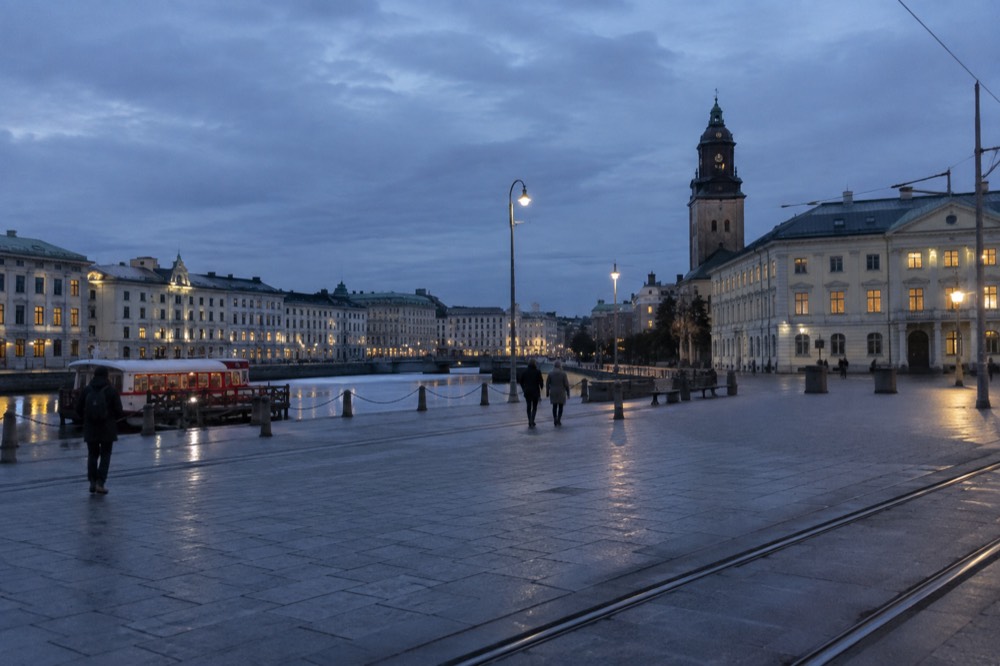
The solo appeal is structural: there is nothing on these islands that requires a companion. The paths are signed, the ferry terminals are small and legible, and the swimming is off flat granite rocks where the water is warmer than visitors expect. SMHI's quality-controlled observations at Vinga show the sea peaks at 18.6 C in August, not July, and September water at 16.7 C is actually warmer than June water at 16.2 C. A solo September swim is warmer than a June one, which is the opposite of what most people book. February is the coldest month at 2.7 C.
The monthly water picture, from SMHI's Vinga station archive:
| Month | Mean sea temp | Month | Mean sea temp |
|---|---|---|---|
| January | 3.9 C | July | 18.3 C |
| February | 2.7 C | August | 18.6 C |
| March | 4.1 C | September | 16.7 C |
| April | 7.1 C | October | 12.8 C |
| May | 11.6 C | November | 9.3 C |
| June | 16.2 C | December | 5.5 C |
If you want company on the water, the guided options sell per person:
The guided City Kayak Tour runs two hours, is priced from $62 per person and carries a 4.9 rating from 81 reviews on the operator's listing, which makes it one of the highest-rated activities in the city. For a lower-commitment water day, the guided archipelago cruise runs 2.5 hours from $44 per person with a 4.4 rating from 1,488 reviews, and the free-walking-tour scene on GuruWalk gives you the city side. The Free Walking Tour through Gothenburg's history, culture, gastronomy and architecture runs about 2 hours 30 minutes and is tip-based, rated 5 from 63 reviews.
For the full island-by-island breakdown, the southern archipelago guide and the swimming and beaches guide cover what each island offers a solo visitor.
How Much Does a Solo Trip to Gothenburg Cost?
A solo traveller in Gothenburg should budget around the verified prices this site lists: a 125 kr day transport ticket, a 75 kr museum day, fika in the 40-60 kr range and attraction tickets from 95 kr at Liseberg up to 365 kr with rides, with the biggest solo-specific cost being accommodation, since single rooms in Sweden carry a premium per person compared with a shared double. Free options, from Slottsskogen to the viewpoints, pull the floor down further.
The honest solo arithmetic, using the verified prices on this site:
| Item | Typical cost | Notes |
|---|---|---|
| Hostel bed | check the listing | Solo-friendly by definition |
| 24-hour transport ticket | 125 kr | Trams plus archipelago ferries |
| Göteborgs konstmuseum | 75 kr | Free under 20 |
| Universeum | dynamically priced | Book a time slot; no fixed adult price |
| Fika (coffee and bun) | 40-60 kr | Planning range, check the café |
| Liseberg entry | from 95 kr | Buys entry, zero rides |
The Liseberg row is the one that catches people: Liseberg's own price page states an Entré ticket from 95 kr includes no rides, and the combined entry-plus-ride pass starts at 365 kr. The park's 2026 seasons run 18 April to 20 September for summer, 2 October to 1 November for Halloween, and 14 November to 23 December for the Christmas market, and it is closed for large stretches outside those windows. A solo traveller arriving in late February finds the biggest attraction in the city shut, which is worth knowing before you book flights. The Liseberg tickets guide has the full calendar, and the is Gothenburg expensive guide does the full budget breakdown.
Where Should a Solo Traveller Stay in Gothenburg?
A solo traveller should stay in or near the Linné, Haga or Vasastan districts for a social, walkable base, or around Järntorget and Majorna for cheaper hostels with direct tram lines to the centre, all within Zone A so every option keeps transport at 125 kr a day. The single most practical choice is anywhere on a tram line rather than a specific neighbourhood, because the network makes the whole city reachable.
The trade-off for solo travellers is hostel versus hotel, and Gothenburg supports both. Hostels cluster near the centre and Järntorget; hotels spread along Avenyn and the waterfront. Majorna, the second-hand quarter west of the centre, is the budget-conscious solo pick: it sits on tram lines 3 and 9, and the Majorna guide covers it. Vasastan offers stone streets and student cafés, described in the Vasastan guide.
Season matters as much as district. The best time to visit guide explains the trade-offs month by month, and the key solo-relevant fact is the light: on 21 June the sun is up 18 hours 06 minutes with civil twilight leaving only about three and a half hours of true night, while on 21 December you get 6 hours 32 minutes. A solo traveller who wants long evening walks on the islands should come June through August; one who wants Christmas-market atmosphere should read the Gothenburg Christmas market guide instead.
What About Evening and Nightlife Alone in Gothenburg?
Gothenburg's nightlife is solo-friendly in the Nordic way: bars along the Linnégatan strip and in the Linné quarter are standing-room and casual, no one notices a single drinker, and the evenings run late, with the main bar strips around Linnégatan and Avenyn staying busy into the small hours on weekends. The practical solo advice is to pick one strip, stay on it, and let the tram take you home, because night trams run on the same ticket.
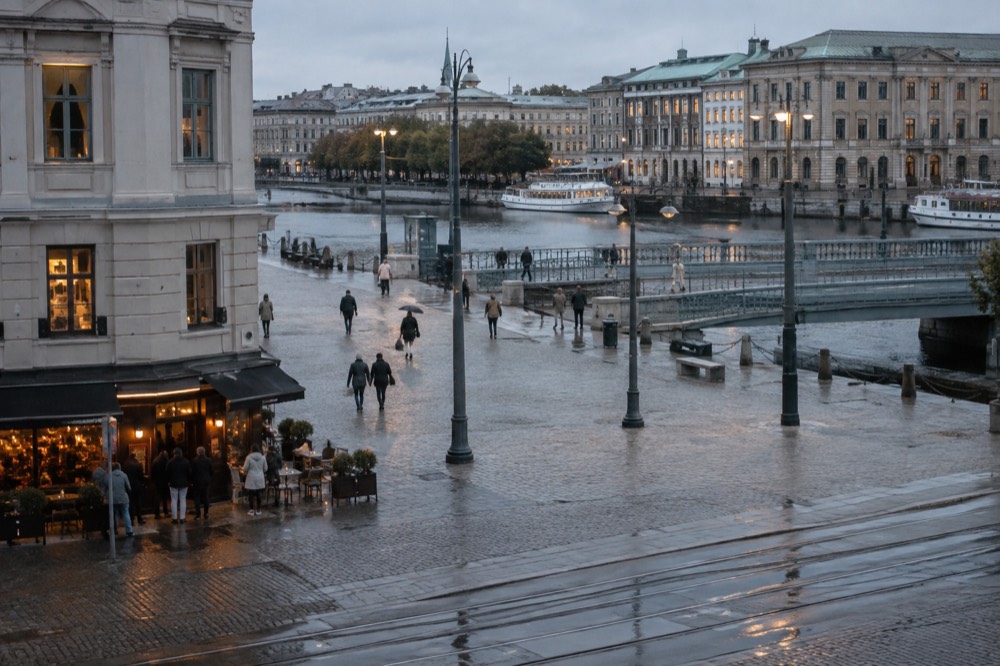
The Linnégatan strip, covered in the Linné and Långgatorna guide, is the better solo choice: it is a row of small bars rather than big venues, and drifting between them alone is normal behaviour. Avenyn, the parade street, is more group-oriented and club-focused. The Gothenburg nightlife guide breaks down both.
Two solo-specific notes. First, the Systembolaget rule above applies to your evening: if you want a drink in your room before going out, buy it earlier in the day, because supermarket beer stops at 3.5% ABV by law. Second, the safety picture at night is ordinary-city caution, not solo-specific worry; the well-lit tram corridors back to the centre are the natural route home.
If your solo trip stretches beyond the city, the day trips from Gothenburg guide covers Marstrand, the Bohuslän coast and Lake Vänern, all reachable by public transport or a per-person tour, and the Gothenburg with kids guide and weekend guide are useful if your solo trip turns into something bigger.
For the solo traveller who wants one structured hour that covers both the city streets and the harbour, the amphibious bus tour remains the easiest single booking in the city:
And for a fuller comparison of how Gothenburg stacks up as a solo destination against the obvious alternative, the Gothenburg or Stockholm guide weighs the two. This site, Gothenburg Travel Guide, covers the city in depth for travellers on their own.
Common Questions About Solo Travel in Gothenburg
Is Gothenburg safe for solo travellers?
Yes, by ordinary European standards. The city core, parks and islands are places people routinely walk alone, and the tram network runs late. Ordinary caution applies around late-night bar strips and the main station at peak hours.
Is Gothenburg a walkable city for one person?
The inner city is very walkable: the old town inside the moat, Haga, Linné and the harbour all sit close together, and the tram network covers anything beyond walking distance on a single Zone A ticket.
Can you visit the Gothenburg archipelago alone?
Yes. The islands are part of the city, reached by ordinary Västtrafik ferry from Saltholmen on the same ticket as the trams, and they are car-free with signed footpaths, so they suit a solo hiker or swimmer well.
Is it awkward to eat alone in Gothenburg?
No. Food halls like Feskekôrka and Saluhallen are counter-service, fika culture is built around solo café visits, and casual restaurants take single diners without fuss.
How much does a solo day in Gothenburg cost?
Using the verified prices on this site: a 125 kr day transport ticket, a 75 kr museum ticket, fika at 40-60 kr and attraction tickets from 95 kr at Liseberg, plus accommodation, which is the biggest solo-specific cost. Free options like Slottsskogen pull the floor lower.
What is the best time of year for a solo trip to Gothenburg?
June through August for long light and warm sea swimming, April for the driest month of the year at 51.3 mm of rain, or late November to December for the Christmas market, keeping in mind Liseberg's seasonal calendar.