Gothenburg Seafood: Shrimp Sandwiches, Feskekôrka and Oyster Safaris on the Swedish West Coast
Gothenburg sits where the Göta älv meets the Kattegat, and the city eats accordingly: shrimp piled on buttered bread, langoustines, oysters shucked on the rocks of Bohuslän, and a 1874 fish church that is now a food hall.
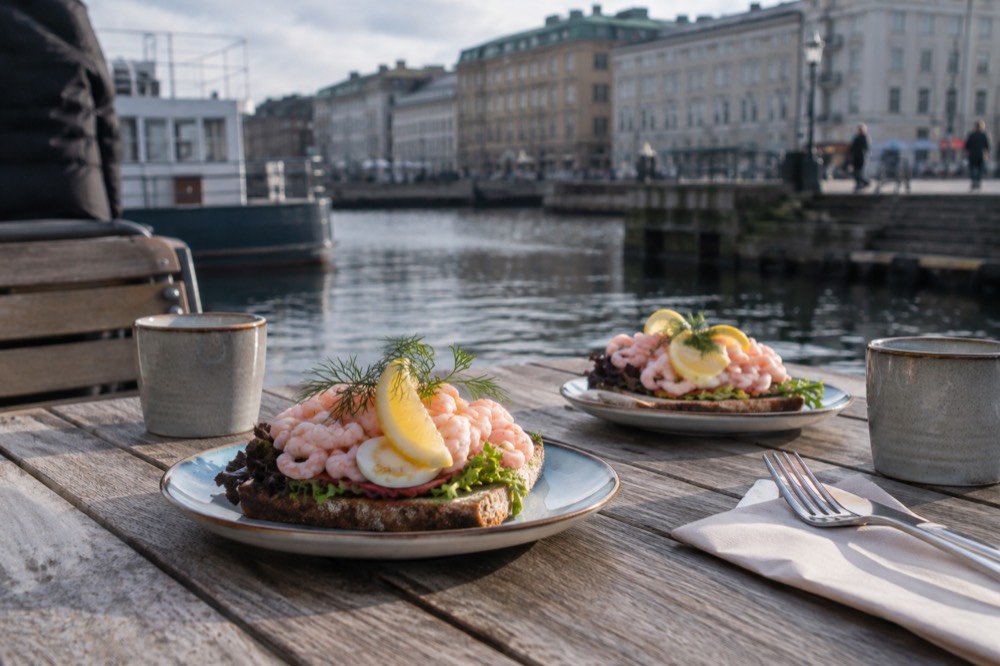
Short answer
Gothenburg's seafood identity is west-coast Kattegat: the shrimp sandwich (räkmacka) is the signature dish, Feskekôrka reopened in 2024 as a food hall with five restaurants, and oyster safaris run on the Bohuslän coast, about an hour north by train or car.
Gothenburg, Sweden, was built on herring, shipyards and the mouth of the Göta älv, and the herring is the part that survived. The city's restaurants still buy from the same Kattegat and Skagerrak waters their grandmothers did, and the port town habit of eating simple, extremely fresh fish has outlasted every economic cycle the shipyards went through. The Göteborg & Co press release for January 2026 reported a record year of over six million commercial guest nights in the region, and the food is a large part of why people keep coming back.
This guide covers the seafood side of the city properly: what the shrimp sandwich actually is, what Feskekôrka has become since its 2024 reopening, where oyster safaris happen and what they involve, and which boat trips let you eat the archipelago rather than just look at it. It also covers what things cost, when the sea is at its best, and where the neighbourhood seafood hides when you step off the main streets.
What Is Gothenburg Seafood, Really?
Gothenburg seafood is Kattegat and Skagerrak catch eaten close to the source: cold-water shrimp, langoustine, salmon, mussels, herring and, from autumn to spring, native oysters from the Bohuslän coast just north of the city. The defining dishes are the räkmacka, a shrimp sandwich piled high with shell-on shrimp, and boiled shrimp eaten by hand with bread, mayonnaise and lemon. The style is plain, cold and fresh, not sauced or fried.
That plainness is the point. The water here is brackish and cold, SMHI's archive at the Vinga lighthouse station shows the sea averages 18.6 C at its August peak and drops to 2.7 C in February, and cold water is what makes north Atlantic and Kattegat shellfish sweet rather than muddy. A Gothenburg kitchen treats a good langoustine as finished the moment it is boiled. Sauce is what you do to fish that has travelled.
The city's food reputation is not folklore. Gothenburg has held Michelin stars for years, and the fine-dining end of town, covered in our Michelin starred dining in Gothenburg guide, leans heavily on the same raw material the fish counters sell. But the seafood culture you actually meet on the street is the sandwich, the counter and the boat, and those three are what this page is about.
Why Is the Shrimp Sandwich Gothenburg's Signature Dish?
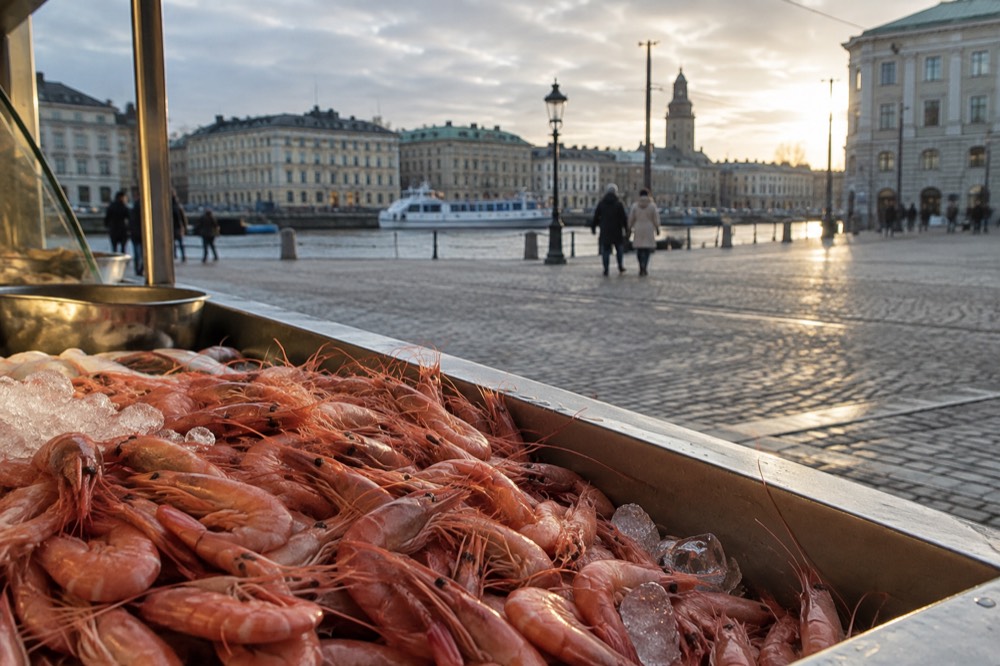
The räkmacka is a slice of bread, buttered, topped with a heap of hand-peeled cold-water shrimp, usually with mayonnaise, lemon and sometimes a boiled egg or dill, and it is the one dish every visitor is told to try. It is not a garnish or a canapé: a full one is a meal, priced like a meal, and locals eat it year-round. Its quality depends entirely on how recently the shrimp were boiled, which is why harbour-side versions beat supermarket ones.
The sandwich works as a test of the whole supply chain. Shrimp (räkor) are small, cold-water, and almost always sold shell-on here, because peeled frozen shrimp lose the sweetness that justifies the peeling labour. A good counter boils them, chills them and sells them the same day. A bad one sells you something that has been sitting in a plastic tub losing the argument with time.
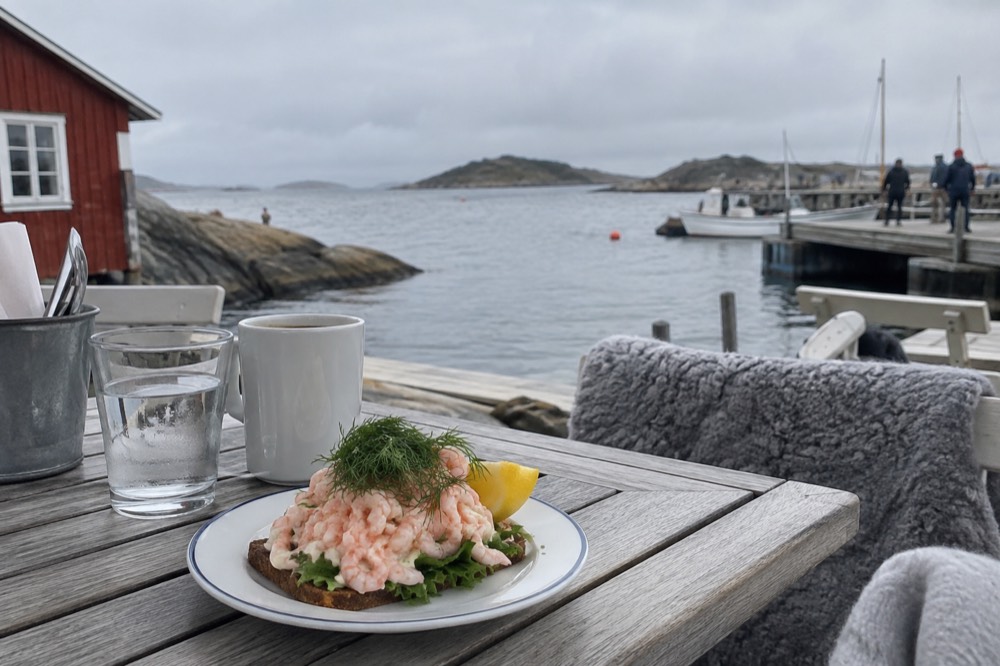
Where to eat one is genuinely a matter of neighbourhood. The classic settings are the fish counters at Feskekôrka, the stalls around the harbour, and the café terraces of the southern archipelago islands, reached by ordinary Västtrafik ferry from Saltholmen, as described in our southern archipelago: Styrsö, Brännö, Vrångö and Donsö guide. Eating a shrimp sandwich on a car-free island with the boats going past is the full Gothenburg version of the dish.
| Where | Setting | Best for |
|---|---|---|
| Feskekôrka counters | Indoor food hall, central | Buying shrimp to take away, or eating at one of the five restaurants |
| Southern archipelago islands | Car-free island cafés | The classic version: water, boats, no traffic |
| Harbour kiosks, Stigbergstorget and Klippan | Standing or bench seating | Cheap, fast, extremely local |
| Neighbourhood restaurants, Majorna and Linné | Sit-down kitchens | Shrimp soup, langoustine, full plates |
What Is Feskekôrka Now, After the 2024 Reopening?
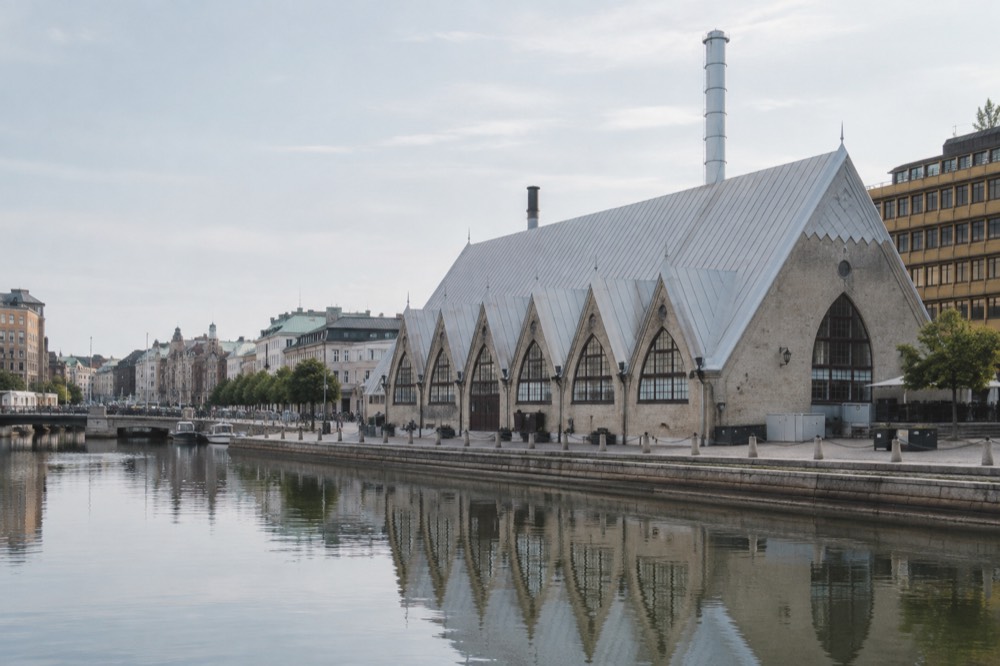
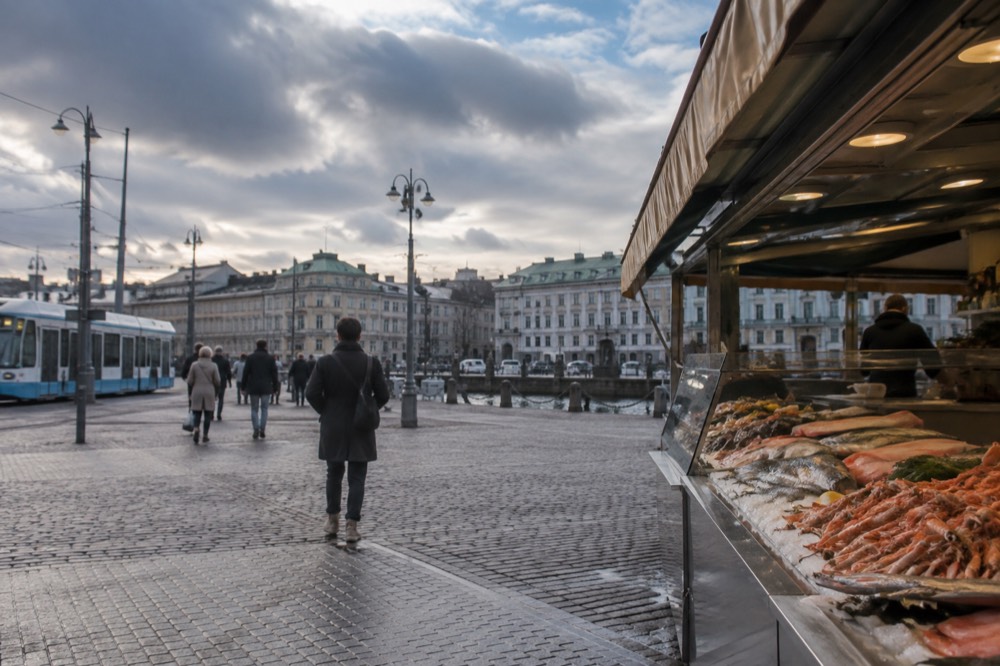
Feskekôrka, the fish market hall on Rosenlundsgatan built in 1874 in the shape of a church, closed for renovation and reopened in 2024 as a food hall with five restaurants alongside two fish counters, Ebbes Fångst and Flåtens Fiskhandel. It is no longer just a place to buy fish: it is a place to buy fish and sit down and eat it, with restaurants including Haldis Kök, Pråmenaden, Victor von G, Lilla Åstol and Ekmans.
The building turned 150 the same year it reopened, and Higab, the municipal property owner, has kept the 1874 shell while completely changing what happens inside it. This is the single most outdated fact in older guidebooks: anything describing Feskekôrka as "closed for renovation" or as a row of fish counters is describing a building that no longer exists. We cover the hall's history in detail in Feskekôrka, the fish church.
One practical note: Lilla Åstol, named after the shrimp-and-seafood island in the archipelago, is seasonal, and its own copy says it reopens in spring. If you are visiting in the winter months, the fish counters and the other four restaurants are the reliable bets. The hall's own site, feskekorka.se, lists the current traders, and it is worth a look before you go because the line-up is the kind of thing that changes with the seasons.
The other market hall worth knowing is Stora Saluhallen on Kungstorget, the 19th-century iron-and-brick hall that carries the city's broader food culture, cheese, charcuterie, bread and coffee as well as fish. Our saluhallen and Gothenburg's food halls guide covers it, and the broader restaurant landscape is in where to eat in Gothenburg.
What Is an Oyster Safari on the Bohuslän Coast?
An oyster safari is a guided low-tide expedition on the Bohuslän coast, roughly an hour north of Gothenburg, where you wade or walk out to native European oyster beds (Ostrea edulis), shuck and eat oysters standing in the water, and usually finish with a cooked meal, often a shrimp or seafood soup, at a nearby restaurant. It runs in the cold months, when low tide exposes the beds and the oysters are at their best.
Bohuslän is the granite island coast that runs north from Gothenburg towards the Norwegian border, and it is one of the few places in Europe with a real wild native oyster fishery. The native oyster, unlike the farmed Pacific oyster that dominates elsewhere, needs cold clean water and takes years to grow, which is why it is expensive and why the safari exists: the experience is the point, not the volume. You will eat perhaps half a dozen oysters and remember it for years, which is the whole business model. The full index of guides sits on Gothenburg Travel Guide.
The season matters. Native oysters spawn in summer and are at their best from autumn through winter into early spring, which makes an oyster safari one of the best answers to the question of what Gothenburg does in the cold half of the year, covered more broadly in Gothenburg in winter. The water in February averages 2.7 C at the Vinga station, so the operators supply waders, and you should take gloves.
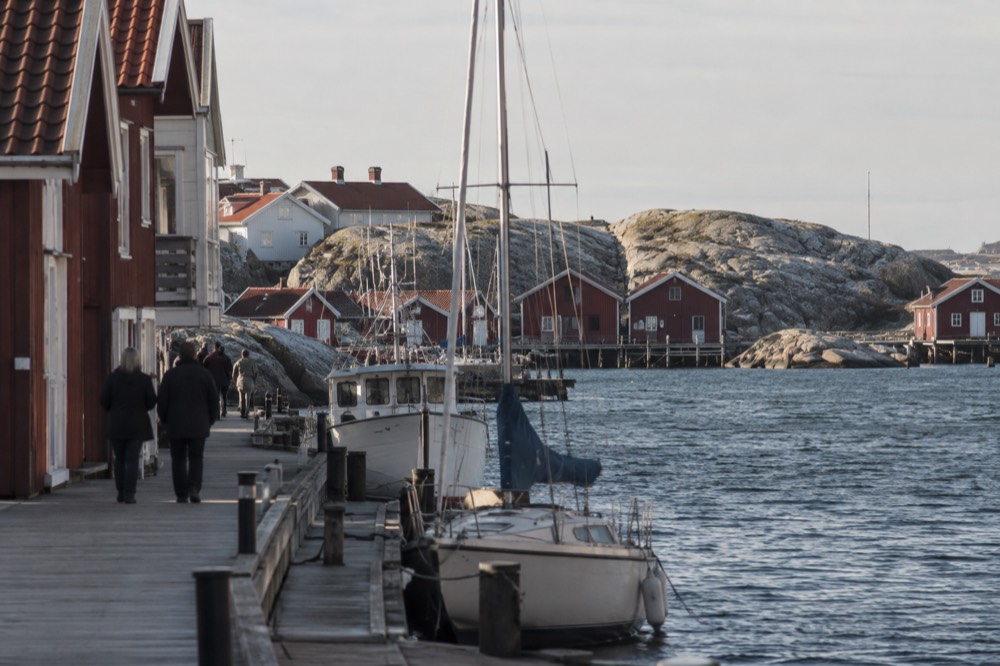
Getting there is a day trip, not a city activity. The coast towns of Smögen, Fjällbacka, Grebbestad and Lysekil are all reachable by a combination of train and bus or by car, and our Bohuslän coast: Smögen, Fjällbacka and the granite islands guide covers the routes. Grebbestad in particular is the oyster capital of Sweden, and most safaris in the region launch from its harbour or the coves immediately around it.
Can You Eat Seafood on a Boat Trip from Gothenburg?
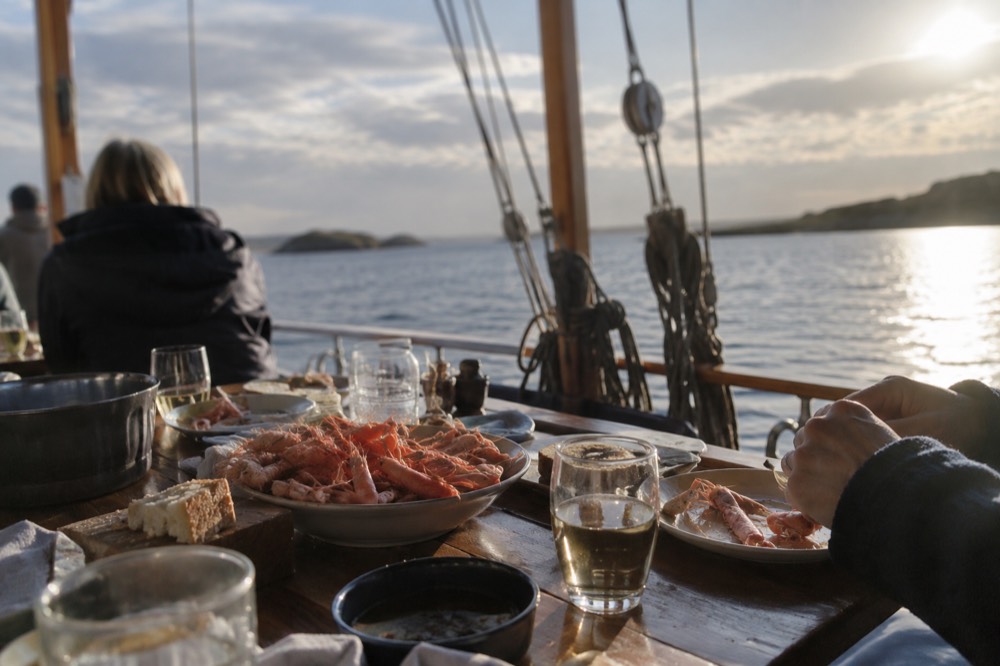
Yes, and it is the best version of the city's seafood culture: several operators run cruises from the city centre where shrimp, salmon or a full seafood meal is served on board, either on the archipelago boats inside the city's own Västtrafik zone or on sailing trips out towards the open coast. The shrimp-and-salmon cruise with live music runs three hours from $95 per person on the operator's live listing, rated 4.7 from 14 reviews.
The distinction that matters is which water you are on. The southern archipelago islands, Styrsö, Brännö, Vrångö, Donsö and the rest, are areas of Gothenburg itself, reached by tram and ferry on an ordinary ticket, as our how to get to the Gothenburg archipelago guide explains. A seafood trip there is a city trip. Marstrand and the Bohuslän coast are day trips, and the sailing options reflect that: the Marstrand seafood market sailing trip runs five hours from $148 per person, with no reviews yet on the listing.
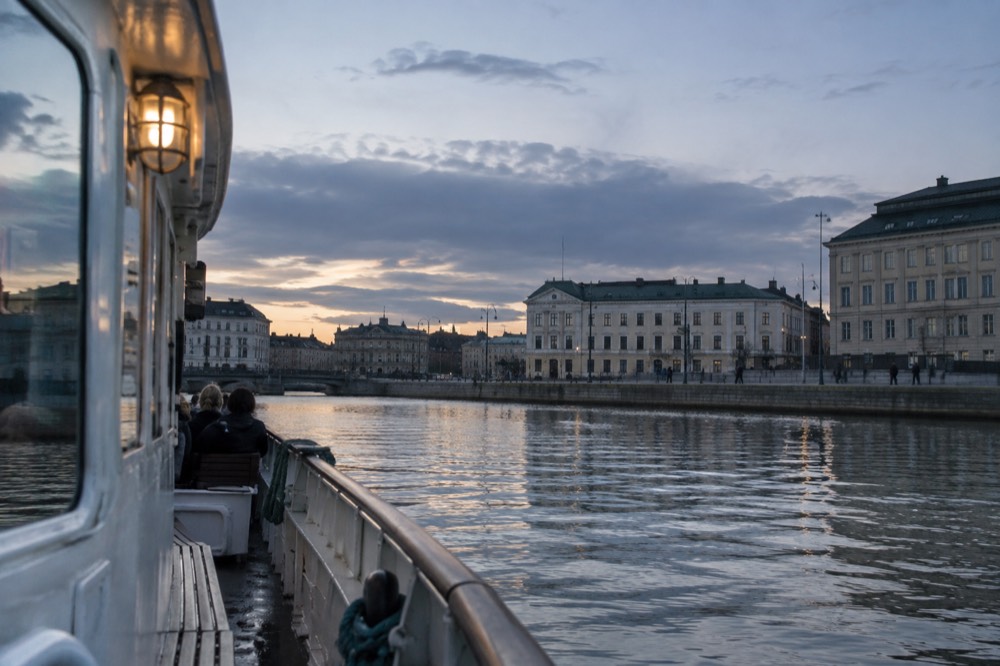
For a slower, more old-fashioned version, the Swedish archipelago sail tour with shrimp meal runs four and a half hours from $139 per person, also with no reviews yet, which is real information about a new listing rather than a warning. If you would rather combine seafood with sightseeing in the city itself, the Paddan boats and the canal sightseeing route guide covers the classic canal trip through the old moat.
What Does Seafood Cost in Gothenburg?
A shrimp sandwich at a café or fish counter typically costs the same as a main course in a mid-range restaurant, not a snack, and the guided seafood experiences range from $44 for a basic archipelago cruise to $206 for a five-hour Marstrand sailing trip, per person, on the operators' live listings. A food walking tour focused on west-coast food runs from $144 per person, rated 4.8 from 17 reviews.
The honest way to budget this is to separate eating from experiencing. The eating is not cheap, because hand-peeled shrimp and native oysters are labour-intensive products anywhere in the world, but a sandwich and a soup at Feskekôrka is a normal restaurant spend, not a splurge. The experiences, the cruises, sails and safaris, are priced like half-day tours because that is what they are.
| Experience | From price (listing) | Duration | Reviews |
|---|---|---|---|
| Archipelago cruise with guide | $44 per person | 2.5 hours | 4.4 from 1,488 |
| Archipelago cruise with Swedish fika | $58 per person | 2h 30m | 4.3 from 19 |
| Shrimp and salmon cruise with live music | $95 per person | 3 hours | 4.7 from 14 |
| Swedish archipelago sail tour with shrimp meal | $139 per person | 4.5 hours | no reviews yet |
| Marstrand seafood market sailing trip | $148 per person | 5 hours | no reviews yet |
| Swedish Westcoast food walking tour | $144 per person | 3 hours | 4.8 from 17 |
Two of the trips in that table are priced per person and one, if you ever see it listed, comes per group, so always check the basis on the listing before comparing. The prices above are the operators' own "from" figures and change with season and demand, which is why this page prints them as ranges from the listings rather than promises.
For the wider budget picture, including what a meal out generally costs in the city, see is Gothenburg expensive: what a trip really costs.
When Is the Best Time to Eat Seafood in Gothenburg?
The sea peaks in August at 18.6 C, not July, and September water at 16.7 C is warmer than June water at 16.2 C, so late summer and early autumn are the best months for eating on and around the water. Native oysters are a cold-season product at their best from autumn to spring. October is the wettest month of the year at 102.9 mm of rain, so book boat trips with an eye on the forecast.
That September-beats-June water fact comes from SMHI's quality-controlled archive at the Vinga lighthouse station, and it inverts what most visitors plan. People book June trips expecting the warm season and get 16.2 C water and 73.7 mm of rain; September delivers warmer sea, softer light and fewer people. Our best time to visit Gothenburg guide covers the full calendar trade-off.
| Month | Mean sea temp (Vinga) | What it means for eating |
|---|---|---|
| February | 2.7 C | Oyster season at its peak; no swimming |
| April | 7.1 C | Driest month of the year, 51.3 mm; boat trips start |
| June | 16.2 C | Busy, but the sea is still colder than September |
| July | 18.3 C | Air temperature peak; full boat season |
| August | 18.6 C | Warmest sea of the year; best month on the water |
| September | 16.7 C | Warmer water than June, fewer crowds, 80.0 mm rain |
| October | 12.8 C | Wettest month, 102.9 mm; indoor counters and oysters |
The sea temperatures in that table come from SMHI's oceanographic archive for station Vinga, published at smhi.se's climate normals pages, and the rainfall figures from the 1991-2020 normals for station Göteborg A. The practical read: August and September are the months for eating on boats, October to February are the months for oysters and fish counters.
Where Else Do You Find Seafood in the City?
Beyond Feskekôrka, the seafood surfaces in the neighbourhood restaurants of Majorna and Linné, the harbour-side kiosks around Stigbergstorget and Klippan, the café tables of the archipelago islands themselves, and the fine-dining rooms around Avenyn and Götaplatsen. The islands are the sleeper option: because they are areas of Gothenburg inside the ordinary Västtrafik zone, a shrimp lunch on Vrångö costs a tram-and-ferry fare to reach.
The neighbourhood layer matters because Gothenburg's food culture is not concentrated in one quarter. The Majorna second-hand quarter and the Linné and Långgatorna strip both carry small seafood-forward kitchens, and the Klippan old harbour village is the historic fish-landing side of the city. For the sweet course of the day, the fika in Gothenburg tradition runs in parallel, and a seafood lunch plus an afternoon fika is the standard local rhythm.
One rule that surprises visitors: anything above 3.5% ABV, which means most beer you would want with shrimp, is sold only by Systembolaget, the state monopoly, under Alkohollag (2010:1622). Supermarkets sell folköl up to 3.5%, and the shelf version of a familiar brand is often a weaker reformulation. Restaurants are unaffected, but if you are assembling a picnic for a boat trip, the beer stop is a separate errand.
Getting to the islands for that lunch is covered in getting around Gothenburg: trams, tickets and zones: a 24-hour Zone A ticket at 125 kr covers the tram to Saltholmen and the ferry out, which makes an island seafood lunch one of the better-value days out in the city.
Common Questions About Gothenburg Seafood
What food is Gothenburg famous for?
Shrimp sandwiches (räkmacka), boiled shrimp eaten by hand, langoustines, salmon, herring and west-coast mussels, plus the oysters of the Bohuslän coast. The city's fine dining leans on the same raw material. Feskekôrka, the 1874 fish hall reopened in 2024 as a food hall with five restaurants, is the symbolic centre of it.
Can you visit the Gothenburg archipelago just for lunch?
Yes. The southern islands are areas of Gothenburg reached by tram and ferry on an ordinary Västtrafik ticket, and several islands have cafés serving shrimp sandwiches in season. It is a half-day trip at most, not an expedition.
Are oyster safaris worth it?
They are the only practical way to eat a wild native European oyster standing in the water it grew in, and the cold months when they run are exactly when Gothenburg otherwise feels quiet. Operators supply waders; take gloves and a change of socks.
Is seafood in Gothenburg expensive?
It is priced like the labour it takes. Hand-peeled shrimp and native oysters cost restaurant-main prices, not snack prices, but a sandwich and soup at Feskekôrka or a counter lunch is a normal mid-range spend. The boat trips with meals run from $44 to $206 per person on the operators' live listings.
When is shrimp season in Gothenburg?
North Sea and Kattegat shrimp are landed through most of the year, with the freshest counters in summer and autumn. The eating never really stops: boiled shrimp are a year-round Swedish staple, and the boat trips serving them run across the warmer season.
Can you buy beer to take on a boat picnic?
Only folköl, up to 3.5% ABV, from a supermarket. Anything stronger is sold only by Systembolaget, the state monopoly, under Swedish alcohol law, and stores close on Sundays. Restaurants and bars are unaffected.
The short version of all of this: eat a shrimp sandwich within sight of the water, walk through Feskekôrka to see what a 1874 fish church became in 2024, and if you have a free half day, get on a boat where the meal is included. That is Gothenburg, Sweden's food culture in one sentence, and the sea it comes from is 20 minutes from the city centre by tram.