Göteborg Film Festival: A Winter Guide to Scandinavia's Big Screen Week
Every winter, while Liseberg sits closed and the days are short, Gothenburg fills its dark evenings with cinema. The Göteborg Film Festival turns the city's theatres, museums and even a few unconventional venues into screening rooms for roughly ten days, and it is the main reason many visitors book a trip to Sweden's west coast in the deepest part of the season.
Short answer
The Göteborg Film Festival is a large Nordic film festival held in Gothenburg, Sweden, each winter, typically spanning late January into early February. Screenings take place across central venues, from classic cinemas to museums and unusual pop-up locations, with a programme weighted toward Nordic and international feature films. Check the festival's own programme pages for exact dates and ticketing, as both change year to year.
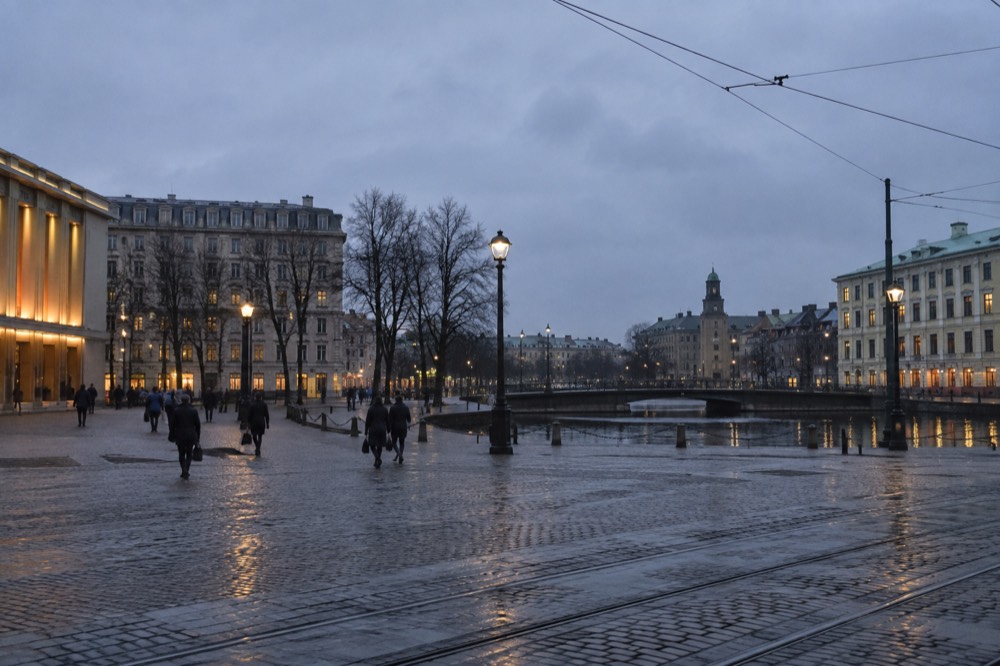
Every winter, while Liseberg's gates are shut and the Gothenburg sky goes dark before four in the afternoon, the city hands its evenings over to cinema. The Göteborg Film Festival is the biggest film event on the Swedish calendar and one of the larger audience festivals in Scandinavia, and it lands in the one stretch of the year when Gothenburg otherwise has little to offer a tourist beyond grey light and rain. That combination, dark days and warm screening rooms, is exactly why the festival works here.
The festival's own programme pages are the source for exact dates, venues and ticketing for any given year, and those details change annually. What does not change is the frame around it: the daylight, the weather, the trams, the prices and the city itself. This guide covers the festival in that frame, with the verified numbers a winter visitor to Gothenburg actually needs.
What Is the Göteborg Film Festival?
The Göteborg Film Festival is an annual Nordic film festival held in Gothenburg, Sweden, in winter, usually running from late January into early February. It screens a large programme of Nordic and international films across venues in the city centre, alongside premieres, talks and industry events. It is one of the largest audience-facing film festivals in Scandinavia, and it takes place in the darkest, quietest part of the Gothenburg year, which is precisely its appeal.
Gothenburg in late January is a city at its most local. The Christmas markets are packed away, Liseberg is closed until mid-April, and the 613,274 residents Göteborgs Stad counted at the end of 2025 have the streets back to themselves. The festival fills that gap. Cinemas and cultural venues across the centre host back-to-back screenings, and the audience is a mix of locals, Swedish film industry visitors and a growing share of international guests.
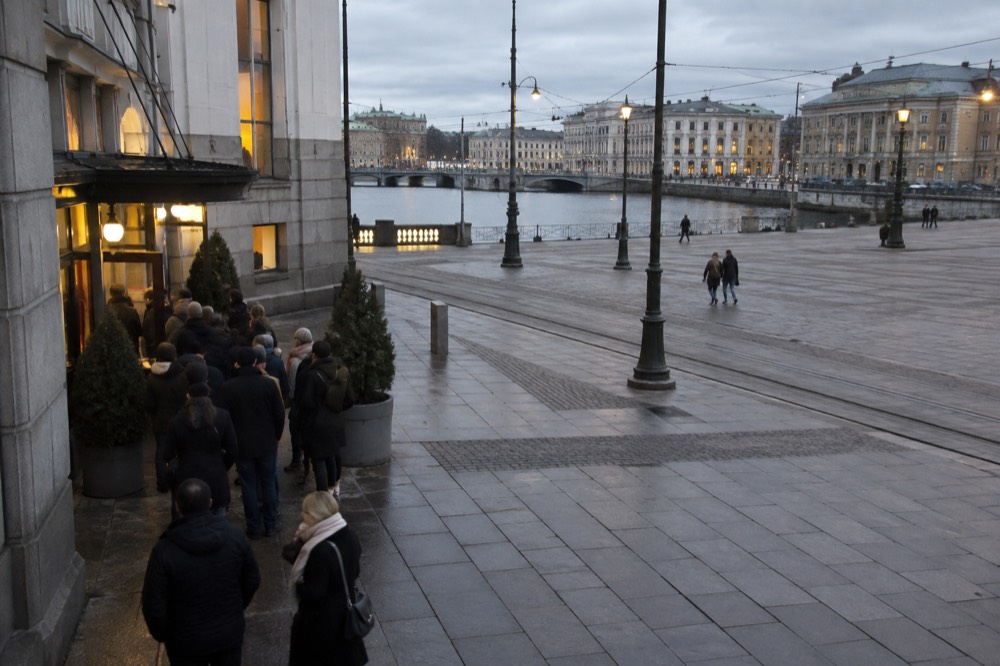
The festival's centre of gravity is the city core, roughly between Göteborg Centralstation, Avenyn and the Göta älv waterfront. That matters for planning, because almost everything is reachable by tram, and Gothenburg's tram network is the backbone of the city. Göteborgs Spårvägar's own reporting describes 12 lines serving 134 stops over 188 km of single track, and the network carried 126 million journeys in 2025.
The programme leans Nordic. Swedish, Danish, Norwegian, Icelandic and Finnish premieres are the festival's signature, and the competition sections are where much of the Scandinavian film year's serious work first appears. Alongside that sits a wide international selection, documentaries, and a fringe of talks and industry meetings that make the festival week one of the few times Gothenburg feels crowded in deep winter.
When Does the Göteborg Film Festival Take Place?
The festival runs annually in winter, typically from late January into early February, for roughly ten days. Exact dates shift each year, so the festival's own programme pages are the authority for any given edition. The timing is deliberate: it is the coldest, darkest stretch of the Gothenburg calendar, when the city has capacity to host it and the evenings are long enough to fill with screenings.
The winter timing is worth understanding before you book. The US Naval Observatory's data for Gothenburg's latitude gives 21 December a day length of 6 hours 32 minutes, sunrise at 08:54 and sunset at 15:26. By late January the days are lengthening again, but they are still short, and the festival schedules its screenings to match. Matinées exist, but the bulk of the programme runs from late afternoon into the evening, when the city is fully dark.
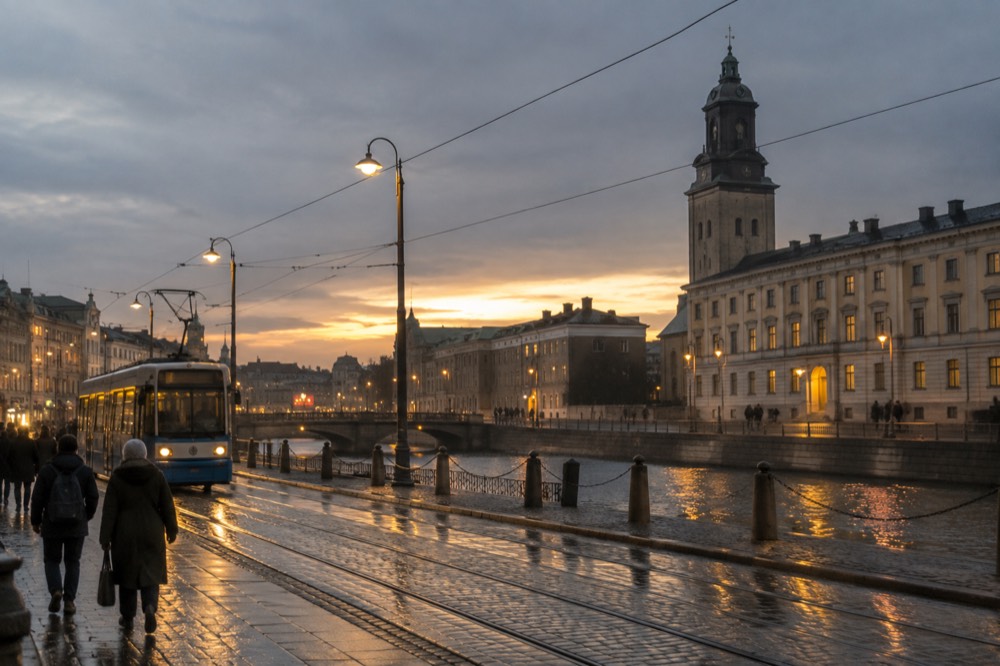
Weather is part of the deal. SMHI's 1991-2020 normals for station Göteborg A put January rainfall at 83.0 mm over 11.5 days with at least 1 mm of rain, February at 61.0 mm over 9.7 days, and mean air temperatures of 0.8 C and 0.7 C respectively. That is cold-rain weather more than snow weather. Pack for wet, and plan days that do not depend on blue sky.
The other winter fact to fold in: Liseberg, the city's biggest attraction, is closed. The park's own calendar gives summer 2026 as 18 April to 20 September, with Halloween 2 October to 1 November and the Christmas market 14 November to 23 December. Between Christmas and mid-April the park is shut, apart from its Kaninlandet children's area, which now opens on winter weekends and school holidays. A festival-week visitor should not build a day around Liseberg.
If you are weighing this week against other seasons, our broader best time to visit Gothenburg guide compares the whole year, and gothenburg-in-winter covers the season in depth.
How Do You Get Tickets for the Göteborg Film Festival?
Tickets are sold through the festival's own website and box office, with single-screening tickets, festival passes and accreditation for industry visitors. Prices and on-sale dates change each year, so the festival's programme pages are the only reliable source. The practical rule for a visitor is to book early for popular premieres and competition screenings, and to expect the biggest Swedish-language premieres to sell out first.
The festival does not publish its pricing through any source this site can verify, so no ticket figure is quoted here. What can be said is structural: the festival is a ticketed, capacity-limited event spread across multiple venues, and the marquee screenings, opening and closing galas and Nordic competition titles, are the ones that go fastest. A visitor planning around a specific film should treat booking as time-sensitive. The festival's own site at goteborgfilmfestival.se carries the current edition's programme, venue list and on-sale dates.
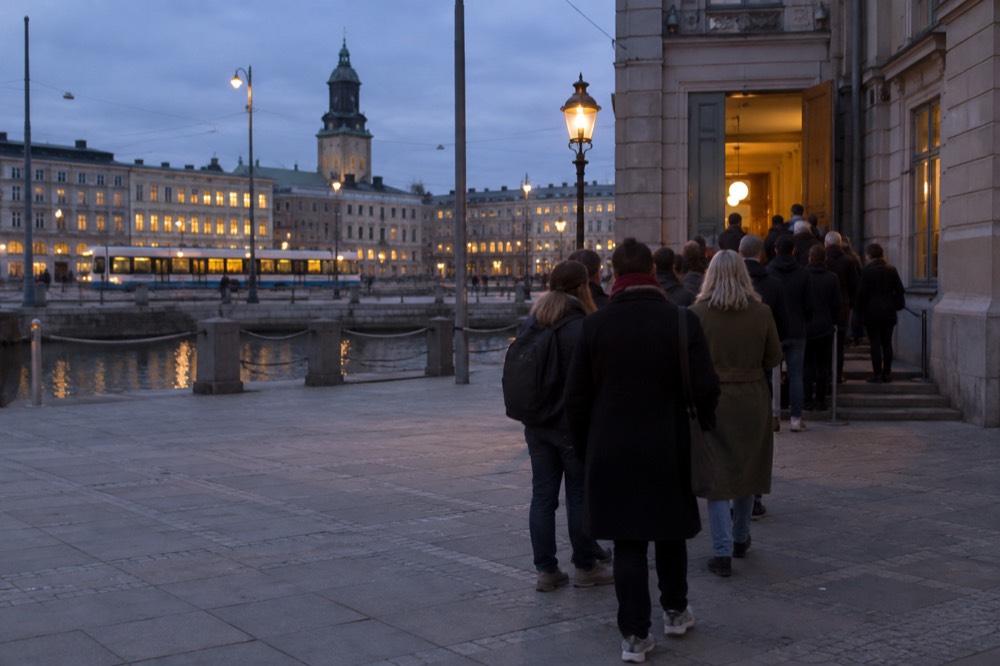
Between screenings, the city's paid attractions are worth factoring into a budget. The [Go City](https://gocity.tpk.ro/HQKyKKW4) All-Inclusive Pass covers 20+ attractions, and the amphibious bus sightseeing tour is a weatherproof hour that covers the city centre and the harbour, with the listing showing a 4.7 rating from 4,326 reviews. The amphibious bus is the one to pick on a wet festival day, since half its route is on water and the weather stops mattering once you are aboard.
For museum-heavy days, note that Göteborgs konstmuseum, one of the city's major venues, is open through the festival period now but has a scheduled closure in its future: the museum's own rebuild page states it closes in 2028 and reopens in 2032, and it currently warns of intermittent blasting near the building. If the festival is your reason to visit, the art museum is still open in the winter of the coming editions, but plan around the 2028 shutdown for later trips.
How Do You Get Around Gothenburg During the Festival?
You get around by tram. Gothenburg's network runs 12 lines across 134 stops, and a single Zone A ticket, 38 kr for an adult, covers the whole city core where the festival venues sit. A 24-hour Zone A ticket at 125 kr covers unlimited tram, bus and ferry travel for a day, including the southern archipelago boats from Saltholmen. There is no cheaper or simpler way to move between screenings.
Västtrafik's fare table gives the numbers: a single adult ticket for one zone is 38 kr, two zones 76 kr, three zones 114 kr, with youth fares at 29 kr for one zone. Zone A covers Göteborg, Partille, Mölndal and Öckerö, which is effectively everywhere a festival visitor needs. Tickets are bought in the Västtrafik To Go app or at ticket machines, and you do not tap out, there is no exit reader. The current fares are published on Västtrafik's own ticket pages, which is where the subsidy rules are also spelled out.
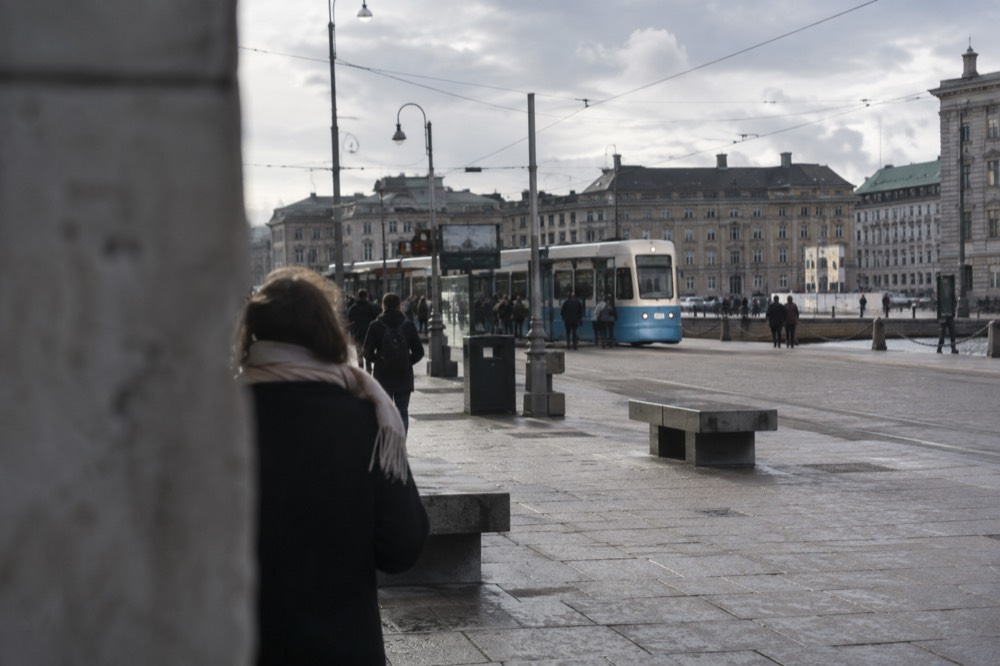
One fare warning that matters. Västtrafik's 30-day period tickets are currently halved by a temporary state subsidy, Zone A adult from 890 kr down to 445 kr, valid for travel through the end of the year. That discount does not cover the 24-hour and 72-hour tickets a visitor actually buys. A festival visitor staying under a week should ignore the halved-price headlines and plan on the 125 kr day ticket.
| Västtrafik ticket | Adult price | Covers | Notes |
|---|---|---|---|
| Single, 1 zone | 38 kr | One journey | Youth 29 kr |
| Single, 2 zones | 76 kr | One journey | For trips beyond Zone A |
| 24-hour, Zone A | 125 kr | Trams, buses, ferries | Best value for festival days |
| 30-day, Zone A | 445 kr (subsidised) | All Zone A travel | Subsidy runs through year end |
The full transport picture, including the airport coach and how zones work, is in our getting around Gothenburg guide. If you are flying in, gothenburg-landvetter-airport-to-the-city-centre covers the transfer: the Vy flygbussarna coach runs Landvetter to Korsvägen to Göteborg C in 20 minutes, and there is no rail link to the airport.
What Is the Weather Like During the Göteborg Film Festival?
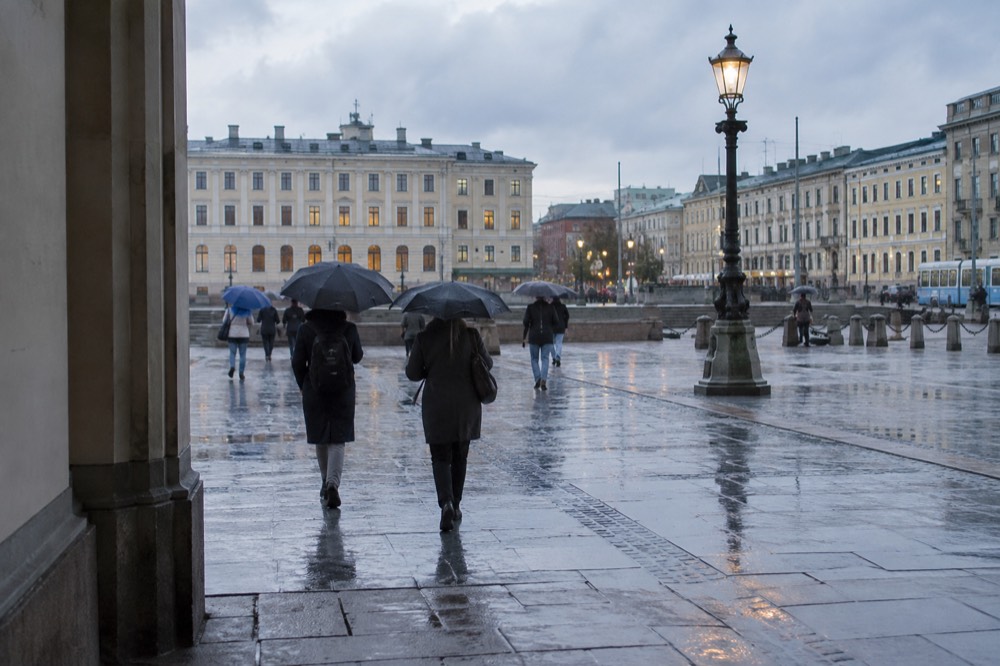
Festival weather in Gothenburg is cold and wet rather than snowy. SMHI's 1991-2020 normals give January a mean air temperature of 0.8 C with 83.0 mm of rain, and February 0.7 C with 61.0 mm. Daylight in late January runs around eight hours and growing. It is cinema weather: dark early, damp, and best planned around indoor venues with a tram ride between them.
The numbers come from SMHI's normals spreadsheets for station Göteborg A, the same data that underpins the city's climate reputation. And that reputation deserves correcting while we are here. Gothenburg gets called Sweden's rainiest city constantly, and SMHI's own writing does not support it: the institute notes that annual precipitation varies from roughly 400 to 600 mm in eastern Götaland and Svealand to over 1000 mm in the mountains and western highlands, and Gothenburg's 912 mm sits in the wet western band but is not a national maximum. The city gets rain on about 127 days a year, roughly one day in three, which is wet, but not the permanent drizzle of the cliché.
| Month | Mean air temp | Rainfall | Wet days (≥1 mm) |
|---|---|---|---|
| January | 0.8 C | 83.0 mm | 11.5 |
| February | 0.7 C | 61.0 mm | 9.7 |
| March | 3.0 C | 54.0 mm | 8.8 |
For clothing, the practical answer is waterproof layers and shoes that survive wet cobbles. Our what to pack for Gothenburg season by season guide goes into detail, and the short version for festival week is: a proper rain shell, warm layers for the queue outside, and no assumptions about snow.
Where Should You Stay for the Göteborg Film Festival?
Stay in the city centre, inside the old moat or just north of it, where the festival venues cluster and every one of them is a short tram ride or walk away. The districts around Avenyn, Vasastan and the waterfront put you within Zone A's cheapest walking distance of the main cinemas. Book early: festival week is one of the few winter periods when central Gothenburg hotels fill, alongside the small number of visitors who discover the hard way that the cheapest rooms go first.
Gothenburg's hotel stock runs from design hostels to the Grand Curiosa Hotel at Liseberg, which stays open even when the park itself is closed. Location matters more than usual in winter, because the walk between a late screening and your hotel is the coldest part of the day. Our where to stay in Gothenburg guide breaks the districts down, and the budget picture, including what a festival week costs end to end, is in is-gothenburg-expensive-what-a-trip-really-costs.
One planning note that saves money: the old Göteborg City Card no longer exists, and the Go City passes that replaced it do not include public transport. If you see a guide claiming a city card covers your trams, it is describing a product that was retired. The pass options that do exist are covered in the-goteborg-city-card-is-it-worth-it, and the transport answer for a festival visitor remains the plain 125 kr Västtrafik day ticket.
What Else Can You Do in Gothenburg During Festival Week?
Plenty, because the festival only fills your evenings. In the daytime you have the city's museums, Feskekôrka's reopened food hall, the free zoo at Slottsskogen, and, weather permitting, the southern archipelago, all on the same 125 kr day ticket. Universeum is open every day of the year from 10:00 to 18:00, and World of Volvo is the city's newest major attraction. Winter Gothenburg is quieter than summer, but it is not shut.
Start with the museums, which are the natural daytime complement to evening screenings. Universeum, the science centre, is open every single day of the year, 10:00 to 18:00, with dynamically priced tickets tied to a booked entry time, there is no fixed published adult price, and the on-site price is the online price plus 30 kr. World of Volvo, which took over from the old Volvo Museum after that museum closed permanently in December 2023, sells exhibition tickets from 120 SEK online. Göteborgs konstmuseum charges 75 kr for a day ticket, free for visitors under 20 and for students.
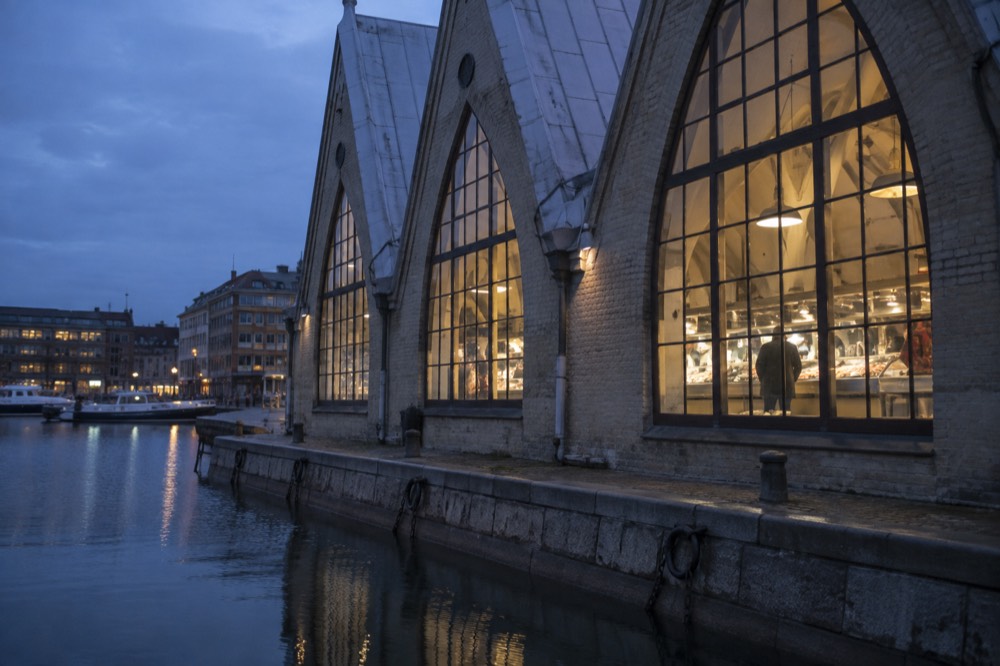
Food is the other half of a festival day. Feskekôrka, the fish-church-shaped market hall on Rosenlundsgatan, reopened in 2024 as a full food hall with two fish counters and five restaurants, so it now works for lunch and not just for buying shrimp. Our feskekorka-the-fish-church guide covers what is inside, and where-to-eat-in-gothenburg and fika-in-gothenburg-how-it-works-and-where-to-do-it handle the rest of the eating day. Between screenings, the classic fika break, coffee plus a bun, is the festival's unofficial intermission.
| Daytime option | Cost basis | Winter status |
|---|---|---|
| Universeum | Dynamic pricing, book a time slot | Open every day, 10:00-18:00 |
| Göteborgs konstmuseum | 75 kr day ticket | Open; closes 2028 for rebuild |
| World of Volvo | From 120 SEK online | Open, new since 2024 |
| Feskekôrka food hall | Pay per dish | Reopened 2024 |
| Slottsskogen park and free zoo | Free | Open year-round |
| Southern archipelago ferries | Västtrafik ticket, Zone A | Runs on the ordinary timetable |
The archipelago deserves a specific mention because it is not a day trip, it is part of the city. The islands served from Saltholmen, Asperö, Brännö, Styrsö, Donsö, Vrångö and Köpstadsö, are areas of Gothenburg, reached on the same Västtrafik ticket you use for the trams, and private cars are banned on them. A festival afternoon on Styrsö is entirely possible, and the sea in February averages 2.7 C, which is the coldest month of the year for the water, so this is a walking-and-coffee island trip, not a swimming one. The full picture is in our the-gothenburg-archipelago guide.
For sightseeing between screenings, the canal cruise and the amphibious bus both run through the winter harbour. The City Canal Sightseeing Cruise listing shows a 4.7 rating from 783 reviews for a 50-minute trip, and the guided walking and fika tour, 4.4 from 71 reviews on the listing, pairs a city walk with a coffee stop, which is a very Gothenburg way to spend a festival afternoon.
If a boat hour on the canal sounds like the right pace for a dark afternoon, the 50-minute sightseeing cruise is the shortest of the harbour options and the one most festival visitors can slot between two screenings.
For something on foot with a warm drink attached, the walking and fika tour runs two hours through the centre and ends with the coffee break that every winter day in Gothenburg deserves.
How Many Days Should You Spend at the Göteborg Film Festival?
Most visitors plan three to five days, which is enough for a dozen or more screenings plus the daytime city without rushing. A weekend covers the festival's core venues and a taste of the programme, while five days allows the archipelago, a museum day and a proper fika pace. Gothenburg rewards the longer stay in winter, because the short daylight pushes everything indoors anyway, and the city's best winter content is concentrated in a small central area.
The honest arithmetic is about energy, not distance. Screenings cluster in the centre, so you will walk or tram very little between them, but the days are short and the weather is damp, and the temptation after a third film in a dark room is a long dinner. Build that in. Our how many days do you need in gothenburg guide covers the question for the city generally, and the festival version of the answer is: one day more than you think, because you will lose at least one afternoon to a queue and a bun.
Common Questions About the Göteborg Film Festival
When is the Göteborg Film Festival held?
The festival is held each winter in Gothenburg, Sweden, typically from late January into early February. Exact dates change every year, so the festival's own programme pages are the authority for any given edition.
Where does the Göteborg Film Festival take place?
Screenings take place at venues across central Gothenburg, from established cinemas to museums and cultural buildings, all within the tram network's Zone A. The festival's programme lists each venue and address for the current edition.
Is the Göteborg Film Festival worth visiting for tourists?
Yes, if you like cinema and do not mind winter weather. The festival coincides with the city's quietest, darkest season, which means cheap-ish rooms, empty streets and a programme-heavy schedule. Visitors who want classic tourist Gothenburg, Liseberg rides and long outdoor days, should come in summer instead.
How cold is Gothenburg during the film festival?
SMHI's 1991-2020 normals give January a mean air temperature of 0.8 C and February 0.7 C, with 83.0 mm and 61.0 mm of rain respectively. Expect cold, wet weather rather than deep snow, and pack a proper rain shell.
Can you get around Gothenburg without a car during the festival?
Yes, easily. The tram network covers all the central festival venues, a single Zone A ticket costs 38 kr, and a 24-hour ticket at 125 kr covers trams, buses and even the archipelago ferries. There is no reason to rent a car for festival week.
Is anything else open in Gothenburg in late January?
Yes. Universeum is open every day of the year, the museums run normal winter hours, Feskekôrka's food hall is open, and the archipelago ferries run on ordinary Västtrafik tickets. The main thing that is closed is Liseberg, which stays shut from late December until mid-April apart from its winter children's area.
A festival week is a good excuse to see Gothenburg at its most honest: no Christmas lights, no crowds, just trams, rain, dark afternoons and a city that goes to the cinema. This site, Gothenburg Travel Guide, covers the rest of the year if the festival hooks you on the place.