Accessible Gothenburg: Trams, Museums and Cobbles for Wheelchair Users and Slow Walkers
Gothenburg is one of the more workable Nordic cities for wheelchair users, slow walkers and anyone travelling with a folding walker or a pram, but the accessibility picture is uneven: the trams are largely step-free, the museums mostly are, and the historic quarters mostly are not.
Short answer
Gothenburg's tram fleet is almost entirely low-floor, most major museums are step-free or have lifts, and one ordinary Västtrafik ticket covers both trams and the car-free archipelago ferries. The hard parts are the cobblestones and granite setts of Haga and the old harbour villages, steep hills such as the one up to Skansen Kronan, and the fact that some ferry landings on the islands are wooden jetties rather than proper piers.
Gothenburg sits at 57.7 degrees north on the Swedish west coast, built by Dutch engineers inside a moat where the Göta älv meets the Kattegat, and that Dutch street plan still shapes how accessible the city is today. The grid inside the old moat is flat and rational. The neighbourhoods that grew up outside it, Haga on its hill, Majorna on its slope towards the river, the harbour villages at the water's edge, are where the cobblestones and the gradients live. Anyone planning a visit with a wheelchair, a walker, a bad hip or a small child in a pram needs to know which parts of the city were built for wheels and which were built for hooves.
This guide walks through the real picture: the trams and how you board them, the ferries and whether the landings work, the museums and their lifts, and the streets that will punish a narrow front wheel. Nothing here is a first-hand account. Everything is reported from what the transport authority, the venues and the city publish about their own facilities, and where a claim could not be confirmed against a primary source, it says so.
Is Gothenburg Accessible for Wheelchair Users and Slow Walkers?
Gothenburg is more accessible than most Swedish cities of its age but less accessible than its modern reputation suggests. The trams are largely step-free, the major museums are step-free or lift-served, and the problems are concentrated in the historic quarters: Haga's cobblestones, the granite setts along the harbour, some wooden jetty landings in the archipelago, and the hills. A visitor who plans around those four things can manage the city well.
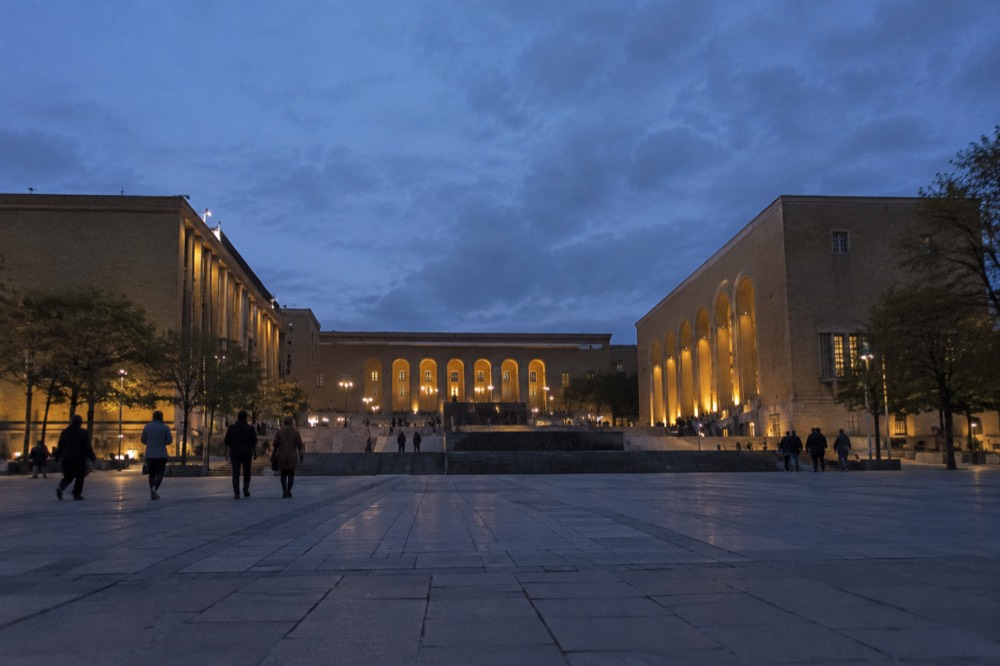
The honest framing is that Gothenburg is two cities. One is a twentieth-century transport city: flat, tram-served, with wide pavements along Avenyn and around Götaplatsen, and modern buildings with level entrances. The other is a seventeenth-century port town with a handful of streets that have barely been resurfaced since, and those streets are exactly the ones the guidebooks send people to, because they are the pretty ones.
The city's own planning documents treat accessibility as an ongoing programme rather than a finished achievement, and that is the right way for a visitor to treat it too. Assume the big infrastructure works. Check the small stuff, the specific ferry landing, the specific restaurant doorway, on the day.
Which Parts of the Gothenburg Tram Network Work for Wheelchairs?
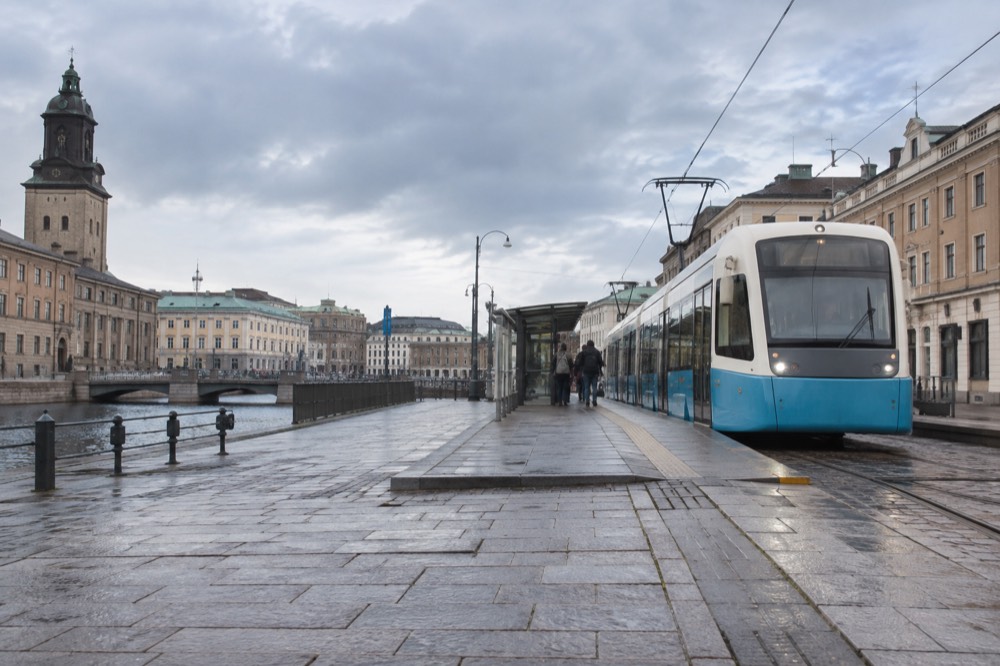
The tram network is Gothenburg's strongest accessibility asset. Göteborgs Spårvägar runs twelve lines across 188 kilometres of single track with 134 stops, as of its 2022 annual report, and carried 126 million journeys in 2025. The fleet is overwhelmingly low-floor with level boarding from raised platforms at most stops, and a wheelchair user needs no permit or special fare beyond an ordinary Västtrafik ticket.
The practical details matter more than the headline. Low-floor trams board from a raised platform section at most stops, marked with the wheelchair symbol, and the middle doors have a retractable ramp for the gap. Not every platform at every stop is raised yet, so the boarding position matters: the middle of the platform, where the ramp deploys, not the end. Västtrafik's own guidance for travellers with reduced mobility is to position at the accessibility marking and board through the centre doors.
Fares are flat and simple, which helps when the ticket machine is the first obstacle of the day. A single adult ticket in one zone costs 38 kr, and a 24-hour Zone A ticket, which covers all of Gothenburg, Mölndal, Partille and Öckerö, costs 125 kr whether bought in the app or at a shop. The app is the easier route for anyone who finds card terminals and coin slots a problem. Västtrafik has made a temporary state subsidy halve every 30-day period ticket through the end of the year, Zone A adult 890 kr down to 445 kr, but the 24-hour and 72-hour tickets a visitor actually buys are not discounted, so do not budget for half-price transport on a short trip. The full fare picture, including the zones and how to pay, is in getting around Gothenburg by tram.
| Ticket | Adult price | What it covers | Accessibility notes |
|---|---|---|---|
| Single, 1 zone | 38 kr | One tram, bus or ferry journey | Buy in the app to avoid the on-board machine |
| Single, 2 zones | 76 kr | Crosses into zone B | Same boarding rules |
| 24-hour, Zone A | 125 kr | All trams, buses and archipelago ferries for 24 hours | Best value for a tram-plus-island day |
| 30-day, Zone A adult | 445 kr (halved from 890 kr) | Unlimited travel, subsidy runs to year end | Only worth it for long stays; visitor day tickets are not discounted |
One ordinary ticket also covers the archipelago ferries from Saltholmen, because the boats carry Västtrafik line numbers and sit inside Zone A, which makes the whole southern archipelago reachable by tram and boat on a 125 kr day ticket. That is covered in detail further down.
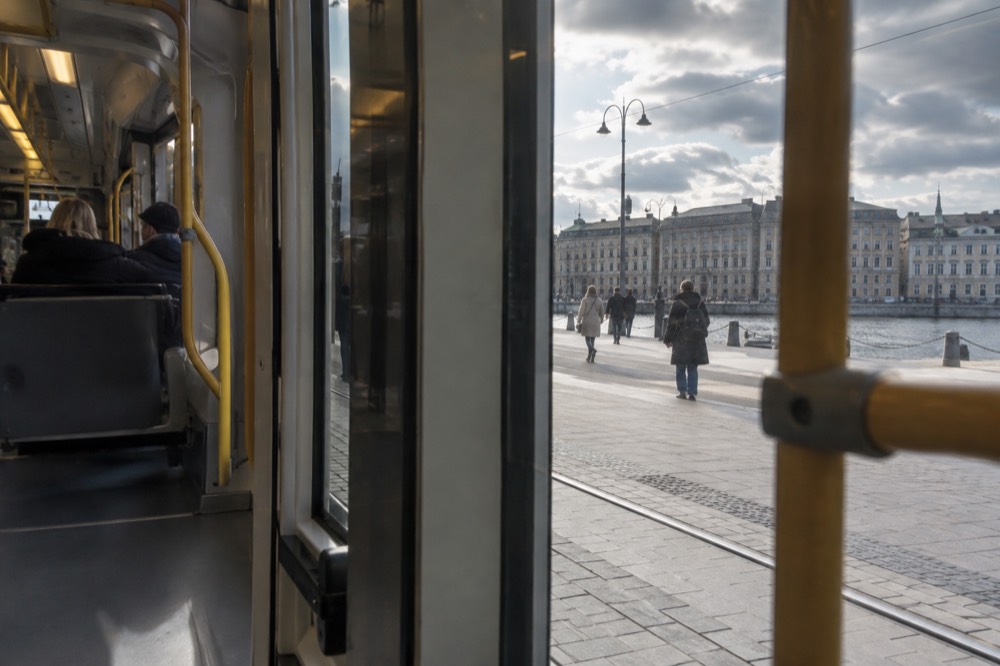
For anyone who cannot manage trams at all, or wants the city explained from a seat, the sightseeing fleet is worth comparing. The amphibious bus tour, which drives the streets and then drives into the harbour, is a seated way to see both halves of the city in an hour, and the operator's listing carries the current boarding arrangements. The hop-on hop-off bus is an alternative, though its rating on the listing, 3.8 from 251 reviews, is notably weaker than the amphibious bus's 4.7 from 4,326, and the reason matters for this audience: a vehicle you board once is a safer bet than one you must board repeatedly.
Are the Gothenburg Archipelago Ferries Wheelchair Accessible?
The ferries from Saltholmen to the southern archipelago islands, Asperö, Brännö, Styrsö, Donsö, Vrångö and Köpstadsö, are covered by an ordinary Västtrafik ticket and the larger vessels take wheelchairs on board. The variable part is the landing on the island end: some islands have proper piers with ramps, others use lower wooden jetties where boarding depends on the tide and the vessel. Check the specific island's landing before committing to the day.
The boats themselves are the easy half of the problem. The main ferries on the Saltholmen routes are ro-ro style vessels with car-deck-style flat boarding at Saltholmen, which is a modern terminal at the western end of a tram line and, since the tram terminus is right at the water, the entire journey from the city centre to the boat is on one accessible vehicle. Västtrafik's own network map, which shows the tram, bus and boat lines together, is the document to check for which vessel type serves which island: the combined network map (PDF).
The islands are car-free, which is the accessibility argument for going. Göteborgs Stad's own study states it plainly: the islands of the southern archipelago are protected from car traffic, with only taxis, transport services and emergency vehicles on the roads. That means no parked cars blocking dropped kerbs, no traffic to cross, and village lanes that are quiet. The catch is the surface: those lanes are gravel and earth in places, not asphalt, and a powered chair or a rugged manual chair will manage them better than a small-wheeled travel chair.
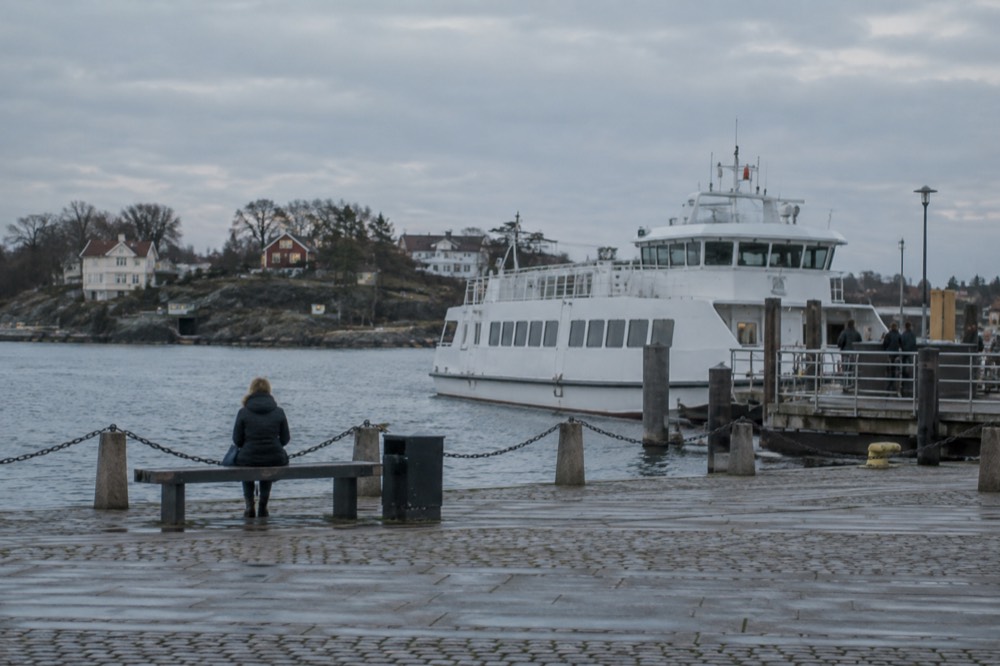
For a visitor who wants the archipelago without the jetty uncertainty, a guided archipelago cruise is the workaround: a proper vessel, a proper quay in the city harbour, and 2.5 hours of the same scenery from a seated position. The listing rates it 4.4 from 1,488 reviews, from $44 per person.
The wider picture of the islands, which one suits what, and how the ferry timetables work, is in the Gothenburg archipelago guide, and the step-by-step logistics are in how to get to the archipelago.
Which Gothenburg Museums Are Step-Free?
The major museums divide cleanly. Universeum, the science centre, is fully step-free with lifts through every floor and is open every day of the year, 10:00 to 18:00. World of Volvo, which replaced the old Volvo Museum after that museum closed permanently in December 2023, is a 2024 building with level access by design. Göteborgs konstmuseum is lift-served but closes in 2028 for a rebuild to 2032, with blasting on the site now. The smaller heritage buildings are the ones that are not step-free.
Universeum is the safest museum recommendation in the city for this audience, and its own visit pages confirm the details: dynamic pricing with a booked entry time, no fixed published adult price, on-site costing the online price plus 30 kr, card only, children under three free with their own ticket, and free cancellation up to 60 minutes before the slot. The halls are stacked over seven levels with lifts, and the rainforest walkthrough has lift access to the upper walkways. The venue's own ticketing page carries the current terms: Universeum tickets and entry times. The full guide is Universeum science centre.
World of Volvo, at Lyckholms Torg near Liseberg, is the only Volvo visit that exists. The old Volvo Museum at Arendal closed its doors in December 2023, and World of Volvo's own site says it is taking over as the place where Volvo's history continues. Anyone who reads an older guide sending them to Gustaf Larsons Väg in Arendal is being sent to a shut building. The new centre's hours are Monday to Wednesday 10:00 to 17:00, Thursday 10:00 to 19:00, Friday and Saturday 10:00 to 17:00, Sunday 10:00 to 16:00, with exhibition tickets from 120 SEK online. The details are in the Volvo Museum and World of Volvo guide.
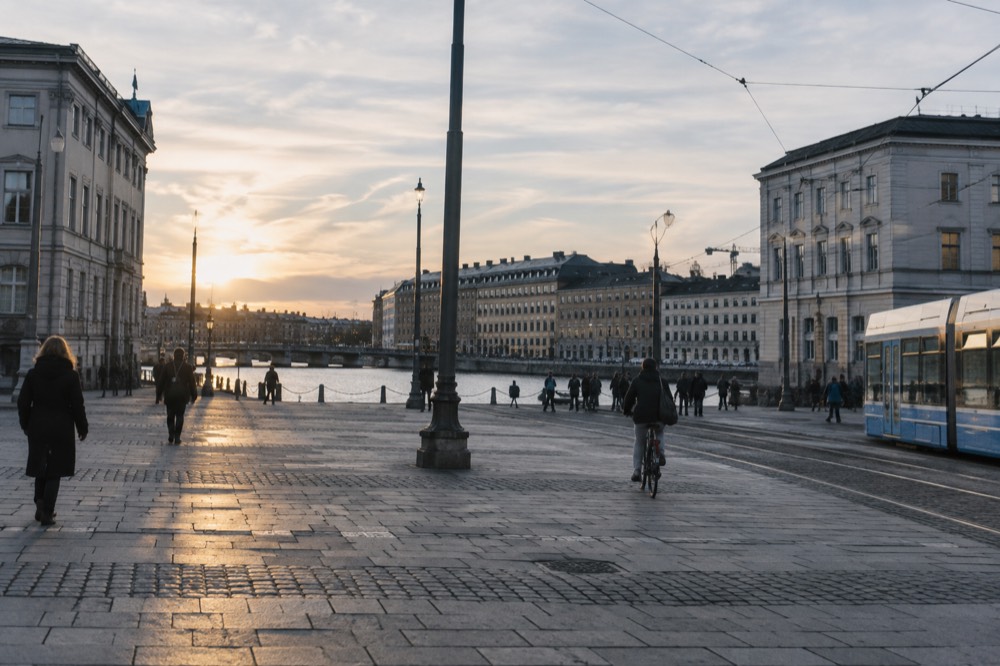
Göteborgs konstmuseum needs the caveat written into any recommendation. The museum's own rebuild page states the current timetable: the museum closes in 2028 and reopens in 2032. Until then it is open, Tuesday 11:00 to 18:00, Wednesday 11:00 to 20:00, Thursday 11:00 to 18:00, Friday to Sunday 11:00 to 17:00, closed Monday, with a day ticket at 75 kr, free entry for everyone under 20, free for students with ID, and the Hasselblad Center included in the admission. It also warns of intermittent blasting near the building, which it flags for sensitive visitors. The full visit picture is in Gothenburg Museum of Art.
| Museum | Step-free status | Entry cost | The caveat that matters |
|---|---|---|---|
| Universeum | Fully step-free, lifts to every hall | Dynamic, book a time slot; on-site is online + 30 kr | Wisdome dome shows are a separate ticket |
| World of Volvo | Level access, 2024 building | From 120 SEK online | The old Volvo Museum at Arendal closed permanently in December 2023 |
| Göteborgs konstmuseum | Lift-served, step-free entrances | 75 kr day ticket; free under 20 and for students | Closes 2028, reopens 2032; blasting on site now |
| Slottsskogen park and zoo | Tarmac and gravel paths, hilly in the north | Free | Big park; plan the route around the slopes |
| Botanical Garden | Gravel paths, some steep sections | Voluntary entry contribution, not a fixed ticket | Neither simply free nor simply paid; say which |
The museums that are genuinely free change the budget maths. Slottsskogen park and its zoo are free to enter, and the paths through the park are largely tarmac and gravel, manageable for most wheels, though the park is big and hilly in its northern half. The Botanical Garden asks a voluntary entry contribution rather than a fixed ticket, so it is neither simply free nor simply paid. The Gothenburg City Museum and the Museum of World Culture are covered in Gothenburg museums and free things to do in Gothenburg.
Where Are the Cobblestones and Hills in Gothenburg?
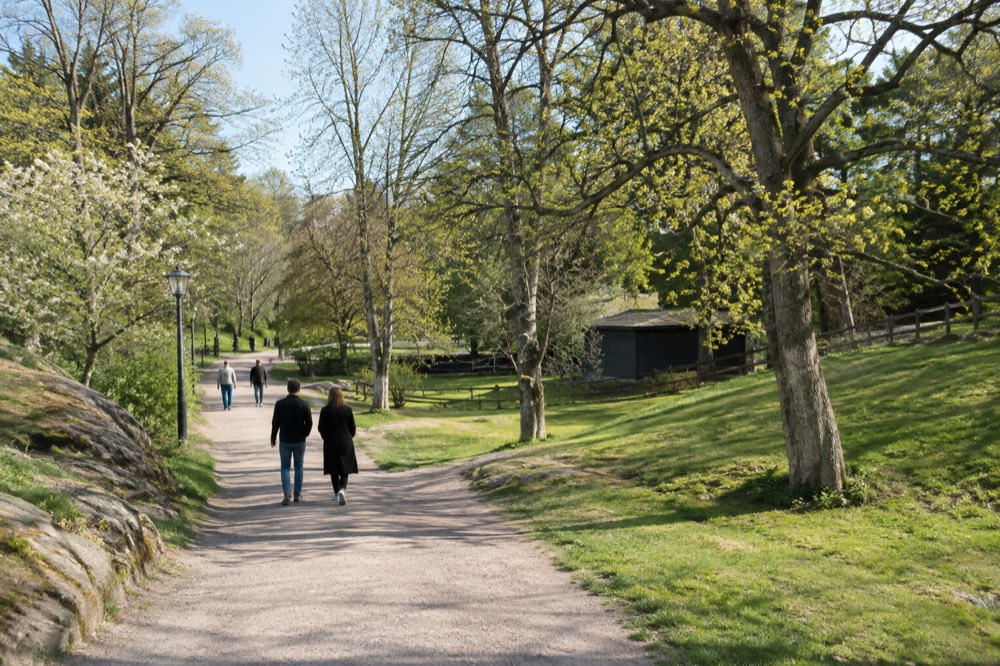
The cobblestone problem is concentrated in four places: Haga's main street Nygatan and the lanes around it, the stone quays of Klippan and the old harbour village, the lanes of the archipelago islands, and the setted slopes of Majorna. The hill problem is concentrated in two: the climb from Haga up to Skansen Kronan, steep and cobbled, and the slope up to Masthuggskyrkan, steep but paved. Everything along the modern waterfront, from Lilla Bommen through Lindholmen, and the whole of Avenyn and Nordstan, is flat and smooth.
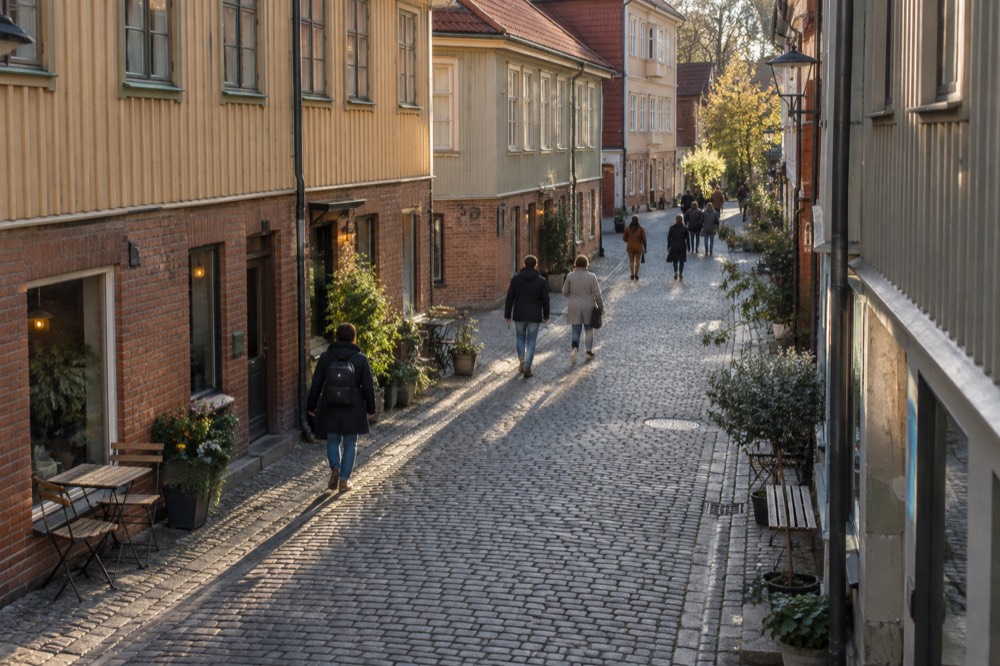
A wheelchair user or slow walker does not need to avoid Haga entirely, but the strategy is to enter it from the north, along the flat stretch where the neighbourhood meets the modern city, rather than trying to work up Nygatan from end to end. The wooden landshövdingehus houses that make the neighbourhood famous sit behind stone kerbs and cobbled lanes, and the famous cafés, including the one known for its oversized cinnamon buns, have doorways that vary. The neighbourhood guide with the specifics is Haga, Gothenburg's wooden old quarter.
The viewpoints are the hardest accessibility trade in the city, because the best views are uphill. Skansen Kronan, the hilltop fort, is reached by a steep cobbled path that will defeat most wheels and many walkers. The honest alternative is Ramberget on Hisingen, which has a road to the top and can be reached by car or bus, and the skyline view from there is the one locals use. Both are covered in Masthuggskyrkan and the best city viewpoints and Ramberget, the skyline view locals use.
| Area | Surface | Gradient | Realistic for a manual chair? |
|---|---|---|---|
| Avenyn and Götaplatsen | Smooth asphalt and paving | Flat | Yes, easy |
| Nordstan and the modern waterfront | Smooth paving and boardwalk | Flat | Yes, easy |
| Haga, Nygatan | Cobblestones | Gentle rise southbound | Partly; enter from the north, do one café |
| Skansen Kronan path | Cobbles and bare rock | Steep throughout | No; use Ramberget instead |
| Klippan harbour village | Granite setts and gravel | Flat but rough | Partly; a rugged chair manages, a travel chair does not |
| Archipelago island lanes | Gravel and earth | Mostly flat | Yes for powered or rugged chairs; check the jetty first |
How Does a Reduced-Mobility Visitor Get in from Landvetter Airport?
There is no train to Landvetter Airport, so the choice is coach or taxi. The airport coach, now branded Vy flygbussarna, runs Landvetter to Korsvägen to Göteborg Centralstation's Nils Ericson Terminal in a journey Swedavia states at 20 minutes, and coaches take foldable mobility equipment in the hold. Västtrafik bus 612 also serves the airport but goes to Landvetter the town, not the city. A wheelchair user who cannot board coach steps should book an adapted transfer in advance, because there is no rail fallback.
The coach is the standard route and it is a good one for anyone who can manage a few steps or a driver's help. Swedavia's own airport pages confirm the route, the 20-minute journey time, and the branding change from Flygbussarna to Vy flygbussarna, and they list no rail option because none exists. The full comparison of coach, bus and taxi, with what each costs and where each stops, is in [Landvetter Airport to the city centre](/guides/gothenburg-landvetter-airport-to-the-city-centre/).
Göteborg Centralstation itself is flat at the Nils Ericson Terminal end, with level access to the trams and buses outside, and the station guide covering platforms, left luggage and connections is Gothenburg Central Station. Anyone arriving by train from Stockholm or Oslo, both of which are covered in Gothenburg to Stockholm by train, arrives into the same accessible terminal.
Is the Gothenburg Pass Worth It for an Accessible Trip?
The old Göteborg City Card no longer exists, and the product that replaced it, the Go City pass, does not include public transport, so it cannot be judged as an all-in-one accessibility ticket. The All-Inclusive version, from $56 per person and rated 3.8 from 238 reviews, bundles 20 or more attractions over one to five days; the Essentials version covers three attractions over 30 days.
For a reduced-mobility visitor the maths depends on how many lift-served attractions are on the list, not on transport savings, because there are none.
The pass question for this audience is really a pacing question. A wheelchair user doing two attractions a day, each reached by tram, each with a café stop, will not extract value from a five-day all-inclusive pass the way an able-bodied whirlwind tourist will. The three-attraction Essentials pass, from $47 per person, rated 4.3 from 5 reviews, fits a slower itinerary better. The full analysis, including what the pass does and does not cover, is in is the Göteborg City Card worth it.
What Does an Accessible Two-Day Itinerary in Gothenburg Look Like?
A workable slow-paced plan is: day one, Universeum and World of Volvo, both modern, both step-free, both near Korsvägen tram stops and next to each other, with Liseberg between them if the season is right; day two, the harbour and the archipelago, tram to Saltholmen, ferry to Styrsö or Donsö, lunch on the island, ferry back.
This uses the two strongest accessible corridors in the city, the museum district and the tram-plus-ferry line, and saves Haga's cobbles for a short flat stretch with a café at the end of it.
The pacing rule that matters is distance per stop. The Korsvägen cluster, Universeum, World of Volvo, the Museum of World Culture, Liseberg, is the densest concentration of step-free attractions in the city, all within a few hundred flat metres of tram stops on multiple lines. That is where a reduced-mobility visitor gets the most done for the least rolling.
Liseberg deserves its own caveat, because the amusement park is a surface problem as much as a ride problem. The park is built on a slope, and the upper sections involve gradients that will tax a manual chair, though the park is served by its own tram stop and the entrance areas are flat. Entry and rides are sold separately, with entry from 95 kr buying no rides, and the park is closed for large parts of the year, roughly late September to mid-April apart from seasonal openings, so the season calendar in Liseberg rides, tickets and when to go matters more for this audience than for most.
| Itinerary block | Surfaces and slopes | Transport | What could go wrong |
|---|---|---|---|
| Day 1 morning: Universeum | Fully step-free, lifts throughout | Tram to Korsvägen, level platform | Time slots sell out; book ahead |
| Day 1 afternoon: World of Volvo | Level access, 2024 building | Same tram stop, flat 10-minute roll | Closed Mondays at 10:00 opening only from 10:00; check hours |
| Day 2 morning: tram to Saltholmen | Low-floor tram, centre-door ramp | 125 kr 24-hour Zone A ticket | Board at the accessibility marking, not the platform end |
| Day 2 afternoon: ferry to Styrsö or Donsö | Larger vessels take wheelchairs | Same ticket covers the boat | Island landings vary; check the jetty before boarding out |
| Optional: Haga café stop | Enter from the north, flat stretch | Tram to Hagakyrkan | Do not attempt the full cobbled length of Nygatan |
The season matters for the whole plan. April is the driest month of the year in Gothenburg, 51.3 mm across 8.2 wet days against October's 102.9 mm across 12.6, per SMHI's 1991-2020 normals for the Göteborg A station, and dry ground is a genuine accessibility feature when the alternative surfaces are cobbles and gravel. The month-by-month picture, including the sea temperature data that makes September a better swimming month than June, is in the best time to visit Gothenburg.
Common Questions About Accessible Gothenburg
Are Gothenburg trams wheelchair accessible?
Yes, overwhelmingly. The fleet is low-floor with level boarding from raised platform sections at most stops, marked with the accessibility symbol, and ramps deploy at the centre doors. Position at the marking, not the platform end. An ordinary Västtrafik ticket is all that is needed, a single in one zone is 38 kr and a 24-hour Zone A ticket is 125 kr.
Can you take a wheelchair on the Gothenburg archipelago ferries?
The larger vessels on the Saltholmen routes take wheelchairs, and Saltholmen itself is a modern terminal at the tram terminus. The variable part is the island landing: some islands have proper piers, others use lower wooden jetties. Check the specific island's landing before committing, or take a guided archipelago cruise from the city harbour instead.
Is the Gothenburg Museum of Art accessible?
It is lift-served with step-free entrances, a 75 kr day ticket, free entry for under-20s and students, and the Hasselblad Center included. But the museum has published its own closure timetable: it closes in 2028 for a rebuild and reopens in 2032, and there is intermittent blasting on the site right now, which the museum flags for sensitive visitors.
Is Haga wheelchair friendly?
Partly. The neighbourhood's famous street, Nygatan, is cobbled, and the lanes around it are worse. The workable strategy is to enter from the north along the flat stretch, visit one café, and not attempt the full length of the street or the climb to Skansen Kronan, which is steep and cobbled throughout.
Is there an accessible way to see Gothenburg without walking all day?
Yes, several. The trams themselves are a sightseeing network if you ride the right lines. The amphibious bus covers city and harbour from a seat in an hour. The archipelago cruise does the same for the islands from a proper quay. And the pass products, the [Go City](https://gocity.tpk.ro/HQKyKKW4) All-Inclusive and Essentials passes, let a slower visitor pre-book the lift-served attractions without walking between them.
Is Gothenburg accessible in winter?
Winter is harder, and not only because of the cold. Daylight drops to 6 hours 32 minutes on 21 December, ice on cobbles is a real fall risk for slow walkers, and Liseberg, the biggest attraction, is largely closed from late December to mid-April apart from seasonal openings. The trade-offs and what still works are laid out in Gothenburg in winter.
The last word goes to planning rather than optimism. Gothenburg rewards a visitor who knows which corridor they are in: the flat modern city, or the old one on the hill. This site, Gothenburg Travel Guide, keeps the rest of the picture, from where to stay to where to eat, and the neighbourhood-by-neighbourhood detail is what turns an accessible itinerary from a list of step-free buildings into a trip.