Maritiman: Gothenburg's Floating Ship Museum on the Göta Älv
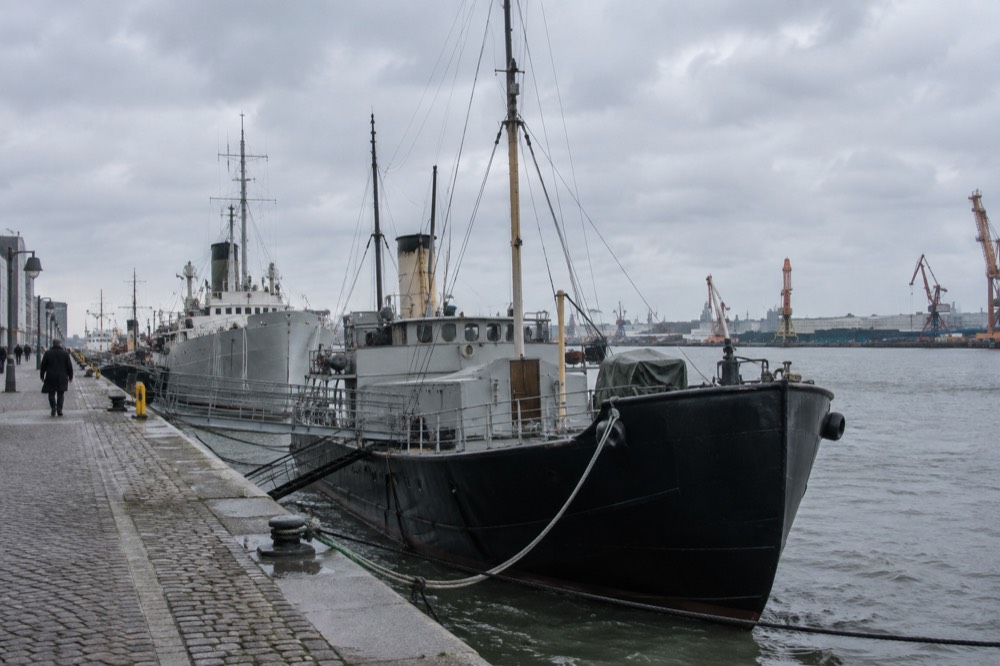
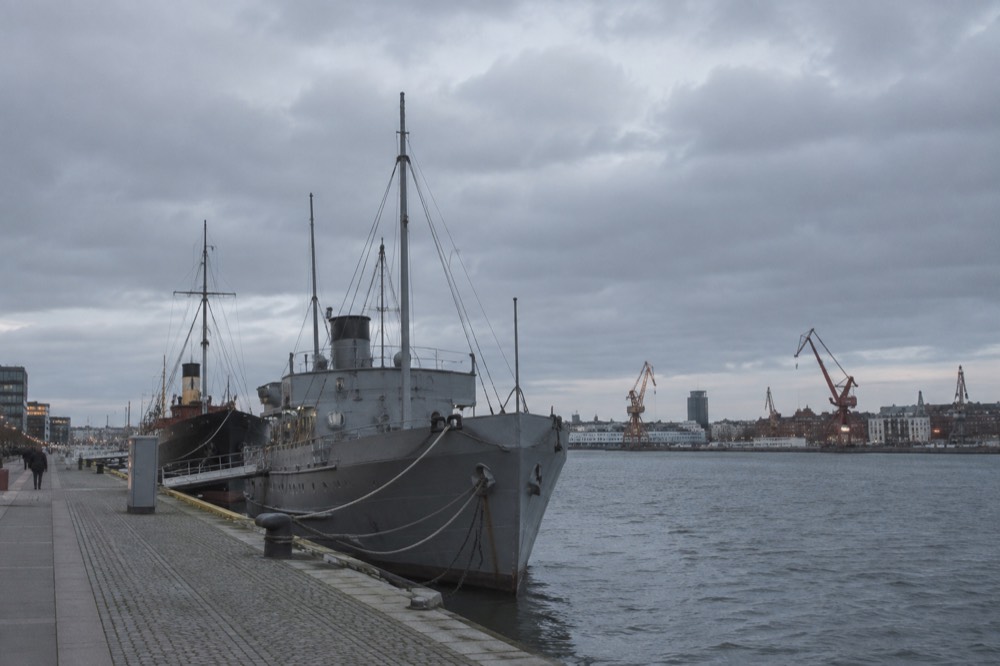
Maritiman is Gothenburg's floating museum: a cluster of real vessels, warships and working boats moored together on the Göta älv waterfront in the heart of the city, a short walk from the Central Station.
Short answer
Maritiman is a floating maritime museum in central Gothenburg, Sweden, where a fleet of historic ships, including a destroyer and other naval and civilian vessels, is moored together on the Göta älv quay and open to walk aboard. It sits within walking distance of Göteborg Centralstation and the opera house, and it pairs naturally with the city's other harbour sights.
Gothenburg was built by the sea and still works it. The city sits at the mouth of the Göta älv, where the river meets the Kattegat, and its whole identity, from the shipyard cranes on Hisingen to the fish church food hall, is maritime. Maritiman takes that identity literally: instead of putting the ships in a building, it moors them side by side on the city-centre quay and lets you walk aboard. The museum's own listing describes a fleet of historic vessels, naval and civilian, tied up together on the waterfront a short walk from Göteborg Centralstation, with the opera house and the harbour traffic of a working port all around.
This page is a planning guide to the floating ship museum: what it is, how long a visit takes, how it works for families, how the ticket sits against the city's passes and other museums, and how to fold it into a wider Gothenburg itinerary. Prices and opening details for Maritiman itself change with the season, so the rule throughout is simple: where a figure is not in our verified facts pack, we say so and point you to the museum's own site rather than guessing.
What Is Maritiman and Where Does It Sit in Gothenburg?
Maritiman is a floating maritime museum in central Gothenburg, Sweden, consisting of a fleet of historic ships, a destroyer among them, moored together on the Göta älv waterfront and opened to visitors who explore them on deck, in engine rooms and along gangways. The quayside is within walking distance of Göteborg Centralstation and the Gothenburg Opera, in the harbour district where the city's working port traffic still passes on the river.
That last detail matters more than it sounds. This is not a museum in a quiet residential street. The Göta älv is a living waterway, and the view from the deck of a moored warship includes ferries, cargo traffic and the bridges that stitch the city together. The museum's own materials describe a collection spanning naval and civilian vessels, and the experience is closer to exploring a dockyard than walking a gallery: ladders, hatches, narrow companionways and open-air decks. Wear flat shoes with grip, and expect the visit to be weather-exposed in a way an indoor museum never is.

The setting also explains why Maritiman reads as genuinely Gothenburg. This is the city Dutch engineers laid out inside a moat in the seventeenth century, the port town that grew on trade with Britain and the Netherlands, the shipyard city whose cranes still stand over Hisingen. The Gothenburg City Museum tells that story in cases and documents; Maritiman lets you stand on it. For a first-time visitor deciding between the two, the honest answer is that they are complements, not rivals, and both sit in the compact central area you can cross on foot.
One practical note on getting there. The tram network is the backbone of Gothenburg transport, and the harbour quays are served from stops within the central zone. Our trams, tickets and zones guide covers the fare system in full, but the short version from Västtrafik's own fare pages: a single adult ticket in one zone costs 38 kr, and a 24-hour Zone A ticket, 125 kr, covers trams, buses and even the archipelago ferries. If Maritiman is one stop on a day of sightseeing, the day ticket usually wins.
What Can You Actually See at Maritiman?
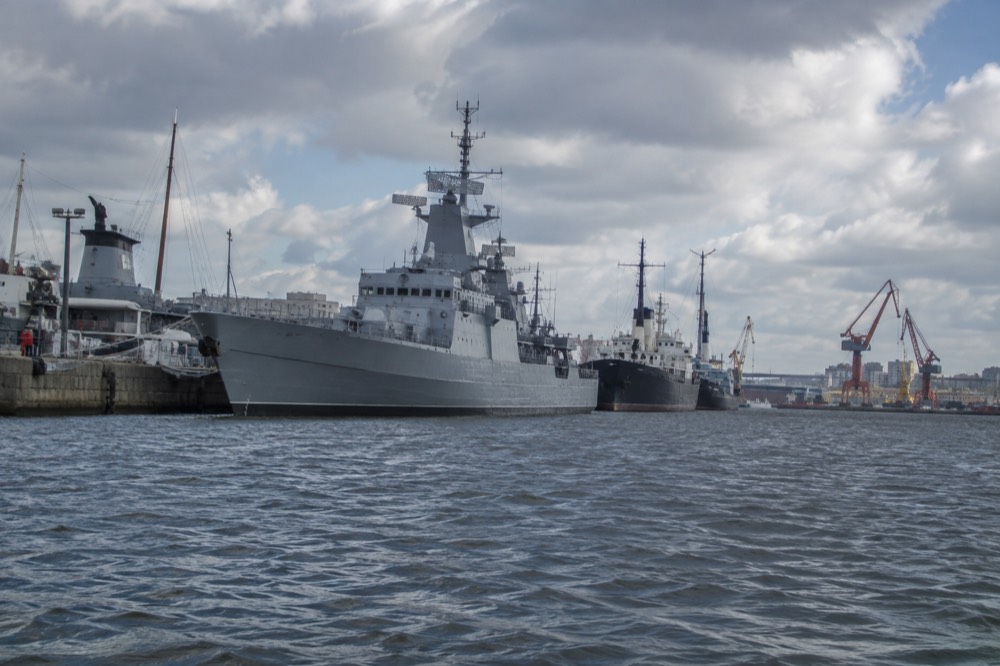
The core of Maritiman is the ships themselves: a fleet of historic vessels moored as one unit, including a Cold War-era destroyer and a mix of naval and civilian craft, most of them open to walk through from deck level down into engine rooms and crew spaces. The museum's own listing presents the fleet as its permanent collection, with the vessels tied together so visitors move between them along the quay.
Because the collection is the vessels, the visit is physical in a way few museums are. You descend ladders into machinery spaces, cross from ship to ship, and read the vessel histories where they are displayed. The museum's materials describe the fleet as spanning both military and commercial maritime history, which is the right frame: Gothenburg's port handled freight and passengers while the navy and the shipyards gave the city its industrial muscle, and the fleet reflects both sides.

We will not print a vessel count or a full ship list here, and there is a reason. Our verified facts pack for Gothenburg carries primary-source figures for Liseberg, Universeum, the art museum and the transport network, but no audited inventory for Maritiman, and a museum of real ships changes, with vessels periodically out for maintenance. The museum's own site is the source of record for what is open on the day you go, and it should be the last tab you check before setting out. What we can say firmly is the character of the visit: hands-on, outdoor, laddered, and unlike anything else in the city's museum line-up.
If the idea of ships appeals but you want the harbour from the water rather than standing on it, the city's boat sightseeing scene is strong. The classic is the Paddan canal cruise, which runs the old moat circuit from the harbour's edge, and beyond the city centre the archipelago boats run from Saltholmen on ordinary Västtrafik tickets. There are also guided harbour and archipelago trips sold as tours, and the three below are the ones our roster carries for this kind of visitor.
How Much Time Should You Spend at Maritiman?
A typical Maritiman visit runs one to two hours for a casual walk-through and up to half a day for visitors who read the displays on every vessel and go deep into the engine spaces. The museum is compact by museum standards, but the ships are explored vertically as well as horizontally, so the time cost depends on how many ladders you are willing to climb and how much of the fleet is open on the day.
That makes it one of the most flexible attractions in the city. It slots neatly into the gap between two fixed-bookings, it works as a first stop on an arrival day when you are staying near the station, and it pairs with the quayside walk along the Göta älv without any transport at all. If you are working from our two days in Gothenburg itinerary, Maritiman sits naturally in the first morning, when the harbour light is at its best and the day's bigger commitments have not started.
The honest planning advice is to treat Maritiman as weather-dependent in a way the indoor museums are not. Rain does not close the ships, but steel decks and ladders in rain are an acquired taste, and the open stretches between vessels leave you exposed. Gothenburg's climate data, from SMHI's 1991-2020 normals at the Göteborg A station, shows 912 mm of rain across 127 wet days a year, roughly one day in three. October is the wettest month at 102.9 mm and April the driest at 51.3 mm, so a spring or early-summer visit gives you the best odds of dry decks. Our best time to visit Gothenburg guide unpacks the seasons month by month.
Is Maritiman Good for Families with Kids?
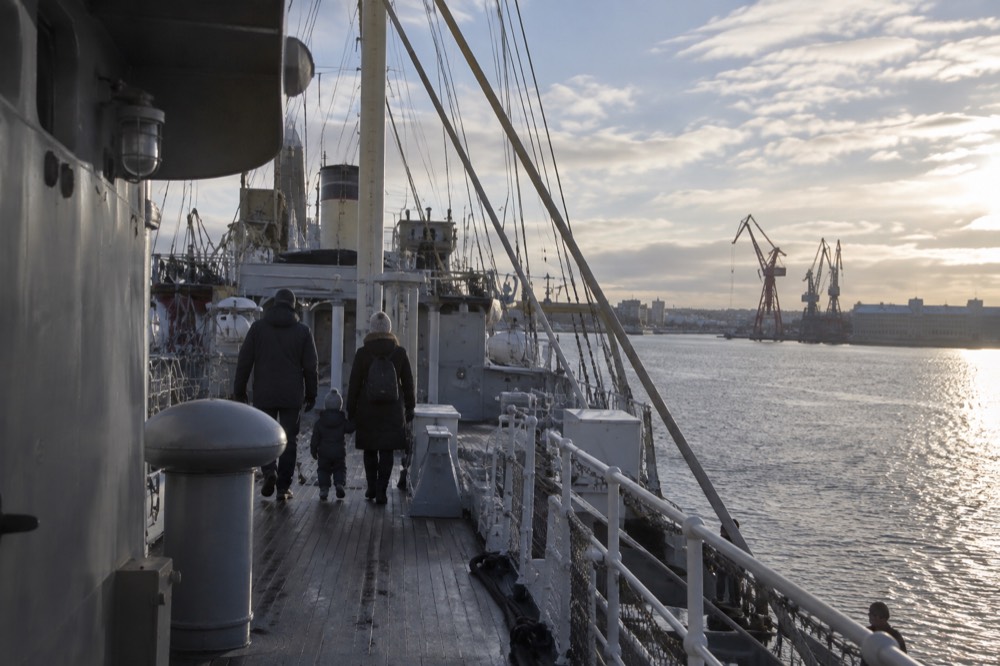
Maritiman works well for families with school-age children, because climbing through real ships, sitting at gun mounts and exploring engine rooms is exactly the kind of museum visit children remember. The caveats are physical rather than intellectual: ladders, hatches, uneven deck surfaces and open water alongside the quay mean toddlers need close supervision, and pushchairs are impractical below deck.
The museum's own materials present the fleet as an experience for visitors of all ages, and the design of a ship museum makes the case by itself. A child who is bored by display cases can spend twenty minutes working out how a hatch closes. The practical constraints are the ones to plan around: narrow stairs between decks, high sills, and the simple fact that the ships are floating objects with railings. Families with children under about five tend to enjoy the quayside view and the top decks, and to find the lower levels a carrying job.
If you are building a family day around it, the central location helps. The Universeum science centre is the city's flagship family attraction, open every day of the year from 10:00 to 18:00 with dynamically priced, time-slotted admission, and it makes a natural rainy-day counterpart to Maritiman's open-air decks. Slottsskogen park, with its free zoo, is another anchor for a family day, and our Slottsskogen park and its free zoo page covers it. Liseberg, the amusement park, is the biggest family draw of all, and its 2026 season runs 18 April to 20 September, with Halloween 2 October to 1 November and the Christmas market 14 November to 23 December, per liseberg.se. Our Liseberg rides, tickets and when to go guide has the full calendar.
For getting the harbour itself into a child's day, the amphibious bus is the novelty that fits: it drives past the quays and then drives into the river. It is one of the most-reviewed sightseeing products in our roster.
What Does Maritiman Cost and How Do the City's Passes Compare?
We do not publish a Maritiman admission price, because our verified facts pack carries no primary-source figure for it, and the museum's own site is the source of record. What we can compare is the surrounding ticket landscape: Gothenburg's museums are individually cheap, the old municipal Göteborg City Card no longer exists, and the current pass product is the Go City pass, which our roster lists from $56 with 20-plus attractions on the All-Inclusive version.
The pass landscape is where careless guides go wrong, so here is the verified state of play. The old Göteborg City Card is gone: goteborg.com, the official destination site, sells no city card at all, and gothenburgpass.com now redirects to [Go City](https://gocity.tpk.ro/HQKyKKW4). The Go City product is a different thing under different terms, and the one claim you should not repeat from older guides is that it includes public transport. That was the old municipal card's perk, and the transport inclusion for the Go City product is unverified in our facts pack, so treat it as not included until the operator's own listing says otherwise.
For context, here is how the city's major attractions price out on figures we can stand behind, all from the venues' own sites:
| Attraction | Ticket situation | Verified figure |
|---|---|---|
| Göteborgs konstmuseum | Fixed day ticket | 75 kr, free under 20 and for students |
| World of Volvo | Online tickets from 120 SEK across types | No confirmed plain adult price |
| Universeum | Dynamic pricing, booked time slot | No fixed adult price exists |
| Liseberg | Entry from 95 kr online | Entry buys zero rides; ride pass sold separately |
| Maritiman | Check the museum's own site | No verified figure in our pack |
Two of those rows deserve a flag. Liseberg's entry/ride split catches out visitors every summer: a 95 kr ticket gets you through the gate and onto nothing, and the ride pass is a separate product. And the art museum has a closure coming: Göteborgs konstmuseum closes in 2028 and reopens in 2032 for a rebuild, with intermittent blasting on the site right now, per its own pages. If maritime and art are both on your list, the art museum is the one to do sooner rather than later. Our Gothenburg Museum of Art guide carries the details.
What Else Is Within Walking Distance of Maritiman?
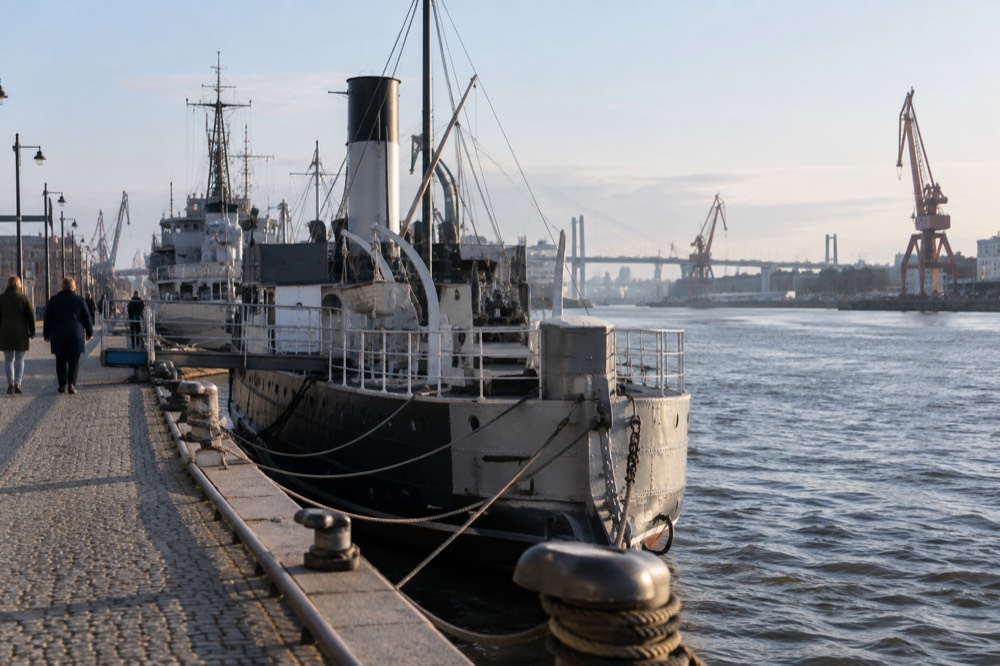
Maritiman's quayside sits in the strip of central Gothenburg that holds the opera house, the Central Station, the Nordstan shopping district and the riverside walk along the Göta älv, all within a comfortable stroll, which makes the museum one of the easiest attractions in the city to combine with something else. The harbour district itself, with its views across to Hisingen and the old shipyard cranes, is the free part of the visit.
A sensible pairing plan, using only the attractions our site covers:
| Pair with | What it is | Why it works with Maritiman |
|---|---|---|
| Gothenburg City Museum | The city's history museum | Same maritime story, told indoors in cases |
| Universeum | Science centre, rainforest and aquarium | The family fallback if the weather turns |
| Skansen Kronan | Hilltop fort above the city | The view that puts the harbour in context |
| Röhsska Museum | Design and craft museum | A different register entirely, for a slow afternoon |
| Museum of World Culture | Free-entry national museum | Cultural breadth, short hop by tram |
The hilltop forts are worth a specific mention, because they are the maritime story seen from above. Our Skansen Kronan and Gothenburg's hilltop forts page covers the fortifications the city built to guard its river mouth, and from up there you can read the harbour geography that made Gothenburg a port in the first place. Walking Haga, Klippan and the Göta älv waterfront costs nothing, which makes a Maritiman-and-forts day one of the better-value full days in the city.
Food is not a problem in this district either. The where to eat in Gothenburg guide covers the restaurant landscape, and Feskekôrka, the fish church turned food hall, reopened in 2024 with five restaurants and two fish counters inside, per the property owner Higab. It is a fitting lunch for a ship museum day, and the fika guide covers the coffee-and-cinnamon-bun ritual that follows it.
When Is the Best Time to Visit Maritiman?
The best time to visit Maritiman is a dry-weather day between late April and early September, when SMHI's normals show the city at its driest and the decks are comfortable, with April the driest month of the year at 51.3 mm of rain and the sea warming to its August peak of 18.6 C. Winter visits are possible but the experience is cold, exposed and dark, with only 6 hours 32 minutes of daylight on 21 December against 18 hours 06 minutes on 21 June.
The seasonal data is worth having in front of you because it shapes the whole visit:
| Month | Rain, mm | Days with 1 mm or more | Mean air temp, C |
|---|---|---|---|
| April | 51.3 | 8.2 | 7.7 |
| May | 54.3 | 8.8 | 12.4 |
| June | 73.7 | 10.0 | 15.7 |
| July | 81.3 | 9.8 | 18.3 |
| August | 92.8 | 11.9 | 17.7 |
| September | 80.0 | 10.8 | 14.0 |
| October | 102.9 | 12.6 | 9.0 |
Source: SMHI 1991-2020 normals, station Göteborg A (71420). Two readings people get wrong. First, Gothenburg is not the rain-sodden city of its reputation: 127 wet days a year is about one day in three, and SMHI's own national write-up puts the precipitation maxima in the western highlands and the mountains, not here. Second, the sea runs about six weeks behind the air: water temperature peaks in August at 18.6 C, not July, and September water at 16.7 C is warmer than June water at 16.2 C, per SMHI's Vinga station archive. If your ship-museum day ends with a swim off an archipelago island, September is the better month for it.
The archipelago connection is the natural extension of a Maritiman day, because the southern islands are not a day trip in the ordinary sense: they are areas of Gothenburg, reached by tram to Saltholmen and then ferry, on the same ordinary ticket. Our archipelago guide explains the routes, and a guided cruise is the low-friction version if you would rather someone else handle the timetables.
How Does Maritiman Fit a Rainy Day Plan?
Maritiman is a partly outdoor museum, so on a wet day it drops down the order and the indoor attractions move up: Universeum, the City Museum, the Röhsska and the Museum of World Culture are the reliable dry options, while Maritiman is better saved for the breaks in the weather, since the quayside stretch between ships and the deck walkways are fully exposed. The engine-room interiors, by contrast, are genuinely under cover.
That split, open decks above and covered machinery spaces below, is the practical geometry of a wet visit. A determined visitor can do the interior of the fleet in rain and skip the top-deck views. But with 102.9 mm of rain falling in an average October, the smarter move is to keep Maritiman flexible in your plan and hold firm bookings for the indoor sights. The Röhsska Museum of Design and Craft and the Museum of World Culture are both a short tram hop from the quays, and both are covered in depth elsewhere on this site.

One pairing that works in any weather is Maritiman plus the amphibious bus, because the bus covers the harbour from the road and then from the water, which is a different angle on the same river the ships are moored in. And if the rain sets in properly, the tram network will get you from the quayside to any indoor museum in the city without a long walk; the system ran 126 million journeys in 2025, per Göteborgs Spårvägar, and it is the way locals move. The Gothenburg Travel Guide site's transport pages cover tickets and zones in full.
Common Questions About Maritiman in Gothenburg
What is Maritiman in Gothenburg?
Maritiman is a floating maritime museum in central Gothenburg, Sweden: a fleet of historic ships, naval and civilian, moored together on the Göta älv waterfront and open for visitors to walk aboard and explore from the decks down into the engine rooms.
Where is Maritiman located?
Maritiman sits on the Göta älv harbour quayside in central Gothenburg, within walking distance of Göteborg Centralstation and the Gothenburg Opera. It is reachable on the city's tram network, and a single 38 kr one-zone ticket or a 125 kr 24-hour Zone A day ticket covers the ride.
How long does a Maritiman visit take?
Most visitors spend one to two hours walking the fleet, while those who explore every vessel and read the displays thoroughly can spend half a day. The visit is physical, with ladders and narrow passages between decks, so pace it to your group.
Is Maritiman suitable for children?
School-age children generally love it, because climbing through real ships is the kind of museum visit they remember. Toddlers need close supervision around ladders, hatches and railings, and pushchairs are impractical below deck.
How much does Maritiman cost?
We do not publish an admission figure, because our verified facts pack carries no primary-source price for the museum. Check the museum's own site for current tickets, and note that the old Göteborg City Card no longer exists; the current pass product is the Go City pass, which our roster lists from $56.
Is Maritiman open in winter?
Opening details change with the season and are published on the museum's own site, which is the source of record. In winter, plan around the daylight: Gothenburg gets 6 hours 32 minutes of it on 21 December, against 18 hours 06 minutes on 21 June, and the decks are fully exposed to the weather.