Kayaking the Gothenburg Archipelago: Islands, Tours and What to Know Before You Paddle
The southern archipelago is car-free, sits inside the city's own transit zone and is warm enough to swim in well past midsummer. Here is how the kayaking actually works.
Short answer
Kayaking the Gothenburg archipelago means paddling among the car-free southern islands of Styrsö, Brännö, Vrångö and Donsö, reached by tram and ferry from Saltholmen on an ordinary Västtrafik ticket. Guided kayak tours run from about $62 per person, self-guided hire from about $31, and the sea is warmest in August at 18.6 C, with September water warmer than June.
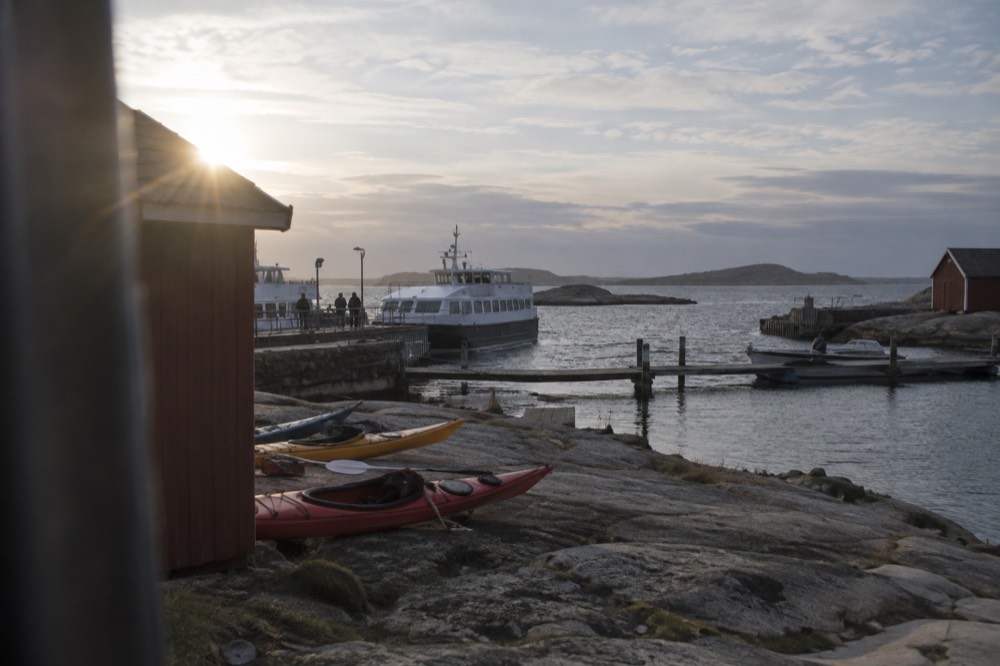
Gothenburg's southern archipelago is one of the few in Europe where you can ride a city tram to the edge of open sea, step onto a ferry with the same ticket, and land on islands where private cars are banned outright. Göteborgs Stad's own archipelago study states it plainly: the islands of the southern skerry group are "fredade från biltrafik", protected from car traffic, with exceptions only for taxi, transport services and emergency vehicles. For a kayaker that changes everything. No marinas of trailer boats, no wake, no engine noise: just granite, painted boathouses and the Kattegat.
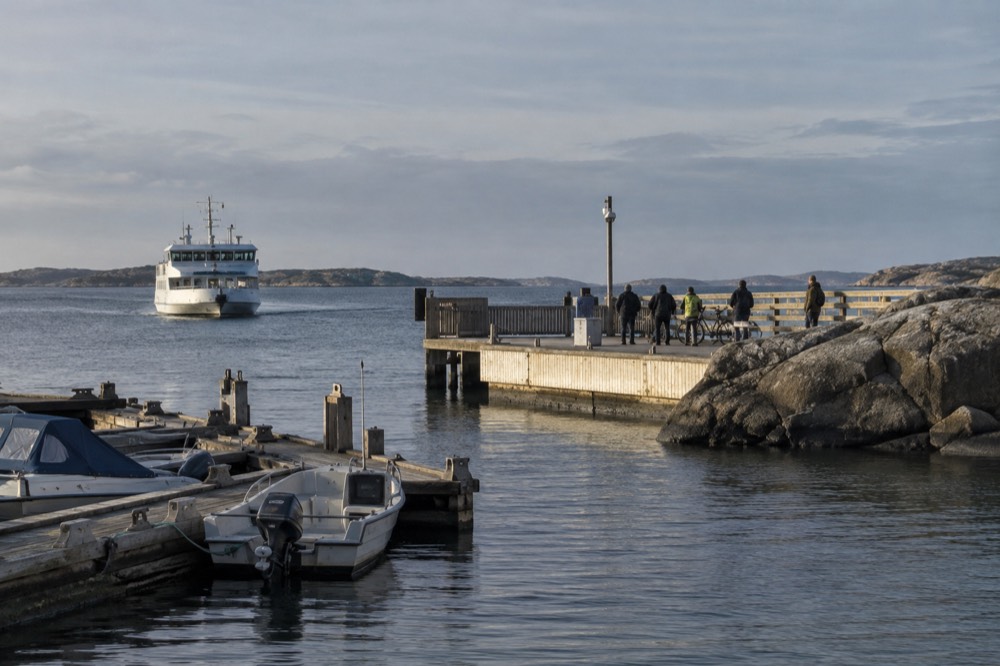
The islands are not a remote expedition, either. Styrsö, Brännö, Vrångö, Donsö, Asperö and Köpstadsö are all districts of the city of Gothenburg, Sweden, reached on Västtrafik ferries from Saltholmen, which is itself the western terminus of the tram network. Västtrafik's own material says you can ride the same ticket all the way from the centre out onto the sea, and the islands sit in Zone A. A 24-hour Zone A ticket at 125 kr covers the tram, the ferry and every island crossing in between, which makes this one of the cheapest island-hopping paddles anywhere in Scandinavia. The basics of that ticket system are covered in getting around Gothenburg by tram, and the wider island picture in the Gothenburg archipelago.
Where Can You Kayak in the Gothenburg Archipelago?
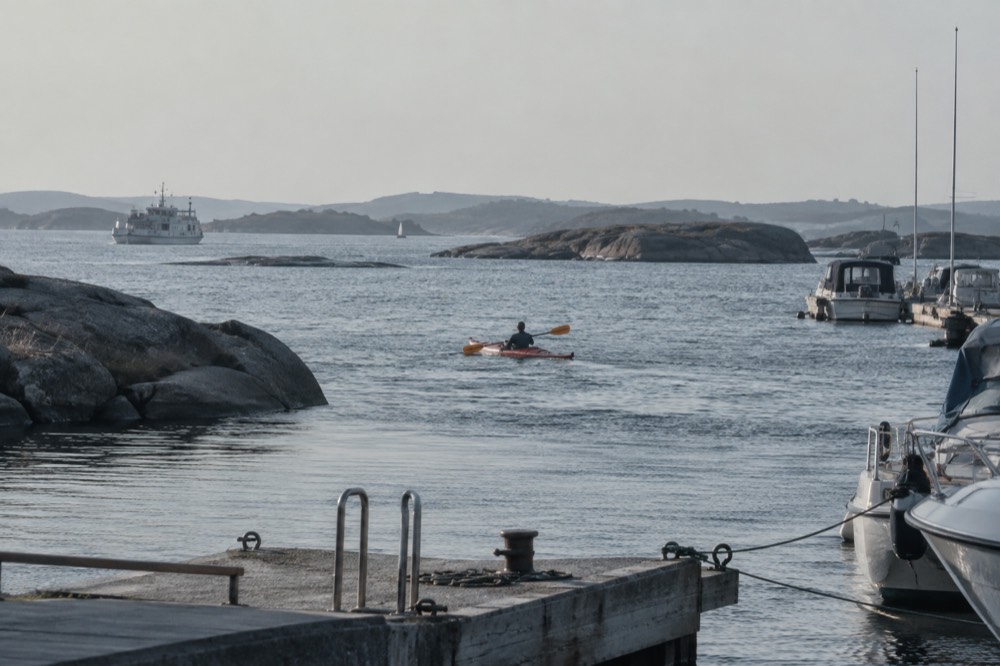
The southern archipelago, the islands of Styrsö, Brännö, Vrångö, Donsö, Asperö and Köpstadsö, is the main kayaking ground, and all of it is car-free city territory reached by ferry from Saltholmen. Sheltered channels between the islands suit beginners, while the open water south of Vrångö is genuinely exposed sea. Operators also run guided paddles through central Gothenburg on the Göta älv and around the northern Öckerö islands.
The southern islands are the classic choice. Brännö and Styrsö sit close together with narrow, sheltered sounds between them, and Vrångö at the southern end is where the shelter runs out and the Kattegat begins. The paddling here is tidal-free, mostly shallow near shore and broken up by so many small skerries that you can almost always find a lee side. Donsö and Asperö, with their working fishing harbours, give you a different feel: boats, nets drying and a genuine island village rather than pure nature.
The northern archipelago, Öckerö, Hönö and Björkö, is a separate paddling world with a different character: larger islands, some car traffic, and a ferry from Lilla Varholmen on Hisingen. It is covered in detail in the guide to the northern archipelago. For a first visit, most operators and most paddlers default south.
Guided options cluster in two places: the islands themselves and the city centre. The roster on this site lists a City Kayak Tour (2 hours, from $62 per person, rated 4.9 from 81 reviews) that paddles the Göta älv past the shipyards, and self-guided kayak hire in central Gothenburg from $31 per person for two hours, rated 4.8 from 41 reviews, if you want to warm up on flat harbour water before committing to the open skerries.
When Is the Best Month to Kayak the Gothenburg Archipelago?
The sea at the archipelago's Vinga station peaks at 18.6 C in August, not July, and September water at 16.7 C is actually warmer than June water at 16.2 C, so late summer and early autumn are the best paddling months, not Midsummer. February is the coldest month at 2.7 C, and April water is only 7.1 C, which is drysuit territory. Air temperature peaks in July at 18.3 C.
This is the fact that rearranges most people's plans. The instinct is to book a June paddle, close to Midsummer, when the daylight is nearly endless: on 21 June the sun is up 18 hours 6 minutes, and civil twilight runs from 02:58 to 23:30, leaving barely three and a half hours of true night. But the sea runs about six weeks behind the air. Water that has been at 2.7 C in February does not reach its peak the moment the beaches fill up.
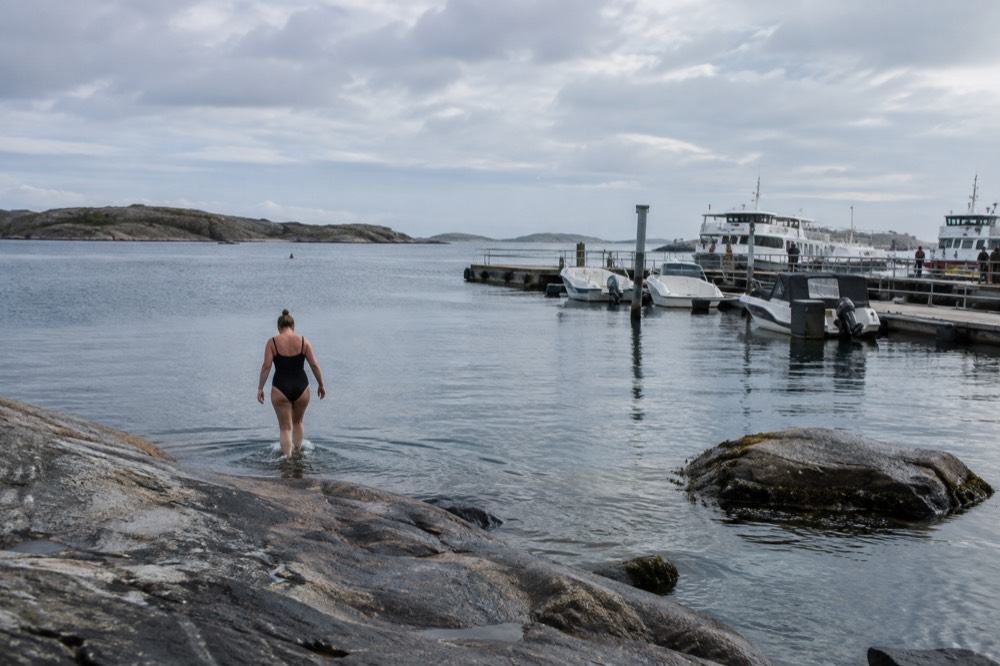
The figures come from SMHI's oceanographic archive at the Vinga lighthouse station, built from 61,749 quality-controlled hourly observations. For a kayaker they read like this:
| Month | Mean sea temp | What it means for paddling |
|---|---|---|
| May | 11.6 C | Cold-water gear required, short paddles |
| June | 16.2 C | Pleasant but not the warmest month |
| July | 18.3 C | Peak air month, water still climbing |
| August | 18.6 C | Warmest water of the year |
| September | 16.7 C | Warmer than June, emptier islands |
| October | 12.8 C | Season winding down, windier |
September deserves a special mention. The water is warmer than June, the ferries are quieter and the light is still long. The trade-off is weather: SMHI's 1991-2020 normals for the Göteborg station put October as the wettest month of the year at 102.9 mm, with April the driest at 51.3 mm, and rain falls on about 127 days a year, roughly one day in three. That reputation for constant drizzle is overstated, but it is not invented. The full rainfall picture, including why SMHI does not call Gothenburg Sweden's rainiest city, is published in the SMHI knowledge bank on the 1991-2020 normal period. More on timing in the best time to visit Gothenburg.
How Do You Get to the Southern Archipelago with a Kayak?
You take tram 9 or 11 to Saltholmen, the western terminus of the network, then a Västtrafik ferry to whichever island you are starting from, all on one Zone A ticket: a 24-hour ticket costs 125 kr for an adult and covers tram, ferry and every island in the group. There is no car access at all, the islands are protected from car traffic by city ordinance, so nobody drives to a put-in.
Saltholmen is the whole hinge of the system. Göteborgs Spårvägar describes its own network as running from Mölndal in the south to Angered in the north and from Saltholmen in the west to Kålltorp in the east, which tells you the tram and the boat are treated as one continuous thing. Västtrafik's zone map shows the archipelago ferry lines with ordinary line numbers inside Zone A, the same zone as the city centre. The fare details are published on Västtrafik's Zone A day-ticket page, which states the 125 kr price and the zone's coverage of Göteborg, Mölndal, Partille and Öckerö.
| Leg | What you use | Covered by Zone A ticket? |
|---|---|---|
| City centre to Saltholmen | Tram to the western terminus | Yes |
| Saltholmen to Styrsö, Brännö, Donsö | Västtrafik archipelago ferries | Yes |
| Saltholmen to Vrångö, Asperö, Köpstadsö | Västtrafik archipelago ferries | Yes |
| Island to island | Same ferry network | Yes |
The practical detail that matters: if you are hiring kayaks on an island rather than bringing your own, you do not need to carry anything on the ferry at all. Local operators meet paddlers at the island jetties. If you are bringing your own boat, ferries carry kayaks at the crew's discretion and space is limited in summer, so travel outside the worst midday rush. The 125 kr day ticket and the wider fare system are explained properly in the tram and ticket guide.
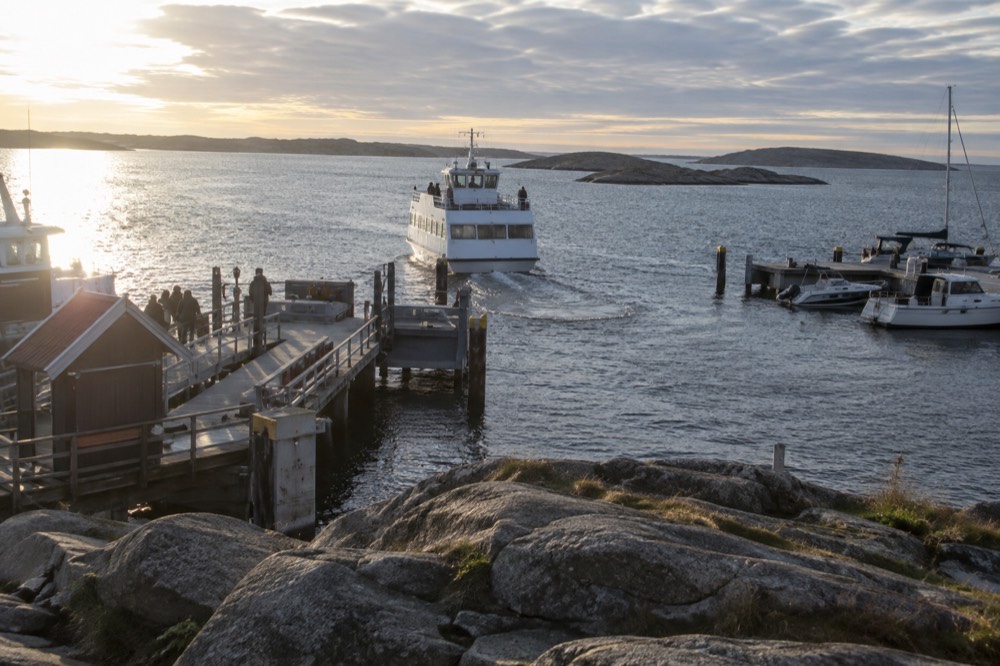
Not every visitor wants to paddle at all, and that is a reasonable position. The same islands that make good kayaking make an excellent boat trip, and the roster here includes a guided archipelago cruise that covers the southern islands in 2.5 hours from $44 per person, rated 4.4 from 1,488 reviews, with commentary and no wetsuit required. It is the same water, seen from a heated deck.
Guided Kayak Tour or Self-Guided Hire: Which Should You Choose?
A guided tour is the right call for anyone new to sea kayaking or new to the archipelago, because the guide handles the route, the weather call and the ferry timings, and guided paddles in the city start from about $62 per person. Self-guided hire from about $31 per person suits confident paddlers who already know what a crosswind does to a loaded kayak. On open water the difference is not comfort, it is safety.
The honest framing is this: the sheltered sounds between Brännö and Styrsö are forgiving, but the southern archipelago is real sea, and conditions can change inside an hour. A guide who paddles these waters weekly knows which channels go flat in a westerly and which skerries give a genuine lee. The listing for the guided City Kayak Tour states a 2-hour format with equipment included; the self-guided hire listing covers the boat, paddle and buoyancy aid for the same period. Everything else covered here is indexed on Gothenburg Travel Guide.
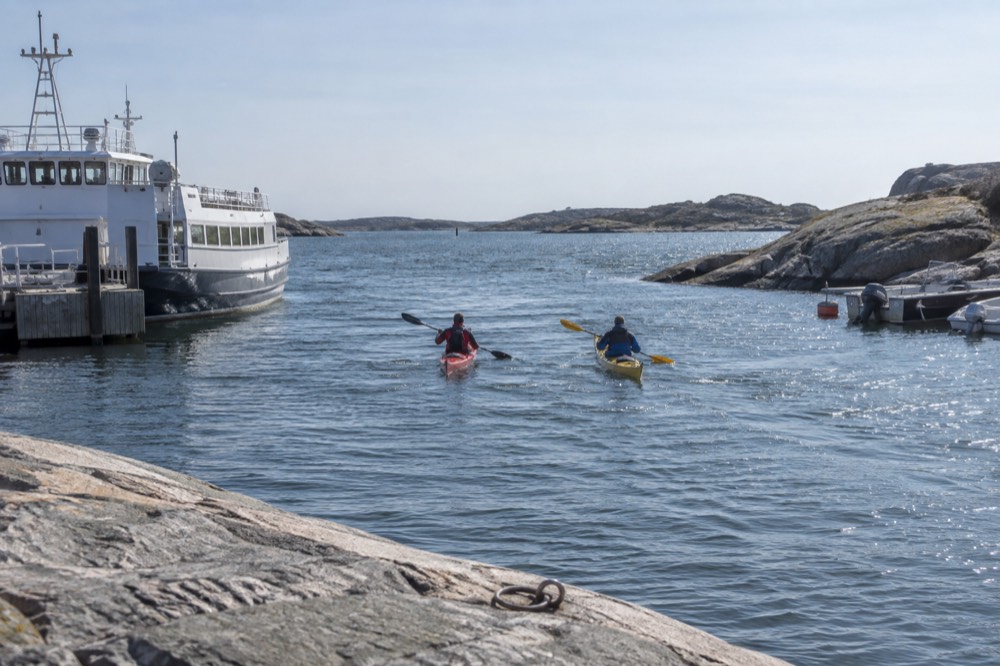
There is also a middle path worth naming. Some paddlers hire a boat in the city, spend an afternoon on the Göta älv getting used to the boat, then join a guided island paddle the following day. That sequence costs a little more but it removes the two biggest first-day problems: unfamiliar equipment and unfamiliar water. It also spreads the trip across two ferry rides, which on a fine day is no hardship at all.
| Option | Typical price | Best for | Watch out for |
|---|---|---|---|
| Guided kayak tour, city | from $62 per person | First-timers, short trips | City water, not islands |
| Self-guided hire, city | from $31 per person | Confident paddlers | You make every judgement call |
| Guided island hiking tour | from $103 per person | Bad-weather fallback | Not a paddle |
| Archipelago cruise with guide | from $44 per person | Seeing the islands dry | Not a paddle either |
Prices and ratings here come from the tour listings themselves; check the live listing for the current figure before booking. The Brännö and Galterö guided hiking tour in the table is the rainy-day fallback: 8 hours on foot with fika included, from $103 per person, and a reminder that the archipelago rewards legs as much as paddles. For the wider question of what a Gothenburg trip costs overall, see is Gothenburg expensive.
Is Kayaking the Gothenburg Archipelago Safe for Beginners?
Yes, in the right conditions and the right channels, the sounds between the close-in islands are shallow, sheltered and free of motor traffic, and guided tours take complete novices out regularly. The open water south and west of the islands is a different proposition: cold water, fast weather and few landing places, which is why guides turn back early rather than push crossings. A buoyancy aid is not optional here.
The number that should anchor every safety decision is the water temperature, not the air temperature. Even in August, at a mean of 18.6 C, a capsize a kilometre from shore is a serious event, and in May at 11.6 C it is an emergency. Swedish paddling culture is built around that fact: drysuits or thick wetsuits outside high summer, a buoyancy aid always, and a rule of staying close enough to shore that you could swim your boat in if everything went wrong.
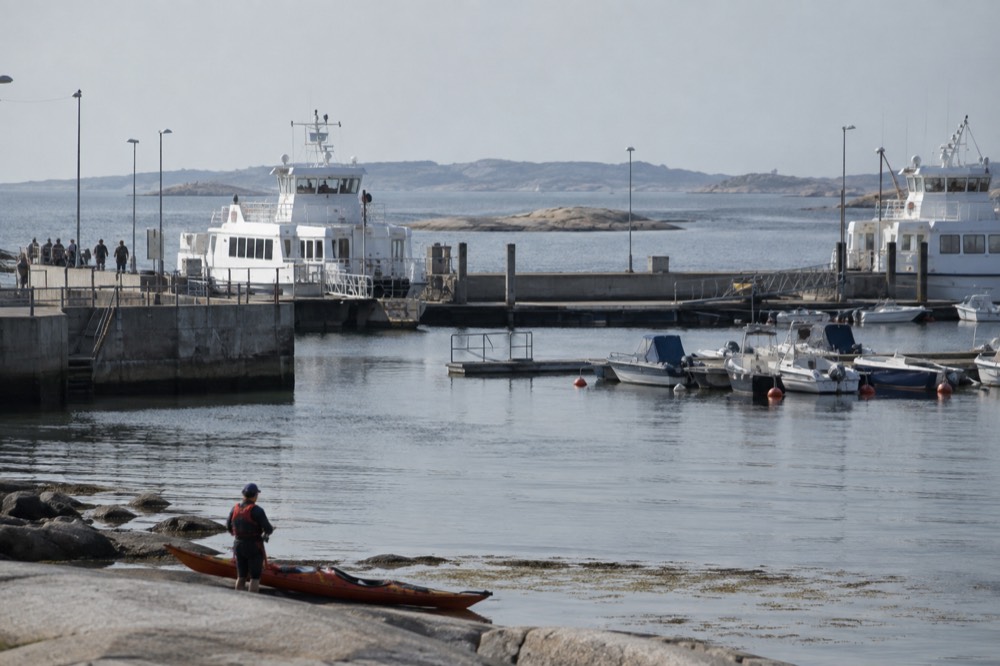
Three practical rules for this specific archipelago. First, check the SMHI forecast for Vinga, not the city: the lighthouse station's readings tell you what the open water is doing, and the city can be calm while the skerries are not. Second, paddle the inner sounds before the outer ones: Brännö to Styrsö is a gentle first hour, Vrångö's western side is not. Third, respect the ferry lanes around Saltholmen and the island jetties; the boats are predictable but big, and a kayak sits low.
For anyone who wants the sea experience without the responsibility, the alternatives are strong. The sailing experience with a local skipper runs 4 hours from $138 per person and is rated 5 from 9 reviews, and the archipelago sauna boat cruise combines a wood-fired sauna with cold-water dips, 4 hours from $344 per person. Cold-water swimming and sauna culture is its own topic, covered in cold water swimming and sauna in Gothenburg.
What Should You Pack for a Day of Archipelago Paddling?
Pack for cold water even in summer: a wetsuit or quick-dry layers, a windproof shell, a buoyancy aid, a dry bag with spare clothes, a thermos, water, snacks, a charged phone in a waterproof case and a paper map or chart of the islands. Sun protection matters more than people expect, because the summer days run to over 18 hours and the light reflects off flat granite and water.
The archipelago has almost no shops. Vrångö and the smaller islands have at most a summer kiosk, and opening hours on islands are a law unto themselves. Assume you buy nothing after you leave the mainland. The islands' car-free status means everything moves on foot or by bike, so whatever you carry on the ferry is what you have on the water.
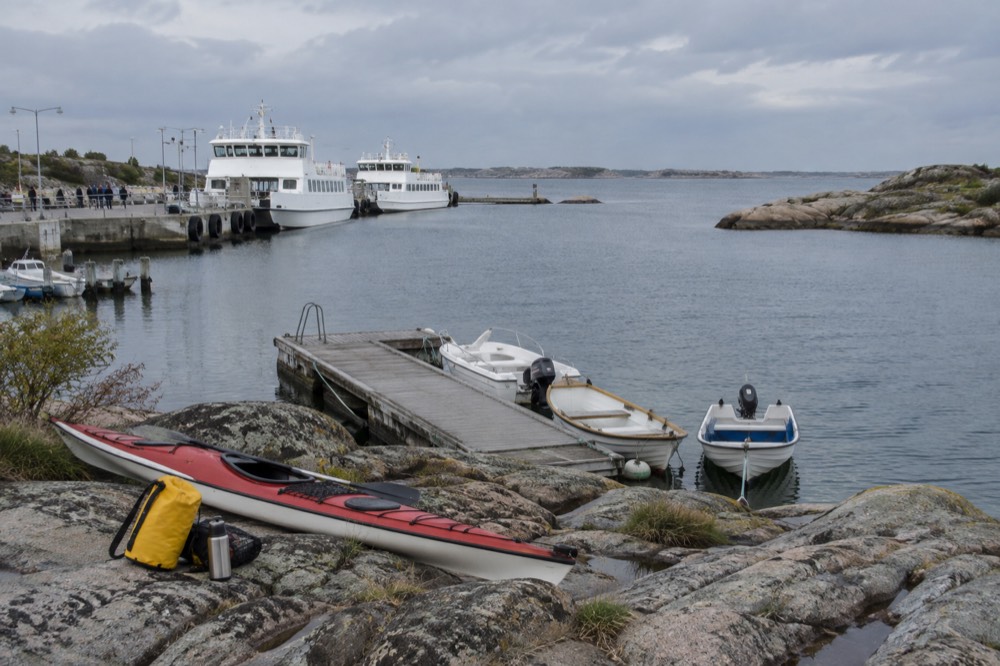
A short list, in priority order: buoyancy aid (provided by every hire operator on the roster), waterproof layer, one full spare clothing set in a dry bag, a litre of water per person minimum, food that survives a wet bag, a phone in a float case, and a hat for both sun and wind. In May, June before midsummer, and anything after early October, add neoprene. The season-by-season packing detail, including what winter paddling demands, is in what to pack for Gothenburg and Gothenburg in winter.
One more thing that belongs in the plan: fika. The archipelago café culture is real, and a paddling day that ends without a cinnamon bun on a jetty has missed something. How the whole institution works is explained in fika in Gothenburg.
Common Questions About Kayaking the Gothenburg Archipelago
Can you kayak to the Gothenburg archipelago islands yourself?
Yes. The islands are car-free city districts reached by tram and ferry from Saltholmen, and several operators hire kayaks on the islands themselves. If you bring your own boat, the ferry crews carry kayaks at their discretion and space is limited in peak summer.
How much does it cost to kayak in Gothenburg?
Self-guided kayak hire in central Gothenburg starts at about $31 per person for two hours, and guided kayak tours start at about $62 per person. Getting to the islands costs a Västtrafik Zone A ticket, 125 kr for 24 hours, which covers the tram and the ferries together.
When is the sea warmest in the Gothenburg archipelago?
August, at a mean of 18.6 C, measured at SMHI's Vinga station. September water, 16.7 C, is warmer than June water, 16.2 C, so early autumn paddling is warmer than the Midsummer classic.
Do you need a wetsuit to kayak the archipelago?
Outside July, August and early September, yes. May water averages 11.6 C and October 12.8 C, and a capsize at those temperatures becomes dangerous quickly. In high summer, quick-dry layers and a buoyancy aid are the minimum.
Are the Gothenburg archipelago islands a day trip?
No, and this is the point most guides get wrong. The southern islands, Styrsö, Brännö, Vrångö, Donsö, Asperö and Köpstadsö, are areas of the city of Gothenburg inside Västtrafik Zone A, reached on an ordinary ticket. Marstrand and the Bohuslän coast are the day trips.
Is kayaking the archipelago suitable for beginners?
The sheltered sounds between the inner islands are, and guided tours take novices out regularly. The open water south of Vrångö is exposed sea and should only be paddled with experience or a guide.
Gothenburg Travel Guide covers the rest of the island system too, including swimming and beaches in Gothenburg and which archipelago island to visit, if the paddle has convinced you to stay longer.