Hidden Gems in Gothenburg, Sweden: The Places Most Visitors Never Find
Gothenburg keeps its best corners quiet. This guide covers the viewpoints, small museums, islands and neighbourhoods that most itineraries skip, all checked against primary sources.
Short answer
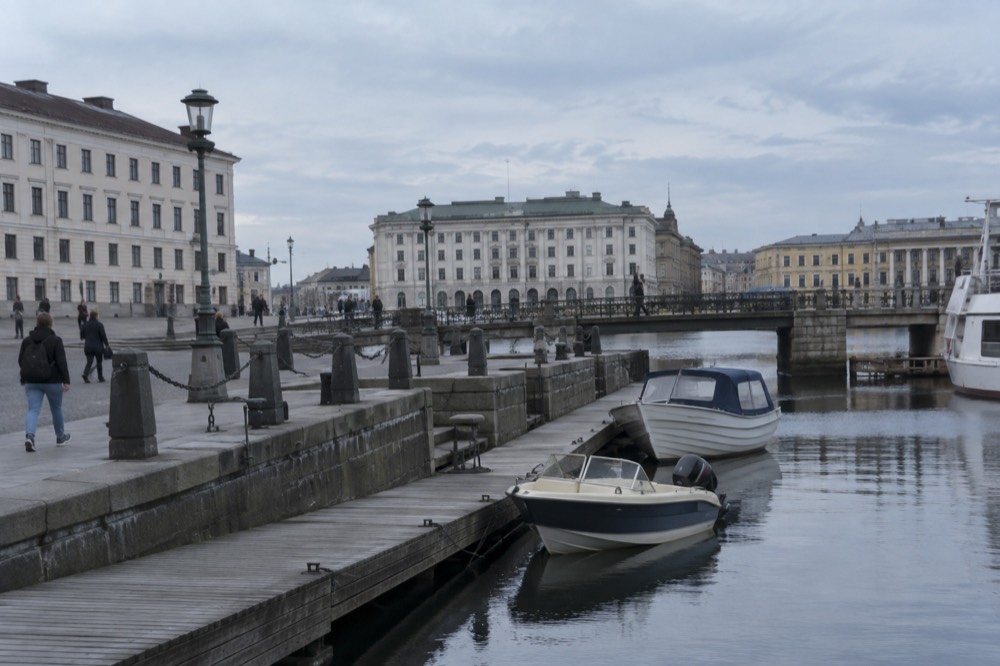
Gothenburg's hidden gems cluster in four places: the western harbourside of Majorna and Röda Sten, the hilltop forts of Skansen Kronan and Ramberget, the small museums around Haga and Vasastan, and the car-free southern archipelago islands, all reachable on an ordinary 125 kr Västtrafik day ticket.
Gothenburg's population passed 613,274 at the end of 2025, according to the city's own population report, and the city recorded over six million commercial guest nights that year, its strongest ever. Yet most of those visitors compress themselves into a corridor running from Avenyn to Haga and never turn west toward the harbour. The city's tourism data shows international guest nights growing about 15 percent in 2025, which means the familiar sights are getting busier while the places two tram stops away stay almost empty. This guide is about those places.
The definition of a hidden gem here is strict. A place qualifies if it is inside the city's ordinary transport zones, costs little or nothing to enter, and is consistently missing from the standard first-day itinerary. Every fact below comes from the venue, the transport authority or the city itself, and where a price is dynamic or unpublished, the guide says so rather than inventing a number.
What Are Gothenburg's Hidden Gems Beyond the Main Sights?
The genuinely overlooked corners of Gothenburg are the Röda Sten arts centre under the Älvsborg Bridge, the Klippan harbour village, the Skansen Kronan hilltop fort, the Vasastan stone streets, the reopened Feskekôrka food hall, and the car-free southern archipelago islands, and every one of them sits inside Västtrafik Zone A, so a single 125 kr 24-hour ticket covers the tram, the bus and the ferry out to sea.
That last clause is the one that changes itineraries. Västtrafik's own network map shows the archipelago ferries from Saltholmen as ordinary Zone A lines, so the boats are not a tourist excursion with a separate fare but a commuter route the city happens to run into the ocean. Göteborgs Stad's planning documents confirm the islands are "fredade från biltrafik", protected from car traffic, which is why they feel like a different country rather than a suburb.
The hidden-gems logic of the city is geographic. The tourist core sits east of the Göta älv. The gems sit west of it, in Majorna, on Hisingen, and out in the Kattegat. A visitor who crosses the river once doubles the city they see.
Start with a structured overview before committing to any single district:
| Hidden gem | Where | What it is | Cost to enter |
|---|---|---|---|
| Röda Sten Konsthall | Under the Älvsborg Bridge, Klippan | Contemporary art in an old boiler house | Small admission, check the venue |
| Skansen Kronan | Haga hilltop | 17th-century crown fort with a free view | Free to walk up |
| Klippan | West bank of the Göta älv | Historic harbour village, wooden buildings | Free to wander |
| Feskekôrka | Rosenlundsgatan | 1874 fish hall reopened 2024 as a food hall | Free entry, pay for food |
| Vasastan | North of Haga | Stone streets, student cafes, quiet squares | Free |
| Saltholmen ferries | Tram 9 terminus | Car-free islands in Zone A | Ordinary Västtrafik ticket |
If you want a guided introduction to the layout before exploring alone, a small-group city tour is a reasonable first morning. covers the city in an unusual way, by road and then by water, which gives you the river geography that explains where all these districts sit relative to each other.
Which Gothenburg Neighbourhoods Do Tourists Miss?
The three neighbourhoods that reward a detour are Majorna, the second-hand quarter west of the centre where painted wooden landshövdingehus line the hills; Vasastan, whose stone streets and student cafes sit five minutes north of Haga; and Lindholmen on Hisingen, the waterfront district where the shipyard cranes still stand over new offices, and all three are ordinary tram rides from Göteborg Centralstation with no special ticket needed.
Majorna is the one that locals defend hardest. The district grew as housing for dockworkers and fishermen, and its wooden buildings, painted in the deep green and falu red of the west coast, survived the twentieth-century rebuilds that flattened much of the city centre. The streets run steeply toward the harbour, and the second-hand shops along the way make it the city's best browsing quarter. Göteborgs Stad's own neighbourhood pages describe it as one of the city's most distinct areas.
Vasastan sits on higher ground, its name from the stone apartment blocks that give it a heavier, more Stockholm-like feel than the wooden quarters to the south. The student population from nearby institutions keeps the cafes full and the prices honest. It is the quietest of the three and the easiest to combine with Haga, since you simply keep walking uphill.
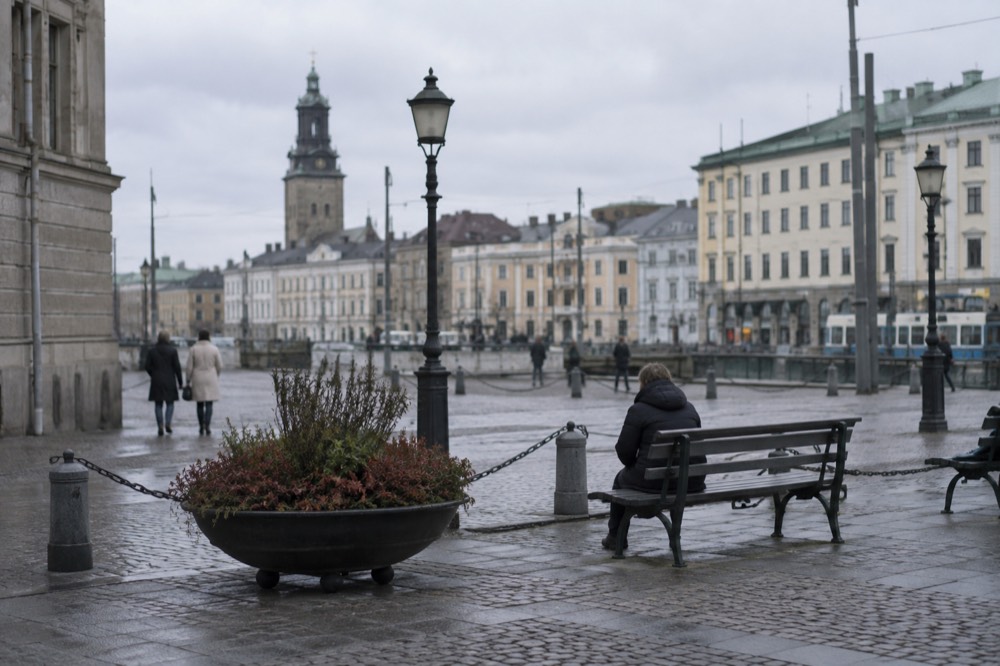
Klippan, technically part of the Röda Sten area, is the smallest and strangest of the three. It was the city's original harbour settlement, predating the Dutch-engineered town itself, and its wooden buildings cluster around a quiet inlet directly beneath the Älvsborg Bridge. The contrast of the massive bridge overhead and the tiny cottages below is the single most photographed non-tourist scene in the city, and the walk from Järntorget through Majorna to reach it takes about half an hour at a browsing pace.
A guided walk compresses the learning curve. is led by someone who grew up in the city, and the operator's listing frames it around the history and culture a native would point out, not the guidebook script.
For orientation before you branch out, the getting around guide explains the zone system that makes all of this affordable, and where to stay in Gothenburg helps if you would rather sleep in Majorna than near Avenyn.
Where Can You Find Gothenburg's Best Views Without the Crowds?
The best uncrowded viewpoints in Gothenburg are the ramparts of Skansen Kronan above Haga, the rocky summit of Ramberget on Hisingen, the tower of Masthuggskyrkan whose hillside church steps overlook the harbour, and the seaward end of Brännö island in the archipelago, and all four are free, with the first three reachable by tram and the fourth by tram plus the Zone A ferry from Saltholmen.
Skansen Kronan is the classic. The crown fort was built in the late seventeenth century as part of the city's defences, and the walk up through Haga's wooden quarter is part of the reward. The view from the ramparts takes in the rooftops of the old town, the harbour and, on a clear day, the archipelago out west. The hilltop forts guide covers the opening arrangements, since the interior tower has limited hours even though the hill itself never closes.
Ramberget is the local's choice. The rock sits at the centre of Hisingen, and the viewpoint at its top, reached by a short path from the Keillers park entrance, looks over the north harbour, the shipyards and the river mouth. It is the skyline view that appears in Gothenburg-made films rather than tourist brochures. The Ramberget guide explains which bus lines serve the park gates.
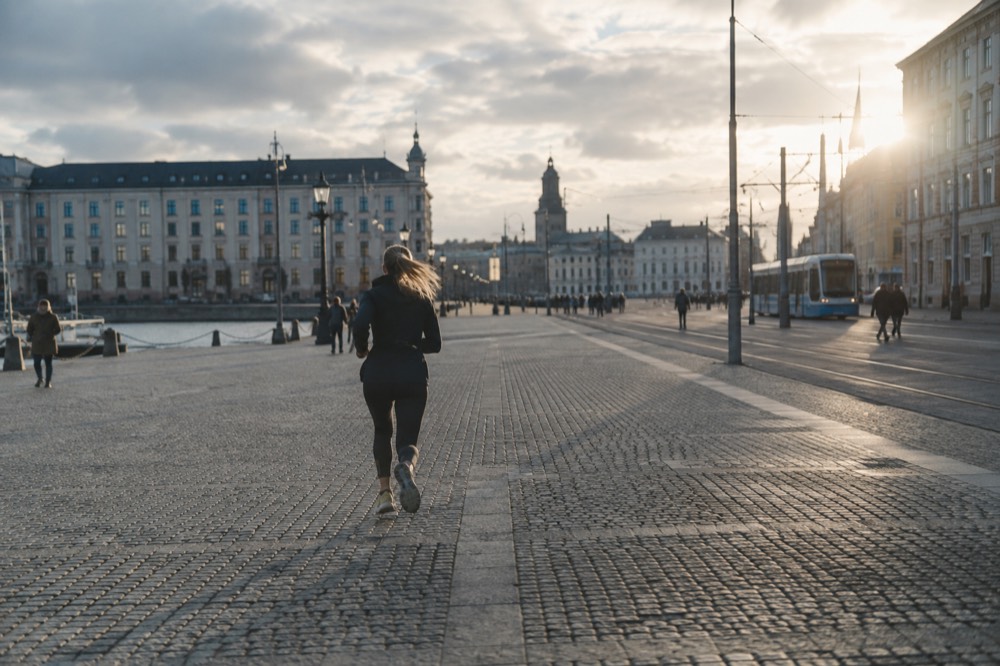
Masthuggskyrkan is the easiest of the four, a church on the Majorna hillside whose stone steps face straight down the harbour channel. Sunset from those steps, with the ferries leaving for the islands, costs nothing.
The fourth view is the outlier. Brännö, in the southern archipelago, is a car-free island whose western shore faces open sea. SMHI's oceanographic archive, drawn from the Vinga lighthouse station, records the sea there peaking at 18.6 C in August and holding 16.7 C into September, warmer than June's 16.2, so the seaward beaches are at their best after most Swedish holidays end. The islands are covered in detail in the Gothenburg archipelago guide.
Which Small Gothenburg Museums Are Worth Your Time?
The small museums that punch above their weight are the Röhsska Museum of design and craft on Vasagatan, the Gothenburg City Museum in the former East India Company house, the floating Maritiman ship museum, and the Röda Sten contemporary art hall, and the Röhsska and City Museum both sit within a ten-minute walk of each other, while Maritiman sits at the harbour's edge beside the opera house.
The Röhsska is the design pick. Its collection spans Swedish and international craft, textiles and design, and its building on Vasagatan is itself one of the city's finer pieces of architecture. The Röhsska guide covers current exhibitions and admission.
The City Museum occupies the building where the Swedish East India Company ran its trade with Asia, and its exhibits tell the story of the city from the Dutch-engineered moat onward. For a hidden-gems itinerary it pairs naturally with the cathedral and Inom Vallgraven guide, since both sit inside the original town plan.
Maritiman is the unusual one: a floating fleet of moored ships, destroyers and submarines you walk aboard rather than past. The Maritiman guide explains which vessels are open.
| Museum | Focus | District | Notes for visitors |
|---|---|---|---|
| Röhsska | Design and craft | Vasastan edge | Small, allow 1-2 hours |
| Gothenburg City Museum | City history | Inom Vallgraven | East India Company building |
| Maritiman | Floating ships | Harbour, near opera | Board the vessels |
| Röda Sten Konsthall | Contemporary art | Klippan, under the bridge | Combine with the Klippan walk |
| Museum of World Culture | Global cultures | Linné, near universitetet | Free entry, check current shows |
One timing note matters more than any single museum. Göteborgs konstmuseum, the city's major art museum at Götaplatsen, has published its own plan to close in 2028 and reopen in 2032 for a rebuild, and the museum currently warns of intermittent blasting near the building. The museum of art guide has the current admission, 75 kr for a single visit with free entry for under-20s, but anyone planning a trip around 2028 or later should check the museum's own pages first. The full museums guide keeps the whole list current.
What Secret Spots Does the Gothenburg Archipelago Hide?
The archipelago's quietest corners are the car-free islands beyond the main ferry stops, including Vrångö, the southernmost inhabited island with open heathland and a long sandy cove; Köpstadsö, a tiny island where residents haul their boats ashore on wooden rollers instead of using a harbour; and Galterö's grazing meadows behind Brännö, and every one of them is served by the ordinary Västtrafik ferries from Saltholmen on the same Zone A ticket as the tram that gets you there.
The rollers of Köpstadsö are the archipelago's most photogenic oddity. The island has no proper harbour wall, so each household stores its boat on land and rolls it down to the water on wooden tracks when needed. Göteborgs Stad's archipelago planning documents treat these islands as ordinary parts of the city, which is exactly how they function: the ferry carries commuters, schoolchildren and pensioners, and a visitor with a day ticket is simply another passenger. More of these guides are collected on Gothenburg Travel Guide.
Vrångö is the far end of the line and the one that feels most like open country. The island's heathland covers much of its area, and the walk from the ferry slip to the western beach takes about twenty minutes on footpaths. The southern archipelago guide covers each island in detail, and how to get to the Gothenburg archipelago explains the Saltholmen connection, where the tram terminus meets the ferry terminal.
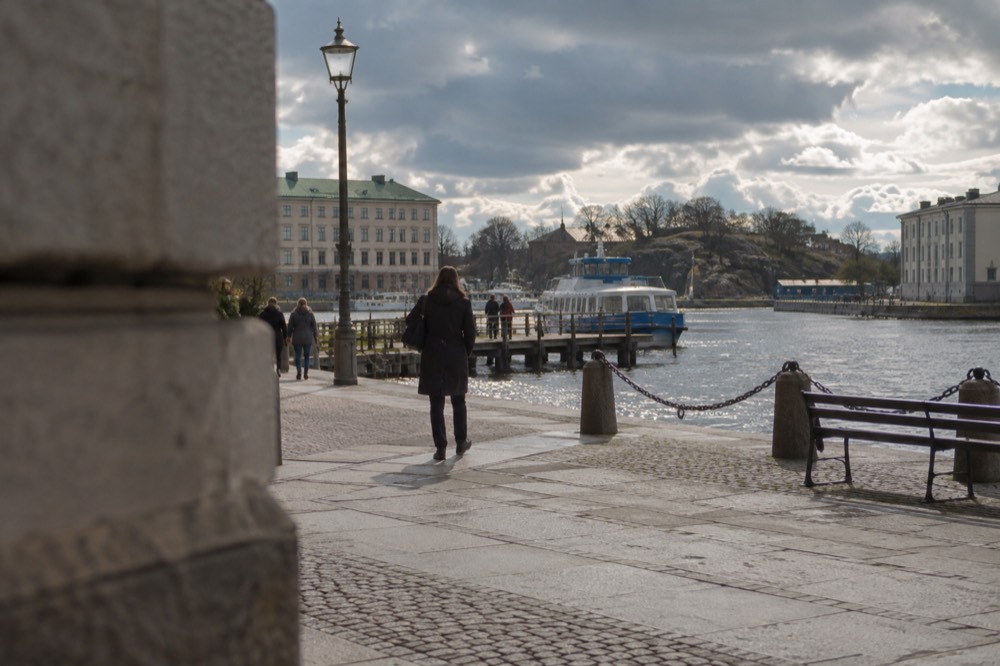
Swimming is part of the point. SMHI's corrected archive for the Vinga station, built from tens of thousands of quality-controlled hourly readings, puts February as the coldest month at 2.7 C with a record low of -1.2, the brackish Kattegat water freezing below zero. By contrast, September's mean of 16.7 C beats June's 16.2 C, a fact that surprises nearly everyone who books a summer trip. The swimming and beaches guide covers where to get in.
A guided cruise gives the geography in one pass if the ferry timetables feel intimidating. runs a two-and-a-half-hour loop with commentary, rated 4.4 from 1,488 reviews on the operator's listing, and it is a sensible first look before you start riding the commuter ferries on your own.
| Island | Character | Getting there | Time from Saltholmen |
|---|---|---|---|
| Asperö | Small, forested, quiet lanes | Zone A ferry | Short hop |
| Brännö | Grazing meadows, music traditions | Zone A ferry | About 30 min |
| Styrsö | Largest of the south islands, several hamlets | Zone A ferry | About 30 min |
| Donsö | Fishing village, harbour life | Zone A ferry | About 40 min |
| Vrångö | Heathland, long sandy cove, far end of line | Zone A ferry | About 50 min |
| Köpstadsö | Boat rollers, no harbour wall | Zone A ferry | Short hop |
Where Do Locals Eat and Drink Away from Avenyn?
The local food streets are the Linné strip along Linnégatan, where the cafe density peaks; the Långgatorna running parallel through Vasastan and Majorna, where the bars and small kitchens sit side by side; and the Feskekôrka food hall on Rosenlundsgatan, which reopened in 2024 as a hall of five restaurants plus two fish counters rather than the fish-only market of older guidebooks.
Feskekôrka, the fish church, is the fact most guides get stale. The building dates from 1874 and Higab, the municipal property owner, records its reopening in 2024 after renovation, the same year it turned 150. Its own site now lists fish counters Ebbes Fångst and Flåtens Fiskhandel alongside restaurants Haldis Kök, Pråmenaden, Victor von G, Lilla Åstol and Ekmans. A guide that tells you it is closed for renovation, or that it only sells raw fish, is a decade out of date. The Feskekôrka guide covers what to eat there.
The Linné and Långgatorna strips are where the city actually goes out. The Linné guide maps the streets, and where to eat in Gothenburg plus the fika guide cover the rest of the city's food geography.
One rule matters if you plan to buy beer for a picnic on one of those islands. Under Alkohollag (2010:1622), the Swedish alcohol statute, beer over 3.5 percent ABV is starköl and may only be sold by Systembolaget, the state monopoly. Supermarkets stock only folköl at or under 3.5 percent, and the shelf version of a familiar brand is often a weaker reformulation of the same beer. Systembolaget's exact hours vary by store and are not published as a single national schedule, so check the specific store page before relying on a Sunday visit, which is a safe bet to fail.
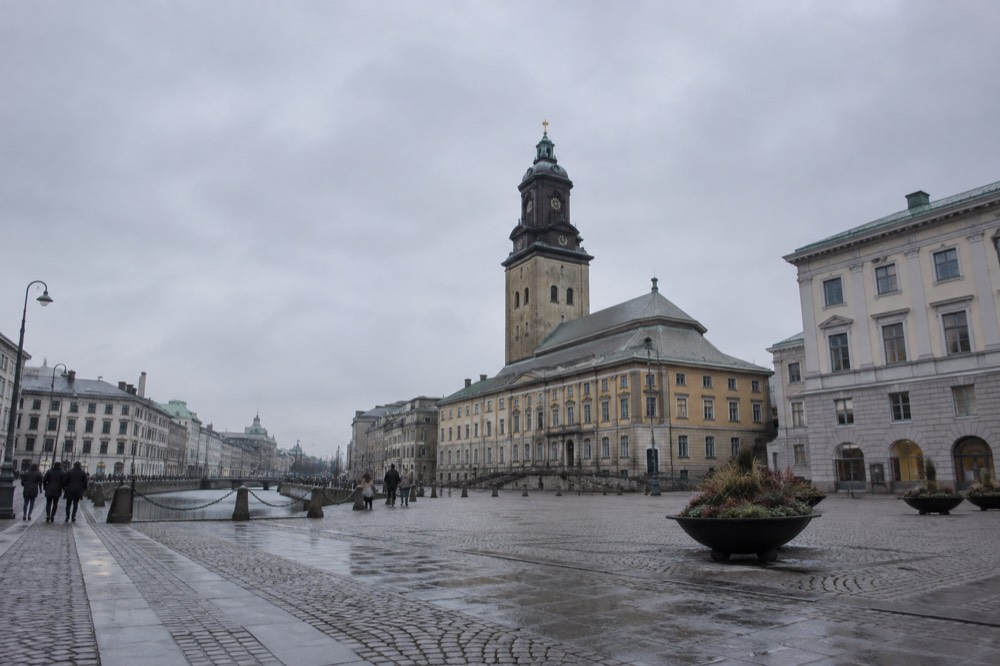
For a guided angle on the food side, walks the west coast food scene with tastings, rated 4.8 from 17 reviews on the listing, and the free walking tours on GuruWalk, including the city's history and gastronomy walk rated 5 from 63 reviews, are tip-based options that cost nothing up front.
What Hidden Green Spaces Does Gothenburg Keep Quiet?
The green spaces locals keep to themselves are Slottsskogen's wooded west end beyond the zoo lawns, the Garden Society of Gothenburg's palm house and park on the other side of the moat, the Änggårdsbergen hills behind the botanical garden, and the meadow paths of Delsjön's lake country, and the first three are free to enter while Delsjön doubles as the city's swimming and sauna lake in summer.
Slottsskogen is no secret in name, but its western half is. Most visitors stop at the free zoo enclosures near the main entrance, while the woods beyond, with their network of paths climbing toward the botanical garden, stay quiet even on weekends. The Slottsskogen guide covers the animal park and the free entry that makes it the city's best budget outing, featured too in free things to do in Gothenburg.
The Garden Society, Trädgårdsföreningen, is a walled park squeezed between the canal and the avenue, and its palm house is one of the finest glass structures of its era anywhere in Sweden. The garden society guide covers it.
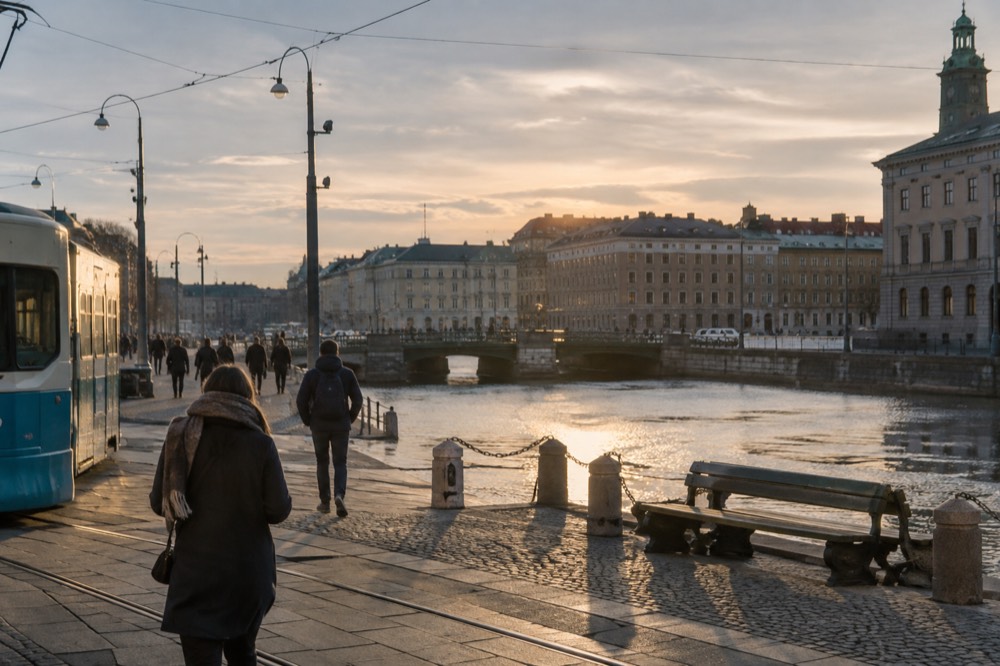
Änggårdsbergen is the hill country behind the botanical garden, a nature reserve of heath and old-growth pine that feels far from a city of 613,274 people. The botanical garden guide explains how the two connect, since the garden's back gate opens onto the reserve's paths.
Delsjön, the pair of lakes east of the centre, is where the city swims. The cold-water swimming and sauna culture there is covered in the sauna and cold bath guide, and the lake's forest loop is a genuine half-day walk reachable by tram.
How Do You Reach Gothenburg's Hidden Gems Without a Car?
You reach every gem in this guide by tram, bus or ferry on a Zone A ticket, which costs 125 kr for 24 hours or 38 kr for a single adult ride, and because the southern archipelago sits inside Zone A, the same day ticket covers the tram to Saltholmen and the ferry out to the islands, while a car is actively useless on the car-free islands and Saltholmen parking is the known pain point that makes the tram the better plan.
Västtrafik's fare table lists the single at 38 kr for one zone and the 24-hour Zone A ticket at 125 kr, the same price in the app or a shop. Zone A covers Göteborg, Mölndal, Partille and Öckerö, which includes the northern archipelago as well as the southern one. One warning about a current headline: a temporary state subsidy has halved the price of 30-day period tickets, Zone A adult from 890 to 445 kr, but it does not apply to the 24-hour and 72-hour tickets visitors actually buy. Transport is not half price for a tourist.
The trams themselves are the experience. Göteborgs Spårvägar reports 126 million journeys in 2025, and its own annual report describes a network of twelve lines over 188 km of single track, reaching from Saltholmen in the west to Angered in the north. Line 9 or 11 to Saltholmen is the archipelago route; the rest of the gems in this guide sit on lines radiating from Brunnsparken.
| Gem | Transport | Line or route | Ticket |
|---|---|---|---|
| Majorna and Klippan | Tram | Lines toward Saltholmen via Järntorget | Zone A single or day |
| Skansen Kronan | Tram plus walk | To Haga, then uphill on foot | Zone A |
| Ramberget | Bus or tram to Hisingen | Across the bridge, then Keillers park | Zone A |
| Feskekôrka | Tram or walk | Rosenlundsgatan, near Järntorget | Zone A |
| Southern archipelago | Tram plus ferry | Tram to Saltholmen, ferry onward | Same Zone A ticket |
| Delsjön | Tram | Toward Törsdalen or Delsjöbaden stops | Zone A |
For the arrival logistics, Gothenburg Landvetter Airport to the city centre covers the Vy flygbussarna coach, which Swedavia states takes 20 minutes, and notes that there is no rail link to the airport at all. If you are weighing how much time all this needs, how many days do you need in Gothenburg gives a realistic minimum, and best time to visit Gothenburg covers the seasons, including the fact that October, at 102.9 mm of rain, is the city's wettest month while April, at 51.3 mm, is its driest.
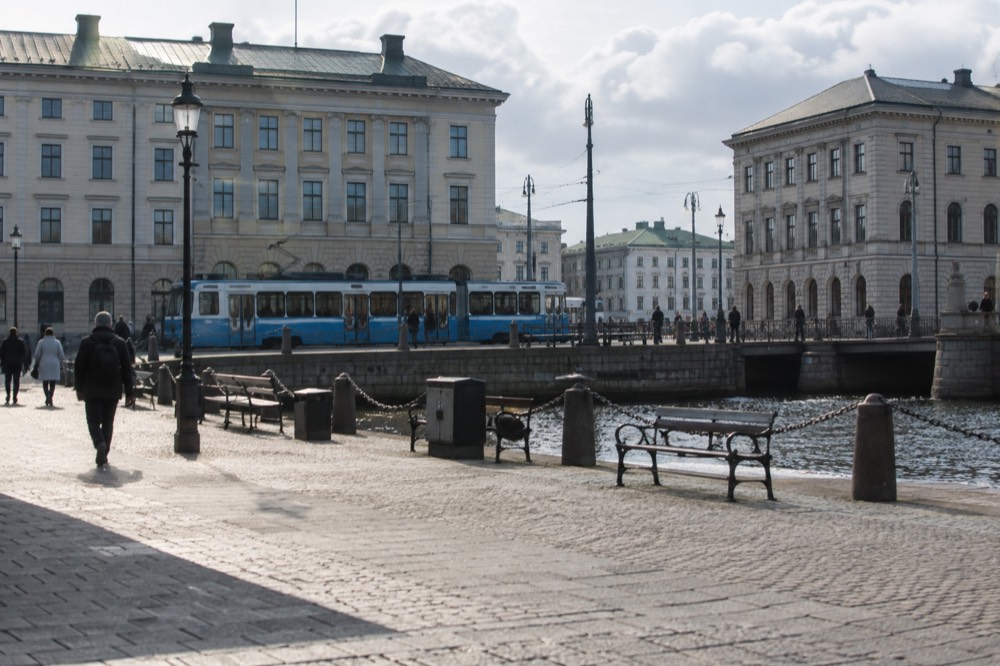
The honest summary is that Gothenburg's hidden gems are not hidden by secrecy. They are hidden by geography, on the wrong side of the river or the wrong end of the tram line, and the Zone A ticket removes that excuse for the price of a lunch.
Common Questions About Hidden Gems in Gothenburg
Is the Gothenburg archipelago really part of the city?
Yes. Styrsö, Brännö, Vrångö, Donsö, Asperö and Köpstadsö are areas of the city of Göteborg, served by Västtrafik ferries from Saltholmen on an ordinary Zone A ticket. They are not day trips, and private cars are banned on the islands.
What is the best free viewpoint in Gothenburg?
The ramparts of Skansen Kronan above Haga cost nothing and give the widest view over the old town and harbour. Ramberget on Hisingen is the local alternative, with a skyline view over the shipyards and river mouth.
Is Feskekôrka open?
Yes. The fish church reopened in 2024 after renovation, and it is now a food hall with two fish counters and five restaurants, not the fish-only market older guidebooks describe.
Do I need a car for Gothenburg's hidden gems?
No. Every place in this guide is reachable by tram, bus or ferry within Zone A. A car is banned on the southern archipelago islands and parking at Saltholmen is the known bottleneck, so the tram is the better option.
Which Gothenburg museums are free?
The Museum of World Culture offers free entry, Skansen Kronan's hilltop is free to walk, and Göteborgs konstmuseum is free for visitors under 20 and for students with ID. The city museum and Röhsska charge admission; check each venue's current page before visiting.
When is the best time for the quieter corners of Gothenburg?
April is the driest month of the year at 51.3 mm of rain, and September sea temperatures, 16.7 C at the Vinga station, are warmer than June's, which makes early autumn the strongest season for island walks and swimming. October is the wettest month, so pack accordingly if you come then.