What Are Some Must-See Places in Gothenburg, Sweden?
The must-see places in Gothenburg, Sweden: Haga, Liseberg, the southern archipelago, Feskekorka, the museums and the canal, with current dates, prices and how to reach each one.
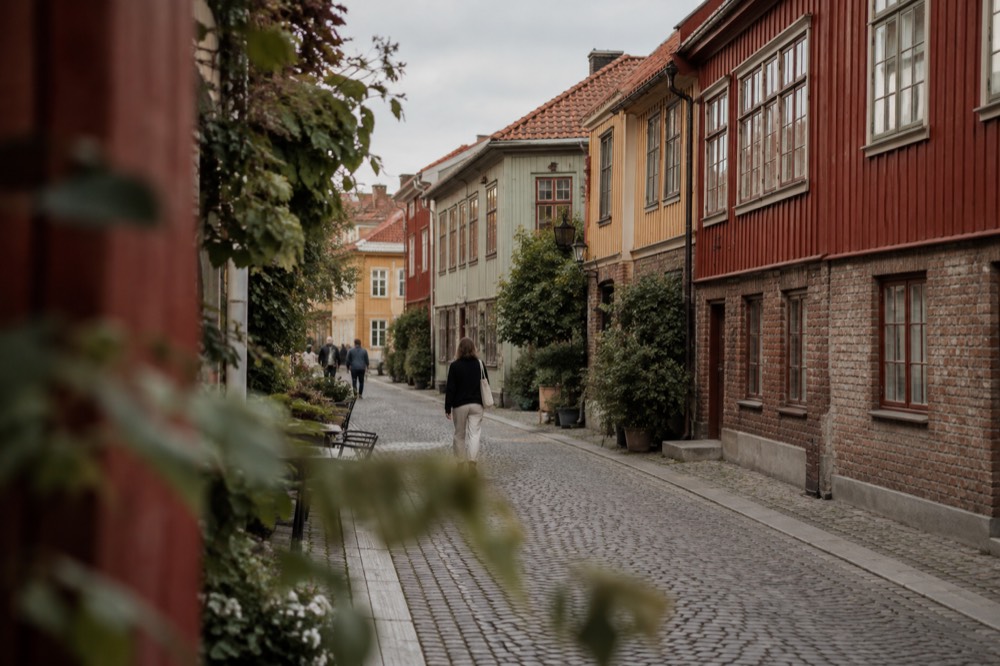
Gothenburg, Sweden's second city, sits at the mouth of the Göta älv where the river meets the Kattegat, and its must-see places follow that geography: a moated old core laid out by Dutch engineers, granite ridges, shipyard cranes, and a string of car-free islands that are formally districts of the city itself. Göteborgs Stad puts the population at 613,274 at the end of 2025, and the city recorded over 6 million commercial guest nights that year, a record, so the question of what to actually see is worth answering with current facts rather than inherited lists. Several of the most repeated "must-sees" in older guides are wrong or outdated: the Volvo Museum closed permanently in December 2023, and Göteborgs konstmuseum has a closure year already scheduled. This page runs through the places that genuinely define the city, with the dates and prices each one is currently working to, and it is part of the wider coverage at Gothenburg Travel Guide.
What Are the Must-See Places in Gothenburg, Sweden?
The must-see places in Gothenburg, Sweden are the wooden old quarter of Haga, the Liseberg amusement park, the southern archipelago islands reached by tram and ferry from Saltholmen, the reopened Feskekôrka food hall, the Göteborgs konstmuseum and Avenyn stretch at Götaplatsen, and the harbour and canal itself, best understood from the water. Every one of these sits inside Västtrafik Zone A, which means a single 125 kr 24-hour ticket covers the trams and the archipelago ferries together.
That list is deliberately short. Gothenburg rewards depth over checklist tourism, and the items above are the ones a first-time visitor would genuinely regret missing. The table below gives the shape of each one before the sections that follow unpack them.
| Must-see place | What it is | Current fact to know |
|---|---|---|
| Haga | 17th-century wooden-house quarter | Free to wander, cobbled and compact |
| Liseberg | Scandinavia's most-visited amusement park | Summer season 18 April to 20 September 2026; closed late Sep to mid-April |
| Southern archipelago | Car-free islands, city districts | Ordinary Västtrafik ticket covers the ferries |
| Feskekôrka | Fish-church-shaped food hall | Reopened 2024 with five restaurants |
| Götaplatsen and Avenyn | Museum and boulevard spine | Konstmuseum closes in 2028, reopens 2032 |
| The harbour and canal | The reason the city exists | Several boat tours run from Kungsportsplatsen |
The one structural thing to understand before planning: Gothenburg's tram network is the backbone of the whole visit. Göteborgs Spårvägar reports 12 lines, 134 stops and 188 km of single track as of its 2022 annual report, and 126 million journeys in 2025. Almost every must-see on this list is a short tram ride from another one, and the archipelago ferry terminal at Saltholmen is itself the western terminus of the tram network. More on tickets and zones is in how to get around Gothenburg, and the broader case for the city is made in is Gothenburg in Sweden worth visiting.
Why Is Haga One of the Must-See Places in Gothenburg?
Haga is Gothenburg's oldest surviving working-class quarter, laid out in the 17th century just outside the city moat, and it holds the largest concentration of landshövdingehus in the city: timber-grounded, brick-upper houses built after a fire ban on wooden upper floors. Its cobbled pedestrian strip, Haga Nygata, is lined with second-hand shops, cafés and the city's most photographed cinnamon buns, and the quarter climbs uphill to Skansen Kronan, a 17th-century hilltop fort with a panorama over the rooftops.
The quarter is small enough to walk in an hour and dense enough to fill a morning. The landshövdingehus style is unique to western Sweden: because city fire rules banned wooden buildings above the ground floor, builders put one storey of stone or brick at street level and wooden floors above, which gives Haga its distinctive two-tone façades. Café Husaren on Haga Nygata claims the oversized "hagabullen" cinnamon bun as its signature, and the queue outside is usually the first thing a visitor sees.
Above the quarter sits Skansen Kronan, one of two hilltop forts built in the late 17th century to guard the young city. It is free to walk up to, and the view from the rampart platform takes in the whole old town grid, the harbour cranes and, on a clear day, the archipelago. Haga pairs naturally with a walk down to the canal and the Rosenlund strip, where Feskekôrka stands, which is covered further down this page.
Haga also anchors a cluster of neighbouring quarters worth folding into the same walk: Vasastan's stone streets and student cafés to the east, and Majorna's second-hand shops downhill toward the river. The Majorna free walking tour on GuruWalk, tip-based and rated 4.77 from 234 reviews, covers that district's history in about an hour and a half if you want a guide's frame for it.
Is Liseberg a Must-See Place in Gothenburg?
Liseberg is the most-visited attraction in Gothenburg and one of the largest amusement parks in Scandinavia, with roughly 2.5 million park guests in 2025 according to Liseberg AB's own annual report, and for most visitors it is a genuine must-see. But it is a seasonal one: the summer season runs 18 April to 20 September 2026, Halloween runs 2 October to 1 November, the Christmas market runs 14 November to 23 December, and the park is otherwise closed.
The pricing structure is the detail that catches people out. Liseberg's own ticket page states that entry and rides are sold separately: an Entré ticket starts at 95 kr online and gets you through the gate and onto nothing, while the combined Entré + Åkpass starts at 365 kr and the ride pass alone starts at 310 kr. Children under 110 cm enter free. Liseberg is not sold on any booking platform, so tickets come from liseberg.se directly, and online prices are lower than the on-site ones.
New for summer 2026 is Stormvåg, a family attraction, and the park's Grand Curiosa Hotel has been open since 2023. The Oceana water park, destroyed by fire in February 2024 before it ever opened, is planned to open in early 2027. If the park is a priority, the season calendar matters more than anything else on this page, and is Liseberg worth visiting works through the seasons in detail.
Can You See Gothenburg's Must-See Sights from the Water?
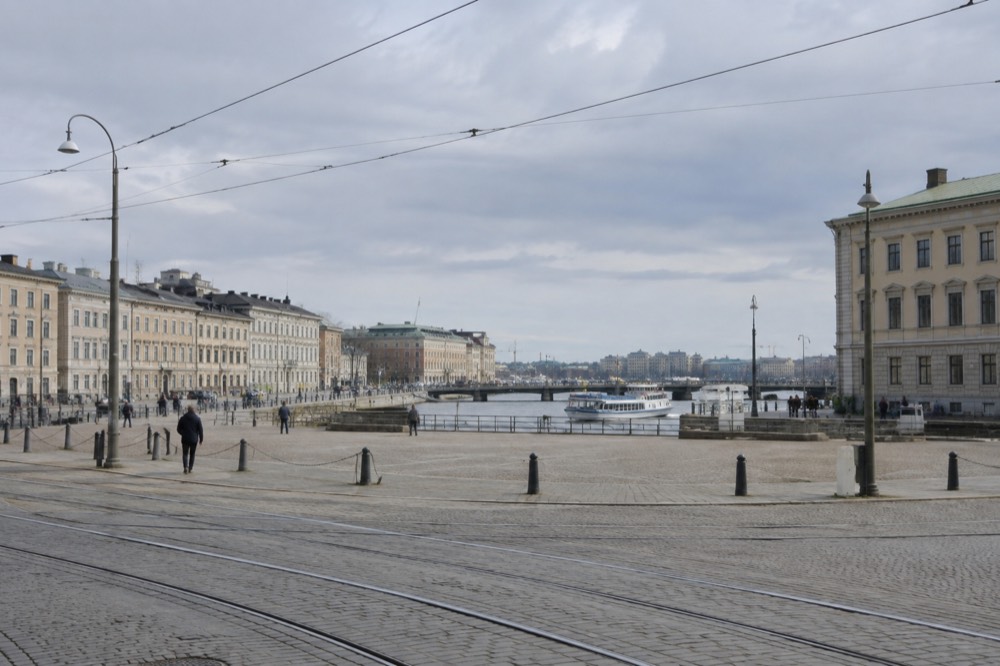
Yes, and you should, because Gothenburg was built on and around water: the Dutch-engineered moat still defines the old town, the 17th-century canal cuts through the centre, and the harbour is the reason the city exists at all. The classic introduction is the Paddan canal boat from Kungsportsplatsen, which passes under low stone bridges and out into the harbour, and the amphibious land-and-water bus covers the same territory with a drive through the city first, rated 4.7 from 4,326 reviews on its listing.
The canal route is not decorative. The Paddan boats run on the Säveån and the old moat, and the low bridges force a heads-down moment that is genuinely part of the experience; the listing shows that cruise rated 4.6 from 105 reviews. The 50-minute city canal sightseeing cruise, rated 4.7 from 783 reviews, is the shorter version. All of these depart from the city centre, so they slot easily into a first day.
The amphibious bus deserves its slot on a must-see itinerary for a practical reason: in one hour it drives past Avenyn, Götaplatsen and the harbour, then drives into the water, which is the fastest way to understand how the city's land and sea pieces connect. For a visitor with only a day, the question of how many days in Gothenburg is enough usually resolves into one land day and one water day.
Is the Southern Archipelago a Must-See Part of Gothenburg?
The southern archipelago, the car-free islands of Styrsö, Brännö, Vrångö, Donsö, Asperö and Köpstadsö, is the single most distinctive must-see in Gothenburg, because these are not day trips: they are areas of the city, reached by ordinary Västtrafik tram and ferry on a normal ticket, with private cars banned by the city. A 125 kr 24-hour Zone A ticket covers the tram to Saltholmen and every ferry across to the islands, which is the best-value single fact about visiting Gothenburg.
The islands sit inside the city's own fare zone, and Västtrafik's own zone map shows the ferry lines carrying Västtrafik line numbers alongside the trams. Göteborgs Stad's own archipelago study states that the islands are "fredade från biltrafik", protected from car traffic, with only taxi, färdtjänst and emergency services on the roads. That means the island experience is footpaths, bicycles, wooden jetties and granite, and the village cores on Styrsö and Brännö feel decades away from Avenyn despite being 30 minutes from it.
Swimming is part of the draw, and the sea-temperature data is counterintuitive. SMHI's quality-controlled observations from the Vinga lighthouse station show the sea peaks in August at 18.6 °C, not July, and that September water at 16.7 °C is warmer than June water at 16.2 °C. February is the coldest month at 2.7 °C. So a September dip in the archipelago is warmer than a June one, which is the opposite of what most visitors book. The full picture is in is it worth visiting the Gothenburg archipelago.
If you would rather see the islands from a boat than sleep on one, the guided archipelago cruise, rated 4.4 from 1,488 reviews, runs 2.5 hours through the southern archipelago with a guide on board, and there are versions with lunch or with Swedish fika included. The islands themselves cost nothing beyond the ferry ticket, which makes them the anchor of any budget itinerary.
Which Museums Are Must-Sees in Gothenburg?
The must-see museums in Gothenburg are Göteborgs konstmuseum for its Nordic masters, Universeum for its rainforest and aquarium halls, and World of Volvo, which replaced the old Volvo Museum after that museum closed permanently in December 2023. Two timing facts matter: Göteborgs konstmuseum is scheduled to close in 2028 and reopen in 2032, and Universeum prices admission dynamically with a booked time slot, so there is no fixed published adult price to quote.
Göteborgs konstmuseum stands at the head of Avenyn on Götaplatsen and holds around 70,000 works, drawing about 250,000 visitors a year. A day ticket is 75 kr, free for anyone under 20, and the Hasselblad Center is included in the admission. Its own rebuild page states the closure plan plainly: the museum closes in 2028 and reopens in 2032, and the museum currently warns of intermittent blasting near the building. If Nordic art is a reason for your trip, go before 2028.
World of Volvo, at Lyckholms Torg 1, is the successor to the Arendal museum, and its own site says so explicitly: after the Volvo Museum closed its doors in December 2023, World of Volvo took over as the place where Volvo's history continues. Exhibition tickets start from 120 SEK online, and the Torslanda factory tour runs from 175 SEK on weekdays. Do not let an older guide send you to Gustaf Larsons Väg in Arendal; that building is no longer a museum.
| Museum | Admission | The fact that matters |
|---|---|---|
| Göteborgs konstmuseum | 75 kr day ticket, free under 20 | Closes 2028, reopens 2032 |
| Universeum | Dynamic pricing, book a time slot | Open every day 10:00 to 18:00 |
| World of Volvo | Exhibition tickets from 120 SEK online | The old Volvo Museum closed in 2023 |
Universeum, the science centre beside Liseberg, is open every day of the year from 10:00 to 18:00, cashless, and includes all exhibitions, activities, shows and guided tours in admission, with only the Wisdome dome shows sold separately. Children under 3 enter free but need their own ticket. Because pricing is dynamic and busy slots sell out, booking ahead is the practical advice; the entry ticket sold through this site's tour listing is one way to do that.
Is Feskekôrka a Must-See in Gothenburg?
Feskekôrka, the fish-market hall shaped like a church on Rosenlundsgatan, is a must-see for anyone interested in Gothenburg's food culture, and it changed shape in 2024: the building reopened after renovation as a food hall with two fish counters and five restaurants, not the fish-counter-only market older guides describe. Built in 1874, the building turned 150 the same year it reopened, and its current tenants are listed on its own site.
The hall's fish counters are Ebbes Fångst and Flåtens Fiskhandel, and the restaurants are Haldis Kök, Pråmenaden, Victor von G, Lilla Åstol and Ekmans. Lilla Åstol is seasonal and states it reopens in spring. The building's nickname, the "fish church", comes from its pointed timber roof, which resembles a church steeple, and it sits a short walk from the Rosenlund canal arm where the Paddan boats pass.
Gothenburg's seafood reputation is the reason this hall exists at all, and the wider food picture, from shrimp sandwiches to oyster safaris, is covered in what food is Gothenburg famous for. For a sit-down version of the same culture, the Swedish Westcoast food walking tour, rated 4.8 from 17 reviews, works the markets and counters with a guide.
When Should You Visit Gothenburg's Must-See Places?
The best window for Gothenburg's must-see places is late April through September, when Liseberg is open, the archipelago ferries run at full frequency and the sea is at its warmest, and within that window September is an underrated pick: SMHI's data shows September sea temperature at 16.7 °C, warmer than June's 16.2 °C, and the October rain peak of 102.9 mm has not yet arrived. April is the driest month of the year at 51.3 mm, on the fewest wet days.
The rainfall numbers deserve correcting, because the city carries a reputation it has not earned. SMHI's 1991-2020 normals for station Göteborg A show 912 mm a year across 127 days with at least 1 mm of rain, about one day in three, with October the wettest month at 102.9 mm and April the driest at 51.3 mm. SMHI does not call Gothenburg Sweden's rainiest city; the national maxima are in the western highlands and the mountains. The rain arrives after the tourists leave.
Daylight is the other seasonal factor. The US Naval Observatory's figures for the city show 6 h 32 m of daylight on 21 December against 18 h 06 m on 21 June, a swing of over 11 hours, with June civil twilight leaving only about three and a half hours of true night. A December visit trades light for the Christmas market at Liseberg and lit candles in Haga; a June visit never really ends. The month-by-month detail is in what is the best time to visit Gothenburg.
Common Questions About Must-see Places in Gothenburg
What are some must-see places in Gothenburg, Sweden?
Haga's wooden old quarter, Liseberg, the car-free southern archipelago islands, Feskekôrka, Göteborgs konstmuseum and Götaplatsen, and the harbour and canal seen from a boat. All of them sit inside Västtrafik Zone A, so a 125 kr 24-hour ticket covers the trams and the archipelago ferries together.
Is the Volvo Museum a must-see in Gothenburg?
No, because it no longer exists. The Volvo Museum at Arendal closed permanently in December 2023. Its successor is World of Volvo at Lyckholms Torg 1, with exhibition tickets from 120 SEK online and a Torslanda factory tour from 175 SEK on weekdays.
Can you visit the Gothenburg archipelago on a normal tram ticket?
Yes. The southern archipelago islands are areas of Gothenburg in Västtrafik Zone A, and the ferries from Saltholmen are part of the Västtrafik network. A 24-hour Zone A ticket at 125 kr covers the tram to Saltholmen and every island ferry, and private cars are banned on the islands.
Is Liseberg open all year?
No. For 2026 the summer season runs 18 April to 20 September, Halloween 2 October to 1 November, and the Christmas market 14 November to 23 December. The park is closed from 24 December until mid-April, except that Kaninlandet now opens on winter weekends and school holidays.
Is Gothenburg worth visiting for tourists?
Yes, and the reasons are the ones on this page: a walkable wooden old quarter, a major amusement park, a car-free archipelago inside the city fare zone and a strong food scene anchored by Feskekôrka. The city recorded over 6 million commercial guest nights in 2025, a record year with the strongest growth in Sweden.
What is the single best-value must-see in Gothenburg?
The southern archipelago. The islands cost nothing beyond an ordinary Västtrafik ticket, the ferries are included in Zone A, and the sea is at its warmest in August at 18.6 °C, with September water warmer than June water.