Is It Worth Visiting the Gothenburg Archipelago? An Honest Answer for Sweden's West Coast
Is the Gothenburg archipelago worth your time? Yes, and here is why: car-free islands, a normal tram-and-ferry ticket gets you there, and sea temperatures that peak in August, not July.
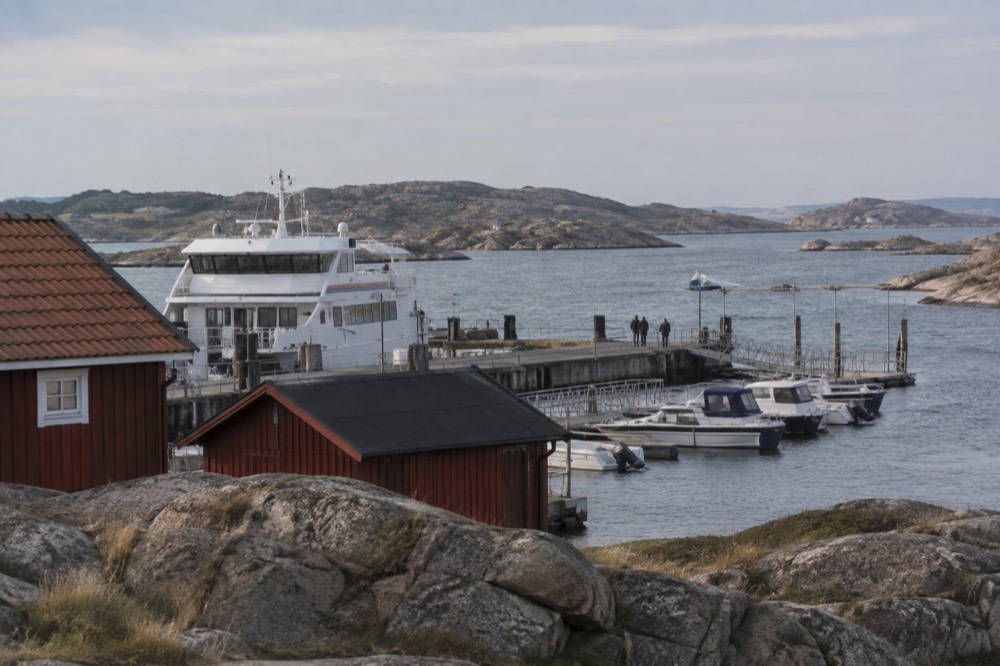
The Gothenburg archipelago is the rare island group that behaves like a neighbourhood. The southern islands, Styrsö, Brännö, Vrångö, Donsö, Asperö and Köpstadsö, are administrative areas of Gothenburg itself, reached by tram to Saltholmen and then by ferry, all on a normal Västtrafik ticket. No tour booking is required, no car is possible, and the boats carry ordinary commuters alongside visitors. That combination, city transit pricing meeting open sea, is unusual in Europe and it is the core of the answer to the question this page exists to address.
Is It Worth Visiting the Gothenburg Archipelago?
Yes, for most visitors the Gothenburg archipelago is worth at least half a day, and the reasons are structural rather than scenic alone: the islands are part of the city, private cars are banned on them, and an ordinary Västtrafik Zone A ticket covers both the tram to Saltholmen and the ferry out to sea. It is one of the cheapest island trips in Scandinavia, and the swimming is better in late summer than most people expect.
The honest qualifier is weather and season. This is the Kattegat, not the Mediterranean. Göteborgs Stad's own planning documents state plainly that the islands of the southern archipelago are protected from car traffic, with only taxi, färdtjänst and emergency services allowed on the road network. What you get in exchange is granite, wooden houses, sheep, and footpaths, in that order, under a sea light that changes hour by hour.
Whether it is worth it depends on what you are trading away. If your Gothenburg days are short, see what not to miss in Gothenburg first and decide how much time remains. If you have two days or more, the archipelago is the thing locals will tell you separates the city from Stockholm.
There is also a framing mistake worth correcting before you plan anything. Plenty of guides file the archipelago under "day trips from Gothenburg", next to Marstrand or the Bohuslän coast. That is wrong in a way that matters for your planning, because day trips need a car, a long journey or a paid excursion. The southern islands need none of those. You ride a tram to the end of its line, step onto a ferry that runs on the same ticket, and twenty minutes later you are standing on granite with the city skyline still visible behind you. The psychological distance is bigger than the physical one, which is exactly why first-time visitors rate it so highly: it feels like an expedition but costs and runs like a bus ride.
What Is the Gothenburg Archipelago Actually Like?
The southern archipelago is a string of small, car-free islands of bare granite and painted wooden houses, each with a distinct character: Styrsö has the most services, Brännö the strongest village feel, Vrångö the best swimming beaches, and Donsö a working fishing harbour that still lands catch. There are no resort facilities, no beaches of sand in most cases, and very little shelter from wind.
The scale surprises people. These are not dramatic fjord islands. Brännö is flat and walkable in an afternoon. Vrångö's southern tip opens onto low rocks facing open water. The atmosphere is quiet, residential, and Swedish in a way the city centre only hints at: allotment huts, small kiosks that open seasonally, and timetable-driven ferry arrivals that structure the whole day.
The buildings tell the story of the place. Painted wooden houses cluster around each jetty, many of them summer cottages now, some of them year-round homes for the few hundred residents who live on each island. There are no hotels to speak of on the southern islands, so the experience is a day visit by default. What you eat is what the island kiosk sells, or what you carried. What you do is walk, sit, swim and watch the ferry traffic, and for many visitors that is precisely the appeal: the islands impose slowness, and there is no way to buy your way out of it.
Weather is the honest caveat. SMHI's 1991-2020 normals for station Göteborg A record 912 mm of precipitation across 127 days a year, and the wettest month is October at 102.9 mm, after the peak visiting season. April, at 51.3 mm on 8.2 wet days, is the driest month of the year. The rain reputation is exaggerated, SMHI does not identify Gothenburg as Sweden's rainiest city, and the national maxima sit in the western highlands and the mountains, but a windproof layer is not optional out on the rocks.
Wind changes the experience more than rain does. A drizzly day on Brännö with light wind is still a good walk. A dry day with a hard westerly can make the exposed granite genuinely unpleasant, and the ferry crossing itself becomes the memorable part for the wrong reasons. The islands offer almost no tree cover to speak of, so there is nowhere to hide when the weather turns. Check the forecast for wind, not just rain, before you commit to a full day out.
If independent island-hopping sounds like logistics, the guided alternatives cover the same water with commentary. The cruise option above runs 2.5 hours, the sailing trip puts you on a proper boat with a local skipper, and the sauna boat adds a hot cabin between dips in the sea. All three reach the same archipelago the ferries serve, just with someone else watching the clock.
How Do You Get to the Gothenburg Archipelago?
You take any tram to Saltholmen, the western terminus of the Gothenburg tram network, then a Västtrafik ferry to the islands, and one ticket covers the whole journey because the southern archipelago sits inside Zone A. A 24-hour Zone A ticket costs 125 kr, and a single Zone A ticket costs 38 kr, so the ferry crossing costs the same fare as a tram ride.
Västtrafik's own zone map shows the archipelago boats as part of the network: the tram, bus and boat network map includes the Saltholmen ferry lines. The islands served are Asperö, Brännö, Styrsö, Donsö, Vrångö and Köpstadsö. You do not buy a separate ferry ticket, you do not need a car, and in fact you cannot bring one: the city's study on the southern archipelago states the islands are protected from car traffic.
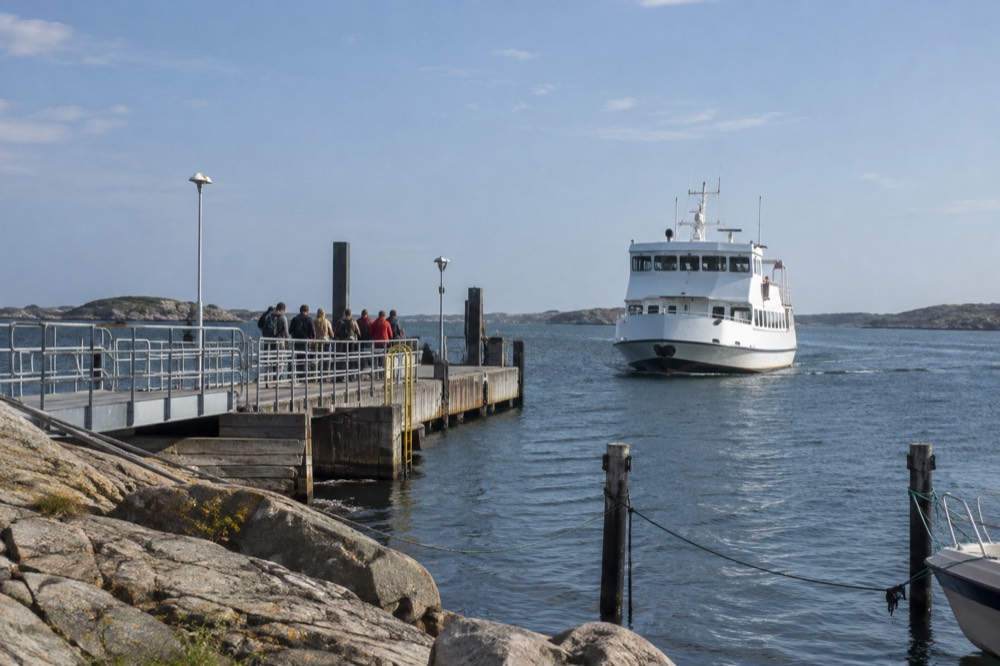
The tram ride to Saltholmen is part of the experience rather than a commute to endure. The line runs west through the city, past Långedrag and the sailing clubs, and the last stops feel increasingly maritime before the tram deposits you a short walk from the ferry berths. Saltholmen is the western terminus of the whole tram network, so there is no ambiguity about where to get off: everyone else is getting off there too, and most of them are getting on a boat.
The practical detail that matters: check the ferry timetable before you commit. Some lines run year-round, others reduce to a handful of departures off-season, and the last boat back is a hard deadline on a car-free island. Our page on whether the ferry in Gothenburg is free covers the fare rules in more detail, and the short version is that it is not free but it is cheap, because it is priced as city transport.
One more planning note for drivers: do not drive to Saltholmen expecting an easy parking spot at the terminal. Parking there is the known pain point, and since the tram takes you to the same place on the same ticket, arriving by tram is both cheaper and simpler. The northern archipelago around Öckerö, Hönö and Björkö is a different system entirely, reached by ferry from Lilla Varholmen, and it is not covered by the same Saltholmen routes.
Want the islands with a guide instead of a timetable? The guided archipelago cruise runs 2.5 hours through the same waters, and free cancellation usually applies if the weather turns.
Which Gothenburg Archipelago Island Should You Visit First?
Styrsö is the sensible first island because it has the most frequent ferry connections, a small village with a café and bicycle hire, and enough paths for a half-day without a boat change. Brännö suits walkers who want the classic village atmosphere, Vrångö suits swimmers, and Donsö suits anyone who wants to see the fishing industry still working rather than a postcard.
There is no single wrong answer, but there is a wrong pattern: trying to do three islands in one day. Ferry connections between islands exist but are not dense, and a tight plan collapses the moment a boat runs late. Two islands in a day is realistic. One island, walked slowly with a swim, is better.
For a first visit with limited time, ride to Styrsö, walk south, and take a later ferry back. If swimming is the goal, read on, because the month matters more than the island.
Families should weight the choice differently. Small children and exposed granite need constant supervision, and the islands have no lifeguards and few railings. Styrsö's village end, with its café and gentler paths, is the more forgiving choice with kids in tow. Strong swimmers and teenagers will prefer Vrångö, where the rocks drop into deeper, clearer water. Photographers, meanwhile, tend to rate Brännö's jetty and boathouses at either end of the day, when the low sun does something to red paint that has to be seen to be believed.
When Is the Best Time to Visit the Gothenburg Archipelago?
August and September are the best months, and the reason is the sea. SMHI's quality-controlled observations at Vinga show the water peaks at 18.6 C in August, not July, and September water at 16.7 C is warmer than June water at 16.2 C. February is the coldest month at 2.7 C, not January, and the sea has been recorded as cold as -1.2 C because brackish Kattegat water can drop below zero.
This inverts most visitors' planning. People book June assuming early summer is the warm-water window, then find the sea still carrying spring chill. The air temperature peaks in July at 18.3 C on average, but the sea runs about six weeks behind the air. A September swim off Vrångö is measurably warmer than a June one.
Daylight matters too. On 21 June the sun is up 18 hours 06 minutes, with civil twilight leaving only about three and a half hours of true night, so midsummer trips get absurdly long evenings on the rocks. By 21 December daylight shrinks to 6 hours 32 minutes, and the winter ferries are primarily for residents. Our month-by-month breakdown in the best time to visit Gothenburg places the archipelago firmly in the late-summer window.
Midsummer deserves a specific warning, not for the water but for the crowds. The islands are a traditional midsommar destination for locals, and the boats fill early. If your visit lands on Midsummer Eve, either commit to an early ferry or save the archipelago for another day. The same applies in reverse to the shoulder months: a weekday in early September often gives you near-empty paths, warm-enough water and full ferry service, which is about as good as the archipelago gets.
How Much Does a Gothenburg Archipelago Trip Cost?
Done independently, the ferry fare is the tram fare: a single Zone A ticket costs 38 kr and a 24-hour Zone A ticket costs 125 kr, so a full day of tram-plus-ferry island-hopping costs 125 kr per adult. Add whatever you spend at an island café and the day stays cheap by Swedish standards, which makes it one of the most affordable island trips on the Scandinavian west coast.
The comparison table below shows how the independent option stacks up against the guided alternatives. Prices for tours come from each operator's live listing and can change; the transport fares are Västtrafik's published Zone A prices.
| Option | What it costs | What you get |
|---|---|---|
| Independent, single ticket | 38 kr | One tram-and-ferry journey within Zone A |
| Independent, 24-hour ticket | 125 kr | Unlimited tram, bus and ferry in Zone A for 24 hours, every island included |
| Guided archipelago cruise | from $44 per person | 2.5-hour guided boat tour, no island stops |
| Sailing with a local skipper | from $138 per person | 4-hour sail, hands-on boat |
| Sauna boat cruise | from $344 per person | 4 hours, hot sauna and sea dips |
The independent route wins on price and flexibility. The guided routes win on narrative and comfort, and they keep moving when the ferries' timetables would strand you. For budget planning in the city more broadly, see our page on whether Gothenburg is cheap or expensive.
A note on what the cheap fare does not cover: food. The island kiosks and cafés are few, seasonal and priced for a captive audience, so a packed lunch is the standard local move. Bring water too, because a hot August afternoon on bare granite with no shade dehydrates people faster than they expect. The only genuinely unavoidable costs are the ticket and whatever you choose to eat.
Do You Need a Tour, or Can You Explore the Islands Yourself?
You do not need a tour to reach the islands, because the ferries are ordinary public transport covered by a Zone A ticket, and many visitors have a better day exploring Styrsö or Vrångö on foot with no guide at all. A tour earns its place when you want the water itself as the experience, or when the weather makes waiting on a windy jetty unappealing.
The self-guided case is strong. The islands are small, footpaths are obvious, and the main risk is a timetable mistake rather than getting lost. If you can read a ferry schedule, you can do the southern archipelago alone.
The guided case is about the sea. A sailing trip or a cruise gives you the archipelago from the water, which is how it looks best, and a skipper handles the wind and the clock for you. For a first visit in marginal weather, the guided cruise is the safer introduction; on a clear August day, the ferry and your own feet are hard to beat.
There is a hybrid worth considering as well: take the guided cruise on the day the forecast looks doubtful, and save the independent ferry day for the clear one. Visitors who do both consistently report that the cruise explains what they are looking at, and the island day then lets them act on it. If your time only allows one, and the weather is good, go independent: the islands themselves, walked slowly, are the thing people remember, and no boat commentary substitutes for sitting on warm granite with an hour to wait and nowhere to be.
The guided cruise above is the related tour for this page for a reason: it is the lowest-commitment way to see the archipelago if you are still deciding whether the islands are worth a full independent day. It runs 2.5 hours, it is rated 4.4 from 1,488 reviews, and it departs from the city rather than Saltholmen, so it works even if you never touch a tram.
Common Questions About the Gothenburg Archipelago
Is it worth visiting Gothenburg archipelago?
Yes. The southern islands are car-free areas of the city reached on an ordinary tram-and-ferry ticket, with swimming that peaks in August at 18.6 C. For most visitors it is the most distinctive half-day or day trip Gothenburg offers, and unlike Marstrand or the Bohuslän coast, it is not a day trip at all, it is part of the municipality.
Can you do a day trip to the Gothenburg archipelago?
You do not need to frame it as a day trip, because the southern islands are inside the city's own transport zone. Tram to Saltholmen, ferry to Styrsö or Brännö, same ticket, and you can be back in the city centre for dinner. The northern archipelago around Öckerö requires a bus or car to the ferry, which takes longer.
Are the Gothenburg archipelago islands car-free?
The southern islands are. Göteborgs Stad's own study states the islands of the southern archipelago are protected from car traffic, with taxi, färdtjänst and emergency services as the only motorised exceptions. You arrive on foot by ferry, and everything on the islands is reached by path.
Is the ferry to the Gothenburg archipelago free?
No, but it is cheap. The ferries are Västtrafik lines inside Zone A, so the crossing costs whatever your tram ticket costs: 38 kr single or 125 kr for a 24-hour ticket that also covers the tram ride to Saltholmen.
When is the sea warm enough to swim in the Gothenburg archipelago?
August, when the mean sea temperature at Vinga reaches 18.6 C. September stays swimmable at 16.7 C, warmer than June's 16.2 C, so late summer beats early summer for swimming. February is the coldest month at 2.7 C.
How many days should you spend in Gothenburg to fit in the archipelago?
Two days is enough for the city plus one archipelago afternoon. Three lets you combine a full island day with Liseberg and the museums. Our guide to [how many days in Gothenburg is enough](/answers/how-many-days-in-gothenburg-is-enough/) breaks the itineraries down.
The verdict, restated plainly: the Gothenburg archipelago is worth visiting because it removes every barrier that usually stands between a city visitor and open sea. No car rental, no expensive boat charter, no tour minimum. One tram, one ferry, one ordinary ticket, and the granite is yours. For more on what the city itself is known for, see what Gothenburg is known for here on Gothenburg Travel Guide.