How Many Days in Gothenburg Is Enough? A Practical Answer for Sweden's Second City
How many days do you need in Gothenburg, Sweden? A day-by-day breakdown of what one, two, three and five days actually cover, from Liseberg's seasons to the car-free archipelago.
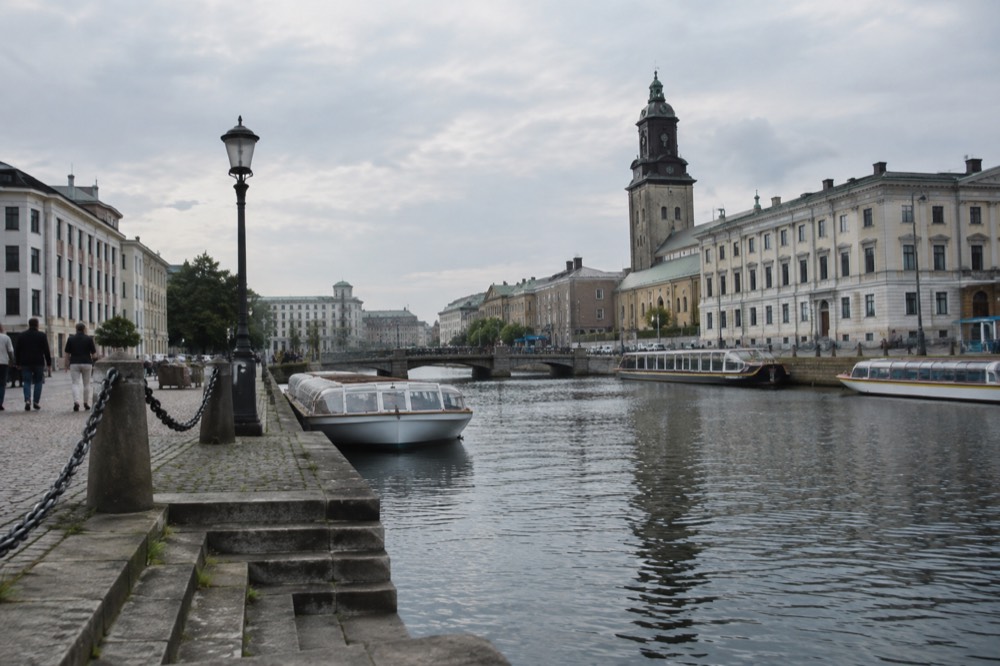
Gothenburg is compact in a way that surprises people who arrive expecting Sweden's second city to feel like a smaller Stockholm. The old town sits inside its original moat, the tram network stitches everything together, and the southern archipelago, which is legally part of the city, is reached on an ordinary Västtrafik ticket. That compactness is exactly why the "how many days" question has a real answer rather than a shrug: the centre runs out faster than visitors expect, but the city boundaries run much further out than the centre suggests.
The honest summary, before the detail: two days is enough for the classic centre, three days is the sweet spot because it adds the islands, and anything beyond four only pays off if you build in day trips to Marstrand, the Bohuslän coast or Alingsås. One day works, but you will spend it entirely inside the moat and miss the thing that makes Gothenburg unusual among Nordic cities, which is that a car-free island archipelago belongs to the municipality. For more on what the city is actually known for, see what Gothenburg is known for, and if you are still deciding whether the city merits the trip at all, whether Gothenburg in Sweden is worth visiting covers that question directly.
How Many Days in Gothenburg Is Enough?
Two days is enough for Gothenburg's core sights, and three days is the recommended length for most visitors, because the third day is what buys you the southern archipelago islands on the same tram-and-ferry ticket you already hold. One day works for a stopover but only covers the canal, Haga and Avenyn. Four or five days is only worth booking if you plan day trips beyond the city, since the centre itself is walkable in two.
The reason the third day matters so much is structural. Göteborgs Stad's own planning documents describe the southern archipelago islands as areas of the city, and Västtrafik's zone map shows the ferries from Saltholmen as part of the same network as the trams. A 24-hour Zone A ticket at 125 kr covers the tram to Saltholmen, the ferry out to sea, and every island in between. That is one of the best-value single tickets in Scandinavian travel, and it is invisible if you only plan around the centre.
The reason two days is enough for the centre is equally structural. The distances are short. The Museum of Art, the Avenue and Götaplatsen, the Haga old quarter, the canal, Feskekôrka and the harbour are all within about twenty minutes' walk of each other. Göteborgs Spårvägar reports 126 million tram journeys a year, but most visitors find they barely need the tram for the first two days, because the sightseeing core is that dense.
There is also a budget dimension to the day count. Sweden is not a cheap country, and Gothenburg rewards visitors who concentrate their spending on the two or three things that matter to them rather than spreading thin across five days of paid attractions. The official tourism board's site is the right place to check what is actually on during your dates, because the city's event calendar, from the film festival to the Christmas markets, changes the value of an extra day more than any fixed sight does.
What Does One Day in Gothenburg Actually Cover?
One day in Gothenburg covers the old town inside the moat, the Haga wooden quarter, the canal, Feskekôrka and one viewpoint, plus either Liseberg or Universeum if you sacrifice the slower neighbourhood wandering. It does not cover the archipelago, any museum beyond one, or the Hisingen waterfront. It is a legitimate stopover length, not a full visit.
A single day should be spent almost entirely on foot. Start inside Inom Vallgraven, the old core laid out by Dutch engineers in the seventeenth century, walk north to Haga for the painted wooden landshövdingehus buildings, then follow the canal. Feskekôrka, the fish-church-shaped market hall on Rosenlundsgatan, reopened in 2024 as a food hall with five restaurants alongside two fish counters, so lunch there is now a bigger decision than it used to be. The afternoon belongs to one big attraction: Liseberg if it is open, Universeum if it is not, or Göteborgs konstmuseum if the weather is wet.
The catch with one day is the season. Liseberg's own calendar shows the park shut from 24 December until mid-April, with further gaps in late September and early November between its summer, Halloween and Christmas seasons. A one-day winter visitor cannot simply "do Liseberg". Universeum is the safer single-day anchor because it opens every day of the year, 10:00 to 18:00, though its admission is dynamically priced with a booked time slot, so there is no fixed adult price to plan around.
For a stopover of this length, a guided overview saves time. The amphibious bus sightseeing tour, rated 4.7 from 4,326 reviews on the operator's listing and running about an hour, drives through the centre and then launches into the harbour, which compresses the city-and-sea story into a single hour. It is the one sightseeing product that genuinely serves the one-day visitor better than the three-day one, because the longer you stay, the more of its route you will have walked already.
Is Two Days in Gothenburg Enough?
Two days is enough for Gothenburg's centre and its main neighbourhoods: day one for the old town, Haga and the canal, day two for the museum district, Slottsskogen park and the harbour. Two days is not enough to add the archipelago without rushing, and it leaves nothing for day trips. Most first-time visitors who book two days and then discover the islands wish they had booked three.
Day two is where the city's spread becomes visible. Slottsskogen, the huge park in the south of the centre with a free zoo, Linnégatan's café strip, and the Masthugskyrkan viewpoint over the harbour fill a day easily. The Museum of Art at Götaplatsen is worth timing carefully: a day ticket is 75 kr, entry is free for anyone under 20 and for students, and the museum's own rebuild page states it closes in 2028 and reopens in 2032, so visit while the current building is still open. The museum also warns of intermittent blasting near the site right now, worth knowing if anyone in your group is sensitive to sudden noise.
Two days also lets you eat properly. Gothenburg's food reputation rests on its seafood and its fika culture, and the West Coast food walking tour, rated 4.8 from 17 reviews on its listing, is built around exactly this. If you are weighing food against sights, what Gothenburg food is famous for breaks down what actually belongs on the plate here, from shrimp sandwiches to the oyster beds further up the coast.
The one thing two days cannot absorb is the sea. The islands need a half-day minimum, realistically longer, because the ferry ride itself from Saltholmen is part of the point. Squeezing Styrsö or Brännö into the tail end of day two means arriving on an island with two hours of daylight left in winter, which is a genuine constraint: on 21 December Gothenburg gets 6 hours 32 minutes of daylight against 18 hours 6 minutes in June, a swing of over eleven and a half hours between solstices. In summer the problem inverts, with civil twilight running from before 03:00 to after 23:30, which effectively extends every day by several usable hours and makes two days feel like two and a half.
What Does a Third Day in Gothenburg Add?
A third day in Gothenburg adds the southern archipelago, which is the single biggest upgrade to any itinerary, because the islands of Styrsö, Brännö, Donsö and Vrångö are reached by ordinary tram and ferry on a Zone A ticket and are car-free by municipal law. It also absorbs World of Volvo or Universeum without cannibalising the core sights. Three days is the answer for most visitors.
The mechanics are simple and worth repeating because so many guides get them wrong. You take the tram to Saltholmen, the western terminus of the network, and board a Västtrafik ferry. The islands sit inside Zone A, the same zone as the city centre, so the 125 kr 24-hour ticket covers the entire chain: tram, ferry, islands, return. Private cars are banned on the southern islands; Göteborgs Stad's own study states the islands are "fredade från biltrafik", protected from car traffic, with exceptions only for taxi and emergency services. You walk, or borrow a bicycle where one is offered. The rest of the planning pages sit on Gothenburg Travel Guide.
Pick one or two islands, not all six. Brännö is flat and village-like, Styrsö has the largest settlement, Vrångö is the quietest and most southerly. A guided option exists too: the archipelago cruise with guide, rated 4.4 from 1,488 reviews on its listing, runs two and a half hours and covers the island chain from the water, which suits a third day when the weather is grey. For swimmers, the sea temperature data is counterintuitive: SMHI's quality-controlled observations at Vinga show the water peaks in August at 18.6 C, not July, and September water at 16.7 C is warmer than June water at 16.2 C. A September dip is warmer than a June one.
If the weather turns, the third day can go indoors instead. World of Volvo, the 2024 experience centre at Lyckholms Torg, replaced the old Volvo Museum at Arendal, which closed permanently in December 2023; every guide still sending people to the old address is sending them to a shut building. Exhibition tickets start from 120 SEK online, and the centre's hours run to 19:00 on Thursdays, useful for a late finish.
The amphibious bus earns its place on a three-day plan differently than on a one-day one. On day three it works as a warm-up: an hour on the water first thing gives you the harbour geography, and the rest of the day is free for the ferry or the museums. The operator's listing shows a 4.7 rating across 4,326 reviews, which is one of the largest review bases of any sightseeing product in the city, and the land-and-water gimmick is not a gimmick here, because Gothenburg genuinely is a city you read better from the water.
When Are Four or Five Days in Gothenburg Worth It?
Four or five days in Gothenburg is worth it when you use the extra days for trips beyond the city, because the centre is genuinely finished after day three. Marstrand, the Bohuslän coast, Alingsås, Trollhättan and Lake Vänern with Läckö Castle are all reachable by train or bus and fill days four and five naturally. Staying four or five days inside the city centre alone leads to repetition.
The distinction matters because Gothenburg's official boundaries are deceptive. The islands are inside the city; Marstrand and the Bohuslän granite coast are not, and they are the classic day trips. A five-day plan that runs centre, centre, islands, Marstrand, and one coastal or canal destination is the fullest version of a Gothenburg trip. Travelers who prefer to stay on the water can book the Vinga island sailing trip, priced per group of up to eight on its listing with no reviews yet, or the sunrise sailing tour with breakfast buffet, from $66 per person with no reviews published yet.
The season should shape the day count as much as the itinerary. SMHI's 1991-2020 normals for the Göteborg A station put October as the wettest month at 102.9 mm and April as the driest at 51.3 mm, so a spring trip gets more done per day than an autumn one at the same length. And despite the city's reputation, the data does not support calling Gothenburg Sweden's rainiest city; SMHI's own text places the national precipitation maxima in the western highlands and the mountains, not here. It rains on about 127 days a year, roughly one day in three.
How Do Gothenburg's Attraction Seasons Change the Answer?
Gothenburg's attraction seasons change the day count because Liseberg, the city's biggest attraction, is closed for roughly a third of the year, and the archipelago ferry frequency drops in winter. A summer or Christmas-market trip justifies three days easily; a late-January trip delivers less per day, so two days plus a day trip can be the better use of time.
Liseberg's published 2026 calendar runs summer from 18 April to 20 September, Halloween from 2 October to 1 November, and the Christmas market from 14 November to 23 December, all confirmed on the park's own ticket page. The park is shut in the gaps between those seasons and from late December until mid-April, with the new winter exception that Kaninlandet, the children's area, now opens on winter weekends and school holidays. Ticket structure matters too: the 95 kr entry ticket includes zero rides. Rides need an Åkpass from 310 kr, or the combined entry-and-ride ticket from 365 kr. A family that budgets for "entry" alone will stand inside a beautiful park watching other people ride things.
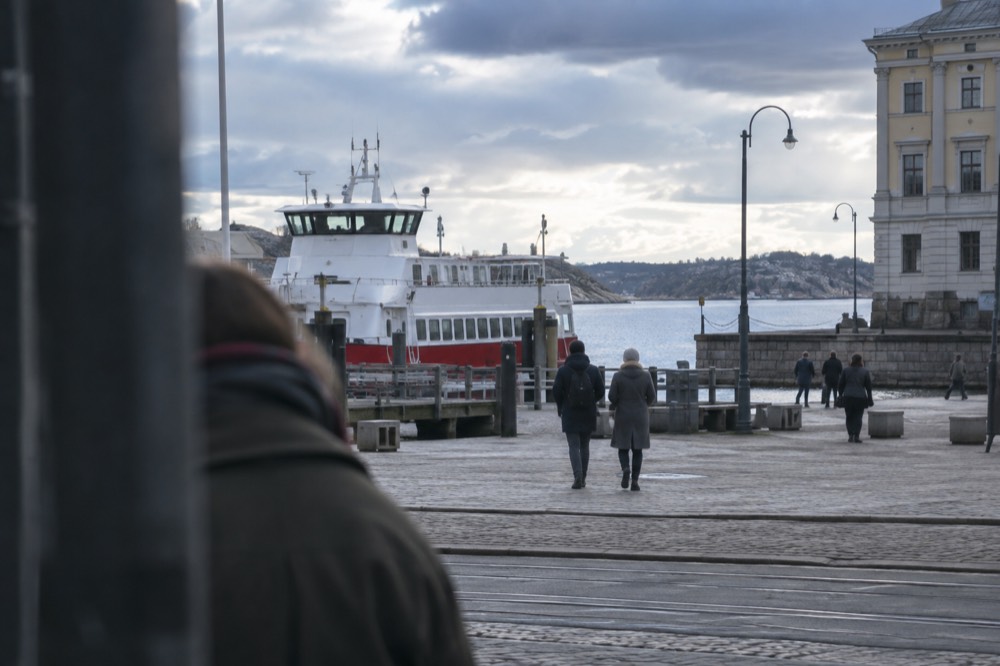
The archipelago runs year-round but with reduced winter timetables, and winter island visits are their own experience: whether the Gothenburg archipelago is worth visiting covers the trade-off. If your trip falls in the closed-spring window, the honest move is to cut the city to two days and add a day trip, or accept a slower, museum-and-café pace. For a fuller comparison of the city against its rival, whether Gothenburg is as nice as Stockholm is worth a read before you commit the days.
A Day-By-Day Summary for Gothenburg
The day-by-day summary is this: day one covers the old town, Haga and the canal; day two adds the museum district, Slottsskogen and the food scene; day three adds the car-free archipelago islands on a Zone A ticket; days four and five only make sense as day trips to Marstrand, the Bohuslän coast or Lake Vänern. Each added day buys something qualitatively different, not more of the same.
Here is the whole answer compressed into one table. Treat it as a planning frame, not a timetable.
| Days | What it covers | What it misses | Best for |
|---|---|---|---|
| 1 | Old town, Haga, canal, Feskekôrka, one attraction | Archipelago, museums beyond one, Hisingen | Cruise stopovers, train layovers |
| 2 | Add museum district, Slottsskogen, viewpoints, food tour | The islands, any day trip | Weekend visitors |
| 3 | Add the southern archipelago, World of Volvo or Universeum | Marstrand, Bohuslän, further afield | Most first-time visitors |
| 4-5 | Add Marstrand, the coast, Alingsås or Lake Vänern | Little, if you like slow travel | Region-focused trips |
The pattern is consistent: each added day buys something qualitatively different rather than more of the same. Day one is streets, day two is parks and museums, day three is the sea, days four and five are the region. Visitors who report that Gothenburg "felt small" almost always stopped at day two and never got on a ferry.
Common Questions About How Many Days to Spend in Gothenburg
How many days in Gothenburg is enough?
Two days covers the centre; three days is the recommended length because the third day adds the car-free southern archipelago on the same Zone A ticket. Four or five days only pays off if you add day trips to Marstrand or the Bohuslän coast.
Can you see Gothenburg in one day?
Yes, the core sights inside the moat, Haga and the canal fit in one day, plus one major attraction such as Universeum or, in season, Liseberg. One day cannot include the archipelago or more than one museum.
Is three days in Gothenburg too much?
No. Three days is the sweet spot for most visitors: two for the centre and one for the islands. It only feels like too much if you never leave the central couple of square kilometres.
Is Gothenburg walkable without extra days?
The centre is very walkable, which is why two days suffices for it. The archipelago requires a half-day or more of ferry time regardless of fitness, so it adds a day rather than a walk.
Does the season change how many days I need?
Yes. Liseberg closes between seasons and from late December to mid-April, and winter daylight bottoms out at 6 hours 32 minutes on 21 December. Winter trips deliver less per day, so two days plus a day trip can beat four days in the city.
For help deciding whether the city deserves even the two-day minimum, whether Gothenburg is worth visiting for tourists and what not to miss in Gothenburg are the natural next reads on Gothenburg Travel Guide.