How Much Does a Meal Cost in Gothenburg? A Realistic Food Budget
What a meal really costs in Gothenburg, Sweden: budget lunches, food halls, mid-range dinners, the Systembolaget alcohol rule, and which food tours are worth the price.
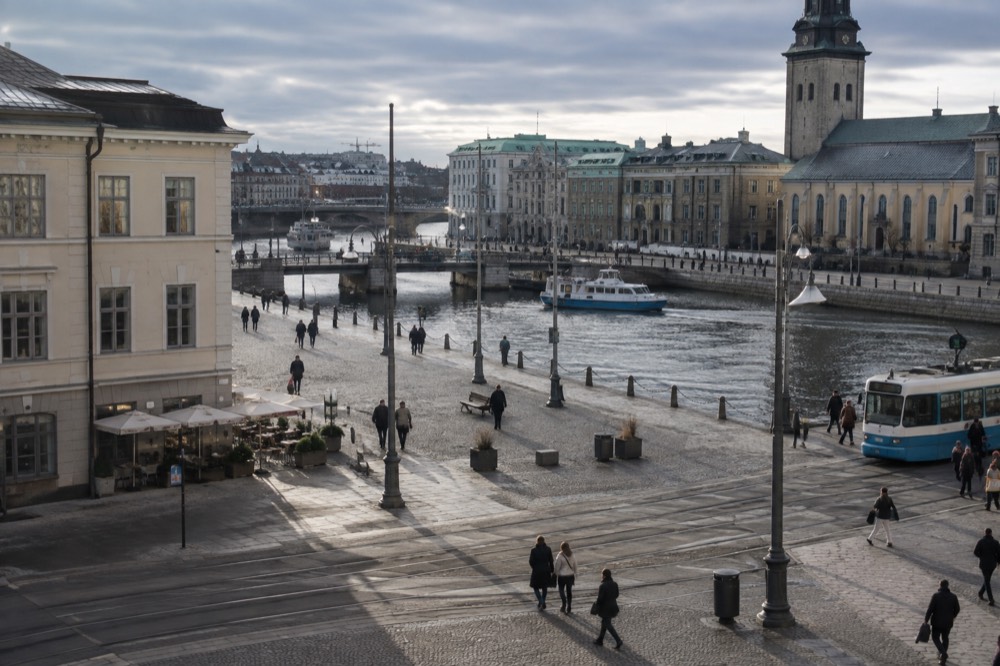
Gothenburg sits at the mouth of the Göta älv, where the river meets the Kattegat, and the city's food identity is built on what the sea delivers: shrimp, oysters, mackerel and the flatbread wraps sold at the fish hall the locals call Feskekôrka. But the question every visitor asks before booking is simpler. What does a meal actually cost here?
The honest answer has three parts. The food itself is priced like a Nordic capital's food, the drink beside it is priced by a Swedish state monopoly, and the cheapest good meals in the city are not always in restaurants at all. This page breaks the bill down, from a lunchtime prawn sandwich to a full archipelago shrimp feast, using the operator listings and official Swedish sources rather than guesswork.
How Much Does a Meal Cost in Gothenburg Overall?
A sit-down dinner in central Gothenburg typically lands in the same band as other Swedish cities, with a mid-range main course usually somewhere in the 200-300 kr region and a budget lunch or food-hall plate often under 150 kr, while a three-course dinner with drinks at an upmarket place can pass 700 kr per head. Treat these as planning ranges, not promises: menus move with the season and the catch, so check the room before you book.
What sets the city apart is that the seafood at the cheap end is barely a step down from the seafood at the top.
Two structural things keep Gothenburg eating cheaper than it looks. First, the food-hall culture: Feskekôrka reopened in 2024 as a full food hall with five restaurants inside, plus the two fish counters Ebbes Fångst and Flåtens Fiskhandel, and the city also has Saluhallen, the older central market hall. A plate at a counter is a real meal, not a snack. Second, the tram: a 24-hour Zone A ticket costs 125 kr per Västtrafik's fare page and covers the whole city, so the cheap meal two neighbourhoods away does not get eaten by transport.
The other thing worth knowing before you plan a food budget is that the tourist peak and the food peak do not line up. Göteborg & Co reported over 6 million commercial guest nights in 2025, a record, with international guest nights up about 15% in the first ten months of the year. Central restaurants feel that pressure. The neighbourhood places in Majorna or Linné, a short tram ride out, generally do not.
Here is how the planning ranges stack up across a day of eating:
| Meal type | Where | Planning range per person |
|---|---|---|
| Counter plate or lunch special | Food halls, lunch kitchens | 60-150 kr |
| Fika (coffee and a bun) | Any cafe | 50-90 kr |
| Mid-range main course | Sit-down restaurant | 200-300 kr |
| Full mid-range dinner with a drink | Central restaurant | 400-500 kr |
| Three-course dinner with drinks | Upmarket restaurant | 700 kr and up |
These are planning ranges, not operator promises. The one number in the table that is fixed rather than estimated is the transport line item that does not appear in it: the 125 kr day ticket that gets you to every meal in the city and out to the islands.
For a fuller picture of the city's food identity, see what Gothenburg is known for, and for the wider cost question, is Gothenburg cheap or expensive covers accommodation and transport alongside food.
What Does a Budget Meal Cost in Gothenburg?
A budget meal in Gothenburg usually means a food hall, a lunch special or a hot dog stand, and planning ranges run roughly 60-150 kr for a counter plate or lunch deal, with sit-down budget mains from around 150 kr. The lunch-of-the-day culture, dagens lunch, is the best value in the city: many restaurants run a fixed lunch plate on weekdays that is dramatically cheaper than the same kitchen's dinner menu.
Check the door stickers and lunch boards, because the deals are advertised locally rather than online.
The reason budget eating works so well here is that the cheap end of the market is built on the same raw material as the expensive end. The fish counters inside Feskekôrka sell the catch directly; the shrimp that appears on a white-tablecloth plate in the evening appears on a paper-wrapped flatbread at midday for a fraction of the dinner price. The building itself turned 150 in 2024, and since its reopening the offer inside has broadened from fish counters to a genuine food hall, with restaurants Haldis Kök, Pråmenaden, Victor von G, Lilla Åstol and Ekmans alongside the counters, according to the hall's own site. Lilla Åstol is seasonal and reopens in spring.
Two practical notes for the budget end. Payment is card-first almost everywhere in Sweden, so do not plan a cash-based food crawl. And if you are eating on the move between sights, the amphibious sightseeing operators and boat cafes around the harbour sell simple food too, which brings the sightseeing and the lunch onto one ticket if you plan it that way.
If you would rather walk the food than ride to it, Gothenburg also has a strong guided-food scene, covered in what food Gothenburg is famous for.
Where Do Locals Eat Cheap in Gothenburg?
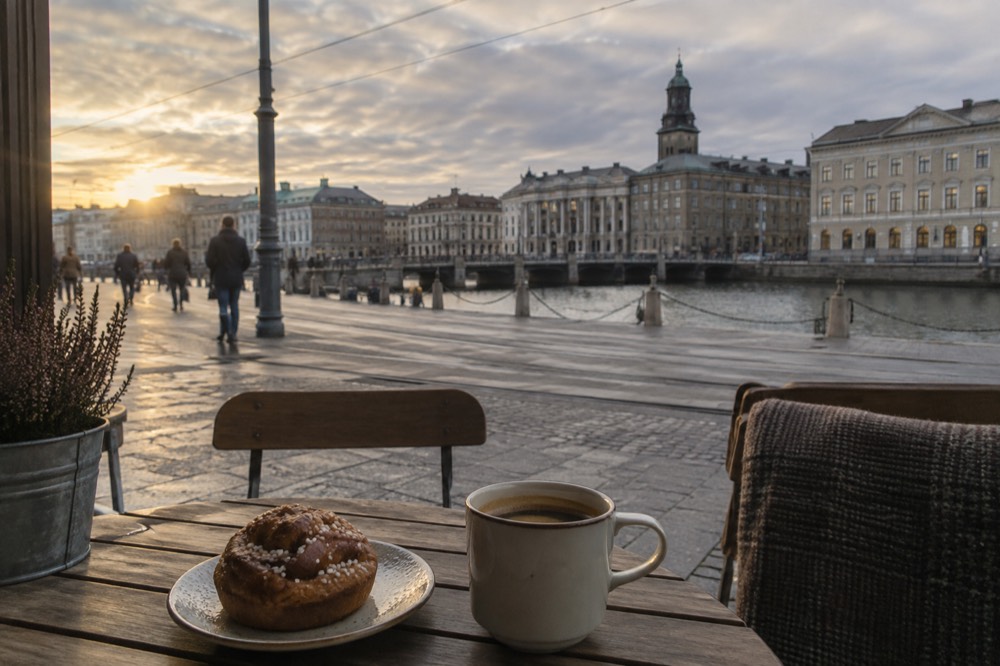
Locals eat cheap at the food halls, at the neighbourhood places along the Linné and Långgatorna strips, and at the cafes serving fika, where a coffee and a cinnamon bun typically runs in the 50-90 kr range as a planning figure. Haga's wooden quarter is the classic fika stop, and Majorna's second-hand district has a dense concentration of small kitchens and bakeries. The pattern to copy is simple: eat your big meal at lunch, take fika in the afternoon, and keep dinner light.
Fika deserves a line of budget explanation because visitors routinely mistake it for a restaurant occasion. It is not. It is a coffee-and-bun break, and it is the cheapest legitimate pleasure in Swedish food culture. The bun, the coffee and the seat together cost less than a starter in most restaurants. If you want the full cultural background, what does fika mean in Sweden explains the ritual and the etiquette around it.
For the cheapest meals with a view, remember that the southern archipelago is part of the city, not a day trip. Styrsö, Brännö, Vrångö and Donsö are reached by tram and ferry from Saltholmen on an ordinary Västtrafik ticket, and the islands are car-free. The island cafes and kiosks in summer sell shrimp sandwiches and waffles at prices that shame the harbourfront, and the boat ride there is already paid for by the 125 kr day ticket. If you are weighing whether the trip out is worth it, is it worth visiting the Gothenburg archipelago covers the trade-offs.
What Does a Mid-Range Dinner Cost in Gothenburg?
A mid-range dinner in Gothenburg, meaning a main course, a drink and perhaps a shared starter at a decent restaurant, typically plans out around 400-500 kr per person, with mains themselves usually in the 200-300 kr band. The city's seafood restaurants cluster around the harbour and the Feskekôrka area, and the same shrimp-and-catch cooking appears at neighbourhood prices a couple of tram stops out. Book ahead on weekends: 2025 was a record guest-night year, and the central rooms fill.
Mid-range is where Gothenburg punches hardest. The city has a Michelin presence, and the cooking culture that supports it spreads down the price ladder, so a neighbourhood bistro in Linné or Vasastan will plate the day's catch with the same seriousness as the harbourfront rooms at roughly half the tariff. The planning ranges above are honest but soft: a shared seafood platter pushes a bill up fast, and a vegetarian main usually pulls it down.
One structural saving worth building into a mid-range dinner plan: Sweden's lunch culture means the same kitchen, the same chef and often the same dish cost substantially less at midday than at seven in the evening. If there is one restaurant you specifically want to try, eat it at lunch. The savings compound over a trip: two restaurant-quality lunches instead of two dinners can fund an entire extra day of eating, or the archipelago boat, or both.
Why Does Alcohol Change the Bill in Gothenburg?
Alcohol is the single biggest swing factor on a Gothenburg restaurant bill, because Swedish law sends anything above 3.5% ABV to the state monopoly: beer over 3.5%, all wine and all spirits are retailed only by Systembolaget, while supermarkets sell beer up to 3.5%. In a restaurant you pay restaurant markups on top, so a beer or a glass of wine with dinner can add as much to the bill as a starter. The statute is Alkohollag (2010:1622), chapter 1, section 8.
The practical consequences for a food budget are real. A pint of strong beer in a Gothenburg bar carries a price that surprises visitors from lower-tax countries, and the gap between the food total and the drinks total on a Swedish restaurant bill is often wider than the food itself. If you want the exact legal wording, the Swedish parliament publishes the statute: Alkohollag (2010:1622) on riksdagen.se.
The rule in one glance:
| Drink | Where it can be bought | Why |
|---|---|---|
| Beer at or below 3.5% ABV (folköl) | Any supermarket | Below the statutory threshold |
| Beer above 3.5% ABV (starköl) | Systembolaget only | Alkohollag (2010:1622) 1 kap. 8 § |
| Wine and spirits | Systembolaget only | State retail monopoly, 5 kap. 1-2 § |
There are two honest workarounds. One is the supermarket: folköl, the sub-3.5% shelf beer, is cheap and everywhere, and many visitors find it more drinkable than its reputation suggests, partly because Swedish shelf versions of familiar brands are often 3.5% reformulations. The other is to plan the drinks occasion separately from the meal, which is exactly what the city's own drinking culture does. For the bar-side picture, the craft beer scene has its own guided option: a craft beer walking tour with tastings runs from $112 per person per the operator's listing, with no reviews published yet.
What Food Experiences Are Worth Paying for in Gothenburg?
The food experiences most worth paying for in Gothenburg are the ones that bundle the meal with something you cannot buy separately: a shrimp meal on a sailing boat in the archipelago, from $139 per person for 4.5 hours per the operator's listing, a West Coast food walking tour from $144 per person rated 4.8 from 17 reviews, or a guided walking and fika tour from $93 per person rated 4.4 from 71 reviews.
These are not restaurant markups; they are meals attached to a boat, a walk or a guide, and the operator listings carry the current prices and ratings.
The shrimp meal is the one to single out, because it is the most Gothenburg thing on the list. The archipelago sail with shrimp meal runs 4.5 hours from the operator's listing, with no rating published yet, and it combines the two best things the city sells: the car-free southern islands and the shrimp the region is famous for. You are eating the local dish, on the water it came from, inside the city's own transport zone.
For comparison shopping, the meal-adjacent listings side by side:
| Experience | From (per person) | Rating | Duration |
|---|---|---|---|
| Archipelago sail with shrimp meal | $139 | no rating published | 4.5 hours |
| West Coast food walking tour | $144 | 4.8 from 17 reviews | 3 hours |
| Walking and fika tour | $93 | 4.4 from 71 reviews | 2 hours |
| Shrimp and salmon cruise with live music | $95 | 4.7 from 14 reviews | 3 hours |
| Archipelago cruise with Swedish fika | $58 | 4.3 from 19 reviews | 2.5 hours |
| Distillery tour with guided tasting | $56 | 5 from 3 reviews | 1.5 hours |
Every figure in the table comes from the operator's live listing, which is where the current price and rating live. Note the pattern in the review counts: the long-running boat tours have hundreds of reviews, the newer food walks have a handful or none, and a small review count on a new listing is real information rather than a warning sign.
If you are deciding how many of these to fit into a stay, how many days in Gothenburg is enough does the scheduling math.
How Do You Keep a Food Budget Under Control in Gothenburg?
Keep a Gothenburg food budget under control by eating your main restaurant meal at lunch, taking fika instead of a cafe lunch on light days, buying picnic seafood at the Feskekôrka counters or a supermarket, and remembering that supermarket beer stops at 3.5% ABV by law, so the drinks bill is the part you control most. Add the 125 kr 24-hour transport ticket and the archipelago ferries become an eating destination that costs nothing extra to reach.
The pattern is not deprivation; it is eating like the city eats.
The picnic route deserves more credit than it gets. The fish counters inside Feskekôrka, Ebbes Fångst and Flåtens Fiskhandel, sell the catch directly, and a bag of cold shrimp, a loaf and a park bench in Slottsskogen is a meal most visitors remember longer than a mid-range dinner. Slottsskogen's zoo is free, which makes the whole afternoon cheap. The same logic applies to the islands: the island kiosks sell the same shrimp, the waffles are better, and the ferry was already in the ticket.
One last budget note that saves real money: the archipelago islands are in Zone A. Västtrafik's own zone map shows the ferries from Saltholmen inside the same ticket as the trams, so the boat to Brännö or Vrångö is not an excursion fare. Eat out there, drink your coffee at the island cafe, and the transport cost is the same 125 kr day ticket you were buying anyway. This is the best-value single fact on Gothenburg Travel Guide, and it applies to the food budget as much as anything.
Common Questions About Meal Costs in Gothenburg
How much does a meal cost in Gothenburg?
Plan on roughly 60-150 kr for a budget counter plate or lunch deal, 200-300 kr for a mid-range main, and 400-500 kr per person for a full mid-range dinner with a drink. A three-course dinner with drinks at an upmarket restaurant can pass 700 kr. Treat all of these as planning ranges and check the menu: prices move with the season and the catch.
Why is beer so expensive in Gothenburg?
Swedish law restricts retail sales of anything above 3.5% ABV to the state monopoly Systembolaget, and restaurants add their own markup on top of that taxed base. Beer at or below 3.5% ABV, folköl, is sold in ordinary supermarkets at normal prices, which is why the shelf versions of familiar brands are often 3.5% reformulations.
Is Feskekôrka expensive?
It depends which part of it. The building reopened in 2024 as a food hall with two fish counters and five restaurants, so you can buy cold shrimp and fish directly at the counters for a picnic, or sit down for a full restaurant meal. The counter route is one of the cheapest real seafood meals in the city.
What is the cheapest way to eat seafood in Gothenburg?
Buy it at a fish counter and eat it outside, or ride the archipelago ferries on the ordinary Västtrafik Zone A ticket and eat at the island cafes. The 24-hour Zone A ticket costs 125 kr and covers tram and ferry, so the boat is not an extra cost.
Are food tours in Gothenburg worth the money?
The listings suggest yes for the right traveller: the West Coast food walking tour is rated 4.8 from 17 reviews and from $144 per person, and the guided walking and fika tour is rated 4.4 from 71 reviews and from $93 per person. You are paying for a guide and a curated route as much as for the food itself, so they suit first-time visitors more than repeat ones.
Do I need to tip in Gothenburg restaurants?
Service is included by law and custom in Sweden, and rounding up the bill or leaving a small amount for good service is appreciated but not expected. Nobody tips a counter lunch or a fika stop.