Getting to Gothenburg, Sweden by Ferry from the UK and Germany
No ferry sails directly from the UK to Gothenburg, but Stena Line runs year-round sailings into the city from Germany and Denmark, and the ferry terminal sits a short tram ride from the centre.
Short answer
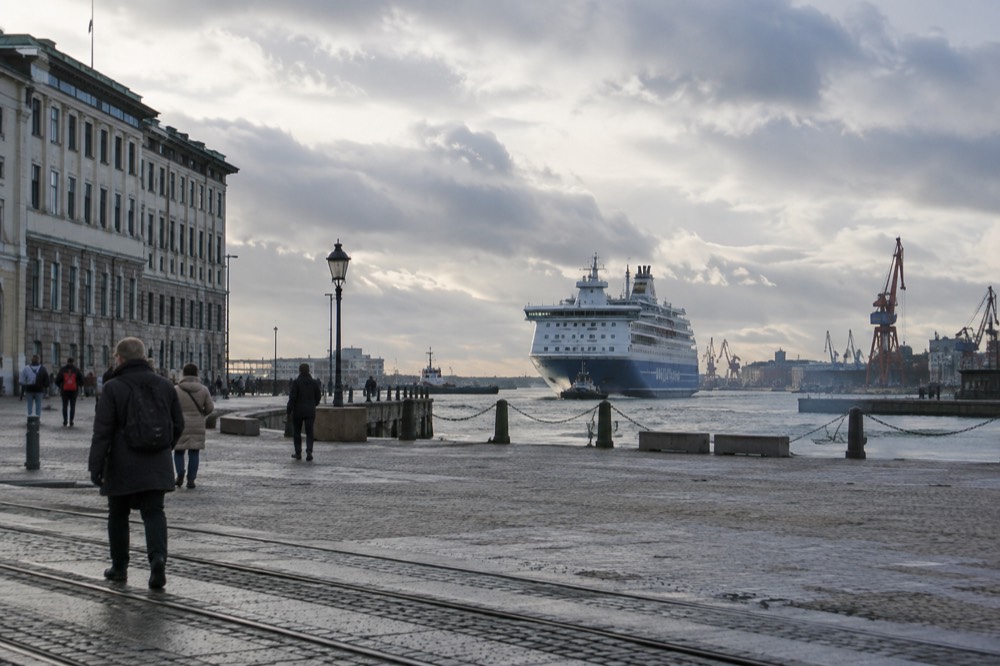
There is no direct UK-Gothenburg ferry. The realistic sea route is a Channel or North Sea crossing to the Continent, then Stena Line's overnight sailing from Kiel in Germany, or the shorter crossing from Frederikshavn in Denmark. Ferries dock at Masthuggskajen in central Gothenburg, and a single Västtrafik tram ticket covers the last leg into town.
Gothenburg is one of the few Scandinavian cities you can genuinely sail into, and the arrival is part of the appeal: the ferry passes Älvsborgsbron, the riverfront cranes and the islands before tying up at a terminal that is already inside the city. But the route map is not what most UK travellers expect, and a decade of guidebooks has quietly gone stale on the subject. This page sets out what actually runs, what it costs, and how the last few kilometres from the quay into the centre work.
Can You Take a Ferry Directly from the UK to Gothenburg?
No ferry sails directly from the UK to Gothenburg, and none has for years. To reach Gothenburg by sea from Britain you cross the Channel or North Sea to the Continent first, then pick up a second sailing from northern Germany or Denmark. The realistic UK options are a crossing to the Netherlands or France followed by Stena Line's overnight ferry from Kiel, Germany, or a shorter hop from Frederikshavn in Denmark after driving or training through Europe.
The direct UK-Sweden ferry is one of those travel facts that people remember longer than it stays true. The sea route from Britain to Scandinavia now runs through the Continent, which means the journey is a two-leg trip rather than one booking. For most travellers that reframes the decision: a ferry from the UK to Gothenburg is really a road or rail journey across northern Europe with a final sea crossing bolted on.
That is not automatically a bad deal. The crossing from Germany is overnight, so you trade a day of driving for a cabin and a night's sleep, and you step off the boat already inside Gothenburg with no airport transfer to worry about. Families and drivers with a car full of luggage tend to come out ahead on cost too, since a ferry ticket prices the vehicle and the cabin rather than each passenger and each bag separately.

The comparison worth making is against the plane. Gothenburg's Landvetter Airport handled 5,435,850 passengers in 2025, according to Swedavia's own airport page, and the airport is a 20-minute coach ride from the centre on the Vy flygbussarna service, as our Gothenburg Landvetter airport to the city centre guide details. Flying is faster door to door from the UK, almost without exception. The ferry earns its place when the journey itself is the point, or when the car, the luggage or the budget tip the maths.
What Ferry Routes Run to Gothenburg from Germany and Denmark?
Stena Line operates the international ferries into Gothenburg, with a year-round overnight sailing from Kiel in northern Germany and a shorter crossing from Frederikshavn in Denmark. Both arrive at the Stena Line terminal at Masthuggskajen, on the Göta älv inside the city. Sailing days, departure times and fares vary by season, so treat the operator's own timetable as the source of truth rather than any third-party summary, including this one.
The Germany sailing is the workhorse for anyone coming from the UK or central Europe. Kiel sits at the western end of the Baltic, reachable in a long day's drive from the Hook of Holland ferry or from the Channel ports, and the crossing to Gothenburg runs overnight so the sea leg doubles as your hotel night. The Denmark sailing from Frederikshavn is much shorter and suits travellers already in Scandinavia or arriving via the Jutland route, and it is the one to check if you are combining Gothenburg with a Danish leg of the trip. Stena Line's own site publishes the live timetables and fares for both routes, and it is the only place to confirm a sailing before you commit to the drive across Europe.
A quick comparison of how the two routes fit different trips:
| Route | Best for | Crossing style | Practical notes |
|---|---|---|---|
| Kiel (Germany) to Gothenburg | UK travellers via the Continent, drivers from central Europe | Overnight, cabin sleep | Replaces a hotel night; book a cabin, not a seat |
| Frederikshavn (Denmark) to Gothenburg | Travellers already in Denmark or southern Sweden | Short crossing | Suits a Denmark-plus-Sweden itinerary |
| UK to the Continent, then Kiel | The full UK sea route | Two legs, one overnight sailing | The realistic "ferry from the UK" answer |
One warning about research habits: the Port of Gothenburg publishes no cruise-call schedule at all, its arrivals page is empty, and a scheduled Stena Line ferry is not a cruise call. If you see a site listing "cruise arrivals" for Gothenburg, treat everything else on it with suspicion too.
Where Do Ferries Dock in Gothenburg, and How Do You Get Into the Centre?
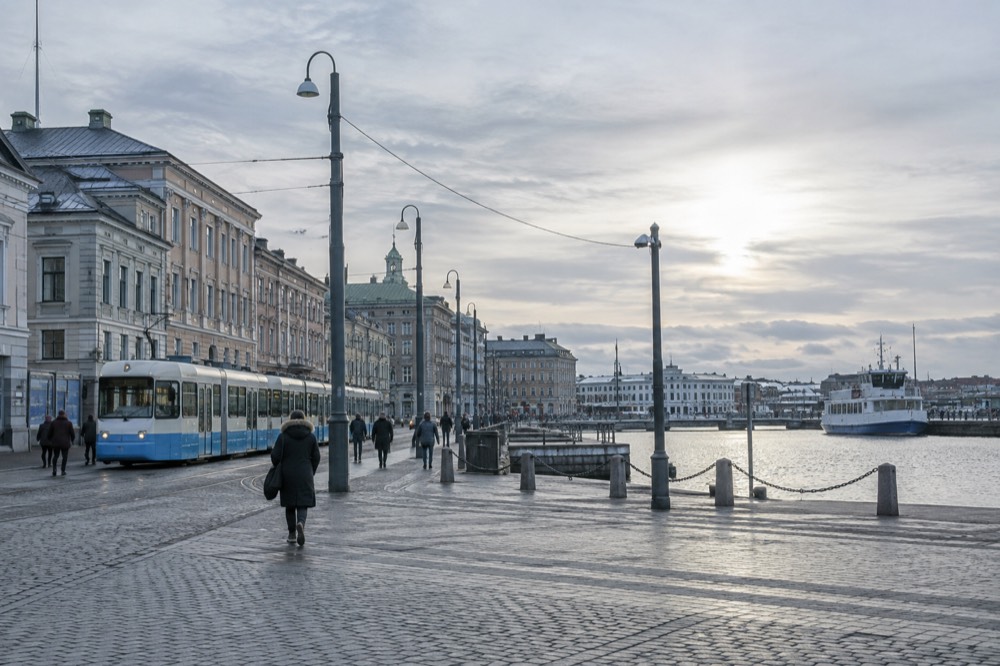
Stena Line ferries berth at Masthuggskajen on the south bank of the Göta älv, roughly two kilometres from the main shopping district, which is a short tram ride or a walkable distance along the river. The terminal sits inside Västtrafik Zone A, so a single adult ticket at 38 kr covers the tram into the centre, and a 24-hour Zone A ticket at 125 kr covers trams, buses and the archipelago ferries for a full day from the moment you step ashore.
This is the part of the ferry journey where Gothenburg quietly wins against almost any other arrival method. There is no hour-long transfer, no airport coach, no taxi queue. The terminal is in the city, the tram stops are close by, and the network is dense: Göteborgs Spårvägar's annual report describes twelve lines, 134 stops and 188 kilometres of single track, and the network carried 126 million journeys in 2025. Our getting around Gothenburg guide covers tickets and zones in detail, but the short version for a ferry arrival is that the To Go app or a card bought at a Pressbyrån kiosk handles everything. The Västtrafik Zone A day-ticket page confirms the 125 kr price and what the ticket covers.
On foot, the walk from the terminal area along the river toward the centre takes you past Masthuggskyrkan, whose tower gives one of the best free views over the harbour, covered in our Masthuggskyrkan and the best city viewpoints guide. It is a fitting first hour for a city that identifies through its waterfront, and it costs nothing.
Because the arrival is by water, the natural first activity is on water too. The amphibious bus sightseeing tour drives out of the city centre and splashes straight into the harbour for its water leg, which makes it an unusually well-matched first outing after a ferry arrival.
The classic alternative is the canal cruise through the old moat, and the guided archipelago cruise extends the idea out into the islands. All three are covered in the picks below.
Each of these runs from the city centre or the harbour itself, so none of them needs a transfer or a car. The amphibious bus is the one most ferry arrivals pick first, partly because the departure point is a short walk from where the ship ties up.
Once you are ashore and moving, the rest of the arrival logistics are trivial. Drop bags at a hotel, which our where to stay in Gothenburg guide maps by district, and the city is yours.
How Much Does the Ferry to Gothenburg Cost?
Ferry fares to Gothenburg are dynamic, like flights, and no honest guide can print a reliable number: the price moves with season, day of sailing, cabin type and vehicle length, and the operator's own booking page is the only live source. As a planning range, expect the overnight sailing to price the cabin separately from the passenger fare, expect summer weekends to run well above spring and autumn, and expect a car to be charged by length. Treat every figure below as a planning frame, not a quote.
What can be said with confidence is where the costs sit and how to bend them. The overnight sailing's cabin is the single biggest variable: an inside standard cabin is the budget option, a sea-view cabin costs more, and the difference between a good and a bad night's sleep is often worth more than the fare gap. Booking early, sailing midweek and travelling in the shoulder seasons, May to early June or September, all push the price down, and September has a hidden bonus: SMHI's sea temperature data from Vinga shows September water at 16.7 C is warmer than June water at 16.2 C, so the cheaper month is also the warmer one for swimming off the islands.
| Cost item | How it is priced | Planning note |
|---|---|---|
| Passenger fare | Per person, dynamic | Cheapest midweek and off-peak |
| Cabin (overnight sailings) | Per cabin, by type | The main price lever; book a cabin, not a seat |
| Car | By length | Measure the vehicle including racks before booking |
| Meals on board | Bought separately | Buffet dinner is the usual main spend |
| Arrival transport in Gothenburg | Västtrafik ticket | 38 kr single, 125 kr for a 24-hour Zone A ticket |
Two cost notes specific to Sweden, both statutory rather than advisory. Beer at or below 3.5% ABV, folköl, is sold in ordinary supermarkets, but anything stronger, plus all wine and spirits, is sold only by Systembolaget, the state monopoly, under Alkohollag (2010:1622). So do not plan to stock the car's cooler with strong beer at a Gothenburg supermarket, and do not expect Systembolaget to be open on a Sunday arrival. Our is Gothenburg expensive guide breaks down the rest of the on-the-ground budget, from hotel rooms to restaurant mains.
Ferry or Flight: Which Is the Better Way to Reach Gothenburg?
Flying wins on speed from the UK almost every time: a flight to Landvetter takes a couple of hours against two days of sea and road, and the airport is a 20-minute coach ride from the centre. The ferry wins on luggage, cars, families and the experience itself: you arrive rested after a cabin night, with no baggage limits, already inside the city. Choose the ferry when the journey is part of the trip, the plane when only the destination matters.
The honest framing is that these are different products, not rival versions of the same one. A flight is a transfer. A ferry is a moving hotel that happens to deliver you to Sweden, with a buffet, a cabin and a deck to watch the Danish and Swedish coasts go by. Travellers who enjoy that will happily pay the extra day. Travellers who see the crossing as dead time should fly and spend the saved day on the islands, which our Gothenburg archipelago guide argues are the city's best-value attraction.
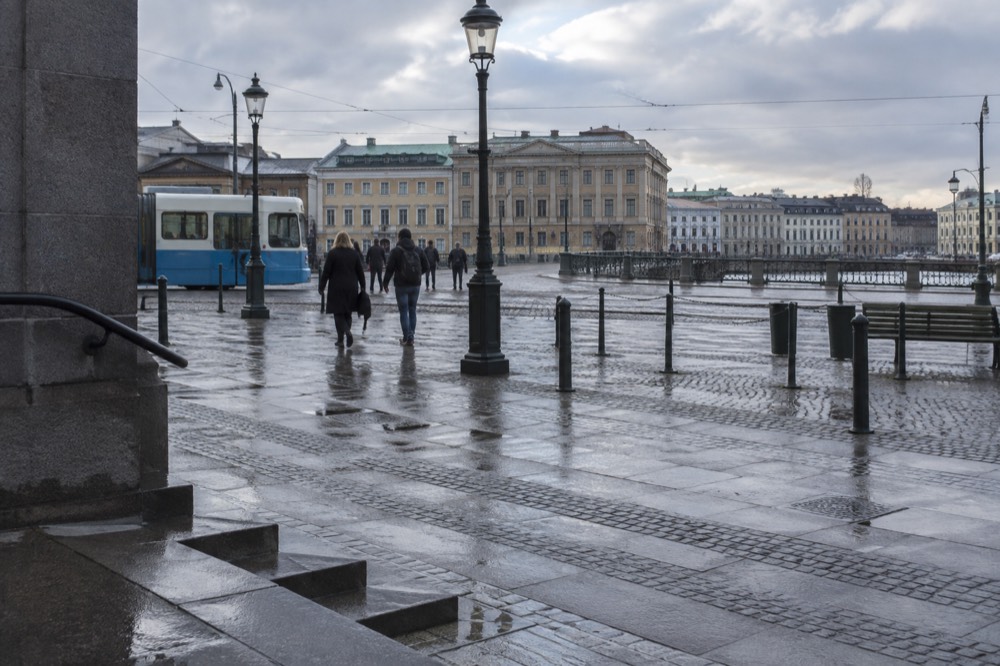
| Factor | Ferry from Germany | Fly to Landvetter |
|---|---|---|
| Door-to-door time from the UK | Two days with the Continental leg | Under a day |
| Luggage and car | Car carried, no baggage limits | Car hire extra, baggage limits apply |
| Arrival transfer | Walk or tram from Masthuggskajen | 20-minute Vy flygbussarna coach |
| Sleep | Cabin night included | Hotel night needed either way |
| Best for | Drivers, families, slow travellers | City breaks, short trips |
One seasonal note that belongs in this comparison: Gothenburg's biggest attraction keeps an irregular calendar, and it does not matter how you arrive if you have not checked it. Liseberg's summer season in 2026 runs 18 April to 20 September, with Halloween 2 October to 1 November and the Christmas market 14 November to 23 December, and the park is closed for long stretches outside those windows, including the whole of late winter. Our best time to visit Gothenburg guide works through the trade-offs month by month, and the Gothenburg Christmas market guide is the one to read if your sailing is a December one.
What Is It Like to Arrive in Gothenburg by Sea?
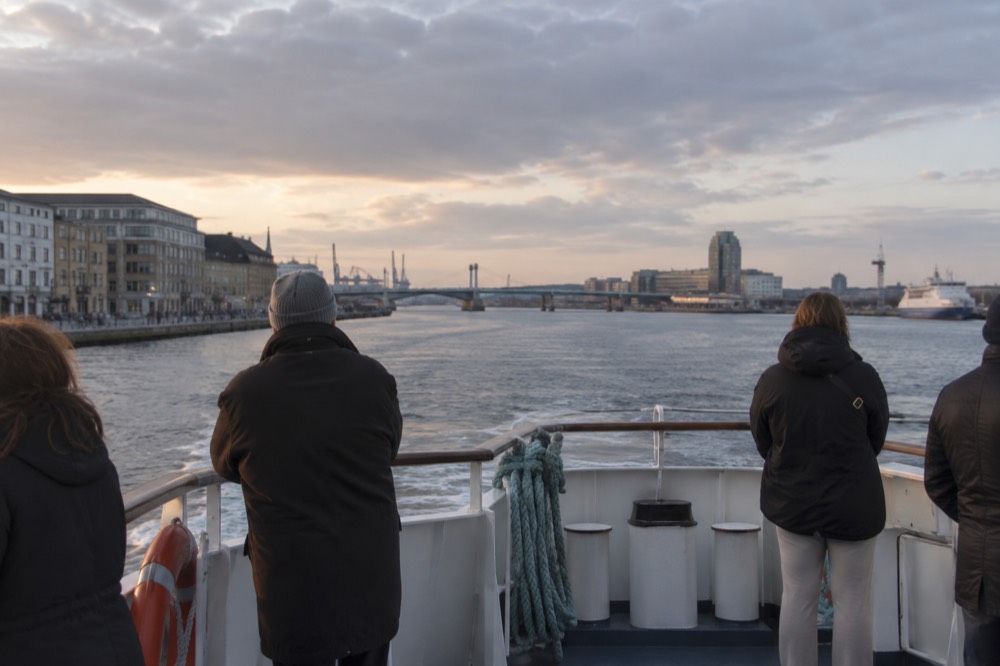
Arriving by ferry gives you the approach no flight can: the ship comes in through the river mouth, past Älvsborgsbron and the island belt, and ties up at a terminal that is already in a central neighbourhood, so the transition from sea to city takes minutes rather than an hour. The practical effect is that your first morning can be a real sightseeing morning, with a viewpoint, a café street or an island ferry all reachable before noon without a transfer in between.
The geography explains the charm. Gothenburg sits where the Göta älv meets the Kattegat, Dutch engineers laid out the old town inside a moat, and the southern archipelago, Styrsö, Brännö, Vrångö, Donsö, Asperö and Köpstadsö, is car-free and inside the city's own Västtrafik zone. An ordinary ticket covers the tram to Saltholmen and the ferry out to the islands, so the sea theme of your arrival can simply continue for a day, which is exactly what the cruise picks below are for.
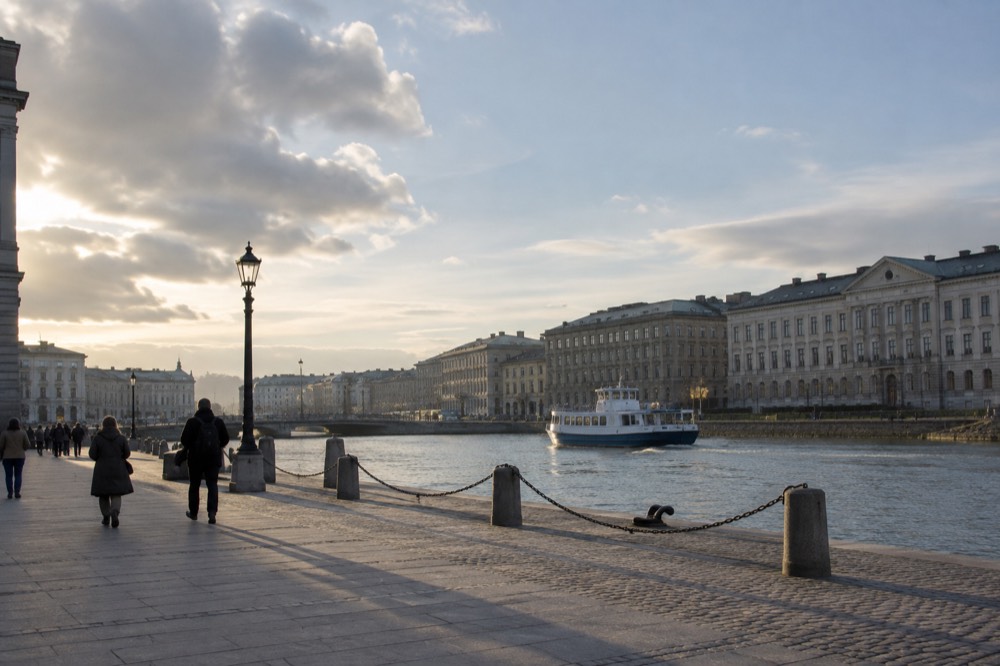
The guided archipelago cruise is the most-reviewed boat experience in the city, and the canal cruise shows you the moat the city was built inside. Either pairs naturally with a ferry arrival.
If you would rather stay on dry land for the first day, the walk from Masthuggskajen toward the centre passes through the Majorna district and its second-hand quarter, and the fish-church food hall at Feskekôrka, reopened in 2024 with five restaurants, is a short detour for a first meal, as our Feskekôrka guide explains.
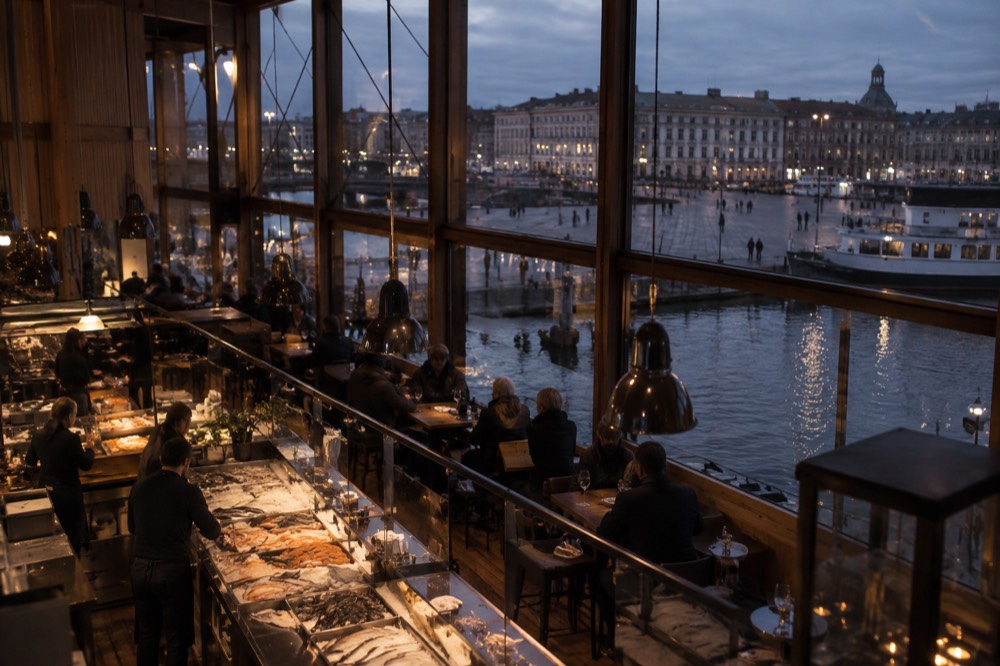
For a slower arrival still, the canal cruise through the old moat is the gentlest possible introduction to the city's layout.
And if the ferry has whetted an appetite for boats generally, the amphibious bus remains the one tour that does both land and water in a single hour. Between the three of them, a ferry arrival can fill two full days without repeating a single stretch of water.
Common Questions About Ferries to Gothenburg
Is there a direct ferry from the UK to Gothenburg?
No. The realistic sea route from Britain is a Channel or North Sea crossing to the Continent, then Stena Line's overnight sailing from Kiel in Germany, or the shorter crossing from Frederikshavn in Denmark. No passenger ferry sails directly between a UK port and Gothenburg.
Where do ferries to Gothenburg dock?
Stena Line ferries berth at Masthuggskajen on the Göta älv, inside the city and within Västtrafik Zone A. The centre is a short tram ride away on a 38 kr single ticket, or a walkable distance along the river.
How long is the ferry from Germany to Gothenburg?
The Kiel to Gothenburg sailing runs overnight, so the crossing doubles as a night's accommodation. Exact sailing days and departure times vary by season, so check Stena Line's own timetable before planning connections.
Is the ferry to Gothenburg cheaper than flying?
It depends on the party. Ferry fares are dynamic like flights, but a cabin night, unlimited luggage and a carried car are included in ways flights never offer, so drivers and families often come out ahead. Solo city-break travellers usually find flying cheaper and faster.
Can I bring a car on the ferry to Gothenburg?
Yes, cars are carried and charged by length. Note that the southern archipelago islands are car-free, so a car is useful for day trips to Marstrand and the Bohuslän coast, not for the city islands, which are covered in our day trips from Gothenburg guide.
How do I get from the Gothenburg ferry terminal to my hotel?
Tram, taxi or on foot. The terminal is in Zone A, so a single adult ticket costs 38 kr and a 24-hour Zone A ticket 125 kr, the latter also covering the archipelago ferries if your first day heads straight out to sea.
For everything that comes after the arrival, Gothenburg Travel Guide covers the city district by district, from the wooden lanes of Haga to the islands at the tram's western end. If you are weighing the sea route against the train instead, the Gothenburg to Stockholm by train and how many days you need in Gothenburg guides finish the planning picture.