What Do People Do in Sweden for Fun? What Gothenburg Actually Offers
What Swedes do for fun, from fika and friluftsliv to Liseberg and archipelago swims, and how Gothenburg delivers all of it in one city.
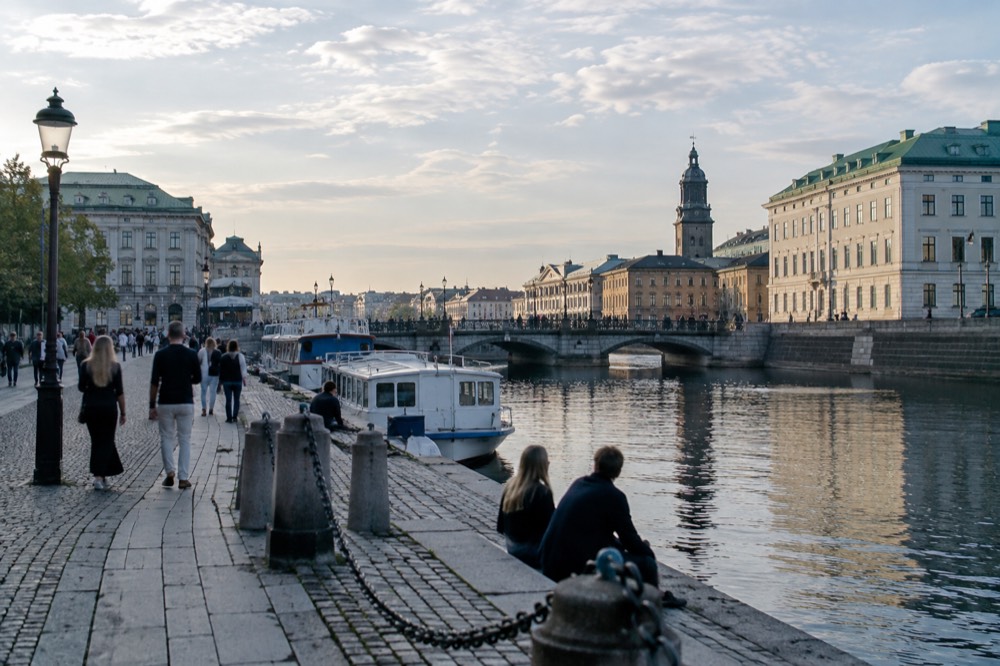
Swedish fun is built around three habits that travel well: the coffee break called fika, the outdoors habit called friluftsliv, and a national willingness to swim in cold water. Gothenburg, on the west coast, is arguably the best single place to watch all three happen, because the city owns a car-free archipelago, a 12-line tram network that runs to the ferry dock, and an amusement park that drew roughly 2.5 million guests in 2025 according to Liseberg's own annual report. This page on Gothenburg Travel Guide explains what people in Sweden actually do for fun, and where in Gothenburg a visitor can join in.
What Do Swedes Actually Do for Fun in Everyday Life?
Most everyday Swedish fun is cheap, outdoors and social: the daily fika coffee break, walks and barbecues in parks and forests, club sport and gym training, Friday sweets, cinema, and, in Gothenburg specifically, riding the tram to a car-free island for a swim or a walk. The pattern is low-key, scheduled around daylight, and it peaks in summer when the evening lasts until after 22:00.
The word that explains most of it is friluftsliv, literally "open-air life". It covers everything from a lunchtime walk to a week in a cabin, and it is treated as a normal part of the week rather than a holiday activity. Swedavia's passenger numbers for Landvetter, 5.4 million in 2025, hint at the travel side of it, but the everyday side happens within walking distance of home: a park, a trail, a lake, a sauna. The habit is old, cheap and entirely uncommercial, which is why it barely shows up in tourist marketing even though it is the single most Swedish thing a visitor can join.
Fika is the other pillar. It is a coffee-and-bun break taken with colleagues or friends, and it is structured enough that workplaces schedule it into the working day. The habit is explained in detail in what fika means in Sweden, and the short version is that it is a social institution, not just a snack. The cinnamon bun, the kanelbulle, is the standard accompaniment, and a proper fika involves sitting down. Taking coffee back to your desk is tolerated in Swedish offices the way skipping lunch is elsewhere: technically possible, socially suspect.
Friday candy, lördagsgodis, is a third ritual worth knowing about. Children and adults alike save sweets for the weekend, and the tradition dates back to mid-century dental health campaigns that recommended concentrating sugar intake into one weekly sitting. The result is that Saturday in Sweden comes with a bag of pick-and-mix, and the candy aisles in supermarkets are built for it. It sounds trivial, but it is a genuine piece of how the week is structured, and a visitor in a Gothenburg kiosk on a Saturday will see it in action.
Club sport is the fourth pillar. Sweden has one of the highest rates of club membership in Europe, and the typical arrangement is a local sports club for children and a gym or running group for adults. Football, floorball and ice hockey dominate the club calendar, and in Gothenburg the youth football tournament Gothia Cup brings the scale of this into view every July, when tens of thousands of teenagers from around the world take over the city's pitches.
Gothenburg adds its own layer. The city's guest-night statistics, published by Göteborg & Co, show over 6 million commercial guest nights in 2025, a record year, with international guest nights up about 15% year on year. The local version of fun is unusually maritime: boats, islands and harbourside saunas. What the city is known for more broadly is covered in what Gothenburg is known for, and the nickname "Little London" has its own story, told in why Gothenburg is called Little London.
What Do People in Gothenburg Do for Fun on a Normal Weekend?
A normal Gothenburg weekend looks like this: a tram ride to Saltholmen, a ferry to a car-free island such as Styrsö, Brännö or Vrångö for a walk and a swim, then fika or a beer back in the city, often in the Haga or Linné quarters. In winter the same crowd shifts to saunas, museums, ice baths and the Christmas market at Liseberg.
The archipelago is the part that surprises visitors most, because it is not a day trip. The southern islands are areas of the city of Gothenburg, and an ordinary Västtrafik ticket covers both the tram and the ferry. Västtrafik's own zone map shows the boats as part of the Zone A network, so a 125 kr 24-hour ticket buys the tram, the ferry and every island in one go. Private cars are banned on the islands; Göteborgs Stad's own planning study states that the southern archipelago is protected from car traffic, with exceptions only for taxi, accessible transport and emergency services.
The islands themselves are small and walkable. Styrsö has a village feel and a couple of seasonal cafés, Brännö is flat and popular with families, and Vrångö, the furthest out, has the best swimming beaches and the shortest crowds. The ferry ride is part of the fun rather than a means to an end: the boats thread between granite skerries, and the trip out from Saltholmen takes under an hour even to the farthest island. Locals treat the whole thing as a normal Saturday, which is exactly why it works as an answer to what people do for fun here.
Swimming is a year-round habit, with a seasonal twist worth knowing. SMHI's quality-controlled sea temperature record from the Vinga lighthouse station, built from more than 61,000 hourly observations, shows the water peaks in August at 18.6 C, not July, and that September water (16.7 C) is actually warmer than June water (16.2 C). February is the coldest month at 2.7 C, with a recorded low of -1.2 C, because brackish Kattegat water freezes below zero. Cold-water swimmers go in anyway, usually paired with a sauna, and the sauna-boat and hot-tub tours in the harbour have turned the habit into something a visitor can book. Whether the archipelago justifies the ferry ride is answered in is the Gothenburg archipelago worth visiting.
Back in the city, the weekend pattern is neighbourhood-based. Haga, the wooden old quarter, fills with café queues by late morning. The Linné quarter's bars fill in the evening, and the second-hand shops of Majorna do steady trade on Saturdays. The city's restaurant scene, heavy on seafood, is covered in what food Gothenburg is famous for. None of this requires a car, which matters, because the tram network carried 126 million journeys in 2025 according to Göteborgs Spårvägar, and the western terminus at Saltholmen connects directly to the archipelago ferries.
Where Do Swedes Go for Big-Ticket Fun?
The big-ticket answers are Liseberg, the amusement park that dominates Gothenburg's summer, the archipelago boat trips, and the festivals: Way Out West in August, the Christmas markets in December, and ice hockey and football at Ullevi. Liseberg alone drew about 2.5 million guests to the park in 2025, and its 2026 summer season runs 18 April to 20 September.
Liseberg is the largest amusement park in Scandinavia and the single biggest fun destination in the city. Its calendar is irregular in a way that catches visitors out: the park closes after the summer season, reopens for Halloween from 2 October to 1 November, runs the Christmas market from 14 to 23 December, and then shuts until mid-April. Entry and rides are sold separately, and the park's own ticket page says so plainly: a 95 kr entry ticket includes no rides, and a combined entry-plus-ride pass starts at 365 kr online. Whether it beats Copenhagen's Tivoli is a fair question, argued in is Liseberg or Tivoli better.
The festival calendar fills the rest of the year. Way Out West, held in Slottsskogen park each August, is Sweden's biggest urban music festival, and it sells out the city's hotels for one weekend. Gothia Cup, the youth football tournament, brings tens of thousands of teenagers to the city each July. The film festival takes over cinemas in late January, which is also when Gothenburg's museums and bathhouses do their busiest trade, because daylight on 21 December lasts just 6 hours 32 minutes against 18 hours 06 minutes on 21 June, according to US Naval Observatory data for the city's latitude of 57.7 degrees north.
The table below sets the big-ticket options against each other, using the season dates and prices published by the operators themselves.
| Big-ticket fun | When | What it costs | The catch |
|---|---|---|---|
| Liseberg summer | 18 Apr to 20 Sep 2026 | Entry from 95 kr, entry plus rides from 365 kr online | Entry ticket includes no rides; closed until mid-April |
| Liseberg Halloween | 2 Oct to 1 Nov 2026 | Prices on the park's own calendar | A short window between summer and Christmas seasons |
| Jul på Liseberg | 14 to 23 Dec 2026 | Prices on the park's own calendar | Closes on 23 December, not through the holidays |
| Archipelago ferry day | Ferries run year-round from Saltholmen | 125 kr 24-hour Zone A ticket covers tram and ferry | Islands are car-free; pack for wind and weather |
| Guided archipelago cruise | Daily departures in season | From $44 per person per the listing | 2.5 hours; a tour, not an island stop |
| Way Out West | August | Festival passes on the event's own site | Accommodation sells out months ahead |
The paid tier stacks up differently depending on the season you land in, and the single most common planning mistake is assuming Liseberg is open. A visitor arriving in late January or early March finds the biggest attraction in the city shut, and the fun shifts entirely to the indoor tier: museums, saunas, bathhouses and sport.
What Do Swedes Do for Fun in Winter?
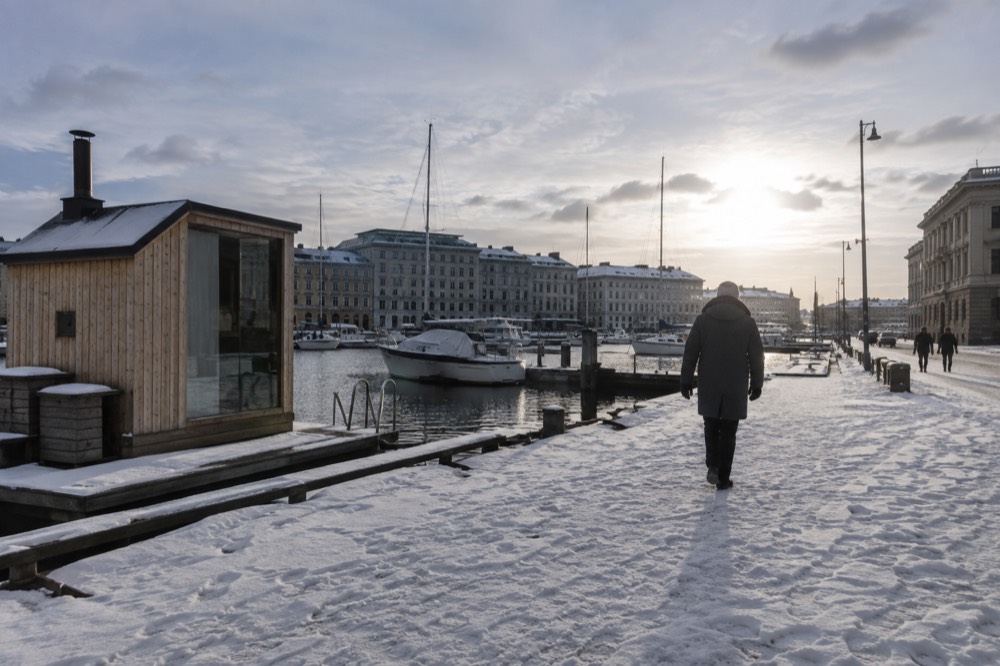
Winter fun in Sweden is indoor and water-based: saunas and cold baths, ice hockey, museums, film, and long dinners, plus the Christmas markets that run through December. In Gothenburg that means sauna boats and harbour hot tubs, the Jul på Liseberg market from 14 to 23 December 2026, and the city's museums, several of which are free.
The darkness shapes everything. On the winter solstice Gothenburg gets 6 hours 32 minutes of daylight, and civil twilight extends the grey light to roughly eight hours. Swedes respond by moving fun indoors and into water: the sauna-and-dip routine, bathhouses, and the Christmas season. The contrast with June is extreme, and it is the reason the summer months feel almost frantic with activity, because everyone knows what is coming. In June, civil twilight runs from about 03:00 to 23:30 local time, leaving only about three and a half hours of true night.
Göteborgs konstmuseum, with about 250,000 visitors a year and 70,000 works in the collection, is a standard rainy-day answer, and its day ticket costs 75 kr, with free entry for anyone under 20. One planning note matters: the museum's own rebuild page says it closes in 2028 and reopens in 2032, and there is intermittent blasting near the building right now, which the museum flags for sensitive visitors. Universeum, the science centre, is open every day of the year from 10:00 to 18:00, with dynamically priced tickets and a booked entry time, so there is no fixed adult price to quote.
Christmas is the biggest winter event. Jul på Liseberg, with its market and lights, is the city's centrepiece, and the question of whether Gothenburg is worth visiting at that time of year is covered in is Gothenburg worth visiting at Christmas. Ice hockey at Scandinavium and football at Ullevi carry the sports crowd through the dark months, and the sauna boats in the harbour run all year, which is the point of them.
How Much Does Swedish Fun Cost?
Everyday Swedish fun is cheap to free: fika costs the price of a coffee and a cinnamon bun, parks and the Slottsskogen zoo cost nothing, and a 125 kr 24-hour Västtrafik ticket covers trams and archipelago ferries all day. The paid tier starts around 95 kr for Liseberg entry and rises through boat tours and festival tickets, while alcohol is taxed hard and anything above 3.5% ABV is sold only by Systembolaget.
The free tier is genuinely large. Slottsskogen's zoo is free, the archipelago beaches are free, and the islands themselves cost nothing beyond the ordinary transport ticket. Fika, the most Swedish fun of all, is a coffee and a kanelbulle. The paid tier is where the tourist economy lives: Liseberg's combined entry and ride ticket starts at 365 kr online, and the boat tours in the harbour run from about 28 kr for a canal cruise upward, per the listings.
Alcohol is the budget's sharpest edge. Swedish law, Alkohollag (2010:1622), reserves everything above 3.5% ABV, plus all wine and spirits, for the state monopoly Systembolaget, which is why supermarket beer is the weaker folköl version of the same brand. A night out therefore costs more than most visitors expect, a point unpacked in is Gothenburg cheap or expensive. The statute, published in the Swedish code of statutes at riksdagen.se, is the reason a Swedish supermarket beer tastes weaker than its label suggests abroad.
One transport nuance saves money for longer stays but not short ones. A temporary state subsidy currently halves every 30-day period ticket, cutting a Zone A adult monthly from 890 kr to 445 kr, but Västtrafik states the support covers travel through the end of the year and does not apply to the 24-hour and 72-hour tickets visitors actually buy. The 24-hour Zone A ticket remains 125 kr. Anyone writing "transport is half price in Gothenburg" is mixing the two up.
The cost of fun, at a glance:
| Activity | Typical cost | Notes |
|---|---|---|
| Fika (coffee and bun) | The price of a café visit | The everyday baseline; every neighbourhood has options |
| Tram plus archipelago ferry day | 125 kr adult, 24-hour Zone A | Covers tram, ferry and every island |
| Slottsskogen park and zoo | Free | Open year-round |
| Liseberg entry | From 95 kr online | Rides sold separately, from 310 kr for a ride pass |
| Göteborgs konstmuseum | 75 kr day ticket | Free under 20; closes 2028 for rebuild |
| Canal sightseeing cruise | From $28 per person per the listing | 50 minutes through the city's moat |
Common Questions About What People Do in Sweden for Fun
What do people do in Sweden for fun?
Fika, friluftsliv and sport are the everyday answers: coffee breaks, park and forest walks, club training, and cold-water swimming. In Gothenburg add the archipelago ferries, Liseberg, and harbour saunas.
What is friluftsliv?
It translates as "open-air life" and covers all outdoor recreation, from a lunchtime walk to island hikes. It is treated as a normal weekly habit rather than a holiday activity.
What do Swedes do on weekends?
Long walks, swims or saunas, fika with friends, Friday sweets, sport, and in summer, anything on or near water. Gothenburg residents ride the tram to Saltholmen and the ferry to the car-free islands on the same ticket.
Is Liseberg open all year?
No. Its 2026 calendar is summer from 18 April to 20 September, Halloween from 2 October to 1 November, and the Christmas market from 14 to 23 December. The park is closed from late December to mid-April, apart from winter weekend openings in the Kaninlandet children's area.
Can you swim in Gothenburg?
Yes, and later in the year than most visitors expect. SMHI's Vinga station data shows the sea peaks in August at 18.6 C and stays warmer in September (16.7 C) than in June (16.2 C).
Is fun in Sweden expensive?
Everyday fun is cheap: parks, beaches, the free zoo and the 125 kr all-day transport ticket. Paid attractions and alcohol are the expensive parts, since anything above 3.5% ABV is sold only through the state monopoly.
The short version of Swedish fun: it is closer to the ground than the clichés suggest. Coffee, cold water, forest paths and one very large amusement park, all reachable by tram.