Gothenburg for First-Time Visitors: What to Know, See and Skip
Gothenburg is Sweden's second city, a harbour town of trams, granite and painted wooden houses where the southern archipelago is technically part of the municipality. Here is what a first visit actually involves.
Short answer
Plan on two or three days in the city centre, buy a 24-hour Västtrafik Zone A ticket for 125 kr, ride the tram to Saltholmen and the ferry onward to the car-free islands, and remember that Liseberg closes for most of the spring and that its 95 kr entry ticket includes zero rides.
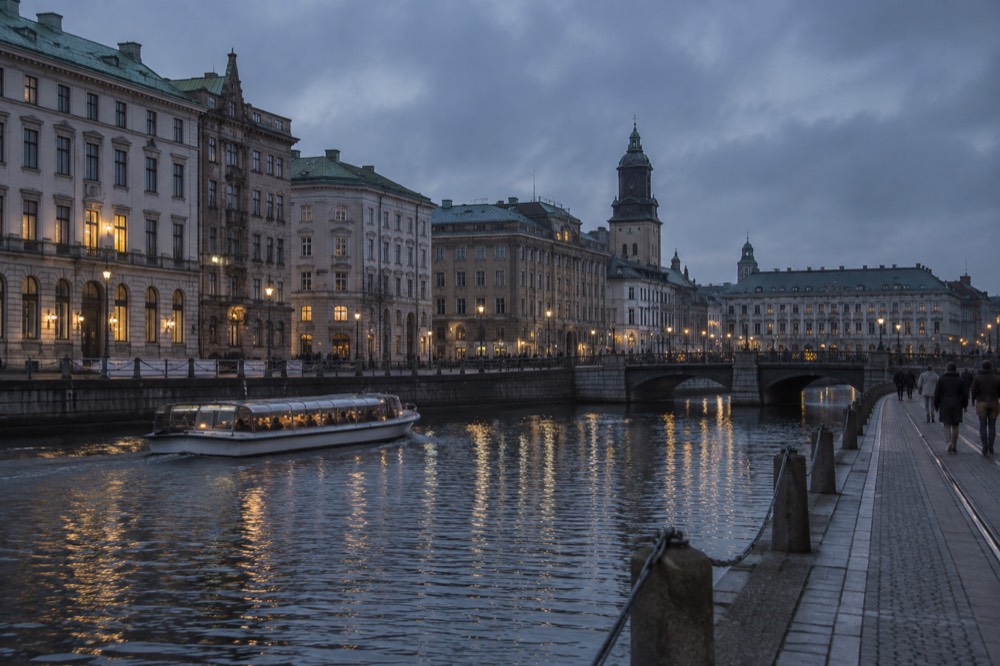
Gothenburg, Sweden's second city, sits where the Göta älv river meets the Kattegat, and 613,274 people live inside the municipality, which is larger than most visitors expect because it includes a string of car-free islands in the sea. The city recorded over 6 million commercial guest nights in 2025, a record year with the strongest growth in Sweden, driven largely by international visitors. Dutch engineers laid out the original town inside a moat in the seventeenth century, and the street pattern of the old core, Inom Vallgraven, still follows those ramparts. This guide from Gothenburg Travel Guide covers what a first visit actually requires: how the trams and tickets work, what the big attractions really cost, where to sleep, and how the archipelago fits into an ordinary day.
Is Gothenburg Easy for First-Time Visitors?
Yes, unusually so for a Nordic city, because one ticket system covers almost everything you will do. The trams run on 12 lines across 188 km of single track, the airport coach takes 20 minutes to the centre, English is spoken almost everywhere in tourism-facing businesses, and the southern archipelago ferries are part of the same Västtrafik network as the trams, so a single day ticket covers the boat out to sea.
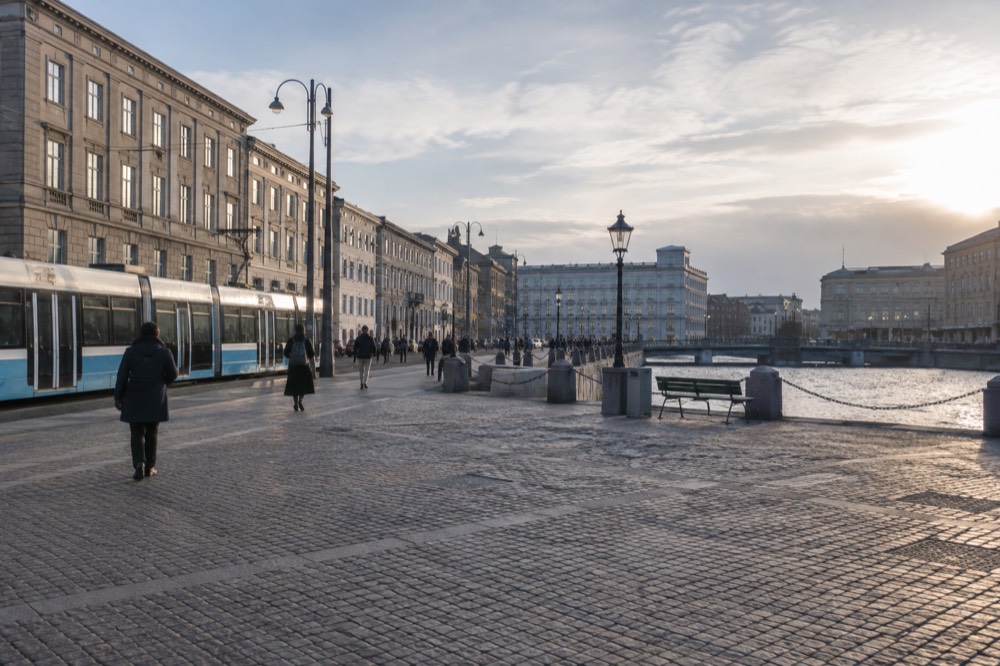
The city is compact. The old core, the avenue Avenyn, the Haga wooden quarter and the harbour all sit within roughly two kilometres of each other, and Göteborg Centralstation anchors the whole system. Göteborgs Spårvägar, the tram operator, recorded 126 million journeys in 2025, which tells you how much of the city's life happens on rails.
Two things genuinely surprise first-timers. First, the southern archipelago islands, Styrsö, Brännö, Vrångö, Donsö and the rest, are areas of Gothenburg, not day trips. You ride a tram west to Saltholmen and a ferry onward, on the same ticket. Second, the weather reputation is exaggerated: SMHI's 1991-2020 normals for station Göteborg A show 912 mm of rain across 127 days a year, about one day in three, with April the driest month at 51.3 mm. October is the wettest at 102.9 mm, after most tourists have gone home.
For a sense of the city before the practicalities, read what Gothenburg is known for and our comparison with the capital, or start with the essentials below.
How Do You Get from Landvetter Airport to Gothenburg City Centre?
The airport coach branded Vy flygbussarna runs from Landvetter Airport via Korsvägen to Göteborg C, the Nils Ericson Terminal, in 20 minutes, and there is no rail link to the airport at all. Västtrafik bus 612 also serves the airport, but it goes to Landvetter the town in 14 minutes, not to Gothenburg city, so the coach is the option that matters for a visitor.
Swedavia, the airport operator, states the 20-minute journey time directly on its airport bus page, and Landvetter handled 5,435,850 passengers in 2025, making it Sweden's second-largest airport. The coach brand changed from Flygbussarna to Vy flygbussarna, so older guides and older signage are out of date. The exact one-way fare is on the operator's own site and varies with promotions, so check the live listing rather than a printed number here.
FlixBus line 691 is an alternative, running Landvetter Airport, Korsvägen, Kungsportsplatsen, Göteborg C, and there is also a daily coach onward to Stockholm Arlanda. Guided airport tours, which Swedavia once offered, are currently not offered at all.

We cover the whole transfer question, including taxis and costs, in Landvetter Airport to the city centre.
How Do Trams, Tickets and Zones Work in Gothenburg?
A single adult ticket for one zone costs 38 kr, and a 24-hour Zone A ticket costs 125 kr in the app or a shop, the same price either way. Zone A covers Gothenburg, Partille, Mölndal and Öckerö, which includes every tram line you will use and the archipelago ferries from Saltholmen, so for most first visits one Zone A day ticket is the only fare you need to understand.
You buy tickets in the Västtrafik To Go app or at ticket machines and shops, and you tap in when boarding. You do not tap out. Youth fares, for ages 7 to 19, are cheaper, with a single at 29 kr. Both prices come straight from Västtrafik's own Zone A day-ticket page.
One nuance worth knowing because it is actively misreported: a temporary state subsidy currently halves every 30-day period ticket, cutting a Zone A adult monthly from 890 kr to 445 kr, but Västtrafik states the subsidy applies for travel through the end of the year and it does not cover the 24-hour and 72-hour day tickets a visitor actually buys. Your 24-hour ticket is still 125 kr. Do not plan around the headline discount.
| Ticket | Adult | Youth (7-19) | Notes |
|---|---|---|---|
| Single, 1 zone | 38 kr | 29 kr | Tap in, no tap out |
| Single, 2 zones | 76 kr | 58 kr | Rarely needed in the city |
| Single, 3 zones | 114 kr | 87 kr | For regional trips |
| 24-hour, Zone A | 125 kr | 95 kr | Covers trams and archipelago ferries |
The full fare and zone picture, including the 30-day subsidy detail, is in getting around Gothenburg.
What Should You Actually See in Gothenburg on a First Visit?
The core first-day list is short: the canal and old town core of Inom Vallgraven, the wooden quarter of Haga with its cafés, the harbour and Maritiman's floating museum ships, the view from Masthuggskyrkan's hill, and Slottsskogen park with its free zoo. Everything on that list is free to walk through except Maritiman, and all of it sits on or near a tram line.
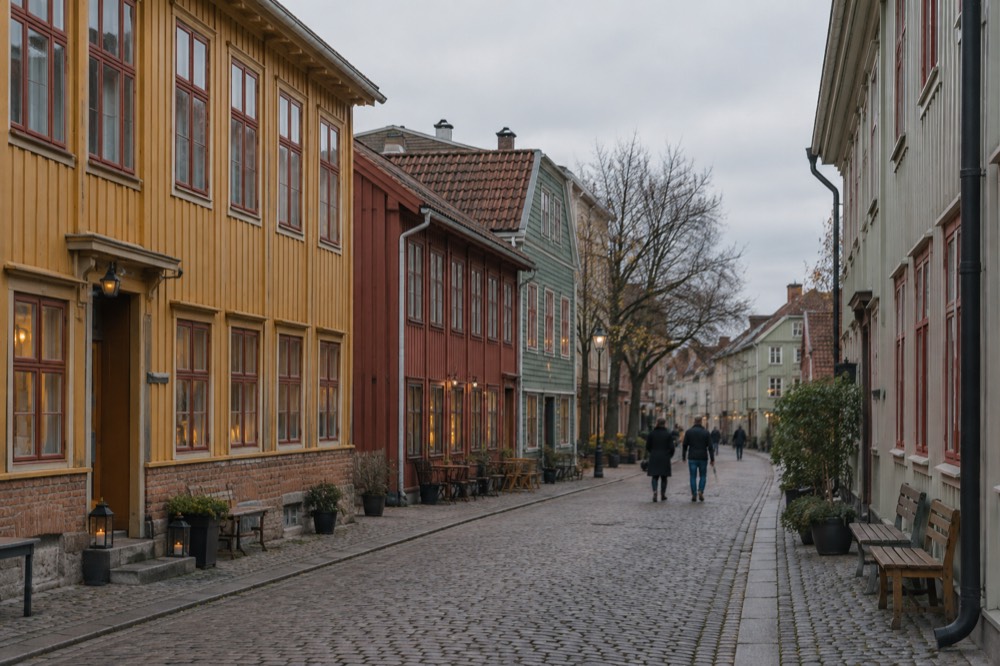
Haga is the city's oldest preserved suburb, a grid of painted wooden landshövdingehus buildings from the nineteenth century, and its main street, Långgatan, is lined with second-hand shops and cafés. The classic pairing is a cinnamon bun at one of the old bakeries, then the short climb to Skansen Kronan, the hilltop fort, for the skyline. Our Haga guide covers the quarter street by street.
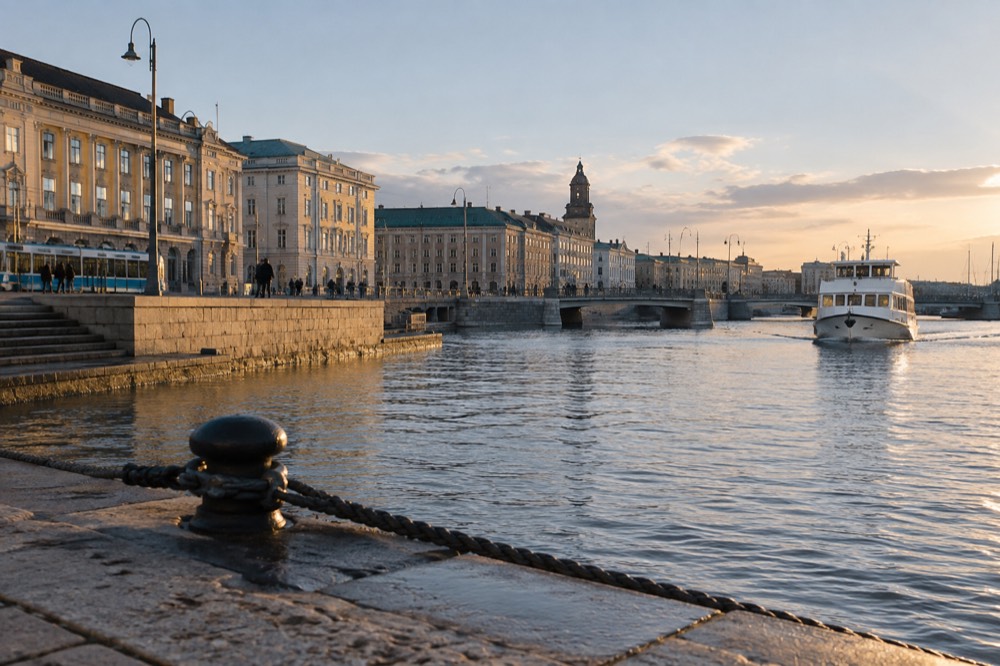
The harbour is the other half of the city's identity. Paddan boats run sightseeing trips along the canal from Kungsparken, and the amphibious bus tour, which drives into the river mid-route, is the single most-reviewed sightseeing product in the city, rated 4.7 from 4,326 reviews on its listing, from $36 per person. It is a genuinely efficient way to see the moat, the harbour and the Avenyn in one hour.
For viewpoints, the church on Masthuggskyrkan's hill gives the postcard panorama of the city, rooftops and harbour in one frame, and it is free. Our city viewpoints guide ranks the rest.
Slottsskogen, the huge park in the south of the centre, holds a free zoo with Nordic animals, seals and penguins included, and it is where locals spend every sunny weekend. Our Slottsskogen guide has the details.
For a slower introduction, the 50-minute canal sightseeing cruise, rated 4.7 from 783 reviews and from $28 per person, runs the moat route that the old Dutch engineers designed.
Is Liseberg Worth It, and What Does It Really Cost?
Yes, but the pricing is split in a way that catches visitors out: park entry starts at 95 kr online and buys zero rides, a ride pass alone starts at 310 kr, and the combined entry plus unlimited rides ticket starts at 365 kr, with children under 110 cm entering free. Liseberg's own ticket page states plainly that the entry ticket does not include attractions.
The bigger trap is the calendar. For 2026 the summer season runs 18 April to 20 September, Halloween runs 2 October to 1 November, and the Christmas market runs 14 November to 23 December, all published on Liseberg's own tickets and prices page. Between those seasons the park is closed, which means late January, February, March and most of early April have the biggest attraction in the city shut. New for 2026, the Kaninlandet children's area also opens on winter weekends and school holidays, which softens the gap for families.

| Liseberg ticket | Online from | What it includes |
|---|---|---|
| Entré | 95 kr | Park entry only, no rides |
| Åkpass | 310 kr | Unlimited rides, entry not included |
| Entré + Åkpass | 365 kr | Entry plus unlimited rides |
| Entré + Åkpass Kväll | 275 kr | Same, valid from 18:00 |
Liseberg is not sold on any booking platform; you buy from the park directly, and online prices are lower than on-site. Roughly 2.5 million people visited the park itself in 2025, so summer weekends get dense. Our Liseberg rides and tickets guide covers which rides need which heights, and the seasons guide covers the Halloween and Christmas events.
Which Museums Should a First-Time Visitor Book?
The two that matter most are Universeum, the science centre open every day of the year from 10:00 to 18:00 with dynamically priced timed entry, and World of Volvo, the 2024 exhibition centre whose tickets start from 120 SEK online. The old Volvo Museum at Arendal closed permanently in December 2023, so any guide directing you to Gustaf Larsons Väg is sending you to a shut building.
Universeum has no fixed published adult price at all: admission is demand-based with a booked time slot, buying on-site costs the online price plus 30 kr, and the venue is cashless. All exhibitions, including the rainforest hall and aquarium, are included, but Wisdome dome shows are a separate ticket. Busy days sell out, so book ahead. Our Universeum guide explains the pricing system properly.
Göteborgs konstmuseum, on Götaplatsen at the top of Avenyn, charges 75 kr for a day ticket, admits children and students free, and includes the Hasselblad Center. One planning note that most guides will not carry for years: the museum's own rebuild page states it closes in 2028 and reopens in 2032, and there is intermittent blasting near the building right now. Visit sooner rather than later. See our museum of art guide.

For a sweep of everything from the city museum to the design museum, our Gothenburg museums overview ranks them, and free museums in Gothenburg covers the no-cost options.
How Do You Visit the Gothenburg Archipelago?
Ride tram 9 or 11 west to Saltholmen, the western terminus of the tram network, then board a Västtrafik ferry to Asperö, Brännö, Styrsö, Donsö, Vrångö or Köpstadsö, all on the same Zone A ticket you used in the city centre, because Västtrafik's own materials state you can ride one ticket all the way from the centre out to sea. Private cars are banned on the islands.
This is the single best-value fact in Gothenburg. A 125 kr 24-hour Zone A ticket covers the tram to Saltholmen, the ferry out, and island hopping between the islands for a full day. Göteborgs Stad's own study states the southern archipelago islands are protected from car traffic, with only taxi and emergency exceptions, so everything moves on foot, bicycle and ferry.
If you would rather have someone else handle the boat logistics, a guided archipelago cruise runs 2.5 hours from the harbour, rated 4.4 from 1,488 reviews and from $44 per person.
The islands differ enough to choose between: Styrsö has the most services, Vrångö is the quietest and has the best swimming rocks, Brännö is flat and walkable. Our southern archipelago guide compares them island by island, and how to get to the archipelago covers every ferry line and timetable quirk. The wider context is in the Gothenburg archipelago.
Swimming is better than most visitors plan for. SMHI's quality-controlled observations at Vinga show the sea peaks in August at 18.6 C, not July, and September water at 16.7 C is actually warmer than June water at 16.2 C. A September dip is warmer than a June one, which is the opposite of how most people book.
Where Should You Stay on a First Visit?
Stay central: anywhere between Göteborg Centralstation and Avenyn puts you within walking distance of the old core, the harbour and Haga, with tram stops every few blocks. The practical districts for a first visit are the area around the station and Nordstan for transport, Avenyn and Vasastan for cafés and restaurants, and the waterfront near Stenpiren for the harbour atmosphere.
Avoid overthinking it. Gothenburg's centre is small enough that a hotel two tram stops out costs less and loses you five minutes. The one thing genuinely worth checking is whether your dates collide with major events, since the city's hotel prices spike during Way Out West in August and Gothia Cup in July.
Our full neighbourhood-by-neighbourhood breakdown, with the trade-offs for each district, is in where to stay in Gothenburg.
What and Where Should You Eat?
Start with fika, the Swedish coffee-and-bun pause, in Haga or a Vasastan café, eat seafood at Feskekôrka, the fish-church-shaped food hall that reopened in 2024 with two fish counters and five restaurants inside, and try a shrimp sandwich, the west coast's signature dish, at a harbour-side spot. Gothenburg's food identity is maritime: shrimp, oysters, langoustine and herring.
Feskekôrka is the classic stop and it changed shape recently. The 1874 building, which turned 150 the year it reopened, is now a food hall rather than only fish counters, with Haldis Kök, Pråmenaden, Victor von G, Lilla Åstol and Ekmans alongside the traditional fish sellers. Our Feskekôrka guide lists what is actually inside now.

One legal fact that affects every evening: beer above 3.5% ABV, along with all wine and spirits, is sold only through Systembolaget, the state monopoly, under Alkohollag (2010:1622). Supermarkets carry folköl up to 3.5%, which is why the same brand on a supermarket shelf often tastes weaker than abroad; it is a reformulation, not a bad batch. Bars and restaurants pour normally.
For depth, read where to eat in Gothenburg, the seafood guide and fika in Gothenburg. A guided walking and fika tour, rated 4.4 from 71 reviews and from $93 per person, bundles the café culture with the city orientation.
How Many Days Do You Need, and When Should You Go?
Two days covers the centre, Haga, the harbour and one museum; three days adds the archipelago or Liseberg comfortably; four to five lets you take a day trip to Marstrand or the Bohuslän coast. The best visiting windows are May through early September, with April the driest month of the year at 51.3 mm of rain, and September a sleeper pick because the sea is warmer than in June and the summer crowds have gone.
Daylight matters more here than in most of Europe. On 21 June Gothenburg gets 18 hours 6 minutes of daylight, with civil twilight from 02:58 to 23:30 leaving barely three and a half hours of true night. On 21 December it drops to 6 hours 32 minutes. A winter visit is a different trip, not a worse one: our Gothenburg in winter and daylight month by month guides cover what that actually feels like.
| Month | Why go | Watch out for |
|---|---|---|
| April | Driest month, 51.3 mm | Liseberg opens mid-month |
| May-June | Long days, sea warming | Sea still cooler than September |
| July | Warmest air, 18.3 C mean | Peak crowds, event hotel prices |
| August | Warmest sea, 18.6 C | Way Out West spikes hotels |
| September | Sea at 16.7 C, quiet city | Liseberg closes 20 Sept |
| December | Christmas market, cosy | 6 h 32 m daylight on the 21st |
The full seasonal breakdown is in best time to visit Gothenburg, and the itinerary math is in how many days you need. Day trips beyond the municipality, Marstrand, the Bohuslän coast, Tjolöholm, Gunnebo, are covered in day trips from Gothenburg.
Is Gothenburg Expensive?
Moderately, by Swedish standards rather than European ones: a tram day ticket is 125 kr, a museum day ticket runs 75 kr, Liseberg's combined ticket starts at 365 kr, and the free layer of the city is unusually thick, so a comfortable mid-budget day costs less than the equivalent in Stockholm or Oslo, though more than in most of continental Europe.
The free layer is what keeps costs down. Slottsskogen's zoo costs nothing, the viewpoints cost nothing, the archipelago islands cost only the ferry ticket, and several museums admit children and students free. Our cost breakdown itemises a real daily budget, and Gothenburg on a budget plus free things to do cover the cheap end.
One pass question comes up constantly: the old Göteborg City Card no longer exists. It was replaced by a commercial pass product, and unlike the old municipal card there is no confirmed public transport inclusion, so do not buy it expecting tram coverage. The city card guide runs the maths.
Common Questions About a First Visit to Gothenburg
Is Gothenburg walkable for tourists?
The core is: the old town, Haga, the harbour and Avenyn all sit within about two kilometres of each other, and most first-time itineraries can be done on foot. The trams cover everything beyond that, including Saltholmen at the western end of the network.
Do I need to book Universeum tickets in advance?
Yes. Universeum uses dynamically priced timed entry, is open every day of the year from 10:00 to 18:00, and its own ticket page warns that busy slots and whole days sell out. On-site admission costs the online price plus 30 kr and the venue is cashless.
Can you visit the Gothenburg archipelago without a car?
That is the only way to visit it. The southern islands are protected from car traffic by city regulation, and the ferries from Saltholmen are covered by an ordinary Västtrafik Zone A ticket, the same one you use on the trams.
Is Gothenburg worth visiting over Stockholm?
They are different trips. Gothenburg is smaller, more relaxed, maritime and cheaper, with the archipelago inside the city's own transport zone. Stockholm is grander and bigger. Our Gothenburg or Stockholm comparison breaks it down properly.
What is the best month for a first visit to Gothenburg?
May through September, with two nuances from the climate data: April is actually the driest month of the year, and September's sea temperature, 16.7 C, is warmer than June's, so early autumn beats early summer for swimming.
How much is a day of public transport in Gothenburg?
A 24-hour Zone A ticket costs 125 kr, the same in the app as in a shop, and covers all trams, buses and the archipelago ferries within Zone A, which includes Gothenburg, Mölndal, Partille and Öckerö.