How Much Does a Pint of Beer Cost in Gothenburg, Sweden?
What a beer really costs in Gothenburg, Sweden: the 3.5% Systembolaget rule, folköl versus starköl, bar prices versus shop prices, and why Sunday closes the off-licence.
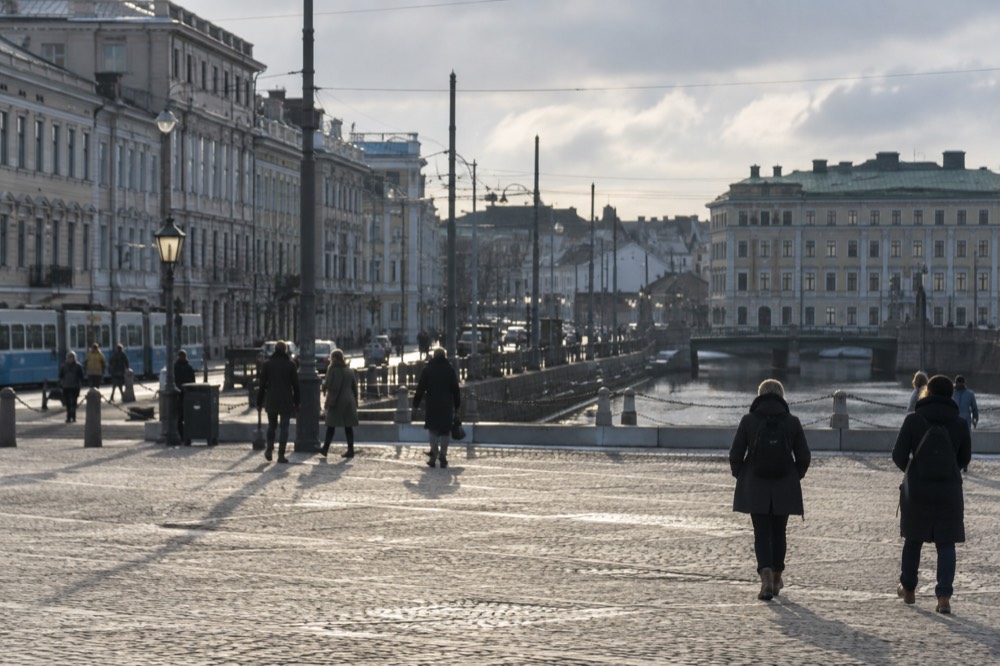
Sweden's alcohol law draws one hard line through every beer shelf and every bar tap in the country, and it sits at 3.5% ABV. Alkohollag (2010:1622), 1 kap. 8 § defines the split by name: beer above 2.25% but not above 3.5% is "folköl", and beer above 3.5% is "starköl". Everything above that line is retail monopoly territory. That statute, not any brewery or bar, is the real answer to what a pint costs in Gothenburg, because it creates two completely different price worlds for the same drink.
This page reports what the law and the verified sources say. There is no single fixed pint price to quote, because bar prices vary by venue and Systembolaget's retail prices vary by product, so where a figure is not published it is not printed here. What is verifiable is the structure: what you can buy, where, when, and roughly how the two price levels relate to each other. The full text of the statute is published by the Swedish Riksdag at riksdagen.se, and the monopoly's own store finder, which lists each branch and its hours, is at systembolaget.se. Those two official pages are the primary sources behind everything below.
Why a Pint in Gothenburg Has Two Different Prices
A beer in Gothenburg costs one price in a bar or restaurant and a different, lower price in a shop, and the gap is created by law: anything above 3.5% ABV can only be bought at retail from Systembolaget, the state monopoly, while bars and restaurants buy and serve the same strong beer freely. There is no single published pint price, so the honest answer depends entirely on where you drink it.
The monopoly rule comes straight from the statute. Alkohollag (2010:1622), 5 kap. 1 to 2 § states that only the wholly state-owned retail company may sell spirits, wine and starköl to consumers. In practice that company is Systembolaget. So the strong beer you drink in a Gothenburg pub was bought wholesale by the pub, but you as a private shopper cannot buy the same bottle in a supermarket. You have to go to Systembolaget.
Supermarkets are not beer-free, though. This is the part that surprises visitors. Every ordinary grocery store in Gothenburg sells folköl, the 3.5% category, on normal shelves with no restrictions beyond the general age limit. Swedish breweries therefore sell two versions of many beers: a starköl version for Systembolaget and bars, and a reformulated 3.5% version for the supermarket shelf. The shelf version of a brand often tastes weaker than its label suggests, and that is not a brewing accident. It is the statute at work.
The two versions are not marketing variants in the way a British brewery might sell a "session" edition. They are legally distinct products with different tax treatment and different retail channels. A brewer who wants supermarket distribution in Sweden has to formulate down to 3.5%, and many do it well, but the flavour ceiling is real. This is also why asking a Swede whether supermarket beer is "good" gets a complicated answer: the question is really about a whole separate category, not a weaker version of the same one.
The practical effect on price is that the same litre of strong beer carries very different markups depending on the channel. Systembolaget's retail prices are uniform across the country and printed on every shelf tag, so a bottle costs the same in Gothenburg as it does anywhere else in Sweden. A pub pour of the same beer adds service, premises and Swedish payroll costs on top. Nobody publishes a citywide pint average, and any number you see online is an estimate rather than an official figure, so treat specific bar prices as things you confirm on the venue's own menu or the operator's live listing.
There is a second, quieter effect worth knowing. Because the monopoly sets retail prices nationally, there is no such thing as a "cheap part of town" for buying strong beer to take home. A Systembolaget in an expensive central district and one in a working-class suburb charge identical prices for the same bottle. The price differences you will notice in Gothenburg are all on the bar side of the line, where each venue sets its own pour price. That asymmetry is unusual by international standards, and it means the smart saving strategy is about choosing your channel, not your neighbourhood.
What the 3.5% Rule Means for Beer You Buy in Gothenburg
In a Gothenburg supermarket you can only buy beer at or below 3.5% ABV, sold all week during shop hours. Anything stronger, plus all wine and spirits, is sold only at Systembolaget, which does not open on Sundays and closes early on weekdays, so Saturday is the last weekly chance to buy strong beer at retail. Bars and restaurants are unaffected and serve normally every day they are open.
The exact hours of Systembolaget branches could not be confirmed against the company's own pages, and they vary by branch, so this page does not print them. What is confirmed is the structural fact: Sunday closing is near-universal, and weekday closing comes earlier than most visitors expect. The official store finder at systembolaget.se lists each branch's hours, and that is the tool to check before you plan a shop run. If your evening plan involves beer at your accommodation on a Sunday, that beer has to be bought on Saturday or earlier.
The folköl shelf softens the blow. Because 3.5% beer is ordinary supermarket goods, a late Sunday beer run is still possible, just at a lower strength. Swedish supermarkets stock a genuinely wide folköl range now, including IPAs and lagers from the same craft breweries that sell their strong versions to Systembolaget. The price per can or bottle in a supermarket is the cheapest legal beer price in the city, though no verified figure for a typical can is published in the sources used here, so check the shelf.
| Beer category | ABV range | Where you can buy it at retail | Days you can buy it |
|---|---|---|---|
| Lättdryck (near beer) | Up to 2.25% | Any shop, any age-limited shelf rules apply | Any day shops are open |
| Folköl | Above 2.25%, up to 3.5% | Ordinary supermarkets | Any day shops are open, including Sunday |
| Starköl | Above 3.5% | Systembolaget only | Not Sunday; weekdays close early |
| All beer on draught | Any strength | Pubs, bars and restaurants | Whenever the venue is open |
The draught row matters. The monopoly is a retail rule only. A Gothenburg bar can serve a 7% IPA on a Sunday evening without any legal friction, because it bought that keg wholesale. Only the retail customer is routed through Systembolaget. This is why the city's pub scene runs seven days a week while the off-licence does not, and it is worth building your evening around.
A note on the age limit, because it interacts with the channels differently. Sweden's minimum purchase age for beer and wine is 18 everywhere, but Systembolaget applies it strictly and staff will refuse a sale without valid ID, while bars and pubs are equally firm at the door. Supermarkets apply the same 18 limit to folköl, and self-service beer shelves are rare for that reason. If you are travelling with anyone who looks young, carry ID everywhere, not just to the monopoly. Swedish venues routinely card anyone who looks under 25 or so, and that is standard practice rather than suspicion of you specifically.
Where Beer Drinkers Actually Go Out in Gothenburg
Gothenburg's beer scene is concentrated in a few walkable areas: the Linné and Långgatorna strip of bars west of the city centre, the craft breweries and taprooms around Majorna and the riverfront, and the pubs of the old town and Vasastan, most of it reachable on the tram network with a single Zone A ticket.
The Långgatorna streets, lined bar after bar, are the city's best-known drinking strip, and the Linné and Långgatorna strip sits alongside a food culture that makes bar-hopping easy. Majorna, once dockland housing and now the city's second-hand quarter, has picked up craft breweries and taprooms, and its transformation is the kind of thing a free walking tour of Majorna on GuruWalk covers on the history side. The beer itself, though, is best reached with a guide who knows which taproom has what on.
That is exactly what the guided option does. The Craft Beer Walking Tour with Tastings runs three hours from $112 per person, according to the listing, with tastings included; it has no reviews yet, which is real information about a new listing rather than a warning sign. It exists because the scene is genuinely spread out, and because Swedish beer culture has its own vocabulary, its own pouring customs and its own legal quirks that a local can explain faster than a menu can.
If you would rather find your own way, the tram does most of the work. A single Zone A ticket costs 38 kr for an adult, per Västtrafik's fare table, and covers the whole city including the ride out towards Majorna. One planning note from the same fare table: a temporary state subsidy has halved 30-day period tickets through the end of the year, but it does not touch the 24-hour and 72-hour tickets a visitor actually buys, so do not budget for half-price transport on a short stay. The fare structure itself is published by the transport authority at vasttrafik.se, and the 24-hour Zone A ticket at 125 kr is the one most beer-crawlers want, since it covers trams all day and the ferries too.
Is a Pint in Gothenburg Expensive Compared with Elsewhere?
Drinking out in Gothenburg is expensive by European standards because Swedish bar prices carry high alcohol excise duty, high payroll costs and a wholesale market routed through the state monopoly, while supermarket folköl is comparatively cheap because it is ordinary grocery goods. The gap between the shop price and the bar price for beer is therefore wider than in most countries.
Sweden taxes alcohol by volume, and strong beer carries a heavier excise burden than the 3.5% category, which pushes bar pours up before the venue adds anything. Add Swedish wage levels, which are among the higher ones in Europe, and a Gothenburg pub pour lands well above what the same beer costs at Systembolaget retail. No verified city-by-city comparison is published in the sources used here, so this page does not print a specific kr figure for a typical pint, but the structural reasons for the price level are documented in the statute and the fare and cost landscape of the city.
The honest budgeting advice is to plan for two price tiers and check the menu. A beer bought at a supermarket is the cheap tier. A beer bought in a bar is the expensive tier, and within that tier prices vary by venue, by beer strength and by neighbourhood. Visitors who want the numbers before they travel should read the is Gothenburg cheap or expensive breakdown of the wider cost picture, or the what Gothenburg is known for overview for how the city's costs fit its character.
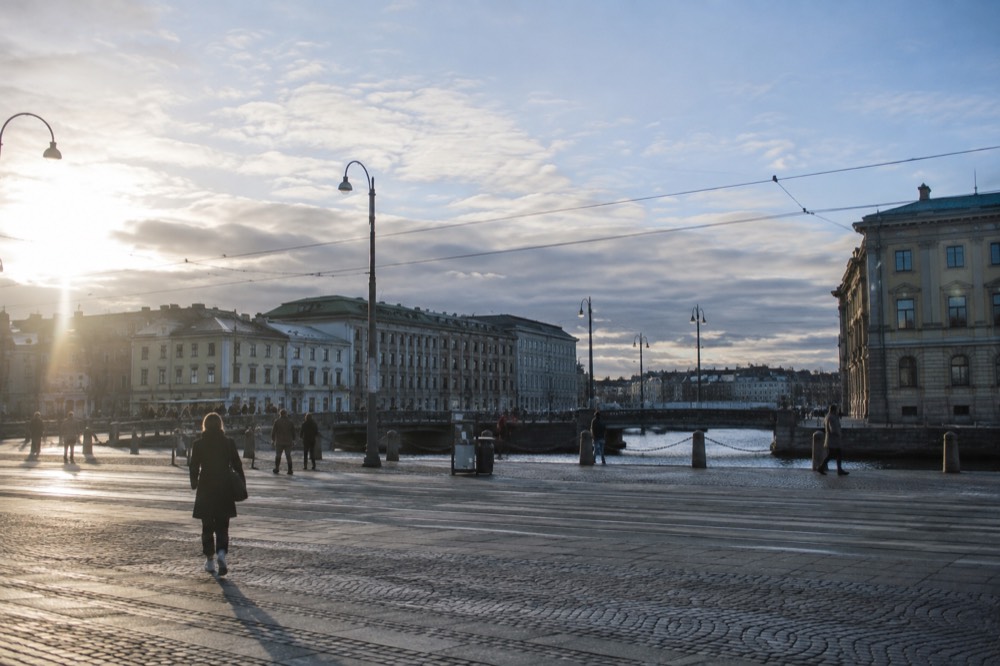
One cost that is verified and worth printing: the guided option. The Craft Beer Walking Tour with Tastings is listed from $112 per person for three hours with tastings included, and the listing shows no reviews yet. For a visitor who wants several beers without guessing at venues, that fixed price can be cheaper than an unplanned night of bar prices, and it comes with the local explanation of the 3.5% rule for free.
How to Buy Beer in Gothenburg Without Getting Caught Out
Buy strong beer at Systembolaget before early evening on a weekday or on Saturday, buy folköl at any supermarket any day, and drink in bars whenever they are open; the only trap is arriving on a Sunday expecting to buy strong beer at retail, which the law and the monopoly's opening pattern make impossible.
The Sunday trap is the one that reorganises evenings. A visitor who lands on a Sunday, checks into a hotel, and goes looking for a bottle of proper beer at retail will not find one, because the monopoly is shut. The workarounds are simple: buy on Saturday, buy folköl at the supermarket, or drink in a bar, which faces no such restriction. Planning around this is easier if you know the wider rhythm of the city, which the best time to visit Gothenburg page lays out season by season.
Age limits apply everywhere, at the monopoly, in supermarkets and in bars, and venues routinely ask for ID from anyone who looks under 25 or so, which is standard Swedish practice rather than suspicion. Payment is card-first almost everywhere in Sweden, and Systembolaget and most bars are cashless, so do not plan on paying for beer with notes.
For tasting rather than drinking, Gothenburg's beer scene also runs events and brewery visits that are best booked ahead, and the guided walks sell out in the summer season when the city is at its busiest. The is it worth visiting the Gothenburg archipelago question is the same shape: the good stuff is reachable, but the logistics reward a little planning.
Common Questions About Beer Prices in Gothenburg
How much does a pint of beer cost in Gothenburg, Sweden?
There is no single published pint price. A beer in a Gothenburg bar is the expensive tier, a supermarket folköl is the cheap tier, and the gap between them is created by Sweden's alcohol law, which routes all strong beer at retail through the state monopoly Systembolaget. Check the venue's own menu or the operator's live listing for current bar prices.
Why is beer in Swedish supermarkets so weak?
Because the law caps supermarket beer at 3.5% ABV. Alkohollag (2010:1622), 1 kap. 8 § defines beer above 2.25% but not above 3.5% as folköl, sold in ordinary shops, and anything stronger as starköl, sold only by Systembolaget. Many brands therefore sell a reformulated 3.5% shelf version of the same beer.
Can you buy strong beer on a Sunday in Gothenburg?
Not at retail. Systembolaget does not open on Sundays and closes early on weekdays, so Saturday is the last weekly chance to buy beer above 3.5% ABV at a shop. Bars and restaurants serve strong beer normally on Sundays, because the monopoly rule covers retail only.
Is beer cheaper in Gothenburg than in other Swedish cities?
Systembolaget's retail prices are uniform across Sweden, so a bottle costs the same in Gothenburg as anywhere else in the country. Bar prices vary by venue and neighbourhood rather than by city, and no verified city-by-city pint comparison is published.
What is folköl?
Folköl is the legal Swedish name for beer above 2.25% but not above 3.5% ABV, defined in Alkohollag (2010:1622), 1 kap. 8 §. It is ordinary supermarket goods, sold all week, and it is the strongest beer you can buy at retail on a Sunday.
Is there a craft beer tour in Gothenburg?
Yes. The Craft Beer Walking Tour with Tastings runs three hours from $112 per person with tastings included, according to the listing, which has no reviews yet. It walks the city's beer areas with a local guide.
The statute line at 3.5% is the whole story in miniature, and it is the one fact worth carrying into any Gothenburg evening. For more on the city's drinking and eating culture, Gothenburg Travel Guide covers the food halls, the archipelago ferries and everything between.