Is Fika Mandatory in Sweden? What Gothenburg Visitors Should Know
No, fika is not legally mandatory in Sweden, but it is a near-universal social habit. Here is what fika actually is, how it works in Gothenburg, and how a visitor should do it.
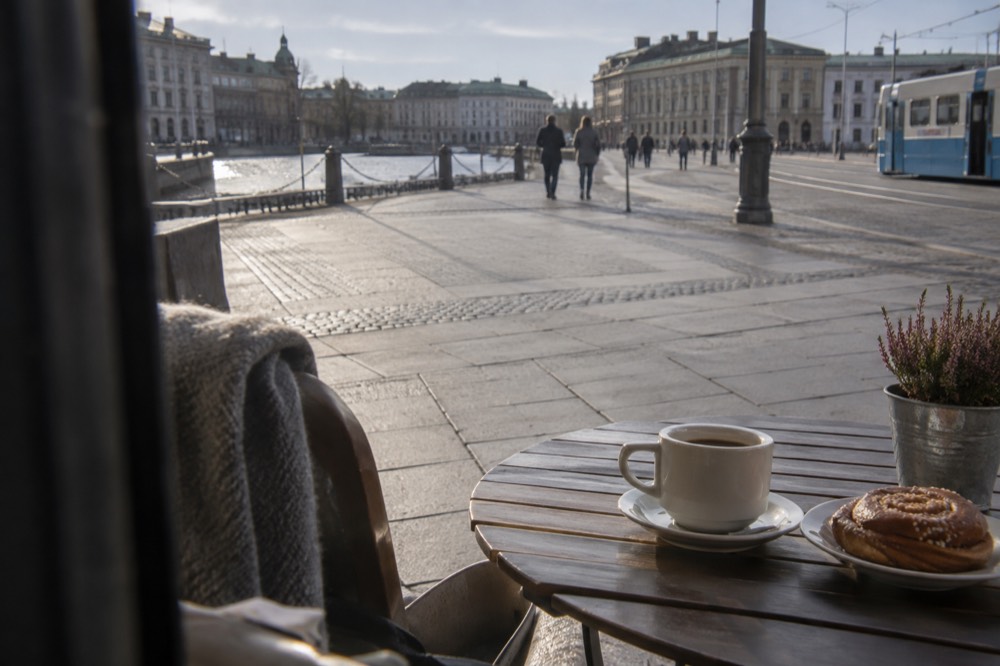
Fika is the closest thing Sweden has to a national ritual. The word appears on workplace schedules, in union agreements, in café windows, and in the daily rhythm of offices from Malmö to Kiruna, and it carries more weight than the English phrase "coffee break" suggests. Nobody will fine you for skipping it. But the question "is fika mandatory in Sweden?" is more interesting than a yes or no, because the honest answer is that it is socially close to compulsory even though it is legally nothing at all.
Is Fika Legally Mandatory in Sweden?
No. There is no Swedish law, workplace statute, or cultural enforcement body that requires anyone to take fika, and Sweden has no rules about coffee consumption of any kind. Fika is a voluntary social custom, not an obligation. What makes it feel mandatory is that it is embedded in working life so deeply that declining it repeatedly reads as a statement about how you feel toward your colleagues, which is a social cost rather than a legal one.
The legal part of the answer is simple: nothing in Swedish employment law mentions fika. The Swedish work environment framework governs hours, breaks, and safety, and a coffee pause is covered only by the ordinary break rules that apply to any workday. There is no fika statute, no fika inspector, and no fine. The Swedish state regulates many things about working life with famous thoroughness, from mandated vacation to co-determination rights, and coffee pauses are not among them.
The social part is where the question gets real. In most Swedish workplaces, fika is a scheduled pause, often twice a day, and it is where the actual social fabric of an office is maintained. A worker who never comes will not be disciplined, but they will slowly become invisible. Swedes themselves joke about this, and the joke has truth in it: the fika table is where decisions are informally floated, where new staff become people rather than names, and where the flat, non-hierarchical Swedish workplace actually functions. A visitor who is offered fika is being offered membership in the room for twenty minutes. That is the sense in which it is "mandatory."
It helps to understand how the habit is presented to outsiders. Sweden's own official culture channels treat fika as a defining institution rather than a beverage choice; the national image agency describes fika on sweden.se as a social institution, a reason to pause and connect, not simply coffee. When a country's own official presentation of itself leads with the social function, you can safely assume the legal question was never the interesting one.
There is a useful comparison. Lunch in Sweden is often quick and functional, a salad at a desk or a twenty-minute canteen visit. Fika is the opposite: deliberately slow, deliberately collective, and protected by convention even when deadlines press. Foreign workers in Swedish offices frequently report that the fika pause survives crunch periods when everything else gets cut, which tells you where the culture ranks it. The pause is treated as maintenance for the team, not as a luxury.
What Is Fika Actually, If It Is Not Just Coffee?
Fika is a fixed social pause built around coffee and something sweet, done sitting down and done with other people, and the word works as both a noun and a verb in Swedish. It is not the drink itself, it is the whole event: the stop, the seat, the pastry, and the company. Treating fika as a translation of "coffee" is the single most common mistake English-language guides make, because you can drink coffee alone at your desk and that is not fika, it is just drinking coffee.
The grammar matters. "Vi tar en fika" means we take a fika, a whole mini-event with a beginning and an end. The word is also a verb: "vi fikar" means we are doing this thing together. Swedish even has the back-formation "fik", a noun for a café or a break room, which shows how deep the concept runs in the language. When a language gives a habit its own verb, its own noun, and its own dedicated venue, the habit has stopped being optional decoration and become infrastructure.
The sweet component is not optional decoration either, it is structural. The standard fika in most of Sweden is coffee plus a kanelbulle, the cinnamon bun, or something in that family: a cardamam bun, a biscuit, a slice of cake. The combination of caffeine, sugar, sitting, and conversation is the ritual, and removing any leg weakens it. A coffee taken standing at a counter is a coffee. A bun eaten while walking is a snack. Fika requires the full configuration, and Swedes can spot a tourist faking it at a hundred metres.
Swedes consume coffee at rates near the top of world per-capita tables, and fika is the delivery mechanism for that. The habit is taught early, it survives university, and it carries into working life, where the twice-daily pause is often written into the practical rhythm of the day even when no document requires it. For a fuller breakdown of the word itself, see what fika means in Sweden, and for the sound of it, how to pronounce fika in Swedish.
If the ritual framing appeals, there are also guided ways to experience it as a visitor rather than guessing at it:
How Often Do Swedes Actually Fika?
Most Swedes fika at least once a day, and in workplaces the norm is typically twice: a morning pause mid-morning and an afternoon pause mid-afternoon, each around fifteen to twenty minutes. Weekend fika is longer and more deliberate, often replacing or delaying lunch, and done in cafés with friends or family. The frequency is why the habit feels institutional rather than optional, because almost everyone participates almost every day, and the exceptions are noticed.
The daily rhythm is the thing to understand. A Swedish office day commonly has a collective pause mid-morning and another mid-afternoon, and the pauses are social levellers: managers and interns sit at the same table. Some workplaces have reduced the formal pauses in recent years, and the pandemic years moved a lot of fika to screens, but the underlying habit has proven durable. Reports of the death of workplace fika have circulated for a decade and the habit keeps outliving them, which is what you expect from a ritual rather than a policy.
Weekend fika is a different animal: slower, often involving a specific café as a destination, and frequently multigenerational, with grandparents, children, and cinnamon buns at one table. Sunday fika in particular is a small institution of its own, and in a city like Gothenburg the popular cafés fill up in a pattern locals can predict. The weekend version can stretch to an hour, and nobody considers that excessive. The pause expands to fill the time available, which is the opposite of how a coffee break behaves.
There is also the famous variant: the seven-cakes tradition. Older etiquette around formal fika held that a proper host should serve seven kinds of baked goods, and while that rule survives mostly as a nostalgic benchmark, it shows how seriously the event has been taken. A modern café fika is usually one bun and one coffee, and that is entirely acceptable. But the seven-cake idea still surfaces at celebrations, funerals, and student gatherings, where a generous spread signals that the host takes the occasion seriously.
Is Fika Mandatory for Tourists in Gothenburg?
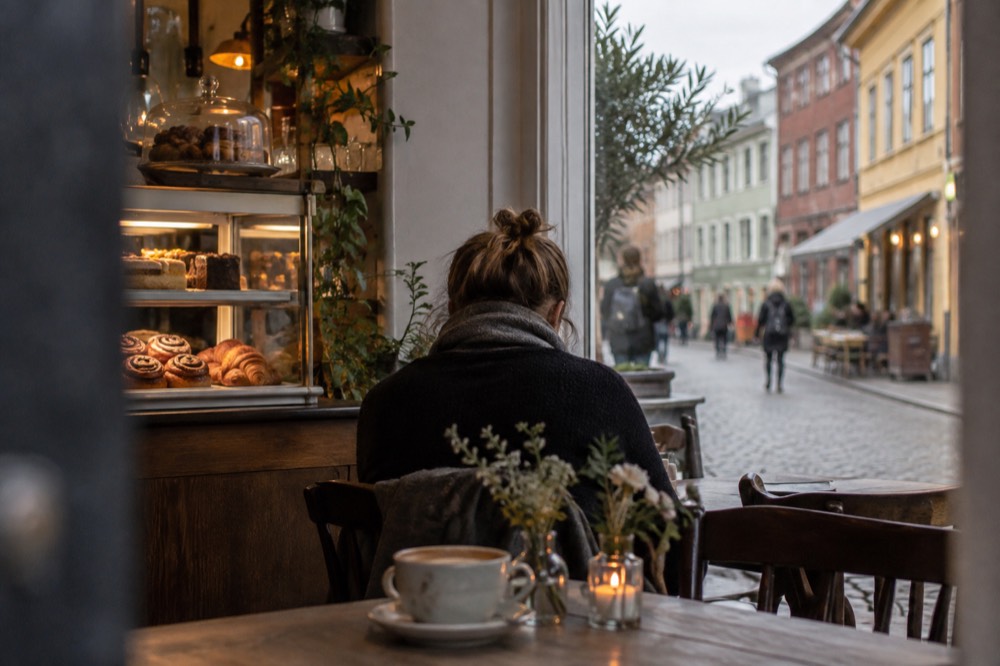
No, tourists in Gothenburg are under no obligation to fika, but participating is one of the cheapest and easiest ways to experience genuine Swedish daily culture, because the city's café scene is built around it. Nobody will notice or care if a visitor skips it. The only sense in which it is mandatory is the practical one: Gothenburg's best-known café quarter, Haga, exists largely for fika, and visiting without joining in means watching the city's signature habit happen around you.
Gothenburg is a good place to do this properly. The Haga district, the old wooden-quarter neighbourhood west of the city centre, is where visitors encounter fika at its most theatrical: cafés there sell giant cinnamon buns, kanelbullar the size of a small plate, and the bun-plus-coffee pause there is a fixture of the tourist trail as much as the local week. Haga is also simply a pleasant place to sit, which is the point. The neighbourhood's low wooden houses, cobbled street, and second-hand shops make the walk between cafés part of the experience, and a slow afternoon there is close to a free masterclass in how the habit works. For more on the city's wider character, see what Gothenburg is known for, and for the food context, what food Gothenburg is famous for.
A visitor's version of fika needs almost no cultural preparation. Order a coffee, order a cinnamon bun or a cardamom bun, sit down, stay a while. The two mistakes to avoid are both about speed: taking it to go and drinking it while walking defeats the purpose, and gulping it in five minutes marks you as someone passing through. Fifteen unhurried minutes is the minimum credible fika. Thirty is better. If the café has a window seat and the street has foot traffic, you have achieved the full configuration without trying. More of these guides are collected on Gothenburg Travel Guide.
What Do You Actually Order at Fika?
The default order is coffee plus a cinnamon bun (kanelbulle), and that pairing is the safest and most traditional choice anywhere in Sweden including Gothenburg. The main alternatives are cardamom buns (kardemummabulle), biscuits and cakes, tea or a soft drink for non-coffee drinkers, and in late winter the seasonal favourite is the semla, an almond-paste cream bun traditionally eaten around Shrovetide. Decaf and milk alternatives are standard in every café.
The table below is a planning guide to what a fika order typically looks like in a Gothenburg café. Prices vary by café, so treat the ranges as orientation and check the counter.
| Order | What it is | Typical role at fika |
|---|---|---|
| Kanelbulle | Cinnamon bun, often with pearl sugar | The default sweet, everywhere |
| Kardemummabulle | Cardamom bun | The main rival to cinnamon, many prefer it |
| Kaffe | Filter or espresso-based coffee | The standard drink, refills often included |
| Te or choklad | Tea or hot chocolate | The accepted non-coffee option |
| Tårta | Slice of cake | Weekend and celebration fika |
| Smörgås | Small open sandwich | The savoury variant, more a lunch fika |
A few notes on the ordering itself. The cardamom bun has a genuine claim to being the better bun, and a lot of locals will tell you so; cardamom is the spice that Swedish baking actually runs on, and the kardemummabulle is where it shows. The semla deserves a mention because its season is strict: these cream-and-almond buns appear after Christmas and vanish around Easter, and eating one outside the season is a mild cultural offence that Swedes will forgive but notice. Filter coffee remains the traditional fika drink, and many cafés still include a free refill with a filter order, a small hospitality custom that espresso culture has not entirely displaced.
One practical note for visitors: coffee in Sweden is often served strong, and the fika pause is a genuine caffeine delivery event. If you are doing three museum mornings in a row, pace yourself. The habit is twice daily for a reason, and Swedes build a tolerance early. Decaf, known as koffeinfritt, is available almost everywhere, so nobody needs to choose between the ritual and their sleep.
Do You Have to Drink Coffee to Fika?
No, coffee is the traditional drink but it is not a requirement, and tea, hot chocolate, juice, or even water are all accepted at a fika table without comment. The defining features of fika are the pause, the sitting, the company, and the sweet accompaniment, not the specific beverage. A person who does not drink coffee at all can fika fully and no Swede will consider it a lesser fika, because the social event is the thing being attended.
This matters for visitors who do not drink coffee, because some guides imply the drink is non-negotiable. It is not. Hot chocolate is a completely standard order, especially in cold months, and tea selections in Swedish cafés are usually decent. What would make the event not-a-fika is eating a pastry standing up on the street, or taking the whole thing away in a bag. The sitting is closer to the essence than the drink.
Alcohol is the one thing that does not belong. Fika is a daytime, sober, workplace-and-family ritual, and a beer at the table would read as a different activity entirely. That boundary is worth knowing because Gothenburg has a strong bar culture of its own, but it happens in the evening and it is not fika. The two rituals share a fondness for sitting and talking, and nothing else. A visitor who tries to merge them will confuse everyone involved, including the café.
There is a small etiquette layer worth knowing as well. If a colleague or host offers you fika, the polite move is to accept, or to decline once with a reason and accept the next time. Repeated refusal is what carries the social weight, not a single no. Nobody tracks attendance, but patterns are noticed, and in a culture that communicates indirectly, the fika table is one of the few places where the absence of someone speaks loudly.
Is Fika the Same Everywhere in Sweden?
Broadly yes, the core ritual is national, but the expression varies: workplace fika in an office is short and functional, weekend café fika is long and social, countryside fika tends to be home-baked and generous, and in Gothenburg the habit is strongly tied to the city's café and bakery culture, especially in Haga. The constants everywhere are coffee or a substitute, something sweet, sitting down, and doing it with people.
Gothenburg's own version has a couple of local signatures. The giant cinnamon buns of Haga are the famous one. The city's café culture also leans on its baked-goods tradition more generally, and Gothenburg's position as a food city, with a strong seafood identity and a serious restaurant scene, means the sweet end of the day is taken seriously too. The same city that builds its savoury reputation on shrimp sandwiches and oysters also expects its cinnamon buns to be excellent, and the standards at an ordinary neighbourhood café would pass muster in a capital.
Regional variation exists but it is gentle. In the north, where winter days are short, the fika pause can carry an extra weight of morale maintenance. In the south, café culture is denser and the weekend fika is more of a public event. In the countryside, the habit runs through home baking, and the seven-cakes benchmark is closer to a live expectation than a nostalgic saying. None of this changes the core, which is why a visitor who learns the ritual once can use it anywhere in the country.
For a visitor who wants the habit plus the city, a sightseeing structure around the café stops works well, and these tours pair with a fika plan:
The amphibious bus option deserves a specific mention because it compresses the city into one hour: the vehicle tours central Gothenburg on streets and then drives into the harbour for the water leg, which covers the canal-side geography that a walking fika day in Haga otherwise misses.
Common Questions About Fika in Sweden
Is fika mandatory in Sweden?
No. Fika is a voluntary social custom with no legal or workplace obligation behind it. It feels mandatory because participation is near-universal and declining it repeatedly carries a social cost, but no visitor or resident is required to take part.
How many times a day do Swedes have fika?
Typically once or twice. In workplaces the norm is a mid-morning and a mid-afternoon pause of about fifteen to twenty minutes each, while weekend fika is usually a single longer café visit.
Can you fika without coffee?
Yes. Tea, hot chocolate, or another drink is entirely accepted. The essential parts of fika are the pause, sitting down, the company, and something sweet, not the coffee itself.
What do you eat at fika?
The default is a cinnamon bun, kanelbulle, or a cardamom bun, kardemummabulle. Cake slices and biscuits are common for weekend fika, and savoury variants with open sandwiches exist but are closer to a light lunch.
Is fika just a coffee break?
No, and this is the most common mistake in English-language guides. Fika is a social event with its own grammar: you stop, you sit, you have something sweet, and you do it with other people. Drinking coffee alone at a desk is not fika.
Where should a visitor do fika in Gothenburg?
Haga is the classic answer. The old wooden quarter west of the centre is where the city's café culture is most visible, and its cafés are known for oversized cinnamon buns. Any central café with seats and buns will do the job, as long as you sit and stay a while.
The short version: fika is not mandatory in Sweden in any enforceable sense, but it is the single most accessible piece of Swedish daily culture, and Gothenburg, with its café-dense old quarters and its plate-sized cinnamon buns, is one of the easiest places in the country to do it properly. Sit down, order the bun, stay fifteen minutes. That is the whole ritual, and everything else is commentary.