How Much Does a Day Pass Cost in Gothenburg? Västtrafik Ticket Prices Explained
A 24-hour Zone A day pass in Gothenburg costs 125 kr and covers trams, buses and the archipelago ferries. Here is what it includes, when it pays off, and what the Go City pass does not cover.
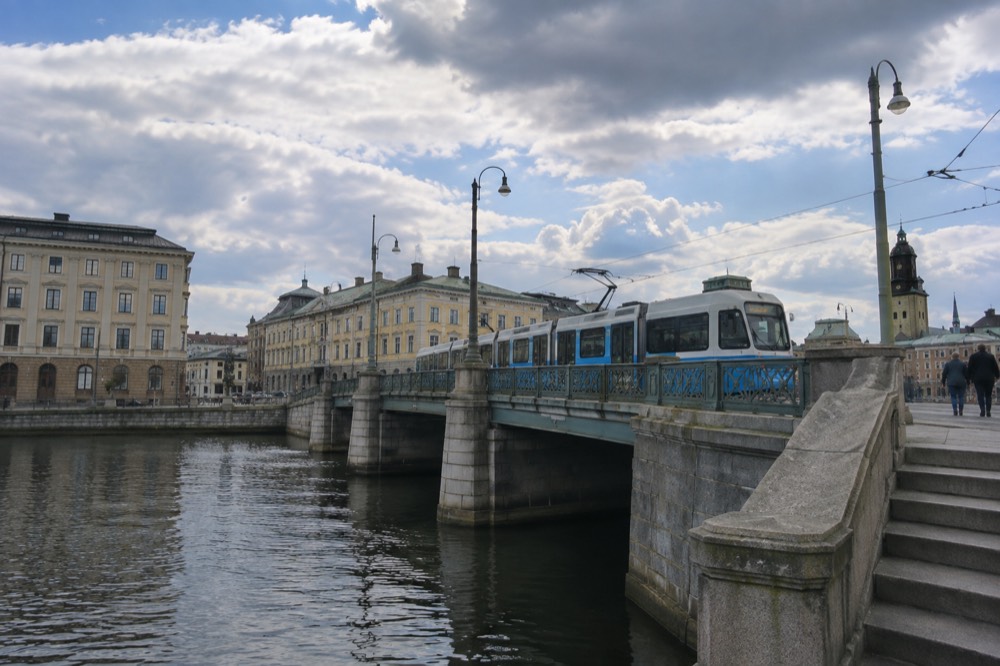
Västtrafik's fare table lists a 24-hour Zone A ticket at 125 kr, the same price whether you buy it in the app or at a shop, and that one ticket covers every tram, every city bus and, unusually for a European city, the passenger ferries out to the car-free southern archipelago. The price is not hidden, but the value is: most visitors buy it without realising they have just purchased a boat ticket to the islands as well. This page breaks down what the day pass costs, what it covers, when it beats single tickets, and the traps around the old city card and the current monthly-ticket subsidy that trip people up.
How Much Does a Day Pass Cost in Gothenburg?
A 24-hour Zone A day pass in Gothenburg costs 125 kr for an adult, at the same price in the Västtrafik To Go app and at ticket shops, according to Västtrafik's own fare page for Zone A. The pass is valid for 24 hours from activation and covers all trams, buses and archipelago ferries within Zone A. A 72-hour version of the same Zone A ticket also exists, with its current price published on Västtrafik's ticket pages.
The 125 kr figure is the headline, and it is worth being precise about what it buys. Zone A is the innermost of Västtrafik's three fare zones, and it is generous: it contains all of central Gothenburg, the neighbouring municipalities of Mölndal and Partille, and the Öckerö municipality in the northern archipelago. Västtrafik's own Zone A ticket page states the price and the zone contents directly.
For comparison, the single-ticket prices on the same fare table are 38 kr for one zone, 76 kr for two zones and 114 kr for three zones, with youth fares (ages 7 to 19) at 29 kr for a one-zone single. Those single fares are the baseline against which any day pass decision gets made, and the arithmetic is simple enough to do on the platform while the tram rolls in.
Youth pricing deserves a second look for families. The youth single is 29 kr against the adult 38 kr, so a family of two adults and two teenagers travelling on singles is paying four separate fares per journey, and the day pass question becomes sharper for groups than for solo travellers. Children under 7 travel free with an adult on Västtrafik, which removes the youngest passengers from the equation entirely.
One caveat before the detail: Västtrafik's pricing has a temporary moving part right now. A state subsidy has halved the price of 30-day period tickets through the end of the year, which changes the maths for longer stays but not for the day tickets a short visitor buys. That subsidy gets its own section below, because it is the single most misreported transport fact in the city.
What Does a Gothenburg Day Pass Actually Cover?
A 125 kr Zone A day pass covers unlimited travel on all 12 tram lines, city and regional buses, and the Saltholmen archipelago ferries to Asperö, Brännö, Styrsö, Donsö, Vrångö and Köpstadsö, for 24 hours from first use. The islands sit inside the city's own Zone A, so the ferry ride is included in the same ticket as the tram that takes you to the pier, with no separate fare and no island surcharge.
This is the part worth dwelling on, because it is genuinely unusual. Gothenburg's southern archipelago is not a separate ferry network with its own pricing, it is a set of ordinary Västtrafik lines with boat numbers, reached from the Saltholmen terminal that is itself the western terminus of the tram network. Västtrafik's own zone map shows the boat lines inside Zone A alongside the trams. You ride a tram to the end of the line, walk down to the pontoon, and board the ferry on the ticket already in your phone.
The islands themselves are car-free. Göteborgs Stad's own planning study states that the islands of the southern archipelago are protected from private car traffic, with only taxis, transport services and emergency vehicles on the roads. That is why the ferry-plus-tram combination is not just the cheapest way out there, it is effectively the only way for a visitor.
The scale of the network behind the ticket is worth knowing too. Göteborgs Spårvägar, the tram operator, reports 12 lines, 134 stops and 188 km of single track, running from Mölndal in the south to Angered in the north, from Saltholmen in the west to Kålltorp in the east, and across the bridge to Hisingen. In 2025 the network carried 126 million journeys, against a pre-pandemic record of 141 million in 2019. A day pass is a small ticket sitting on top of a large, heavily used system, which is part of why frequencies are good enough that a visitor rarely plans around a timetable in the centre.
So the practical shape of a day-pass day looks like this: a tram from the city centre to Saltholmen, a ferry to Vrångö or Brännö, a few hours of walking and swimming, the ferry back, and then evening trams around town, all on the one 125 kr ticket. Even a modest version of that day, say four tram rides and one round-trip ferry crossing, already clears the break-even against single fares, which is the subject of the next section. If you are weighing whether the islands justify the ticket at all, is it worth visiting the Gothenburg archipelago is the question this site answers separately.
Is a Day Pass Worth It Compared to Single Tickets in Gothenburg?
A 125 kr day pass pays for itself once you make four or more one-zone journeys in 24 hours, since each single ticket costs 38 kr and four singles cost more than the day pass on its own. Three rides are cheaper on singles, and the pass only wins when a fourth ride happens, which a typical sightseeing day with an archipelago ferry crossing reaches easily.
The break-even table is short enough to memorise:
| Ticket | Price | When it wins |
|---|---|---|
| Single, 1 zone (adult) | 38 kr | One to three rides in a day |
| Single, 2 zones | 76 kr | Cross-zone trips |
| 24-hour, Zone A | 125 kr | Four or more rides, or any ferry round trip |
| 72-hour, Zone A | Price on Västtrafik's ticket pages | Multi-day stays with daily riding |
The ferry is what tilts the maths hardest. A round trip from the city centre to Brännö is a tram out, a ferry out, a ferry back and a tram back, four journeys at minimum, and that is before any other movement during the day. On singles that pattern costs more than the day pass even before lunch. A purely central day of museum-hopping, by contrast, might involve only three or four short hops, and there the pass is roughly break-even rather than a bargain.
The pass also has a convenience value that the arithmetic does not capture. Buying one ticket instead of five removes the small friction of a new purchase before every boarding, and Västtrafik's app makes activation instant. There is no tap-off system to forget, and no zonal penalty for riding one stop too far inside Zone A.
If your day is built around a single attraction rather than movement, the answer changes again. Liseberg, for instance, sits inside Zone A but charges separately for entry and rides, a distinction this site covers in is Liseberg worth visiting, and a Liseberg day needs only one or two tram rides from the centre. The day pass is a transport decision, not an attractions decision.
There is one journey the day pass never covers: the airport. Göteborg Landvetter has no rail link, and Swedavia's own transport pages list only coaches and buses. The airport coach, branded Vy flygbussarna, runs Landvetter to Korsvägen to Göteborg Centralstation in about 20 minutes and is a separate commercial ticket outside the Västtrafik zone system. Anyone flying in should budget the coach separately and start the day-pass clock after arrival, not at the terminal.
Does the Go City Pass Include Public Transport in Gothenburg?
No. The Go City pass that replaced the discontinued Göteborg City Card does not include public transport, so trams, buses and archipelago ferries remain a separate Västtrafik purchase. The old municipal Göteborg City Card, which did bundle transport, no longer exists: the official tourism site sells no city card, and the old pass domain now redirects to Go City.
This is the fact that catches returning visitors and anyone reading an older guide. The Göteborg City Card, the product that for years came bundled with trams and buses, is gone. In its place [Go City](https://gocity.tpk.ro/HQKyKKW4) sells two tiers: an Essentials Pass covering a choice of attractions, and an All-Inclusive Pass covering a larger list over one to five days. Neither is a transport ticket. Whatever a Go City pass saves you on museums, you will still need a Västtrafik ticket, and for most visitors that means the 125 kr day pass described above, bought separately.
The practical consequence for a one-day itinerary is that the two products stack rather than compete. A visitor doing Universeum, the art museum and a canal cruise on a Go City pass still pays Västtrafik separately for the tram rides between them. A visitor doing the archipelago needs the Västtrafik ticket regardless, because no attraction pass covers the ferries.
One thing the day pass does not cover either is commercial sightseeing. The hop-on hop-off sightseeing bus that loops the city centre is a private tour product, not a Västtrafik line, so it sits outside the 125 kr ticket. For a full picture of that product:
For longer stays, the question of how many days to budget in the city shapes whether a day pass, a 72-hour ticket or singles make sense, which is covered in how many days in Gothenburg is enough.
Is the Halved 30-Day Ticket Price Available to Visitors?
No. The temporary state subsidy that halves Västtrafik's 30-day period tickets, cutting the Zone A adult monthly from 890 kr to 445 kr, applies only to period tickets and does not discount the 24-hour or 72-hour day tickets visitors buy. Västtrafik states the support is temporary and covers travel through the end of the year, with a final purchase date to be announced.
This deserves its own section because it is being reported carelessly. Headlines say transport in Gothenburg is half price, and that is wrong in a way that matters to a visitor. The subsidy hits the 30-day products: the adult Zone A monthly drops from 890 kr to 445 kr, the subsidised Gothenburg-resident monthly from 750 kr to 305 kr, and the youth monthly from 670 kr to 335 kr. A tourist buying a 24-hour ticket pays the full 125 kr regardless, because the day tickets sit outside the subsidy.
Who does this help? Anyone staying three weeks or more, a language student, a remote worker on a long stay, someone visiting family for a month. For that profile the halved monthly is a genuinely large saving, and there is a side benefit worth knowing: an adult holding a period ticket bought in the app may bring up to three under-20s along free. For a family on a long stay that compounds quickly.
For a typical three-day tourist, the honest summary is that nothing about the subsidy changes your costs. Your decision is still singles versus the 24-hour pass versus the 72-hour pass, at full price. The subsidy is real, it is just not for you, and a guide that tells you otherwise is describing a different ticket than the one you are holding.
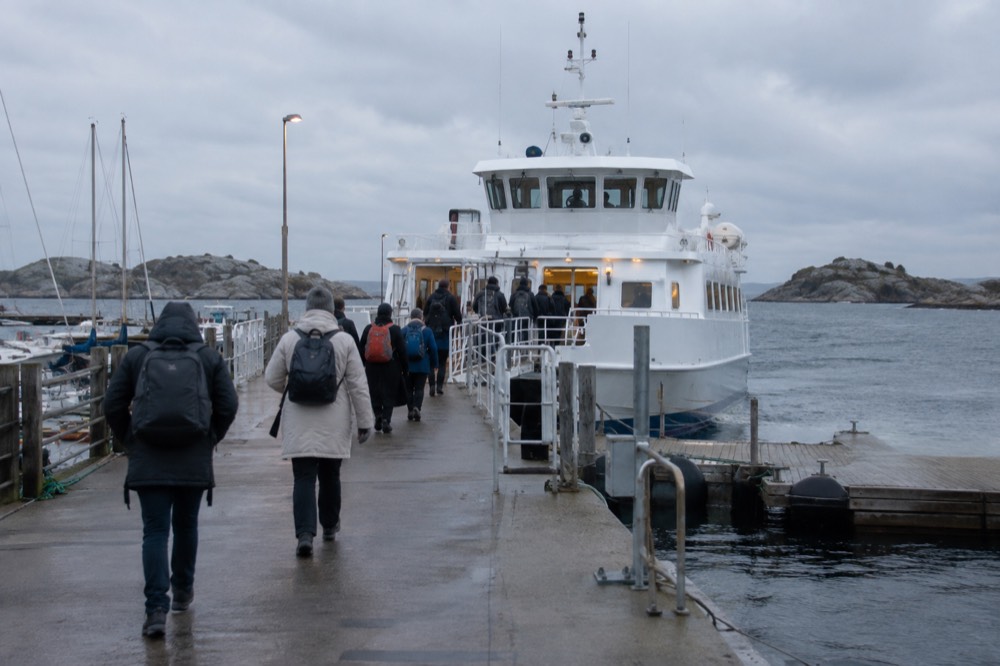
How Do You Buy and Use a Day Pass in Gothenburg?
You buy the 125 kr Zone A day pass either in the Västtrafik To Go app or on a physical Västtrafikkort loaded at a ticket shop or machine, at the same price either way, and it activates when you first board rather than at purchase. There is no tap-off at the end of a journey, so the ticket simply runs its 24 hours from first use, and the same card or app handles the archipelago ferries with no change at the pier.
The app is the smoother option for most visitors: the ticket lives on the phone, activation is one tap, and the zone map is built in so you can see whether a destination sits inside Zone A before you travel. The physical card suits anyone avoiding data roaming or travelling with children whose phones are not set up. Both cost the same, which removes the usual app-versus-counter price game.
A few practical points that recur in visitor questions. The ticket covers the tram to Saltholmen and the ferry from Saltholmen on the same validation, so there is nothing to do at the water's edge except board. Children under 7 travel free with an adult on Västtrafik, which sits alongside the youth fares for ages 7 to 19. And the zone system means that a trip beyond Zone A, towards Alingsås or the far north of the region, needs a wider ticket, so check the zone before boarding rather than after.
Timing the activation matters more than people expect. Because the clock starts at first use, not at purchase, a traveller who boards at 4 pm on arrival day has a ticket valid until 4 pm the next day, which can cover an evening of exploring plus a full following morning. Buying the pass the night before a heavy sightseeing day and activating it on the first tram is the disciplined way to squeeze all 24 hours out of it.
For travellers whose whole trip is built around movement, the pass question connects to the broader budget question, which this site covers in is Gothenburg cheap or expensive, and to timing, since the islands are at their best from late June through September, a window discussed in what is the best time to visit Gothenburg.
Common Questions About Gothenburg Day Passes
How much does a day pass cost in Gothenburg?
A 24-hour Zone A day pass costs 125 kr for an adult, at the same price in the Västtrafik app and at ticket shops. It covers trams, buses and the archipelago ferries within Zone A for 24 hours from activation.
Does the Gothenburg day pass include the archipelago ferries?
Yes. The southern archipelago ferries from Saltholmen are ordinary Västtrafik lines inside Zone A, so the same 125 kr ticket covers the tram to the pier and the ferry to islands such as Brännö, Styrsö, Donsö and Vrångö.
Is the ferry in Gothenburg free?
No, but it is not a separate fare either. The ferries are covered by the same Västtrafik ticket as the trams, so with a 125 kr day pass or a 38 kr single you ride the boat at no extra charge.
Does the Go City pass include public transport in Gothenburg?
No. The Go City pass replaced the discontinued Göteborg City Card and does not include public transport. Trams, buses and ferries remain a separate Västtrafik purchase.
Is transport in Gothenburg half price right now?
Only monthly tickets are. A temporary state subsidy halves 30-day period tickets through the end of the year, but the 24-hour and 72-hour tickets visitors buy are not discounted.
How many rides make the day pass worth it?
Four. A single one-zone ticket costs 38 kr, so three rides are cheaper on singles and a fourth ride pushes the 125 kr pass ahead. Any archipelago round trip clears the threshold on its own.
The short version, and the one this Gothenburg Travel Guide stands behind: the 125 kr day pass is a ferry ticket wearing a tram ticket's clothes. Buy it for the islands, and the city rides come free with it.